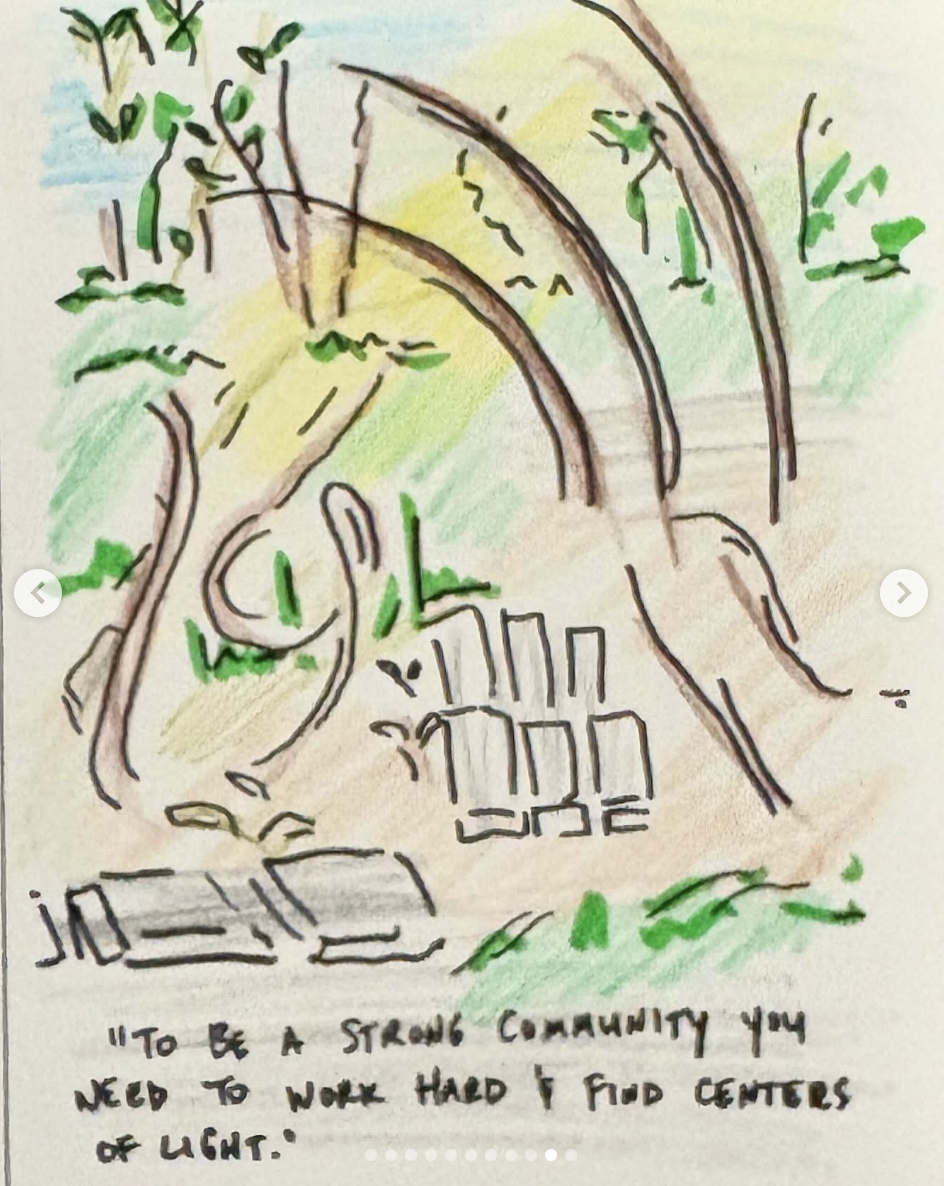
Canadian mother illustrates hostages and families to draw attention to their plight
Naomi Gal began sketching those killed and taken captive during the October 7 Hamas attack as a way to connect with the tragedy; now her drawings bring solace to families
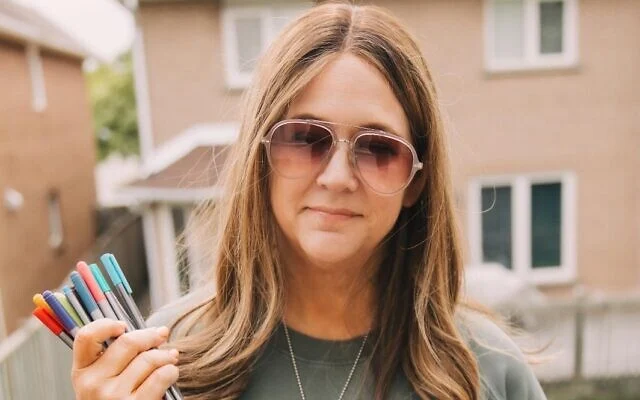
Naomi Gal lives in Toronto, Canada, far from the location of the October 7 Hamas terrorist attack that killed some 1,200 people and saw 251 people taken hostage to Gaza.
Nevertheless, the mother of six, one of nine children herself and the grandchild of four Holocaust survivors, sought a way to connect herself to the bereaved, the hostages and their families.
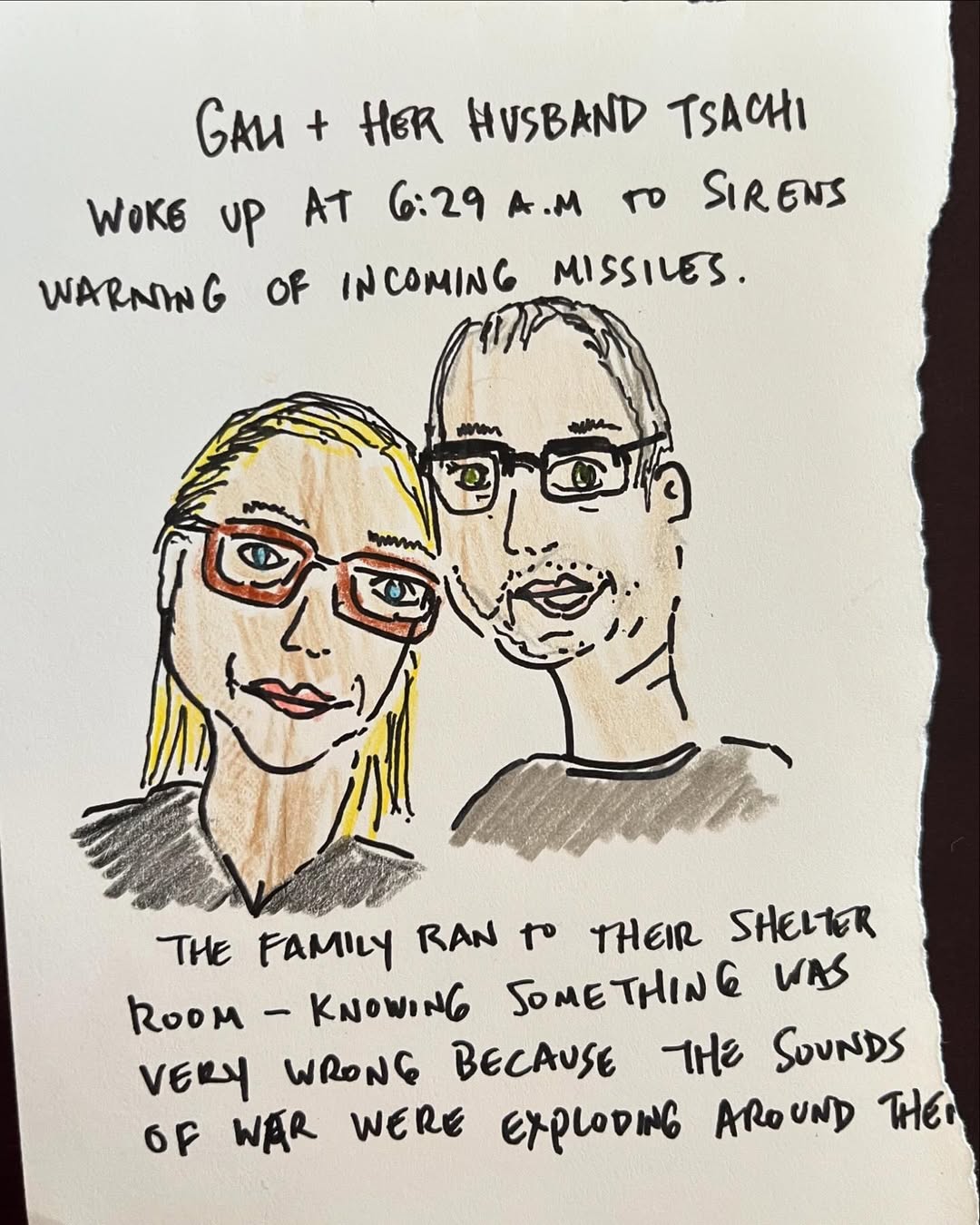
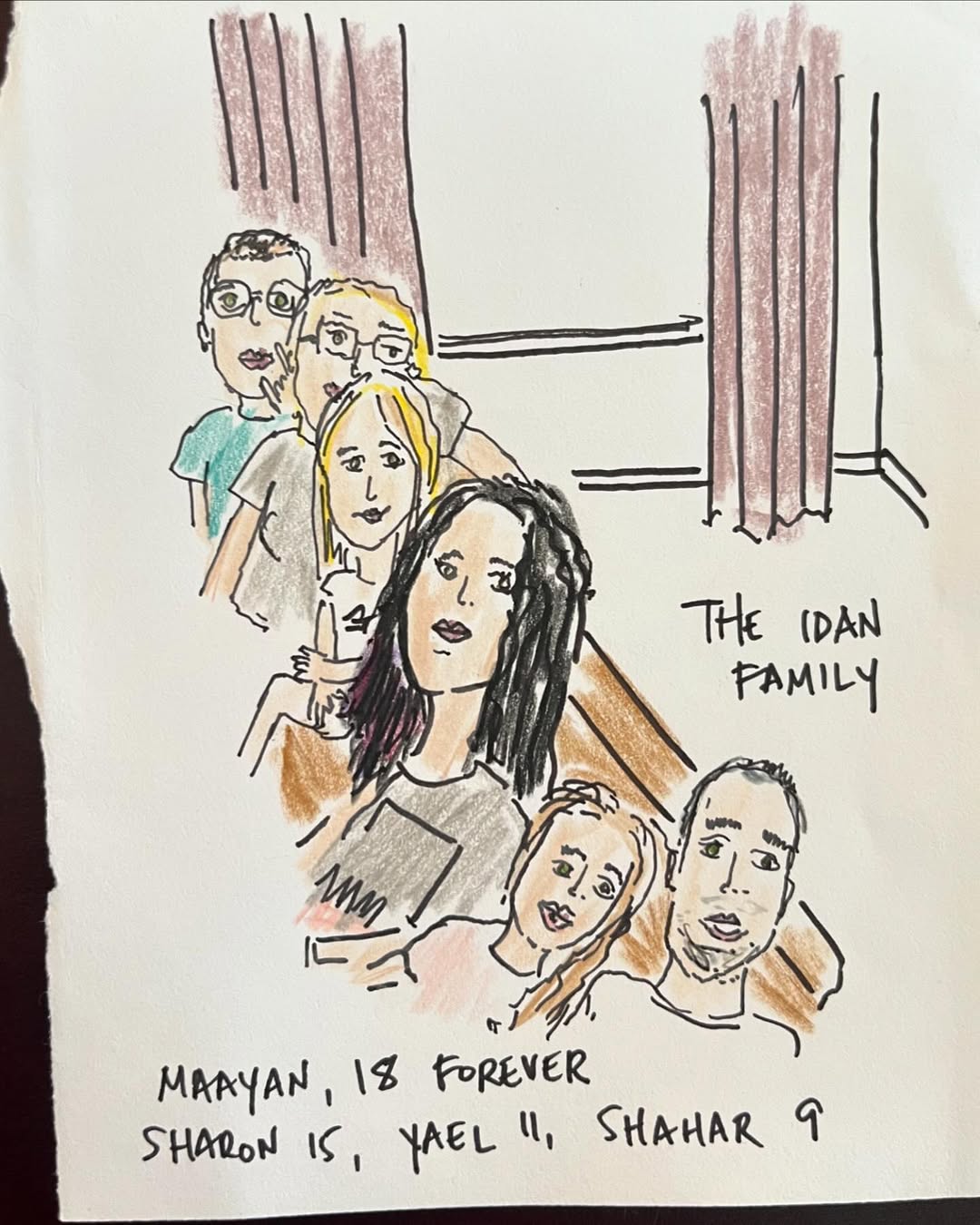
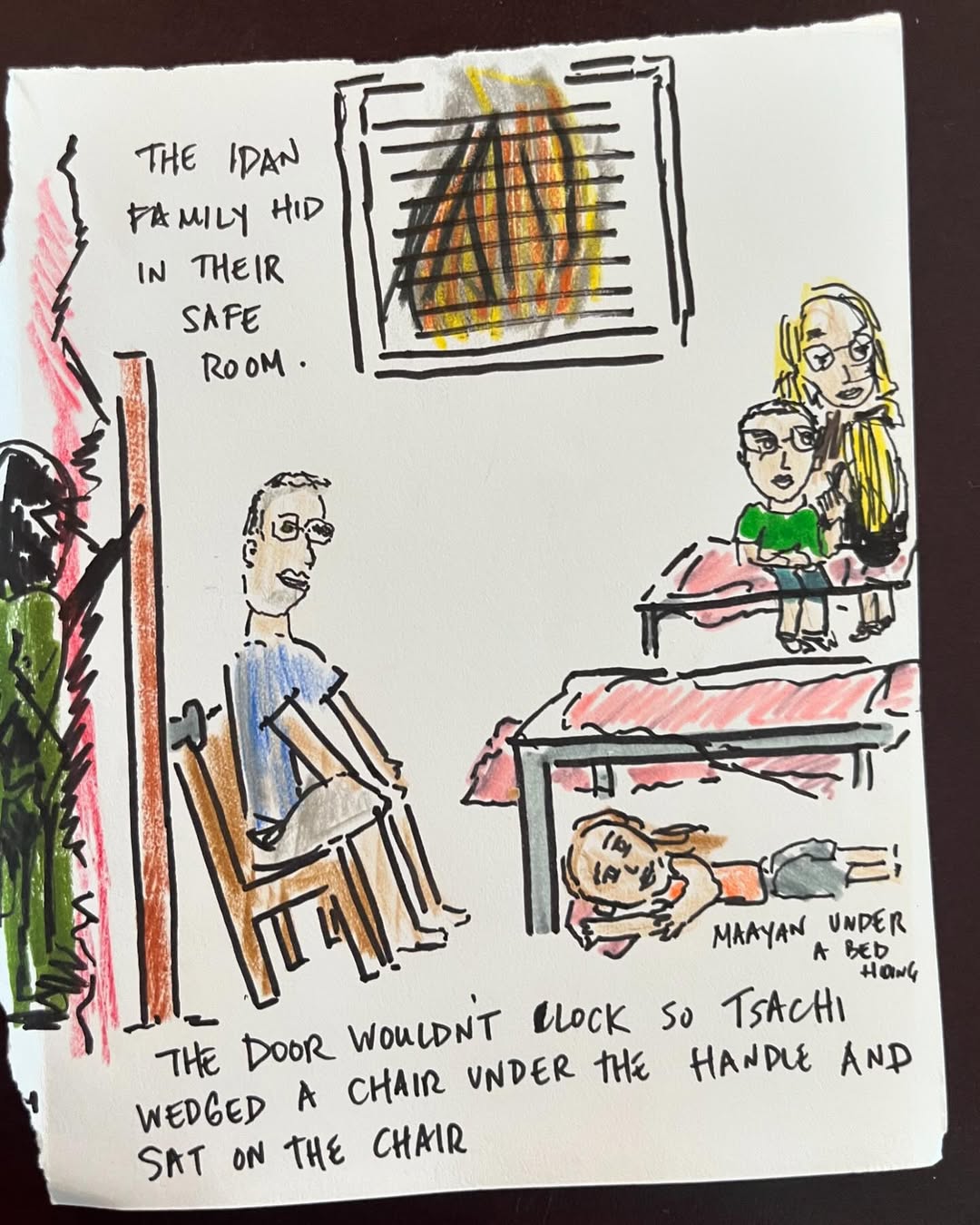
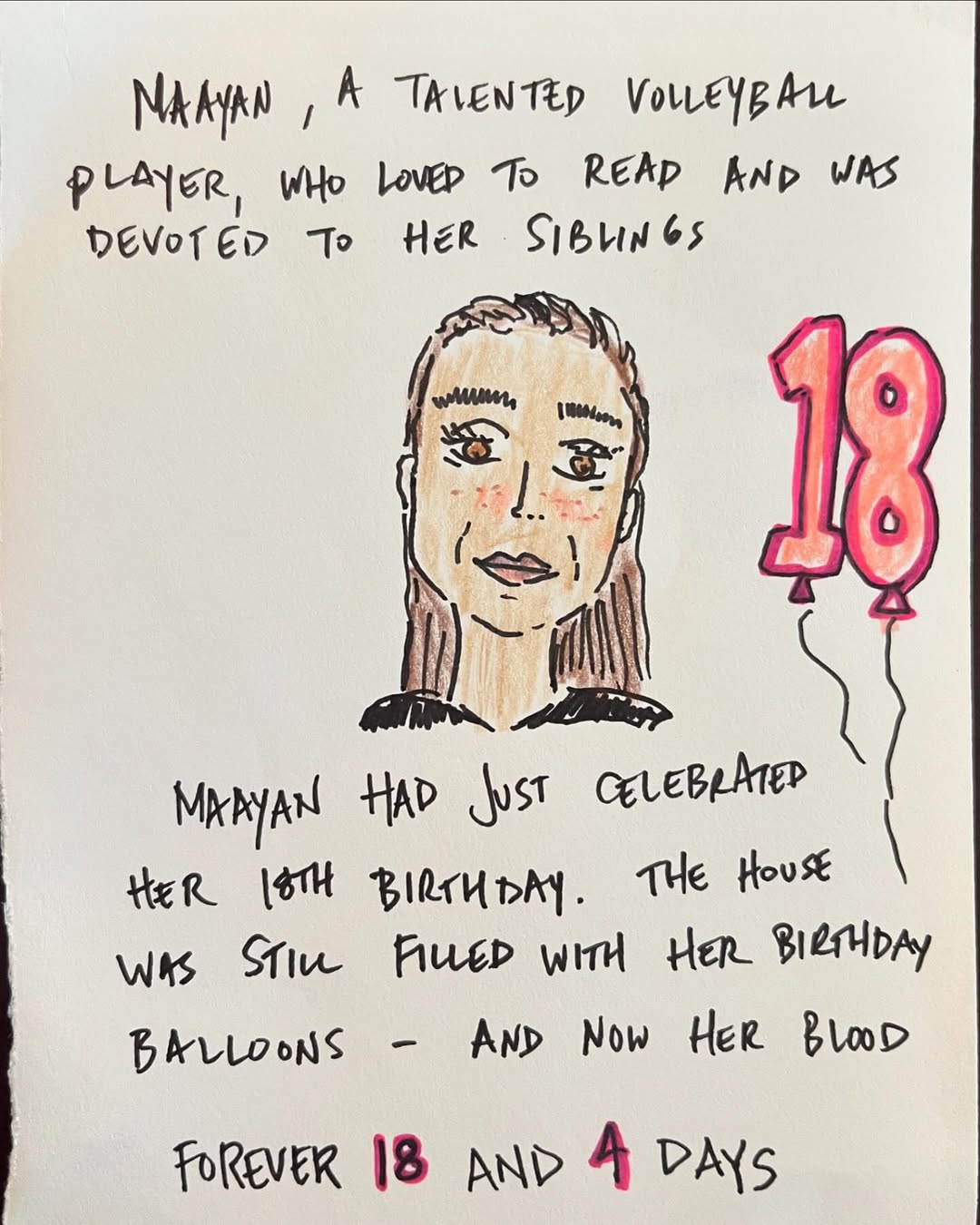
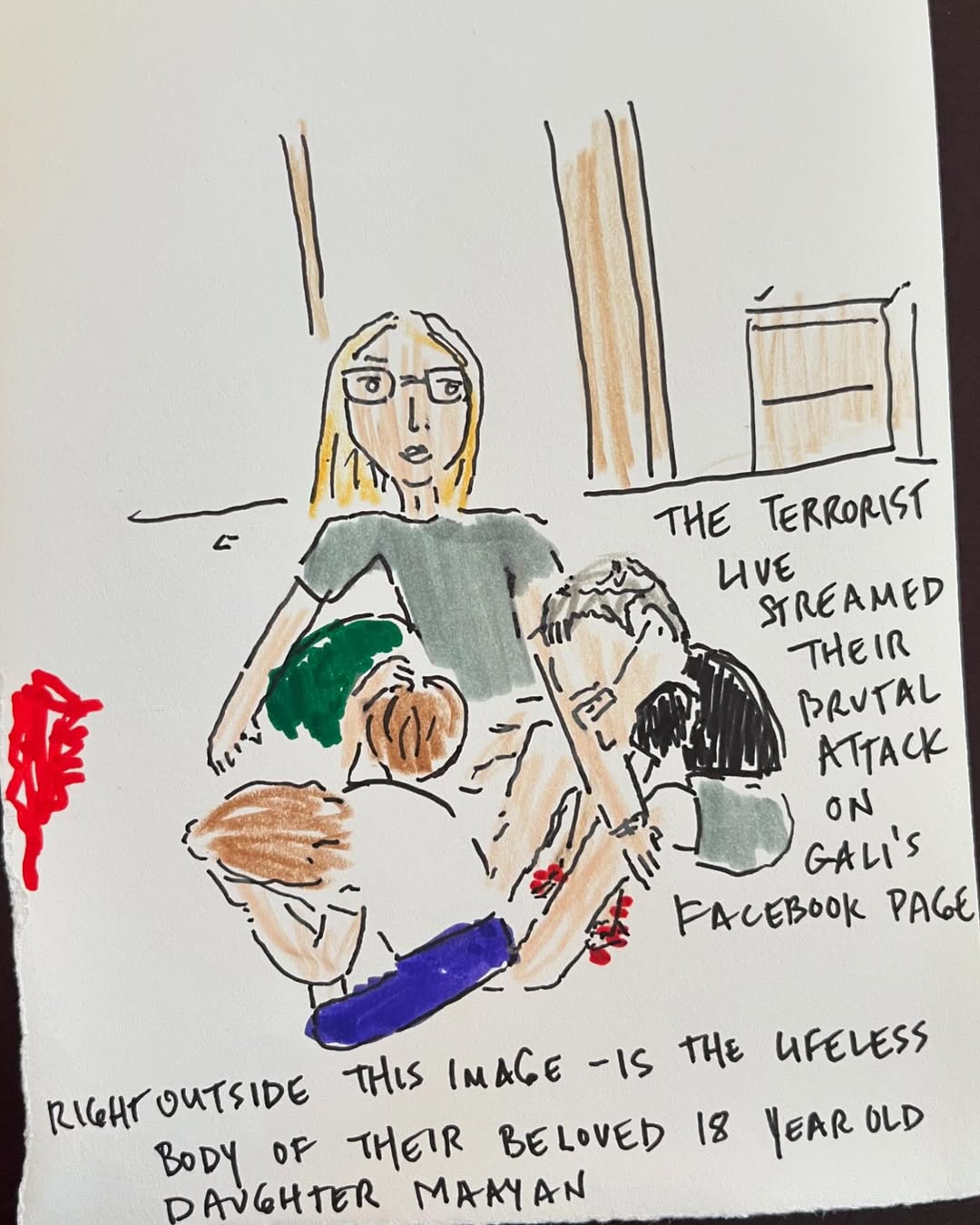
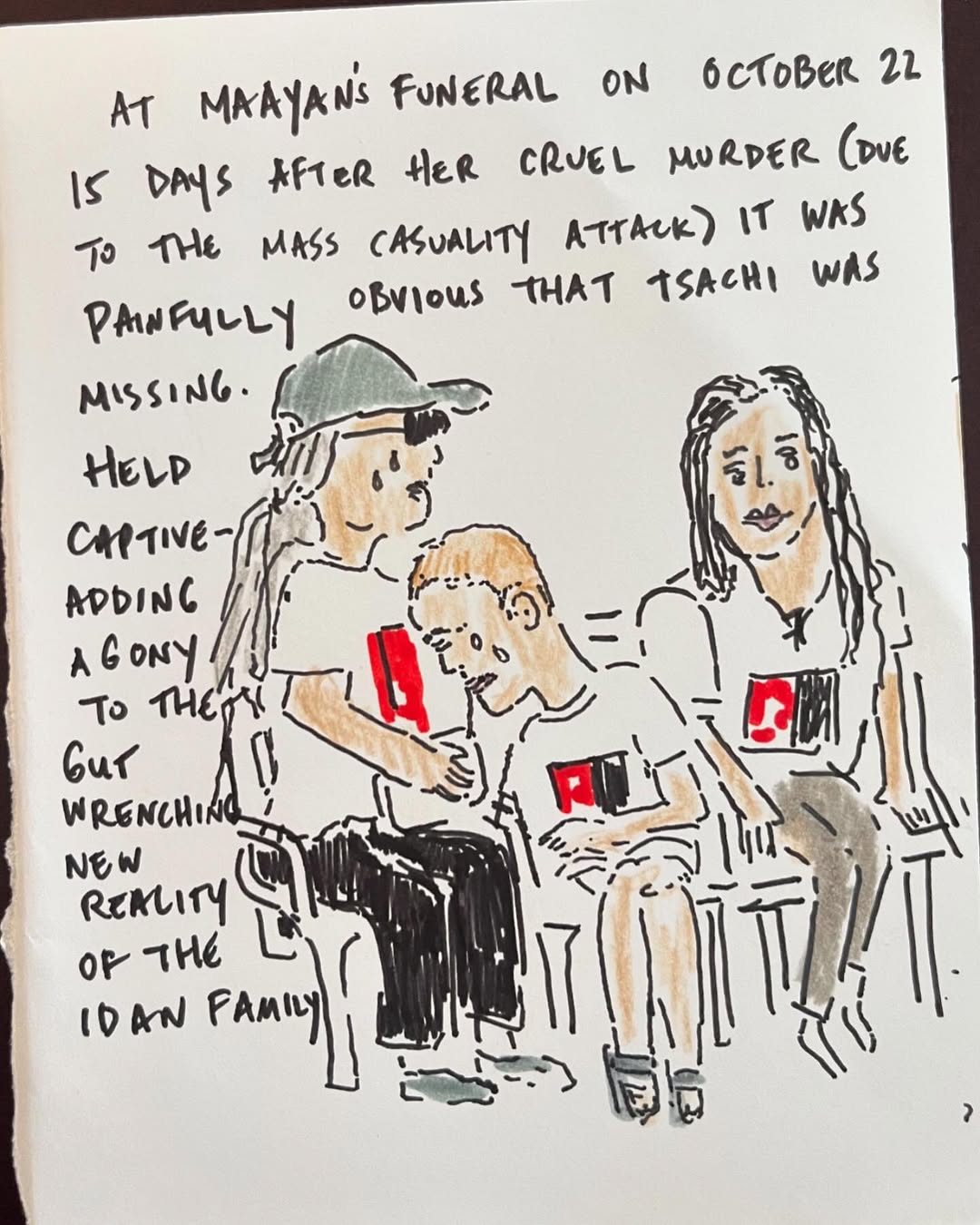
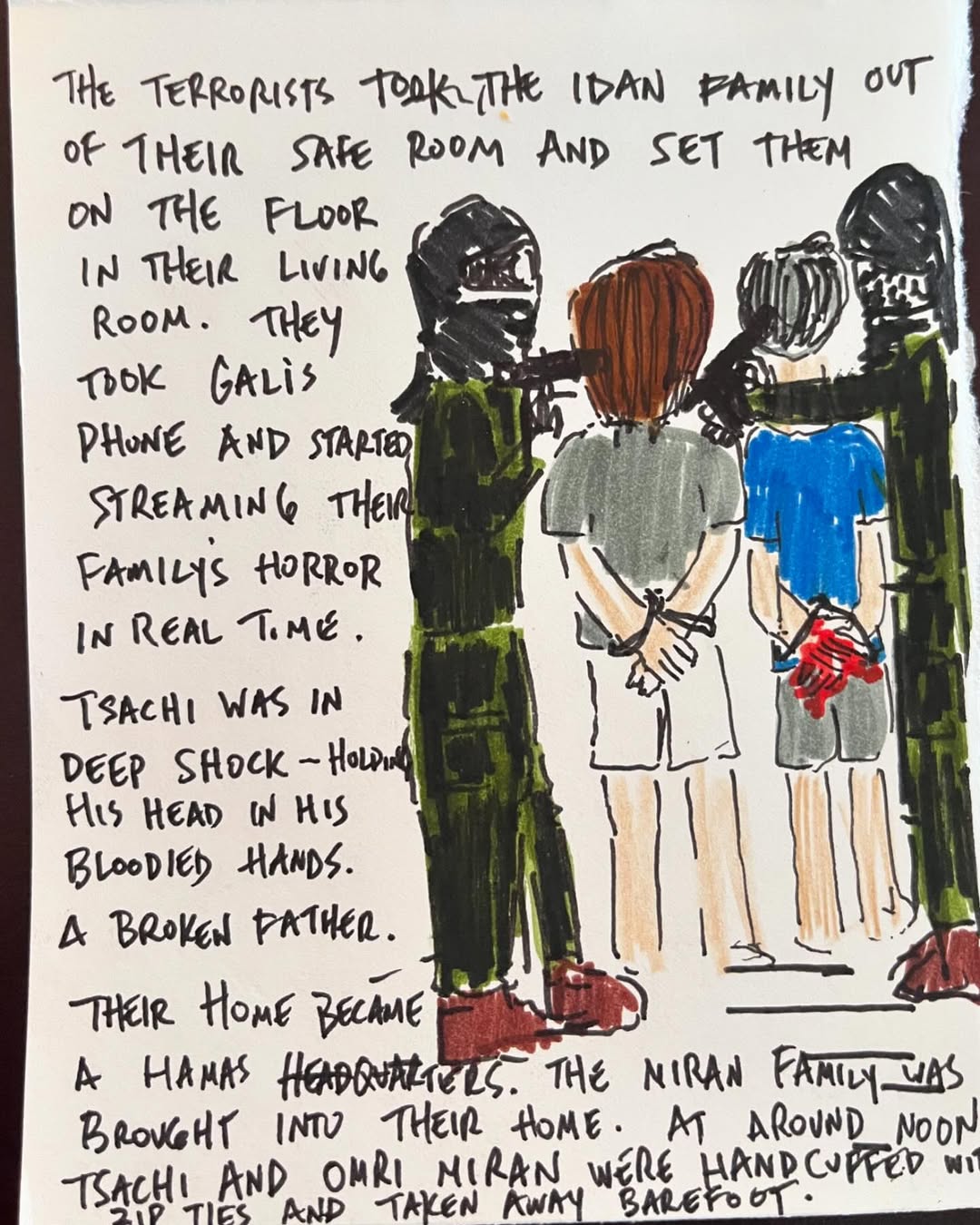
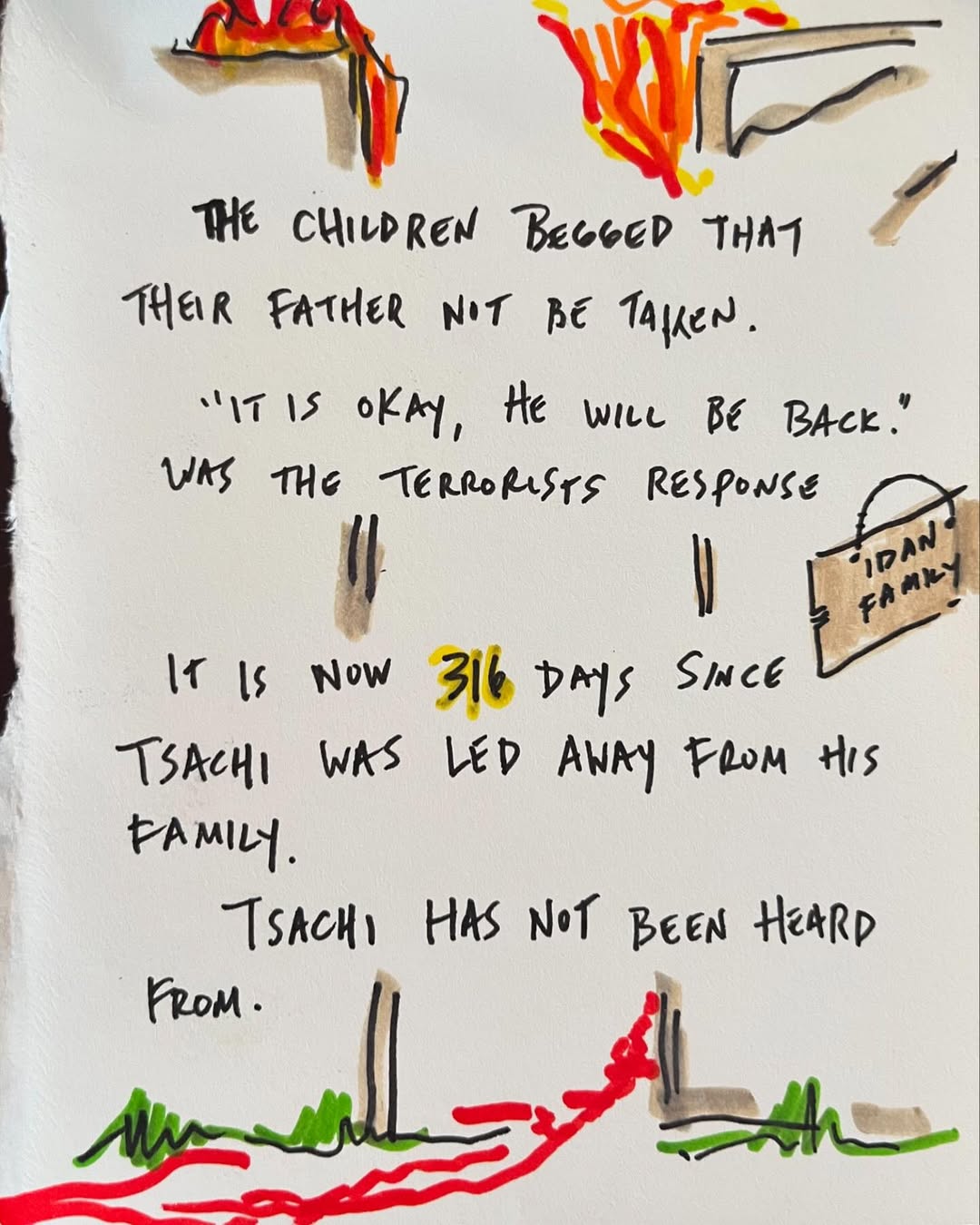
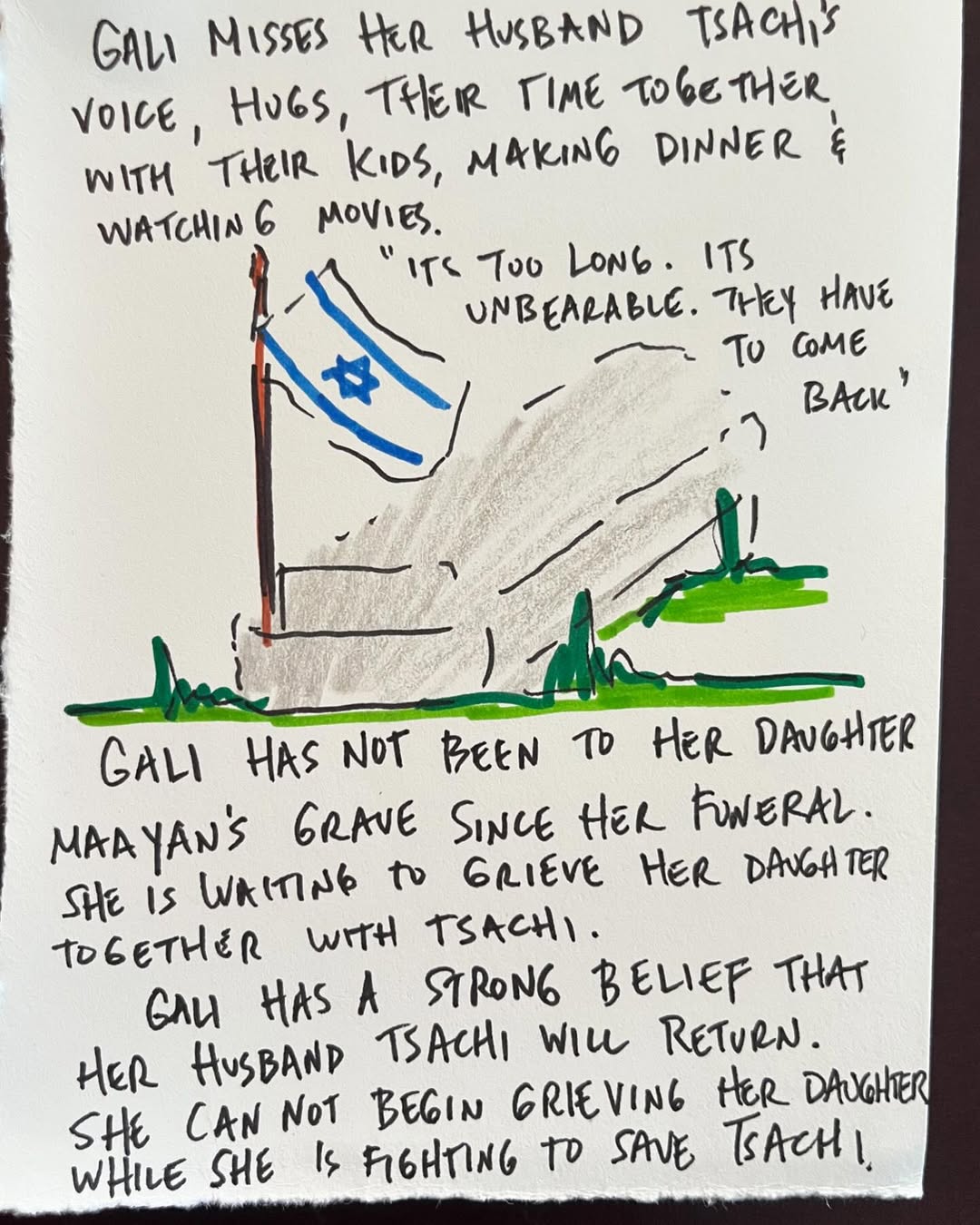
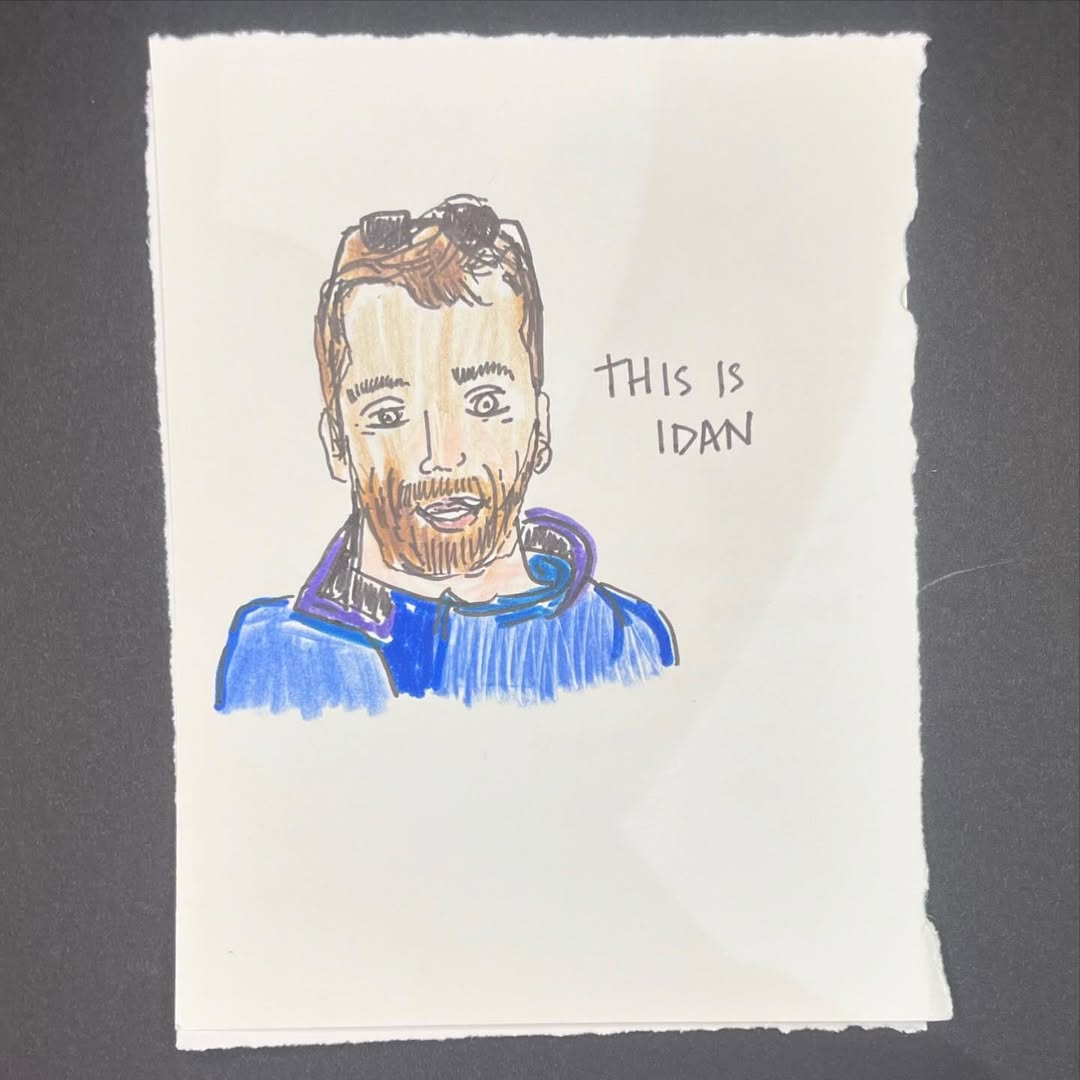
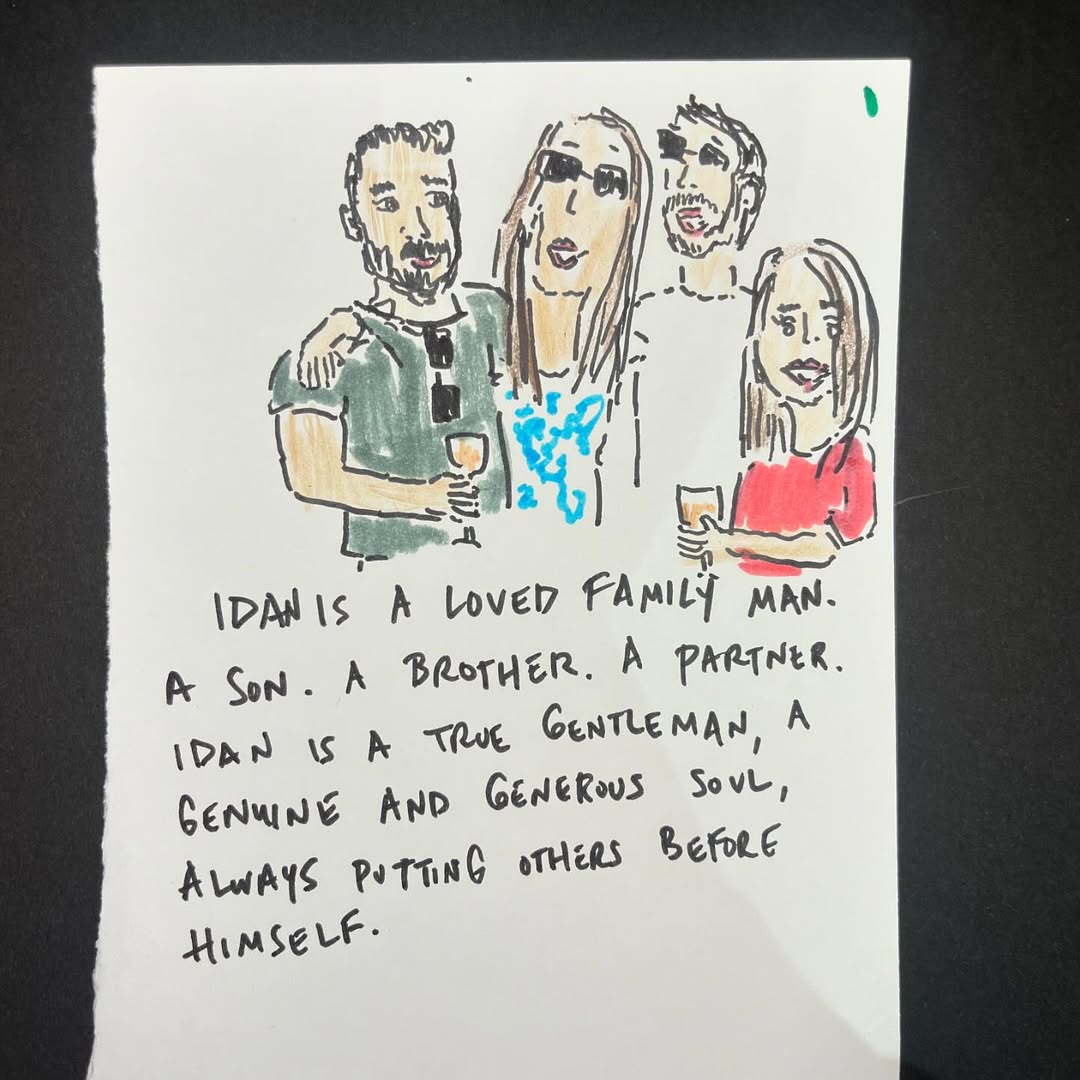
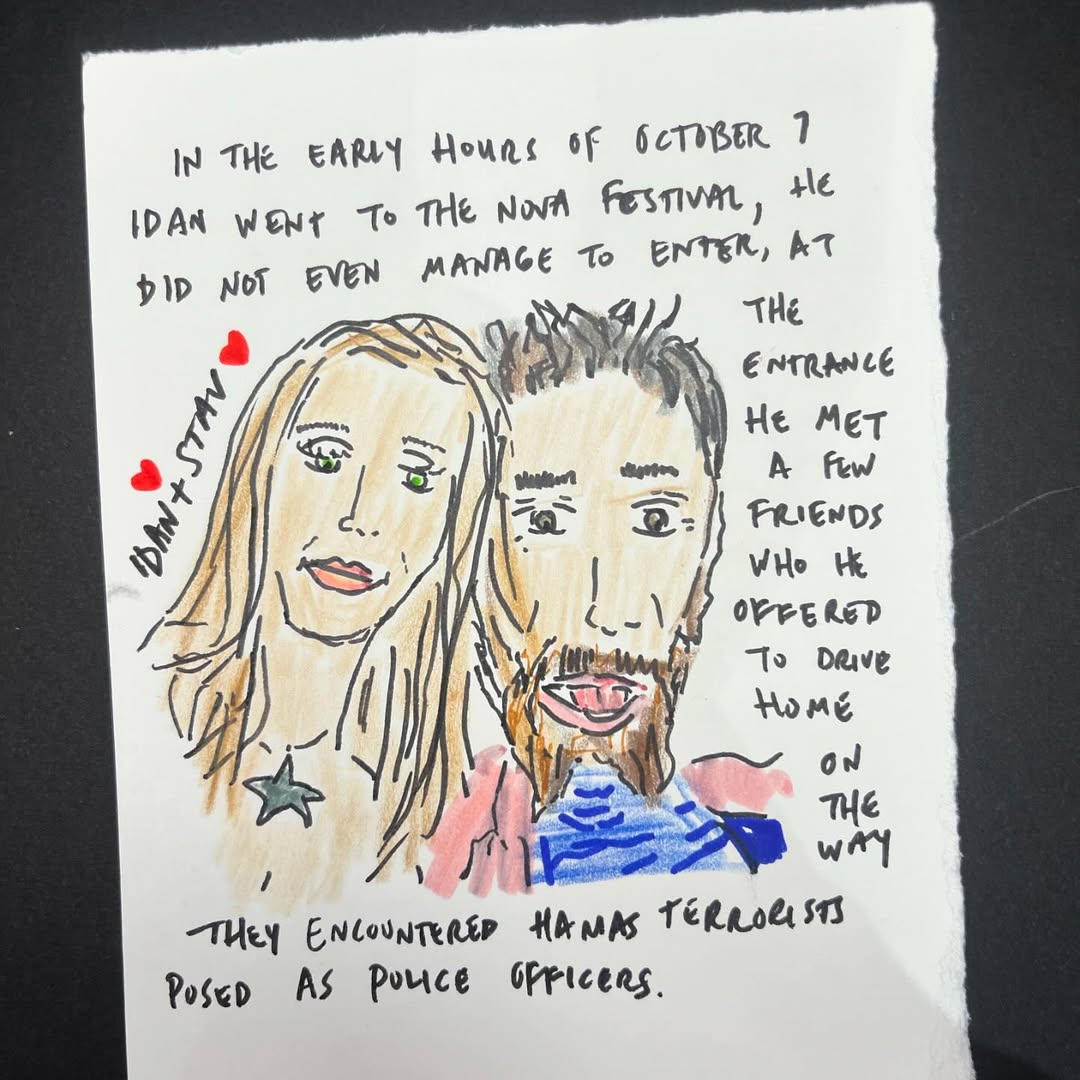
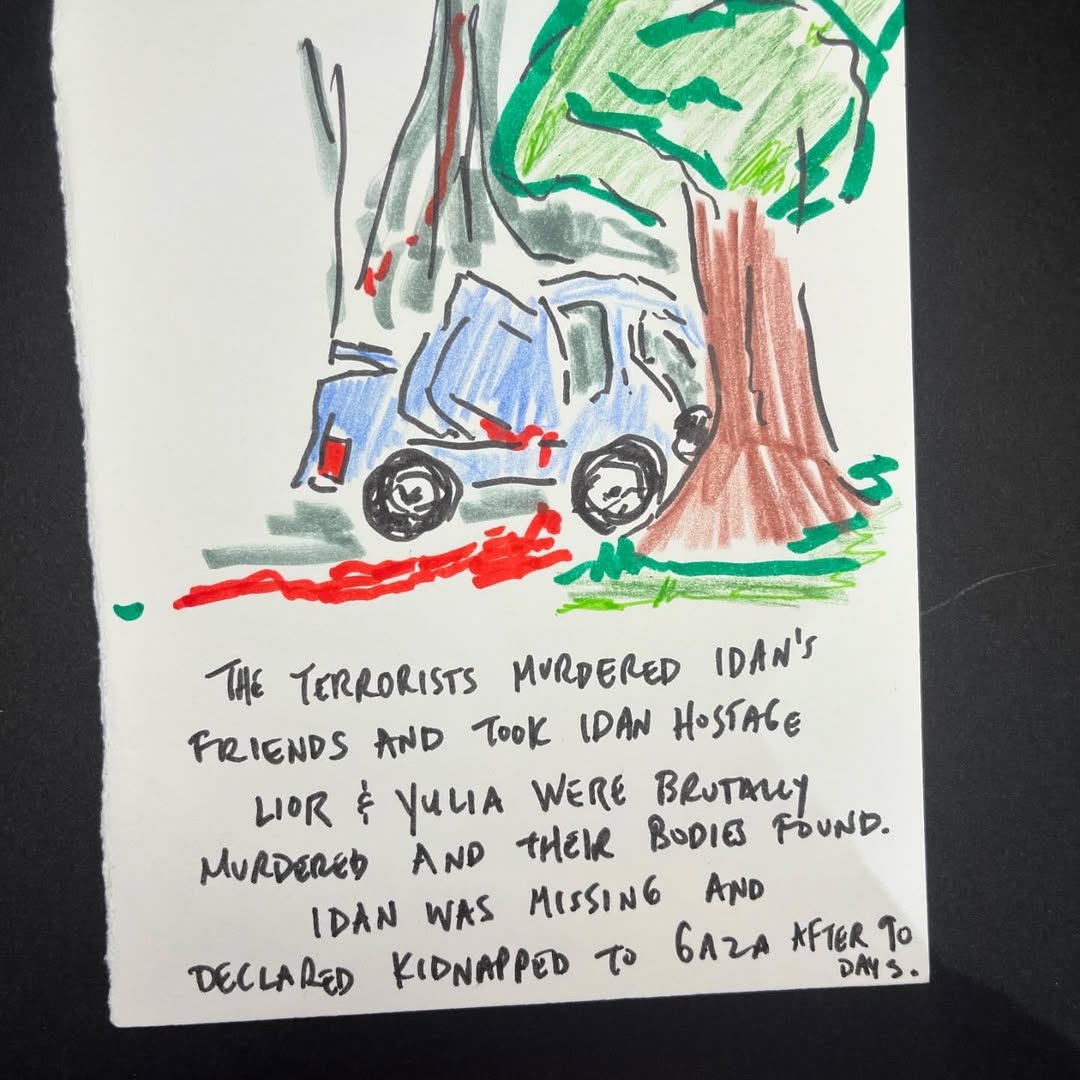
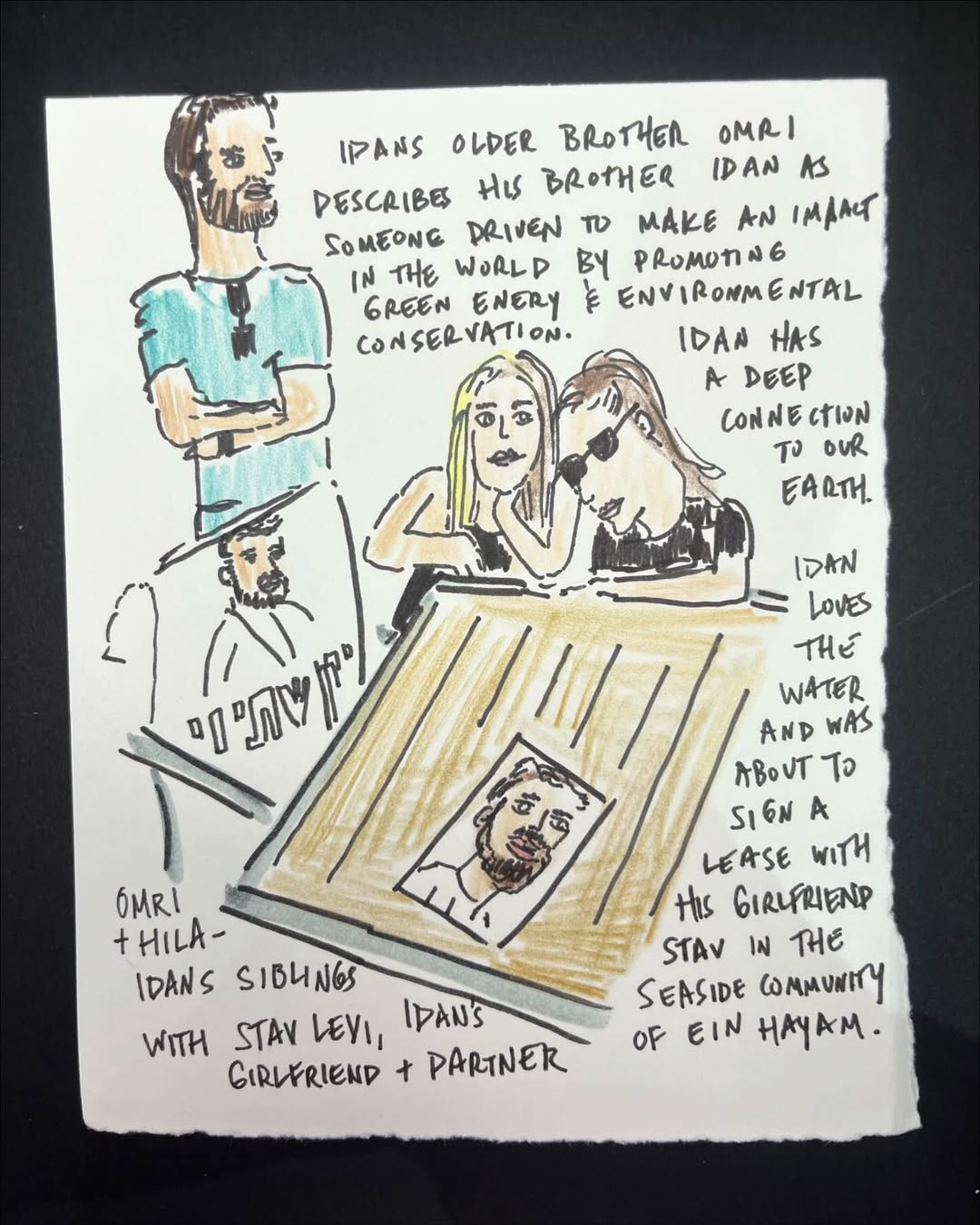
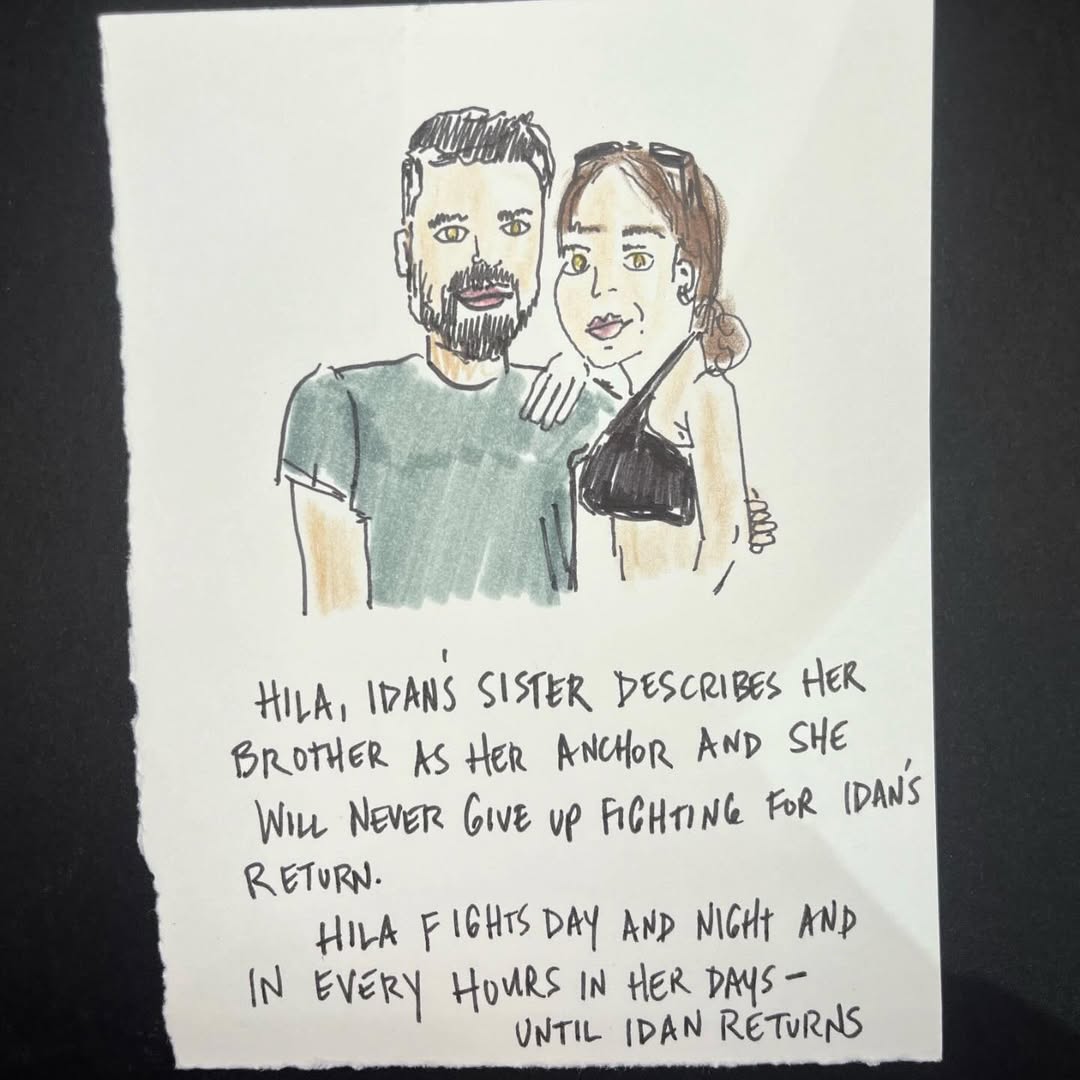
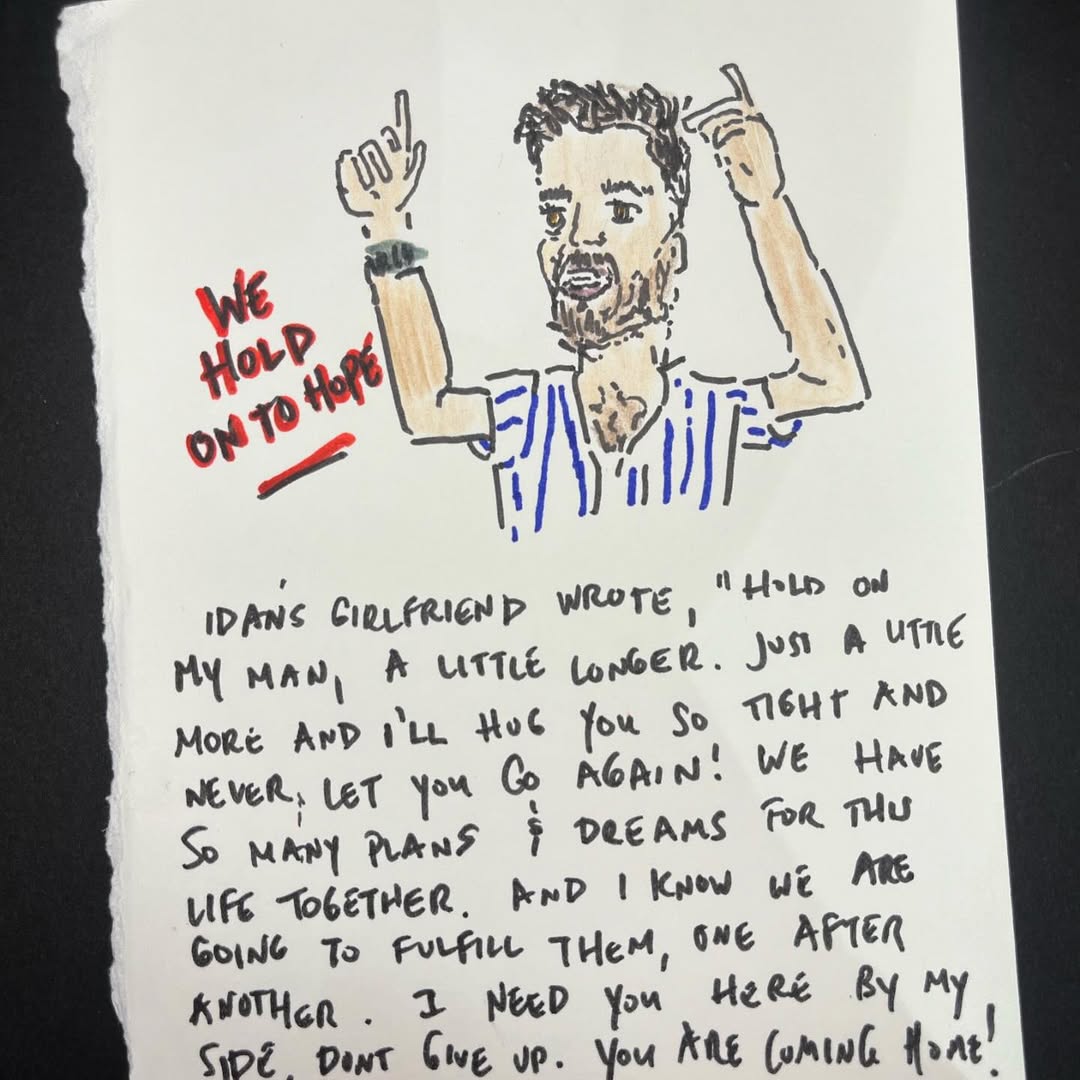
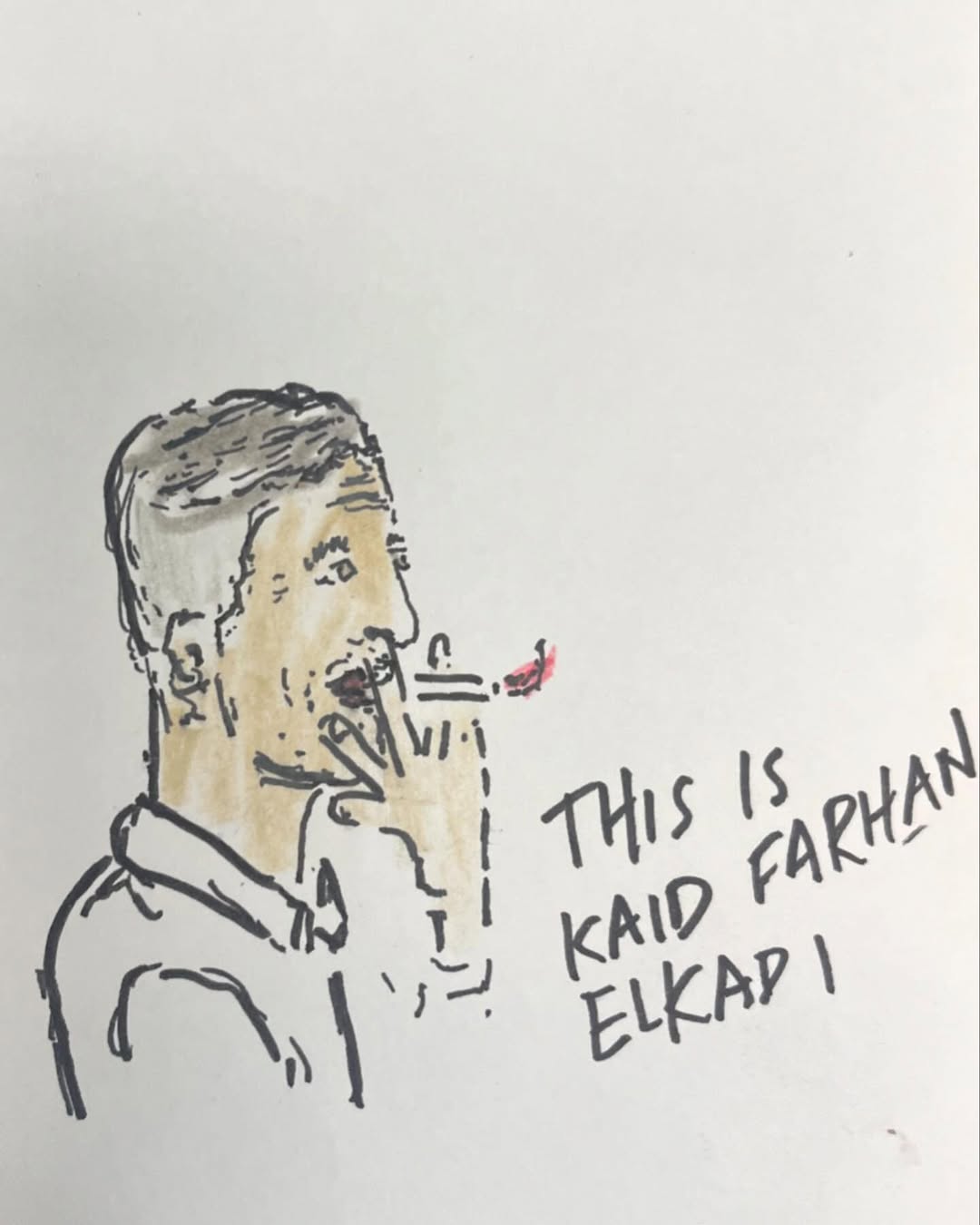
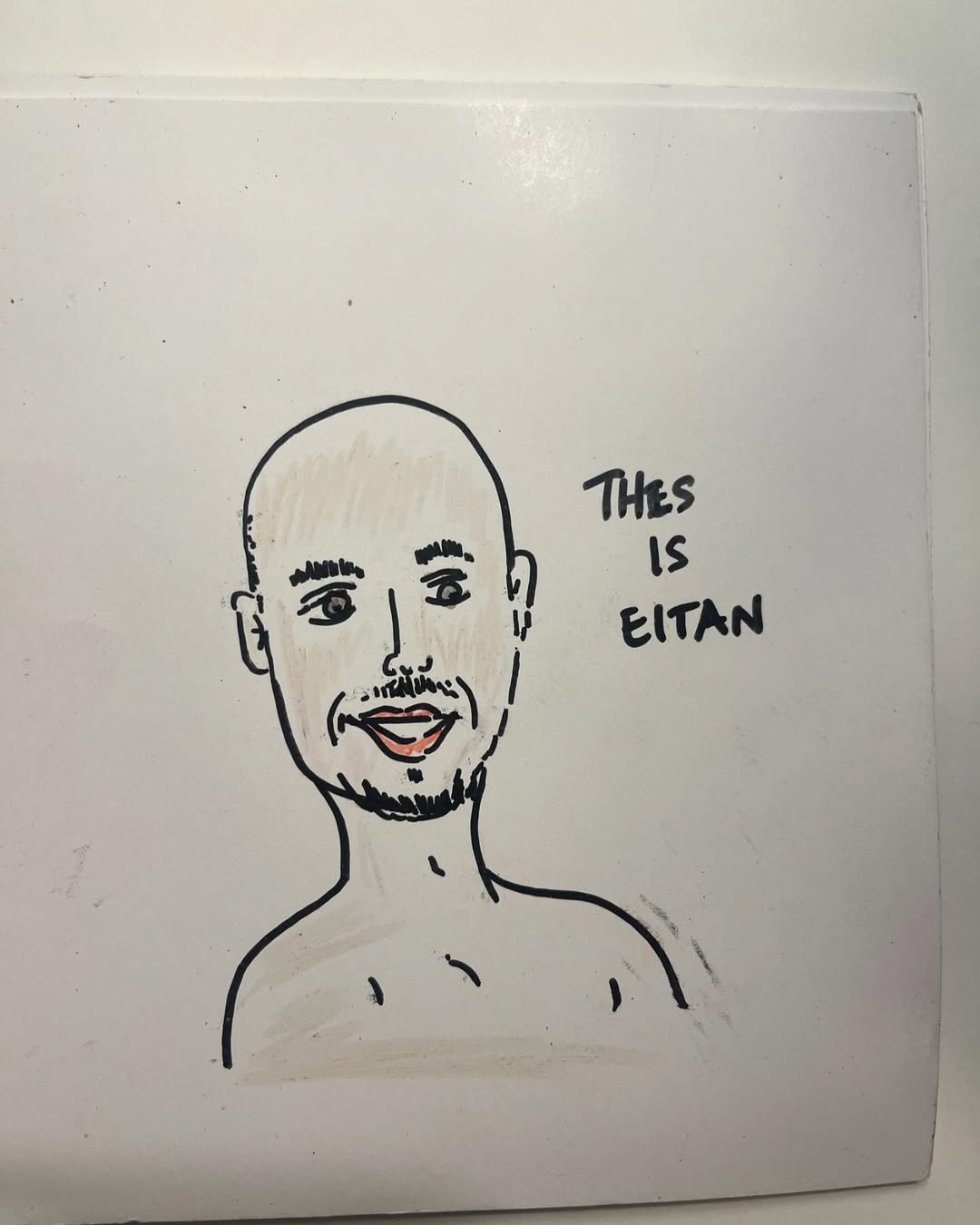
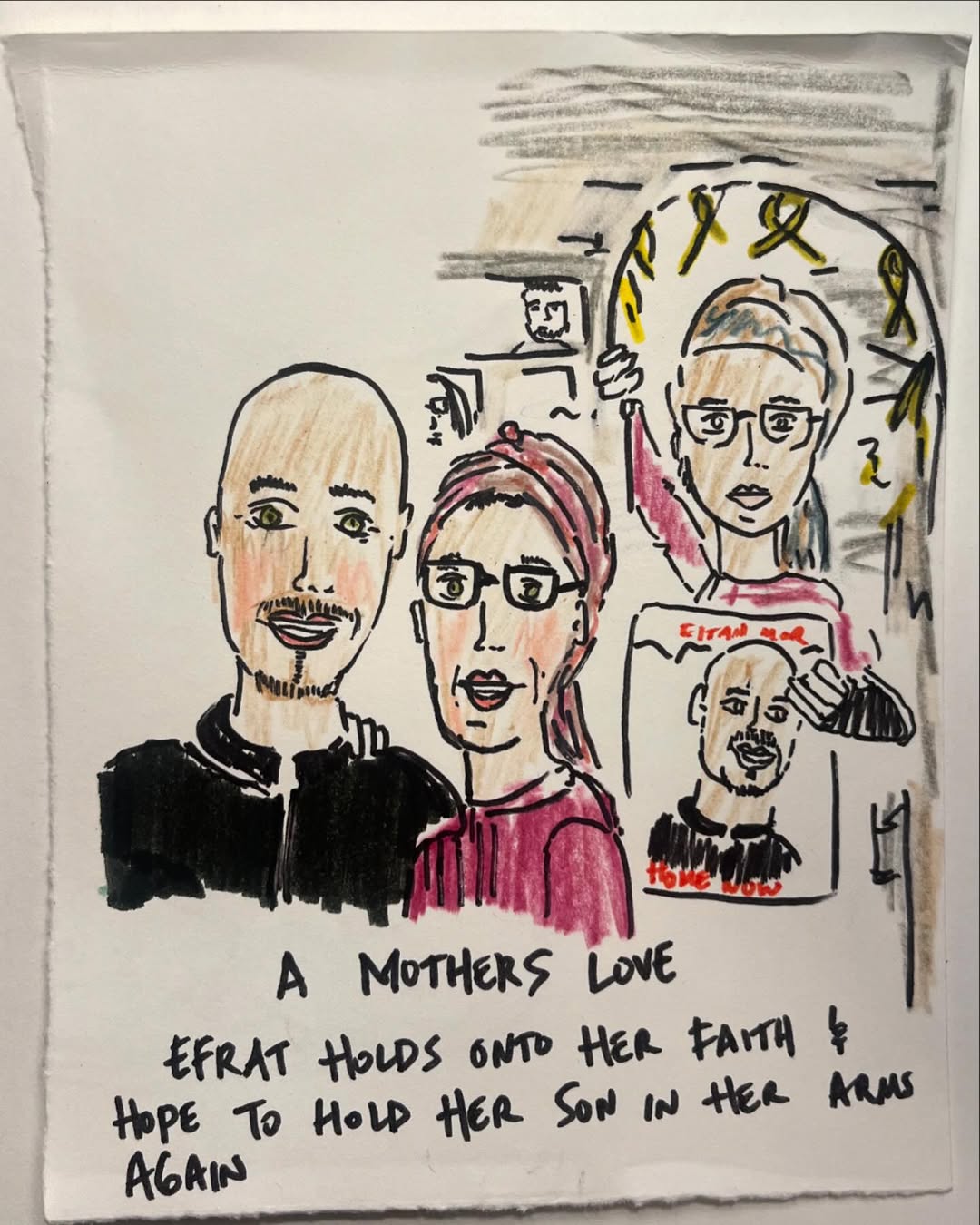
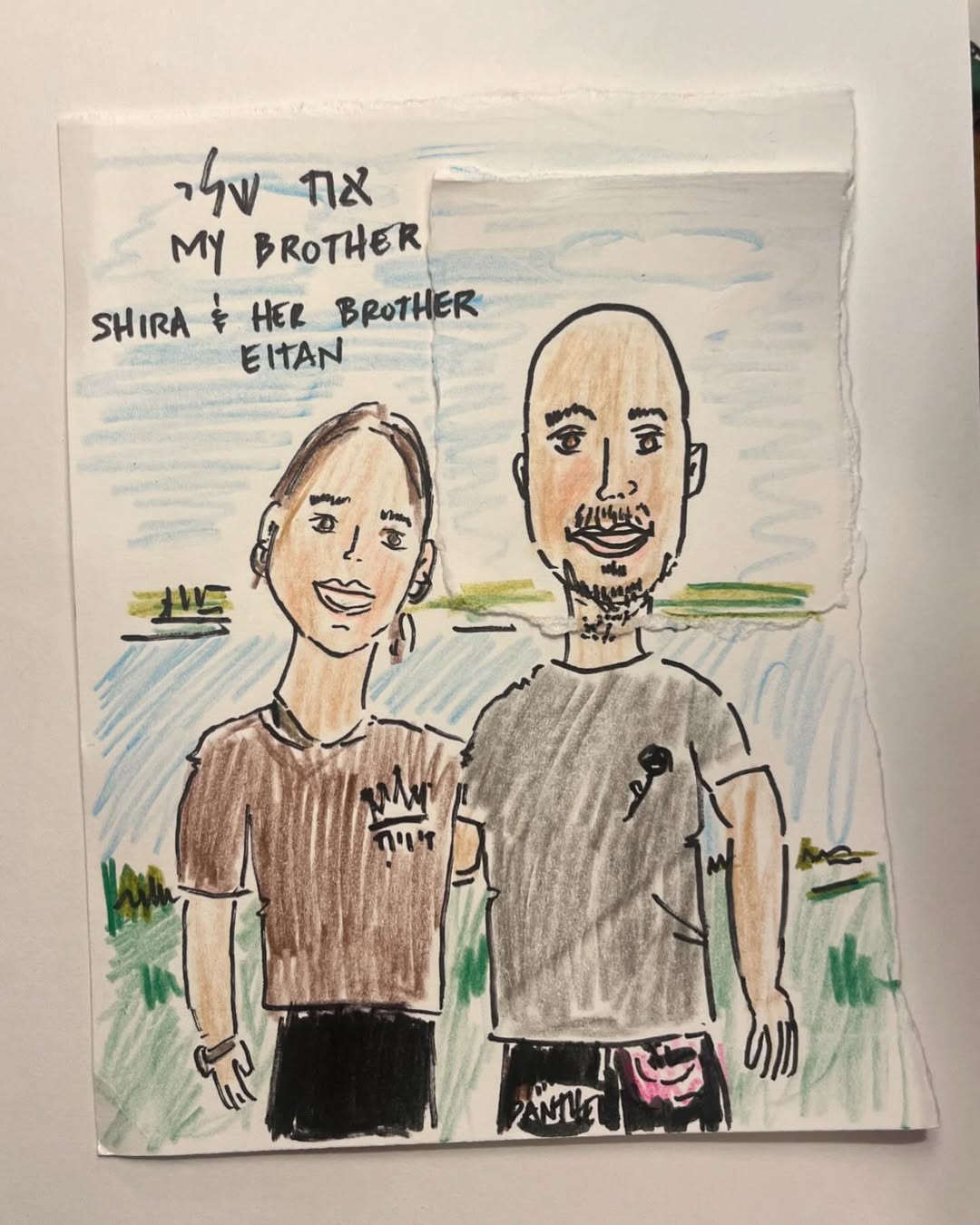
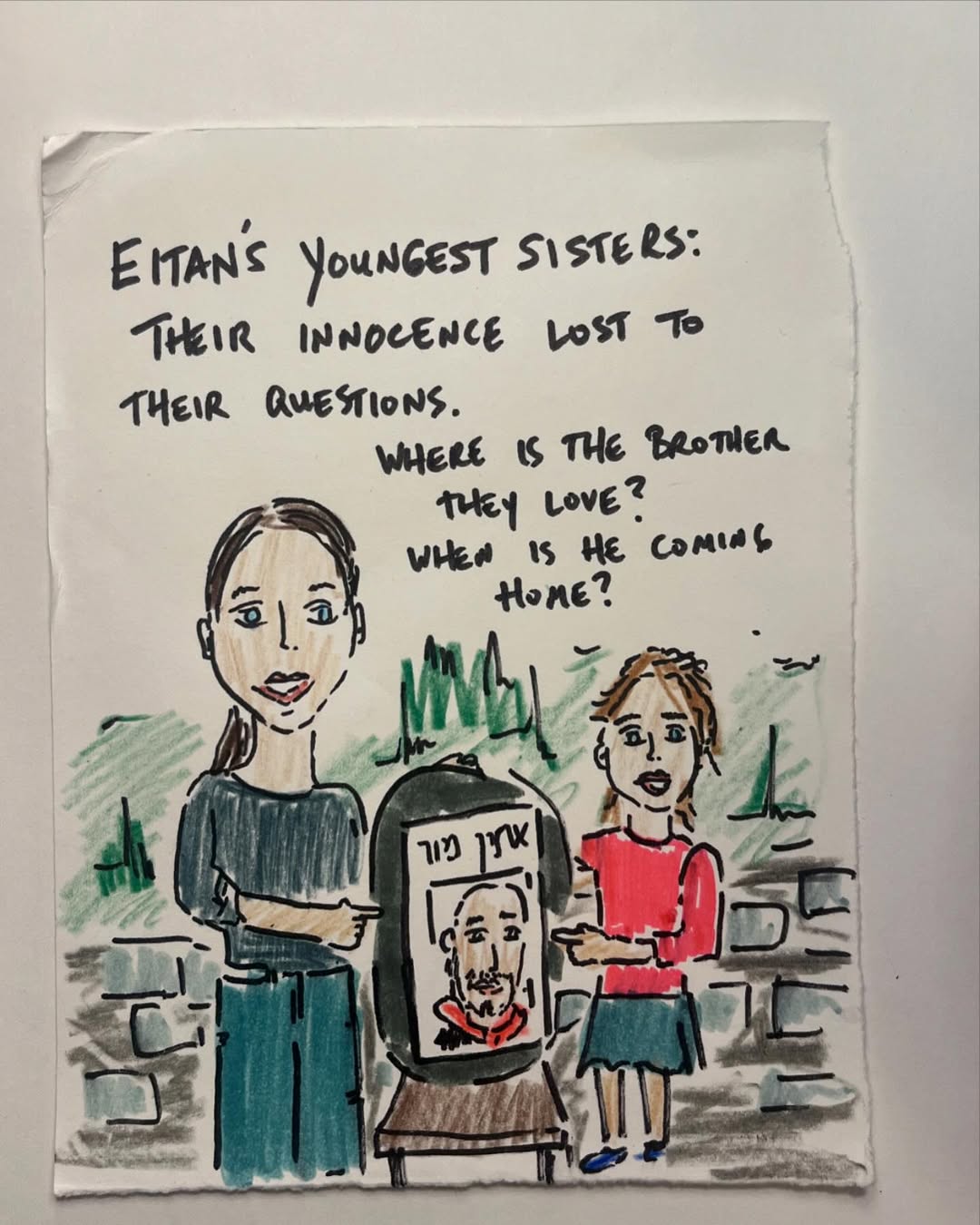
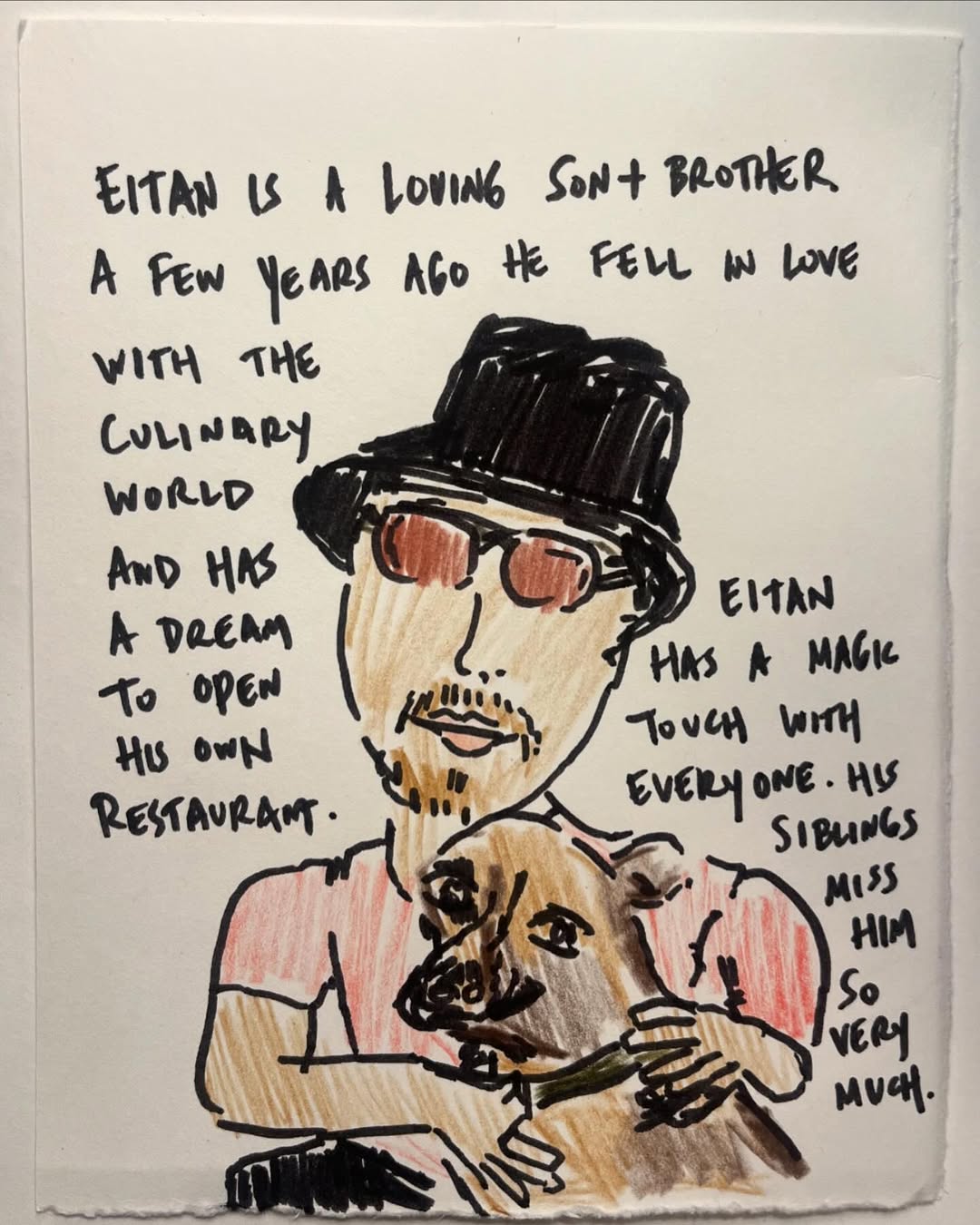
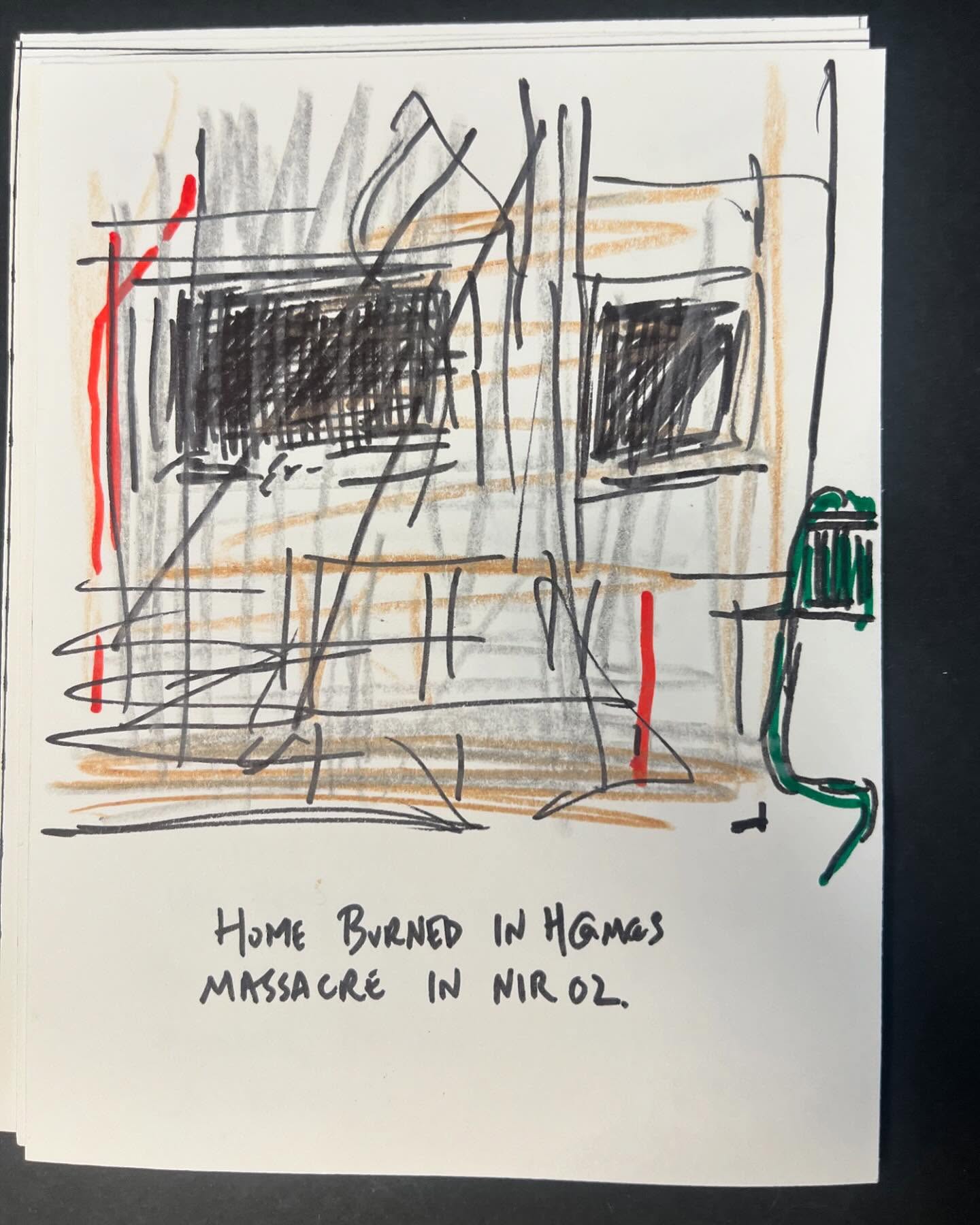
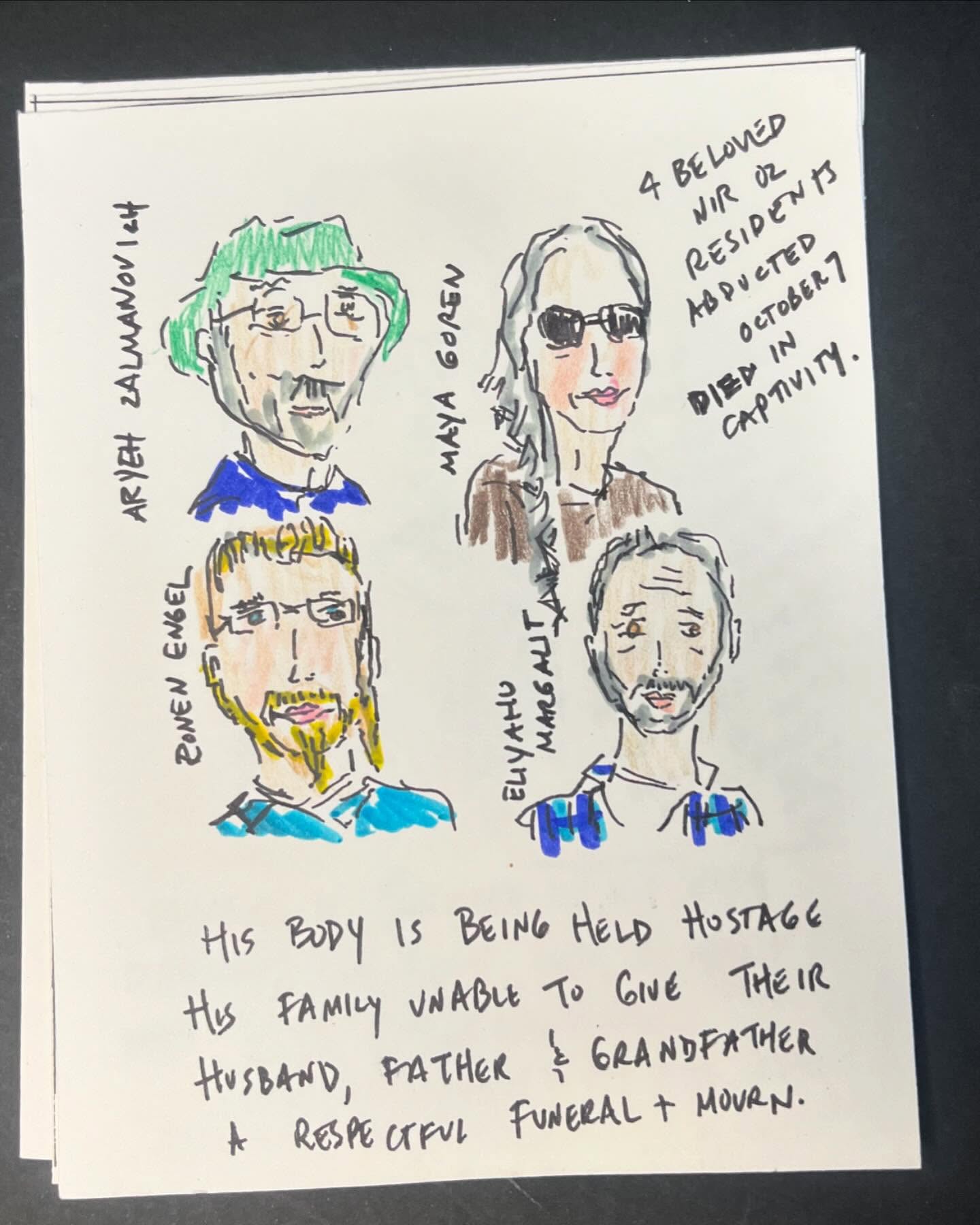
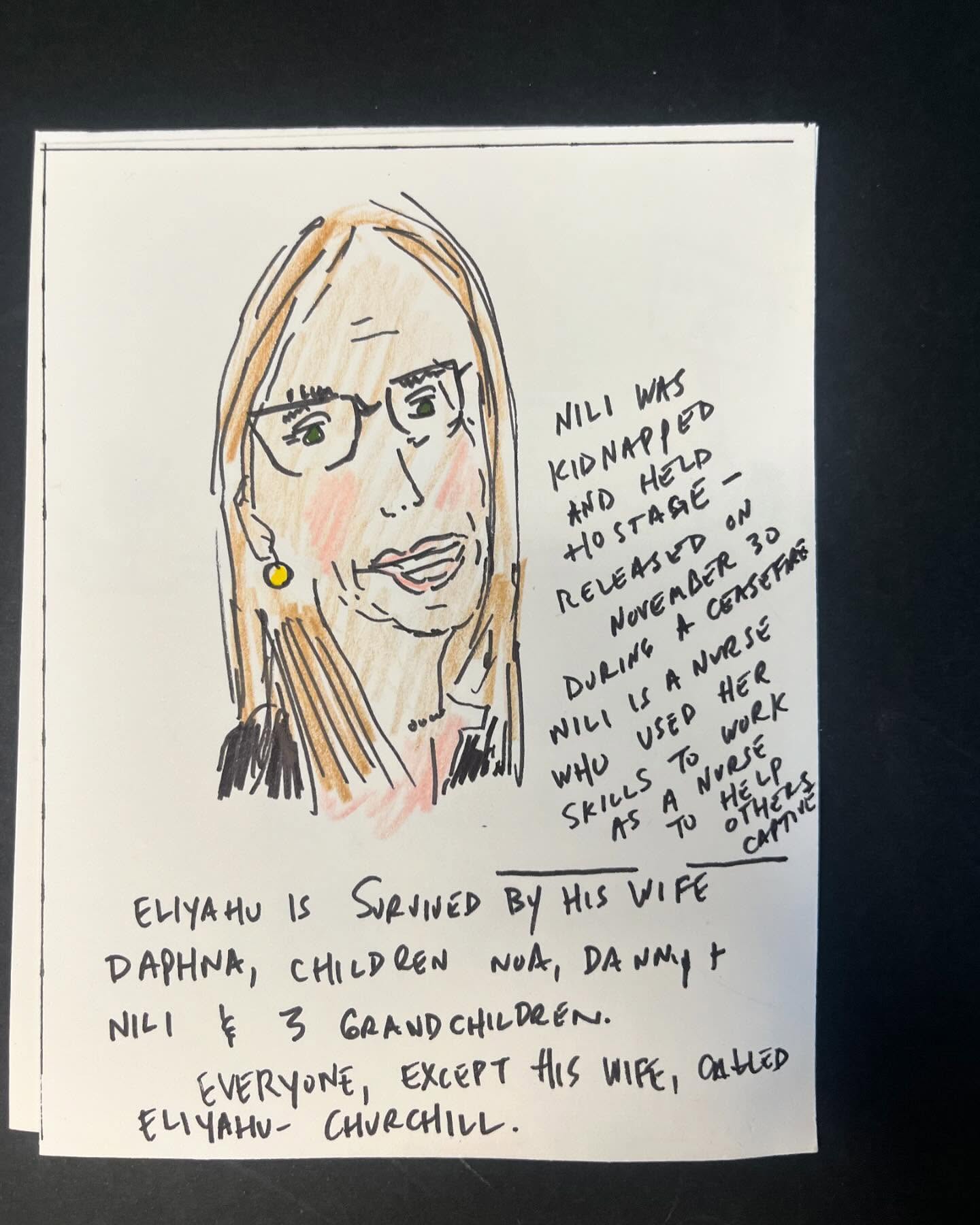
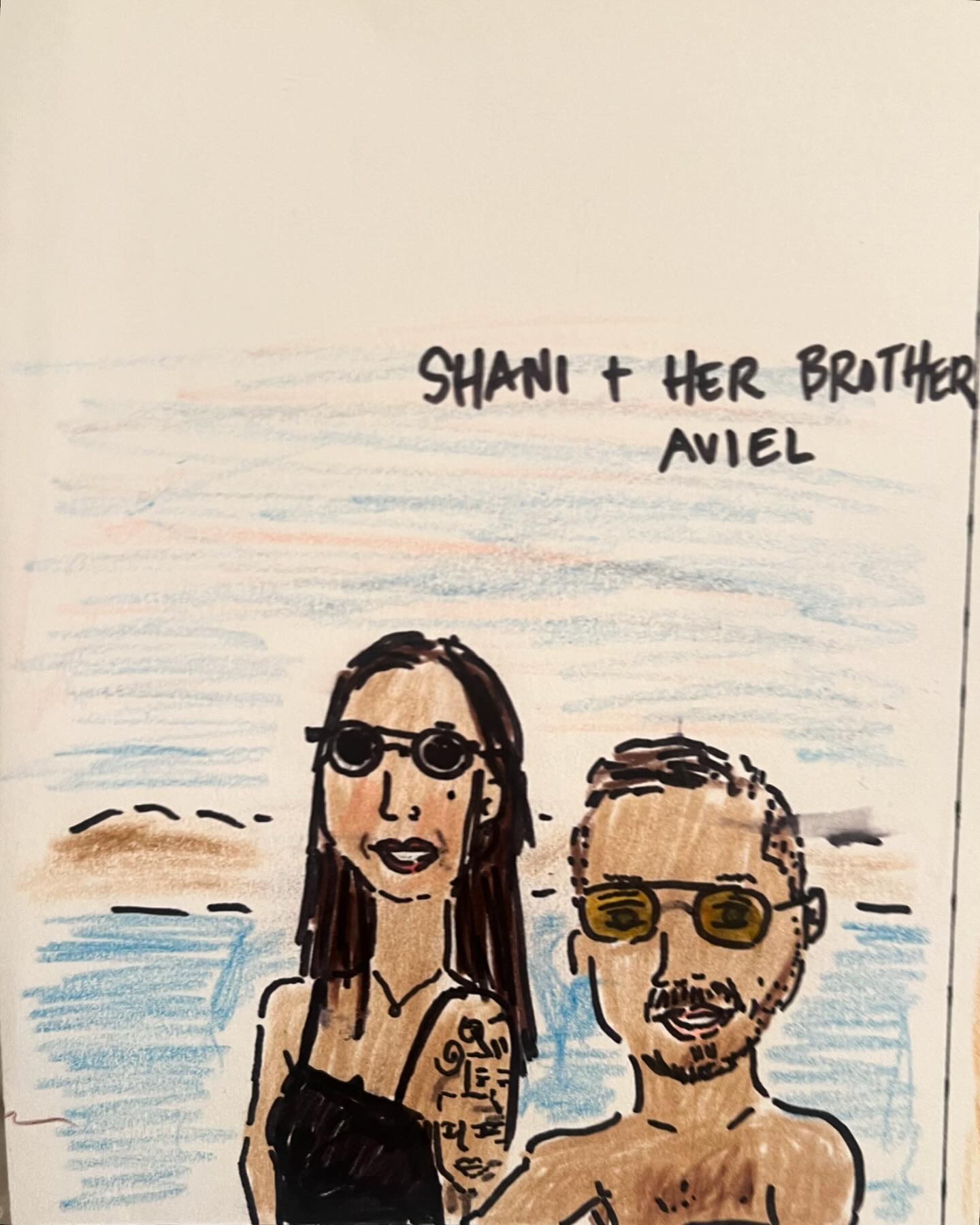
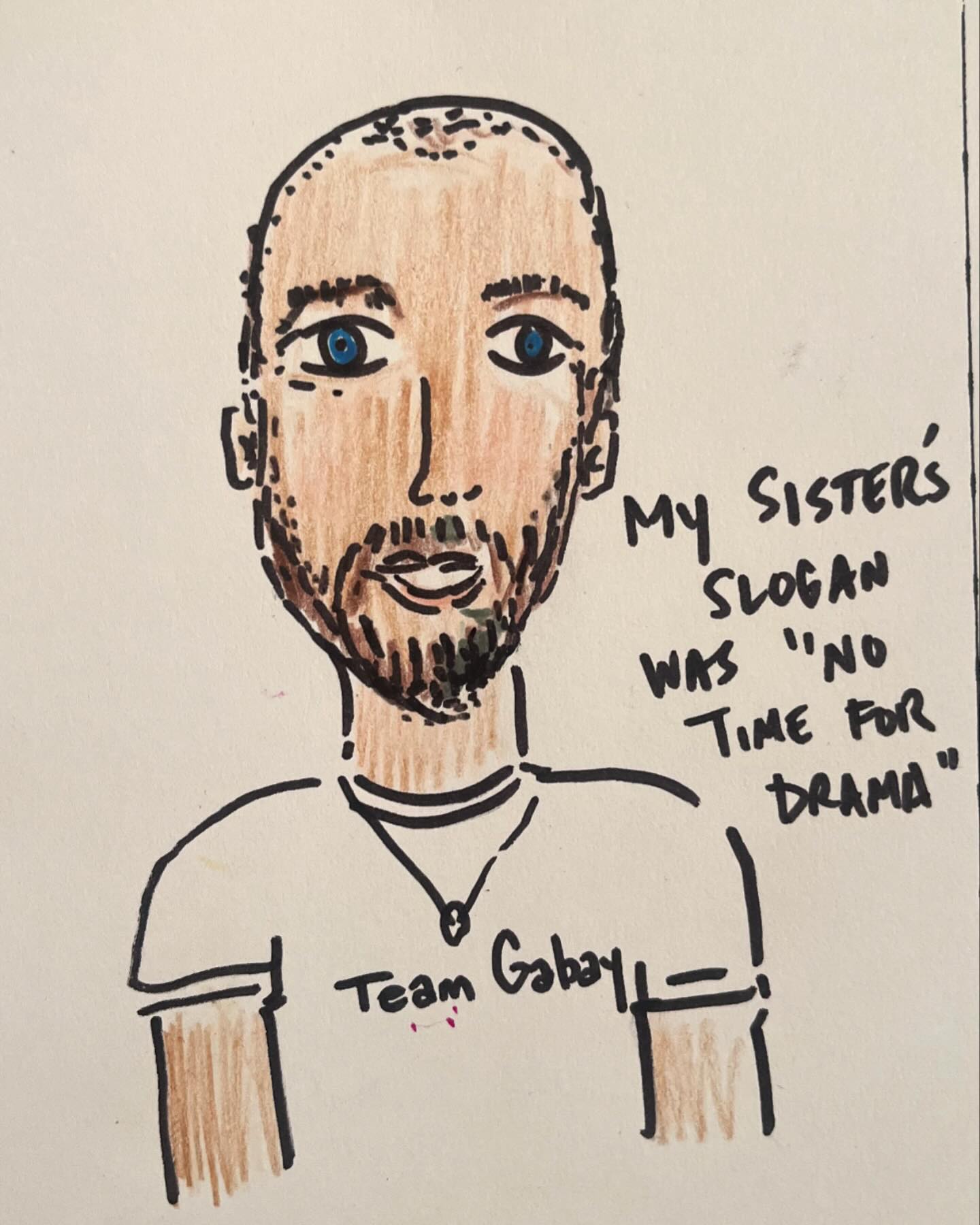
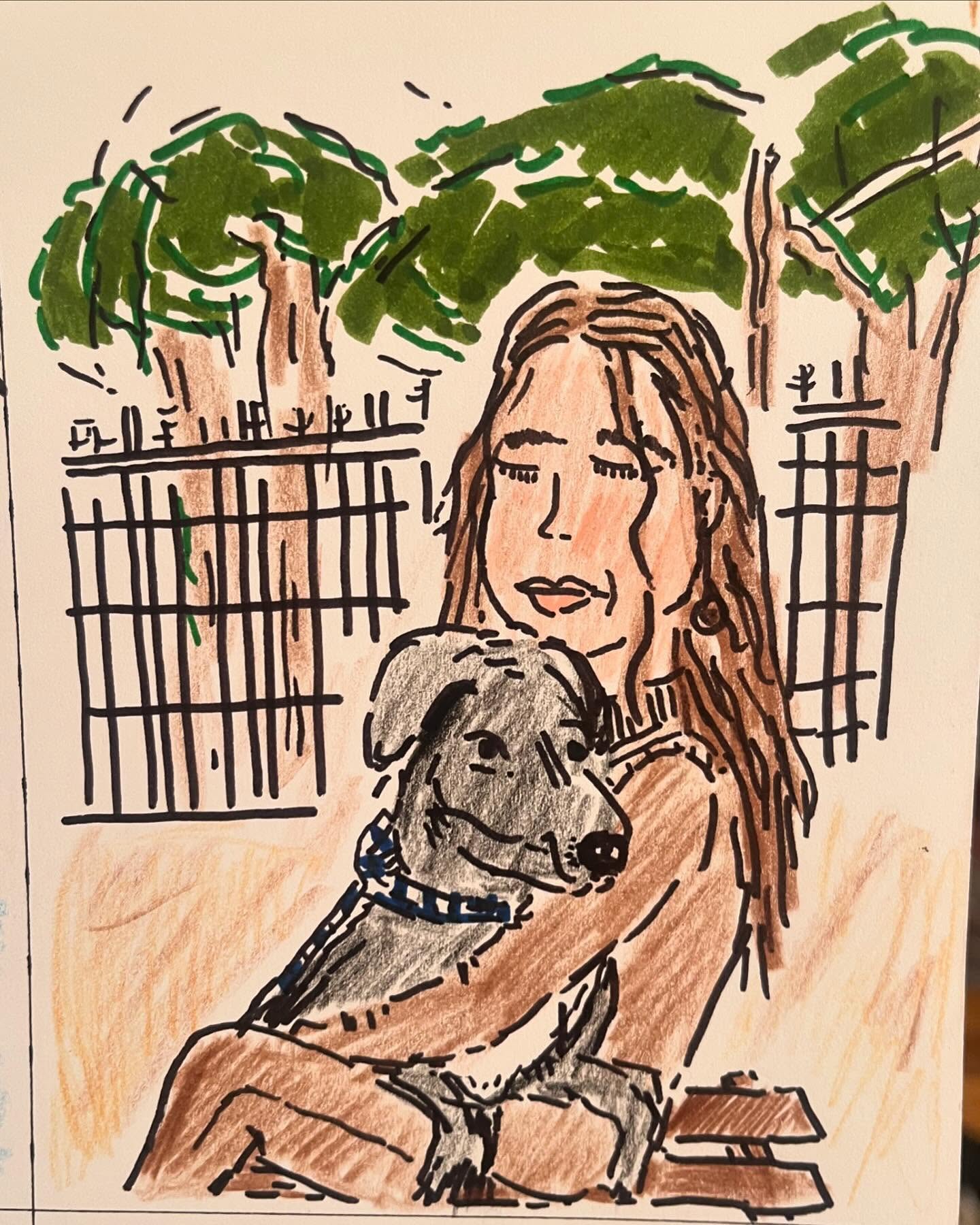
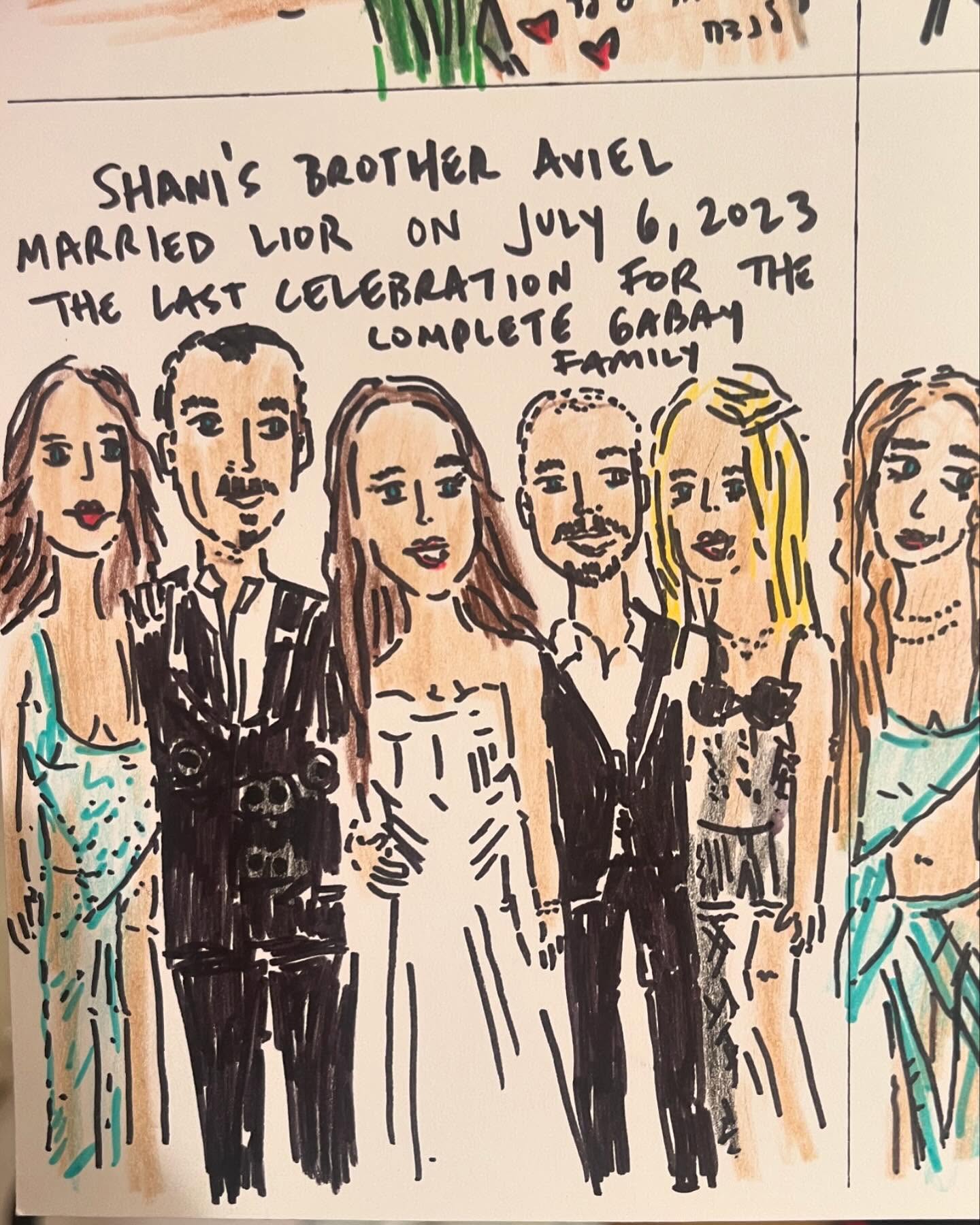
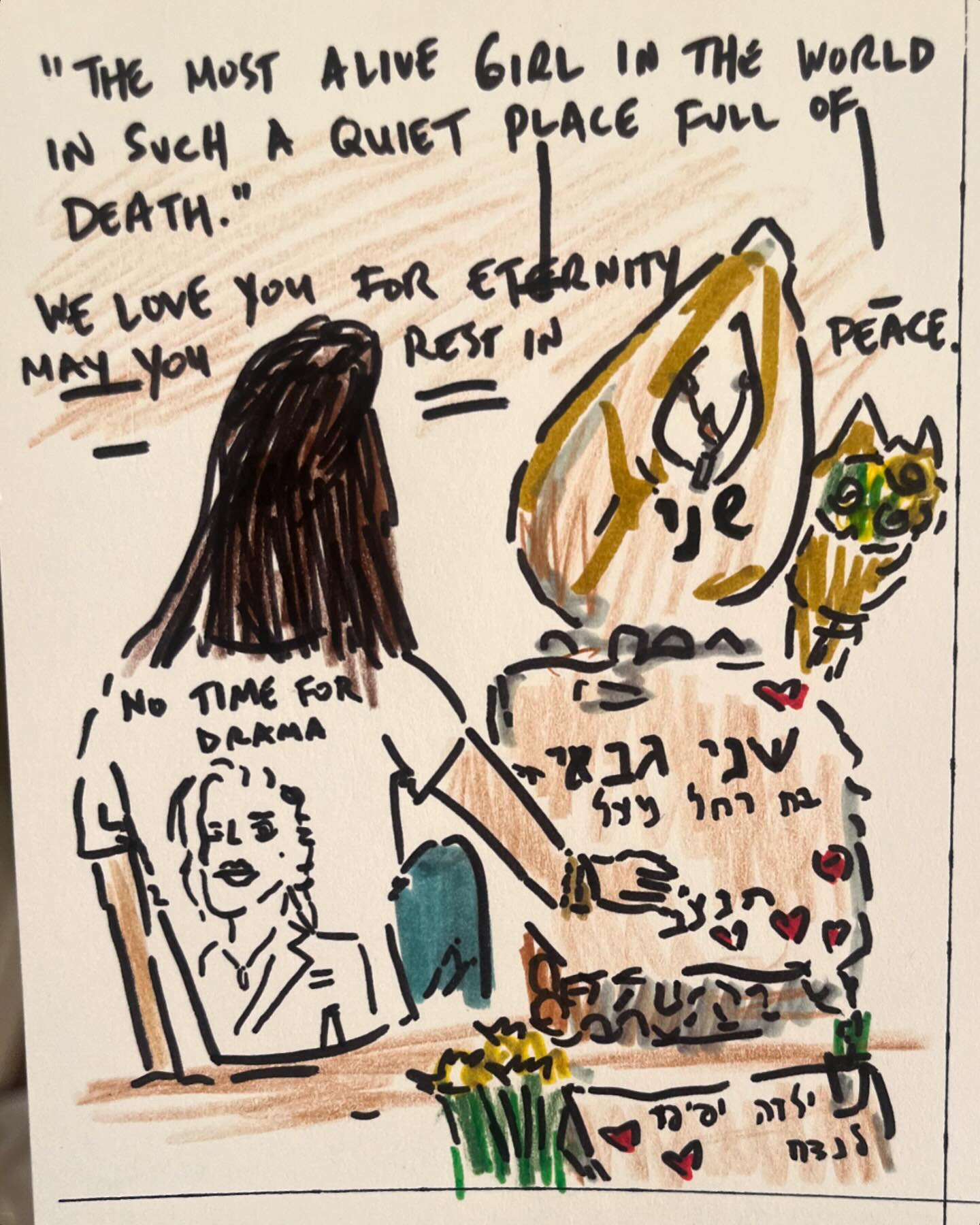
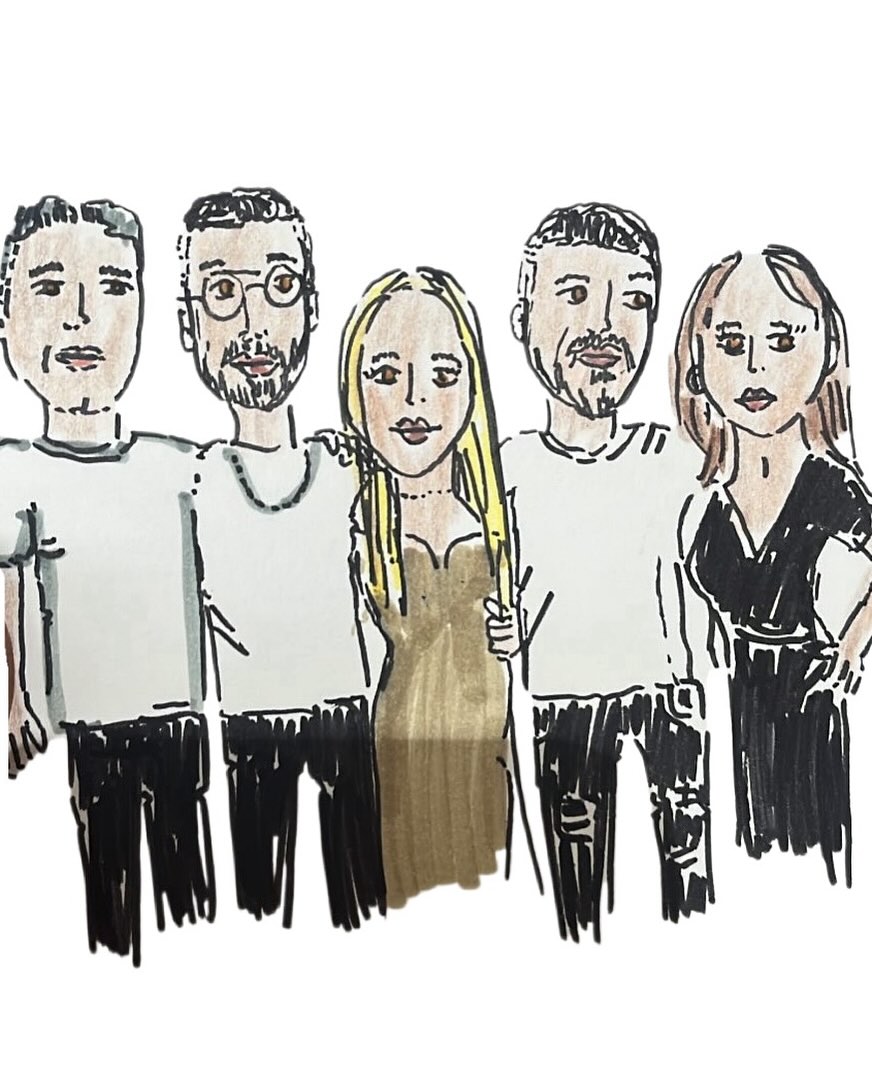
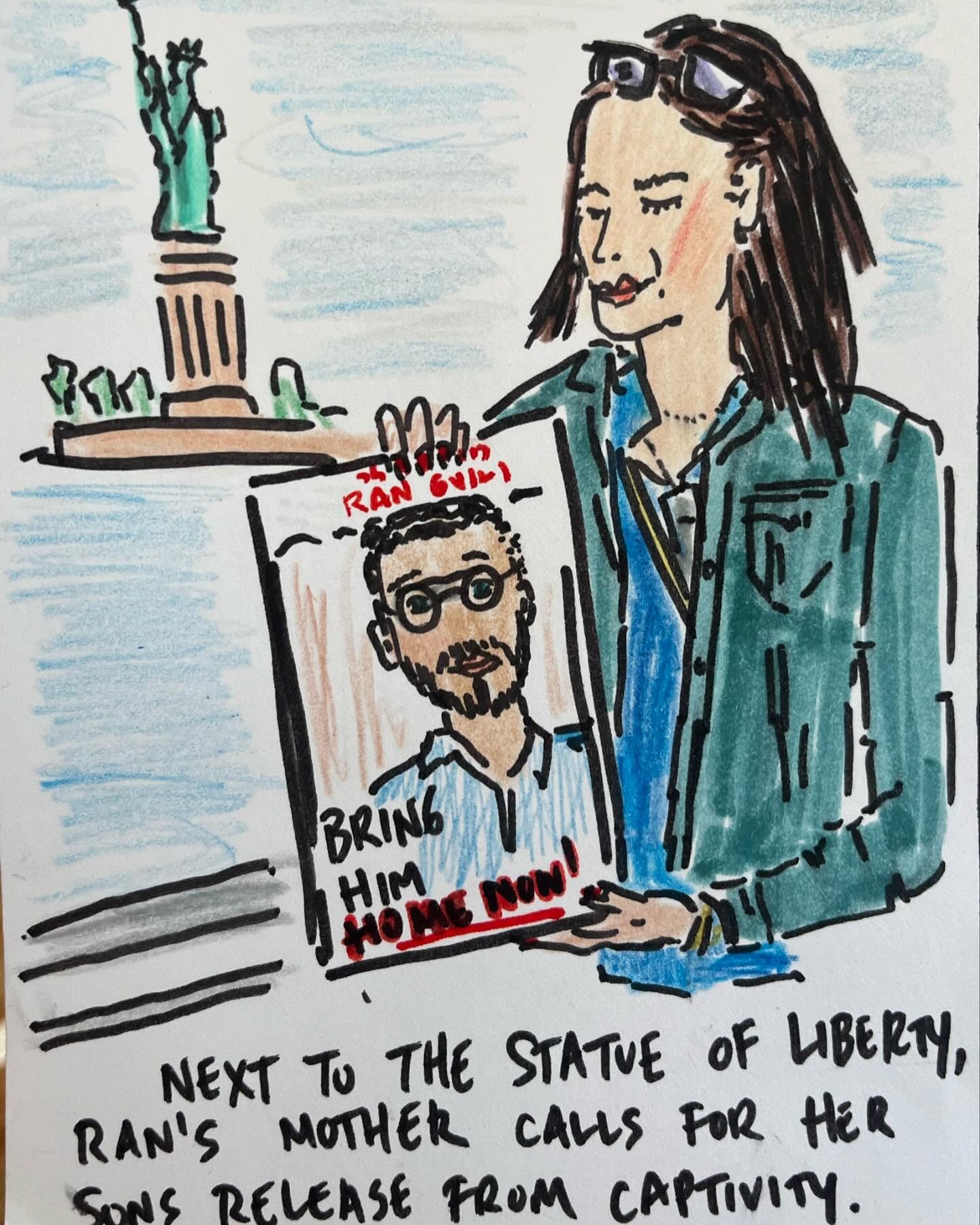
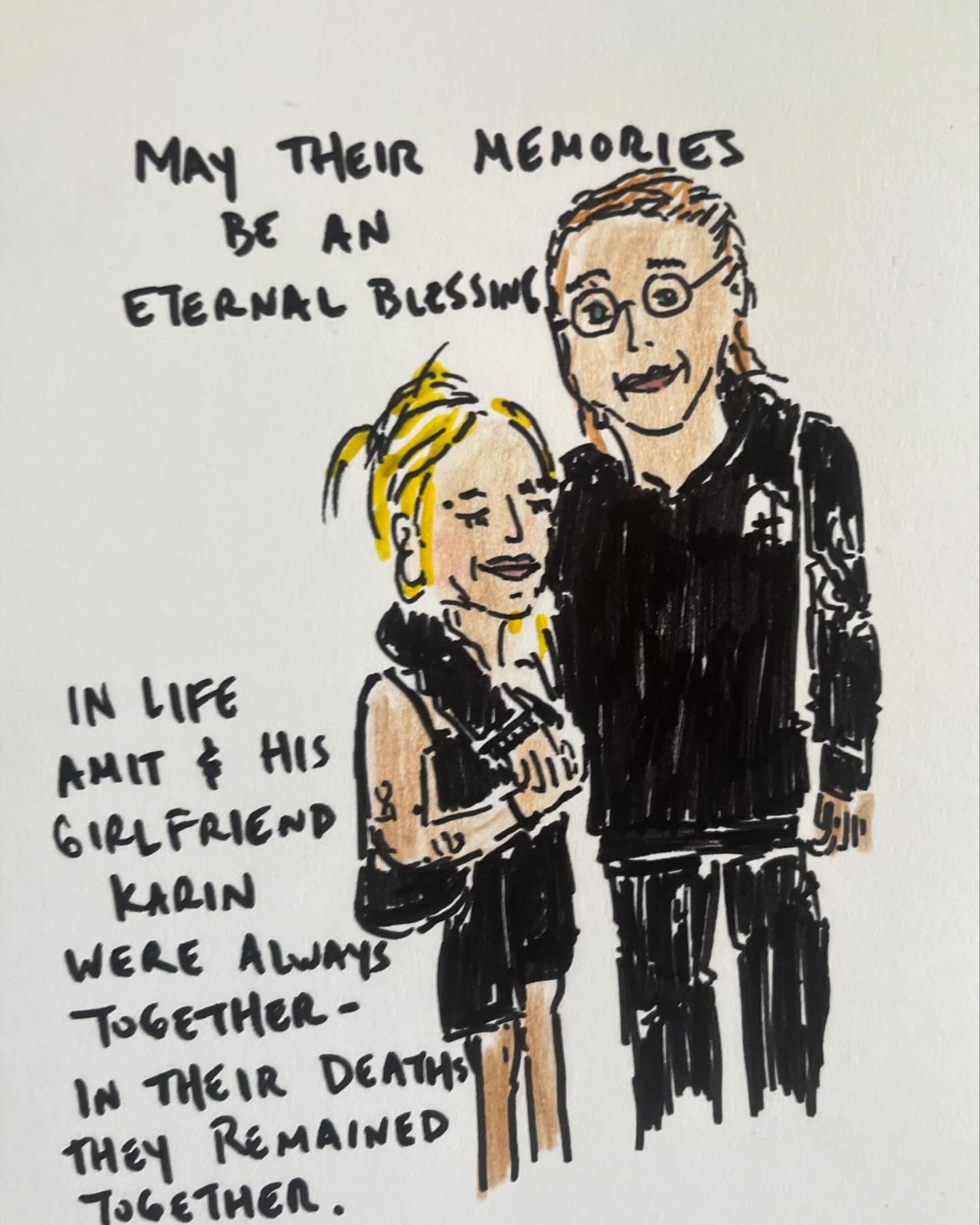
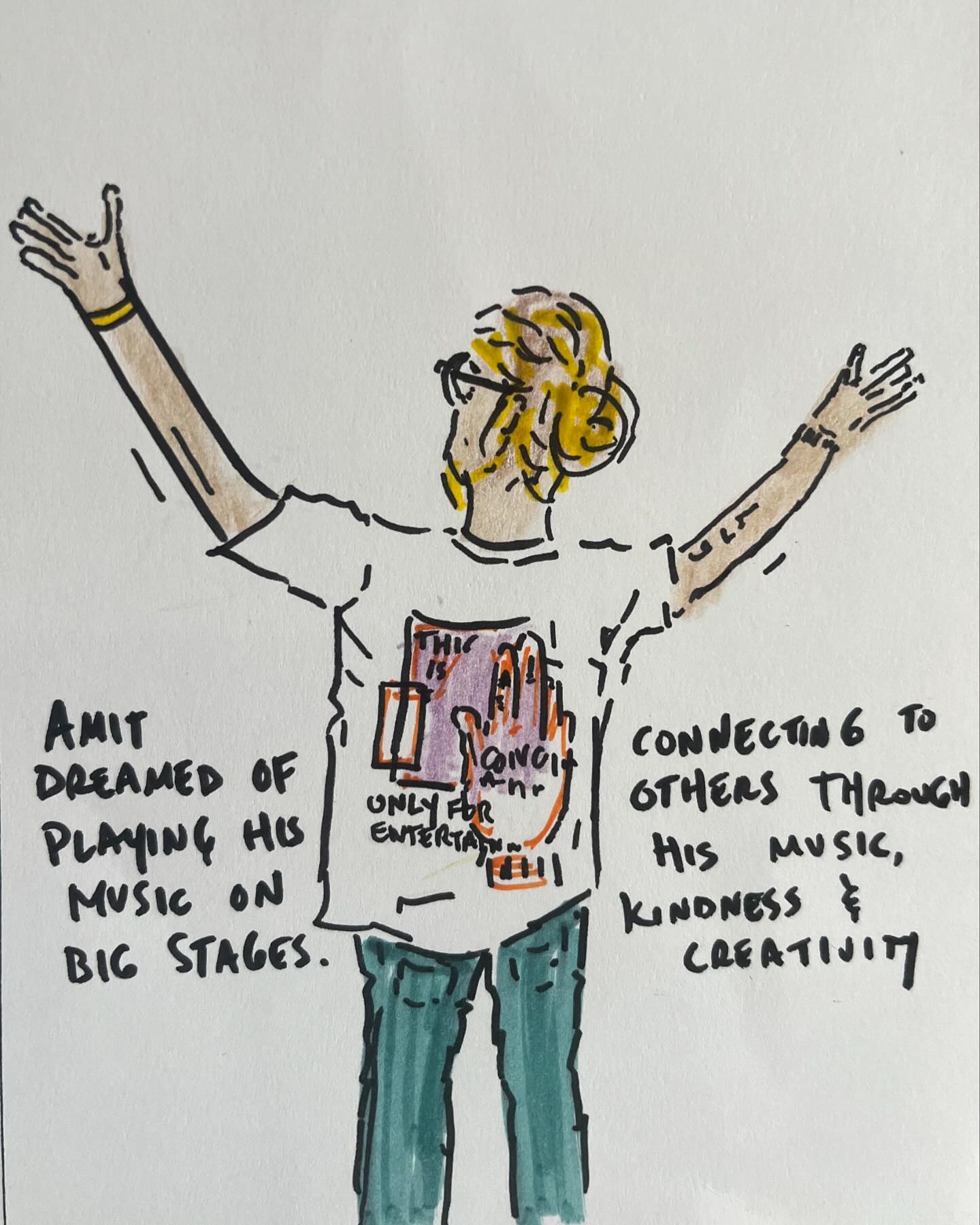
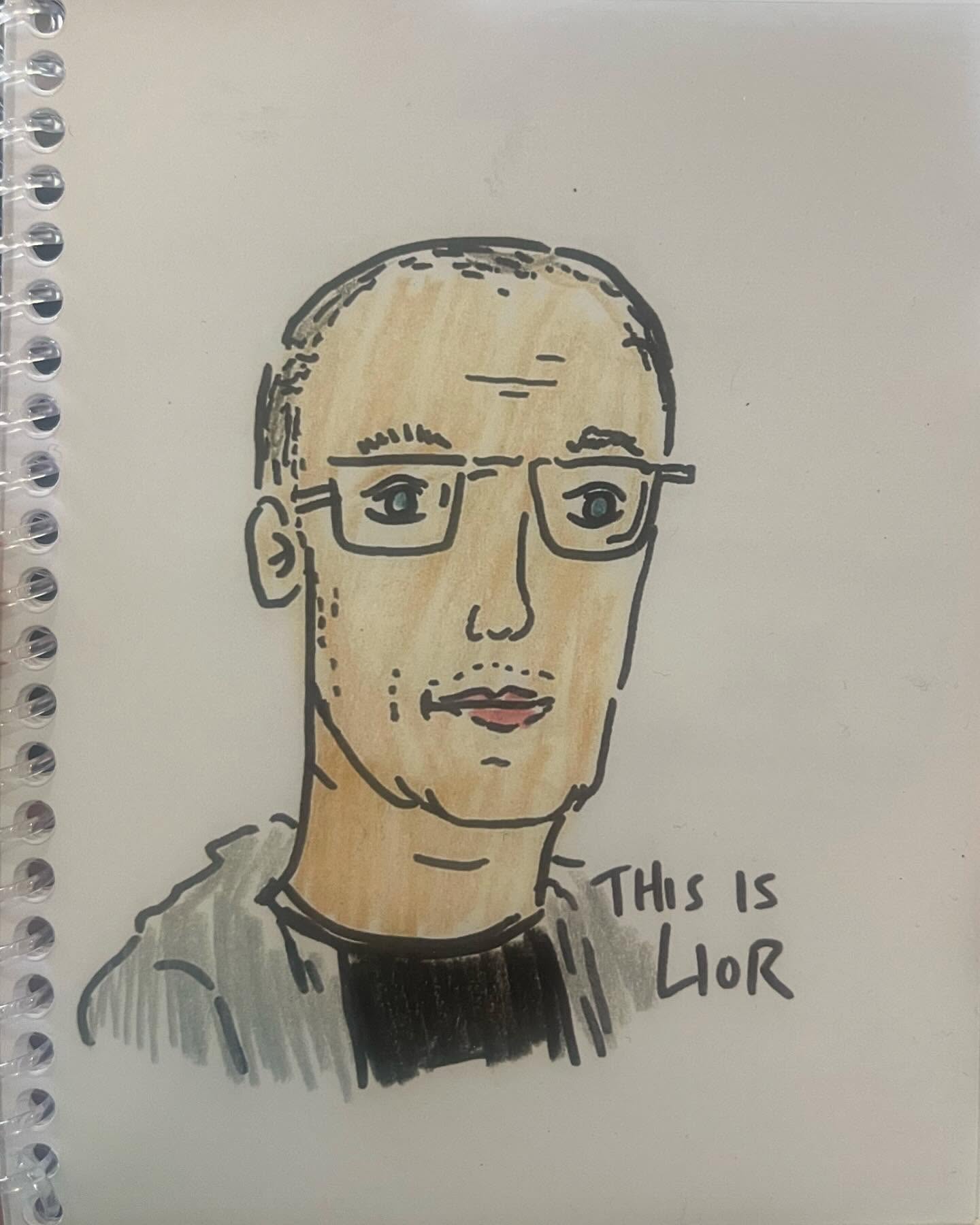
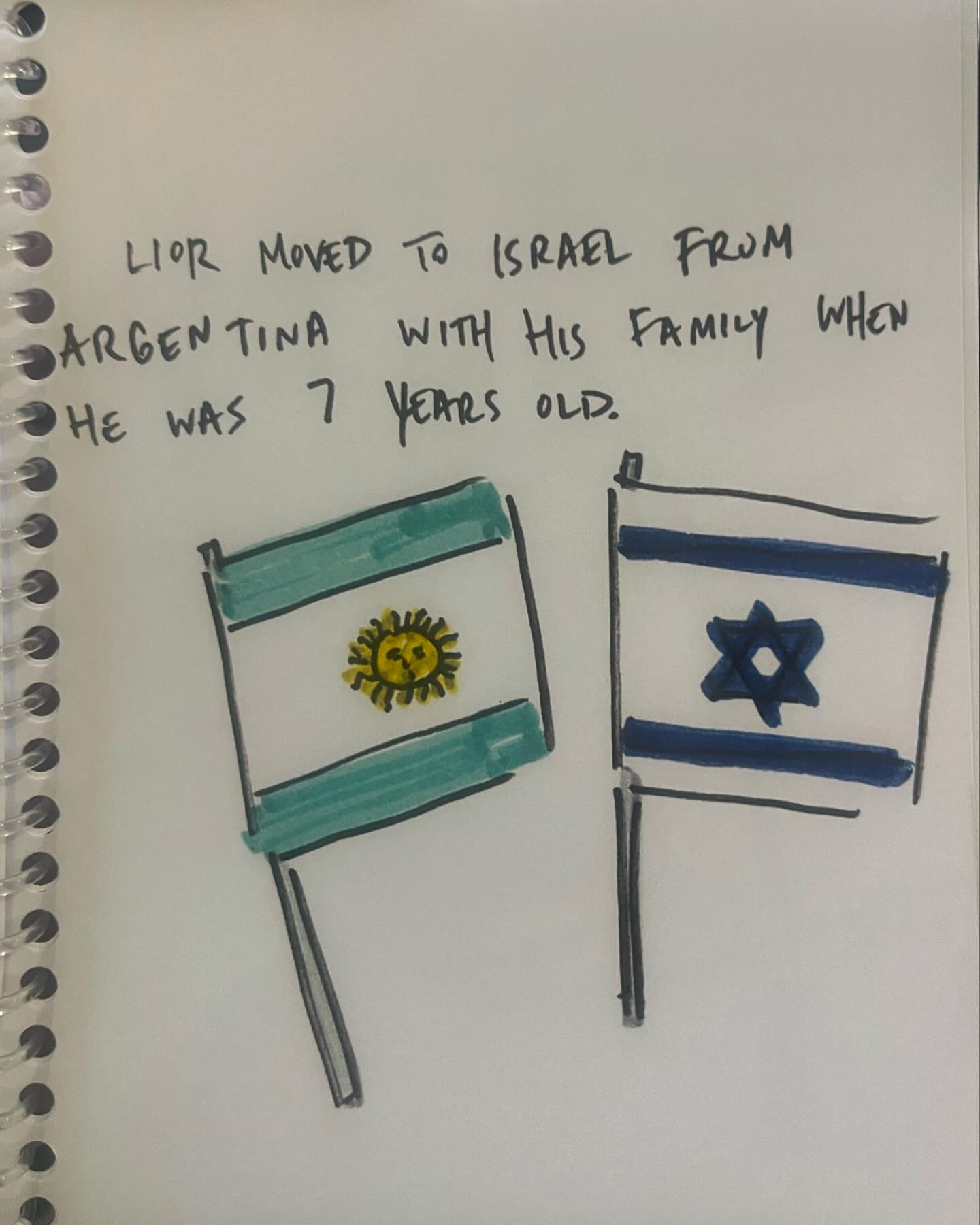
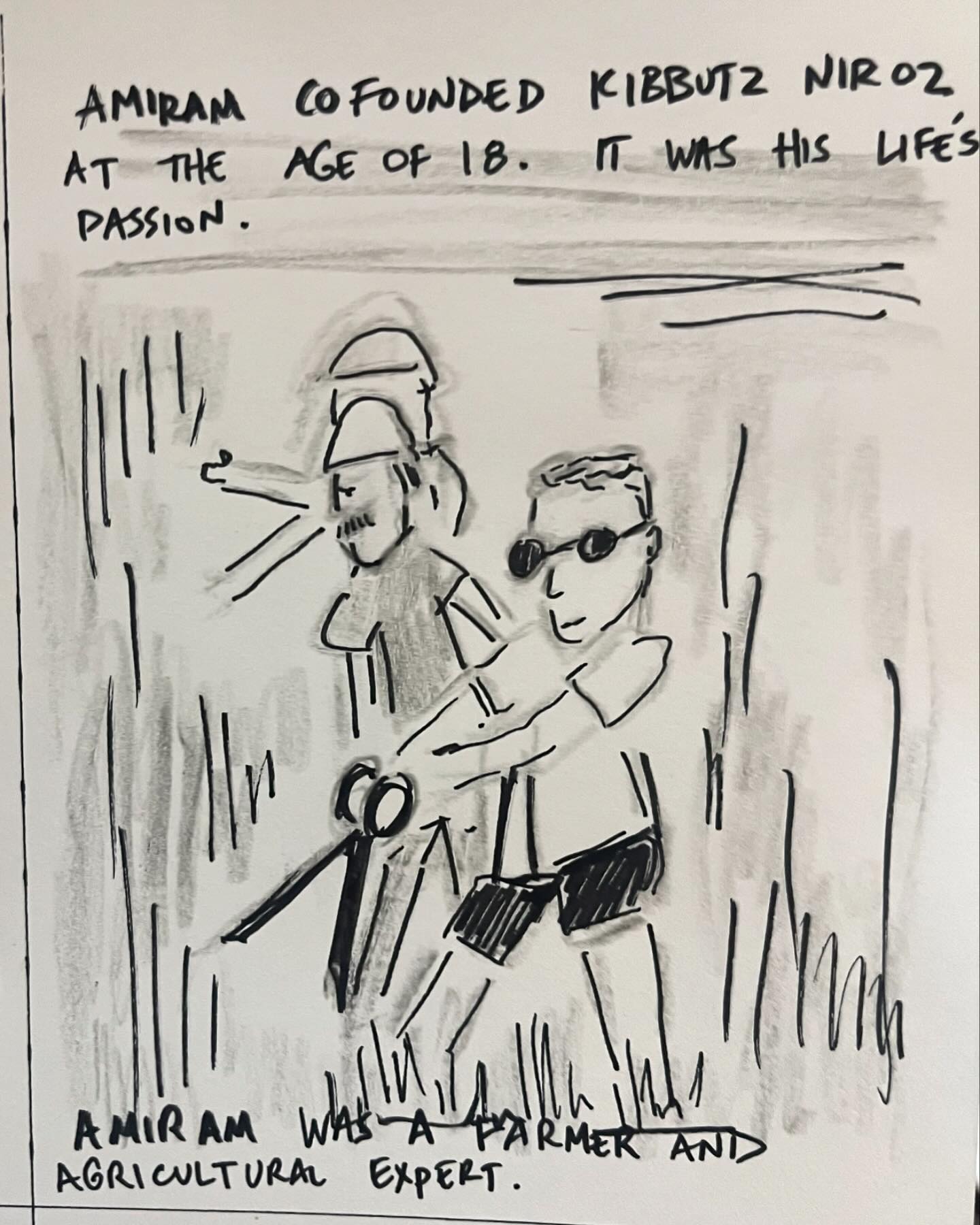
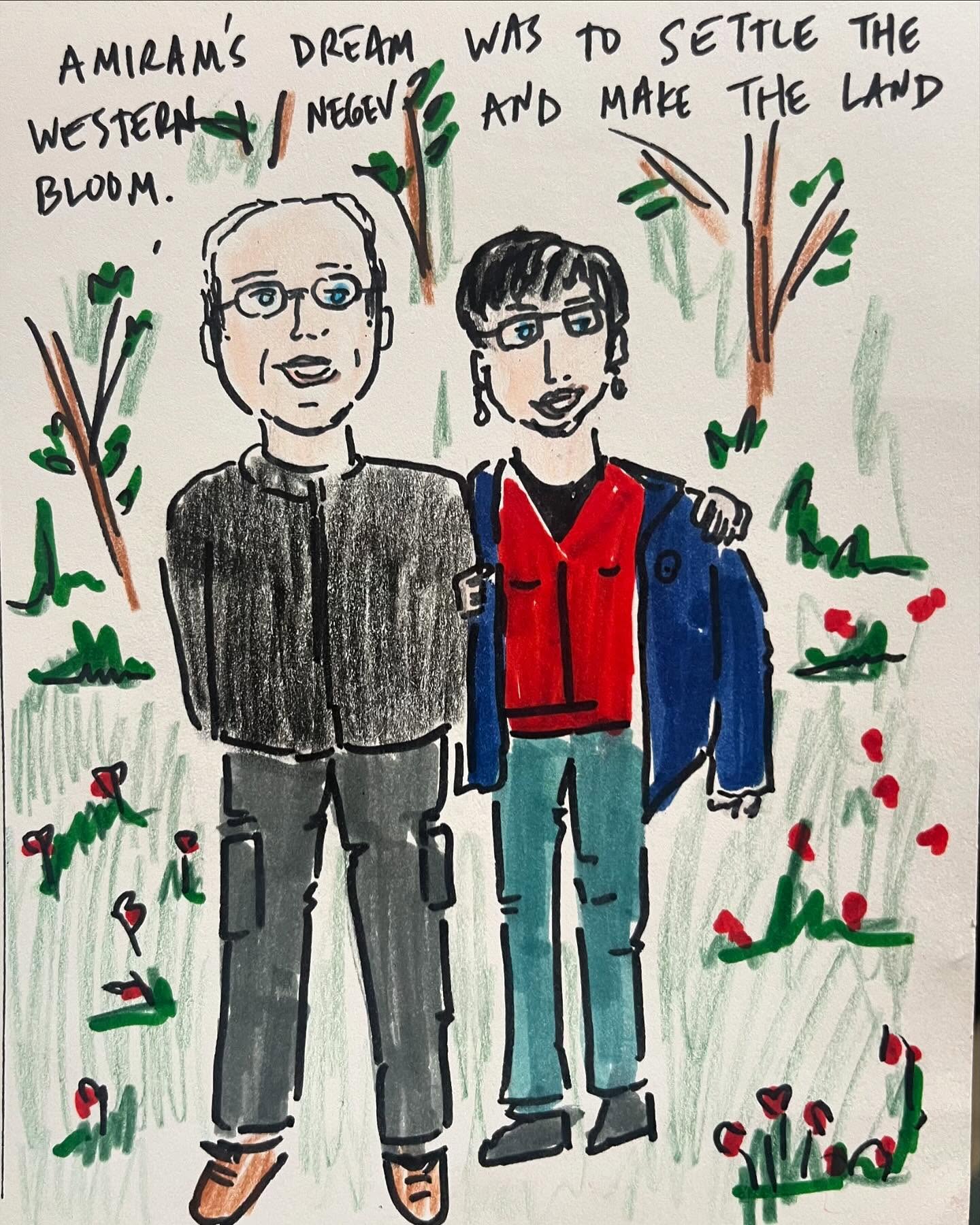
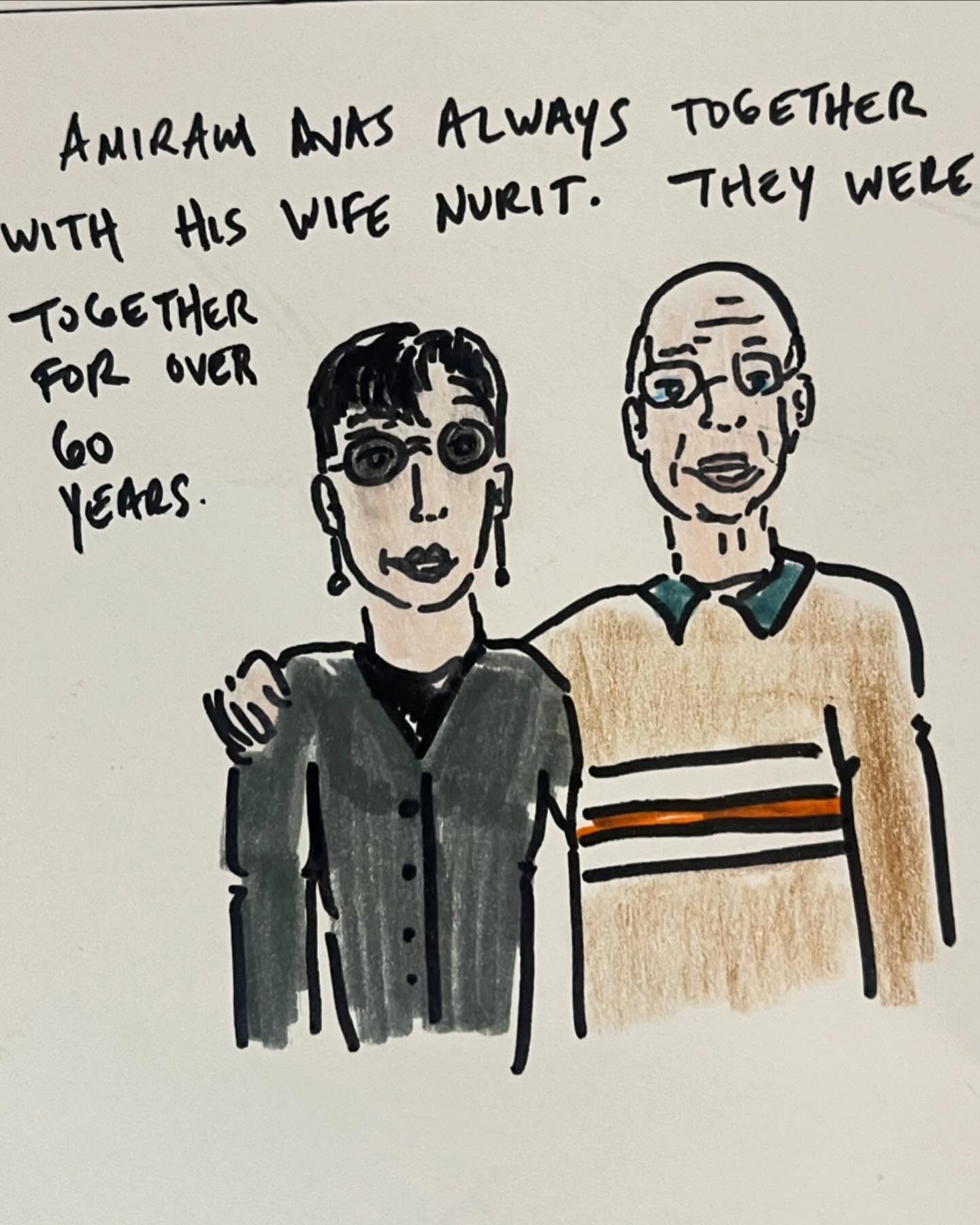
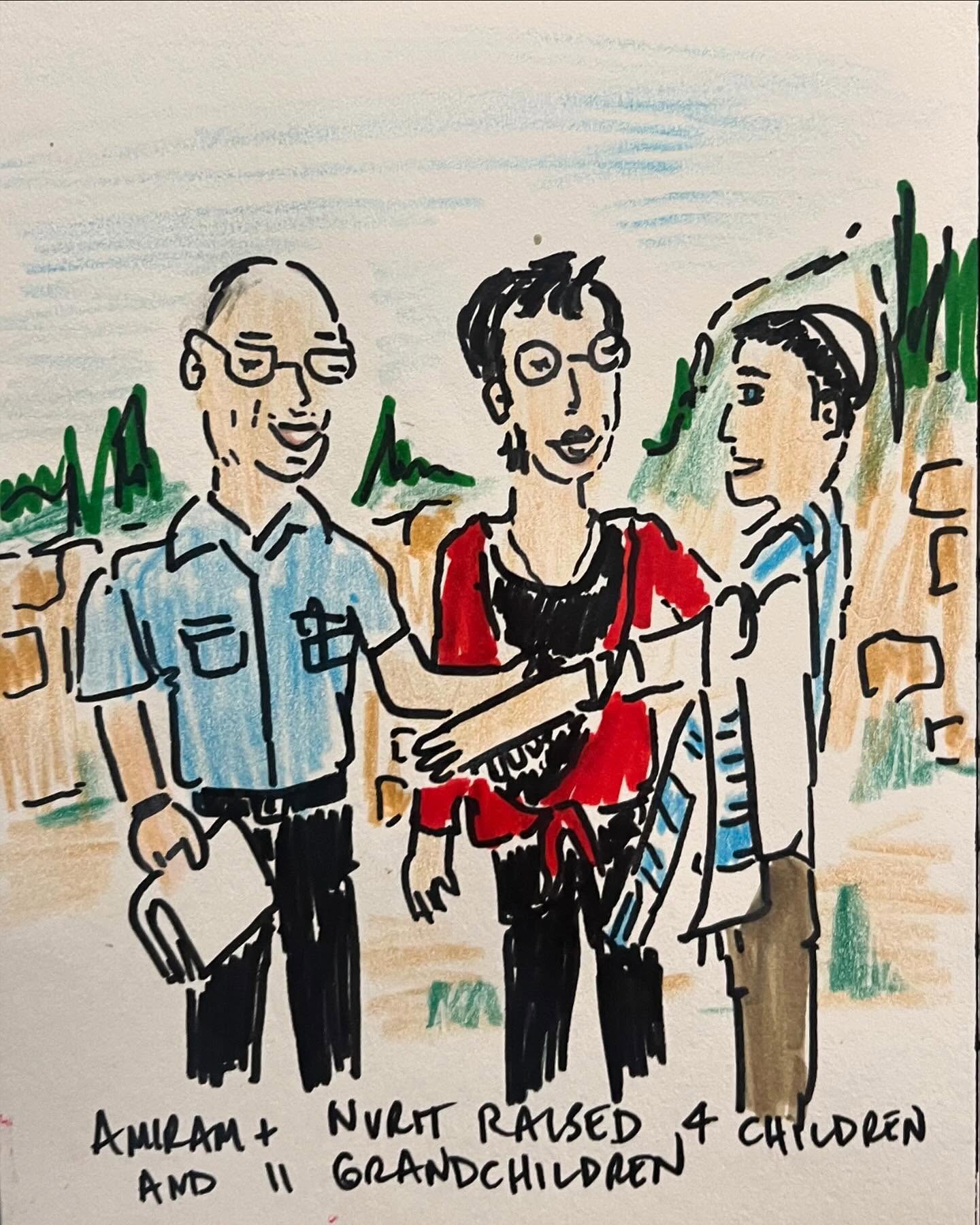
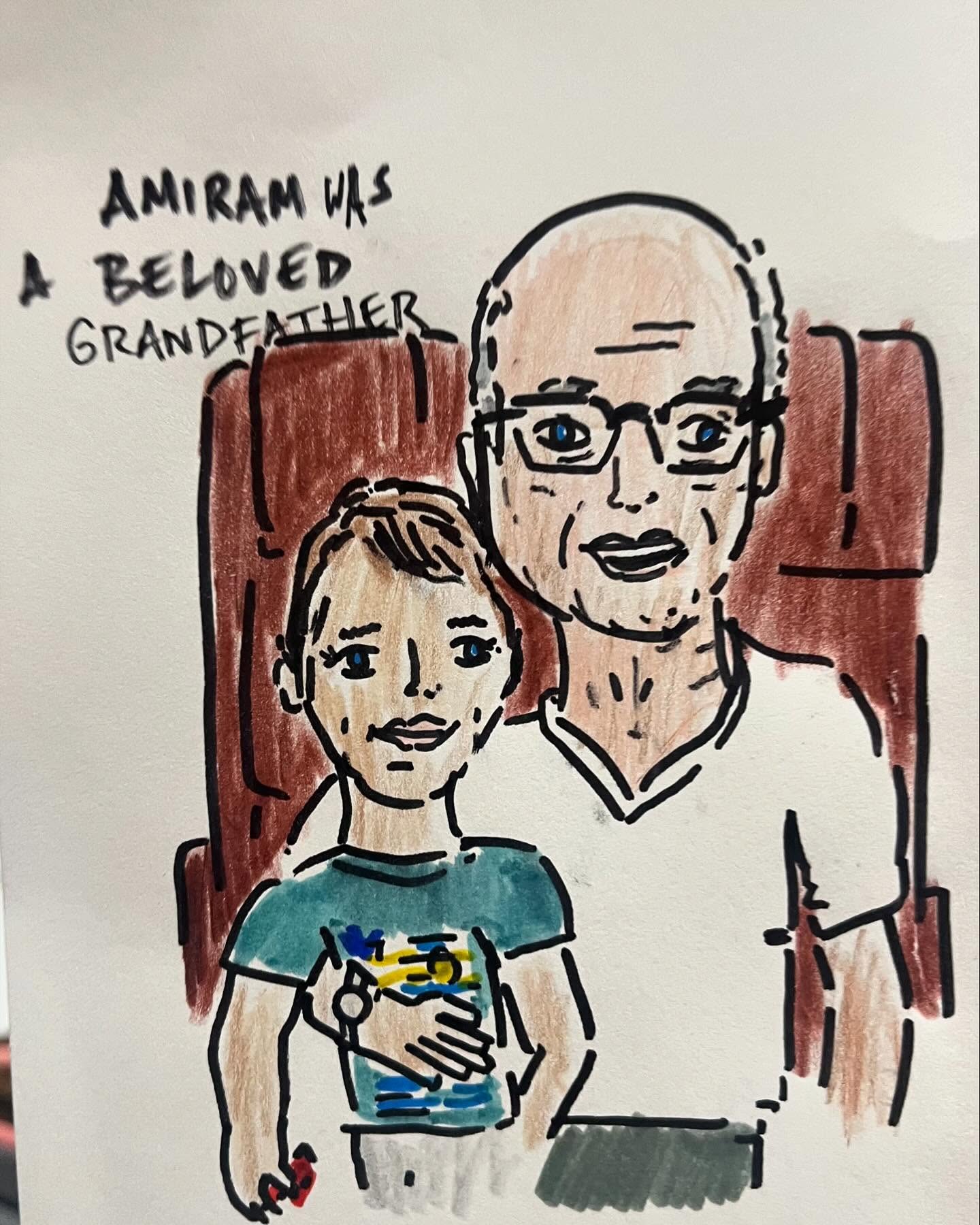
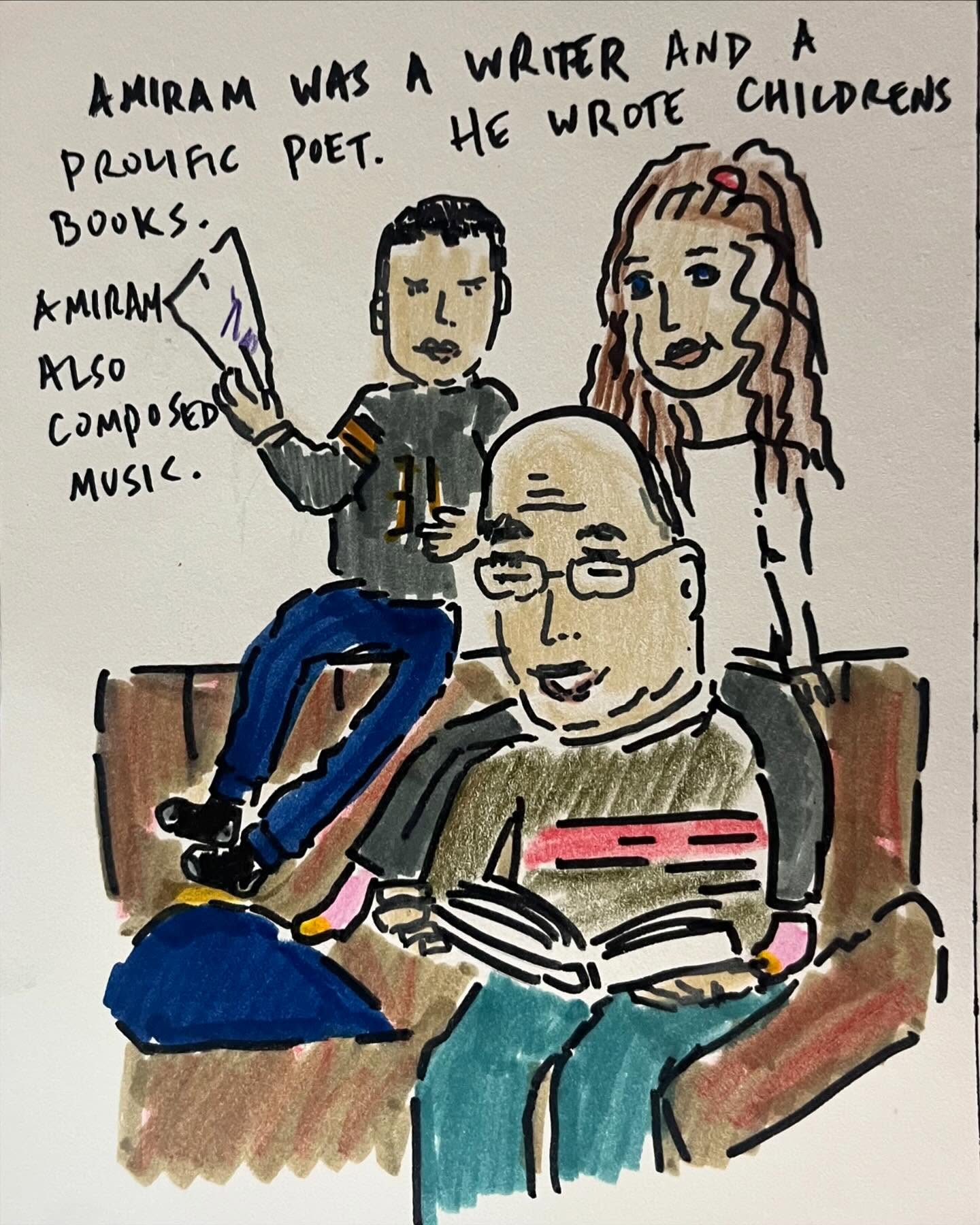
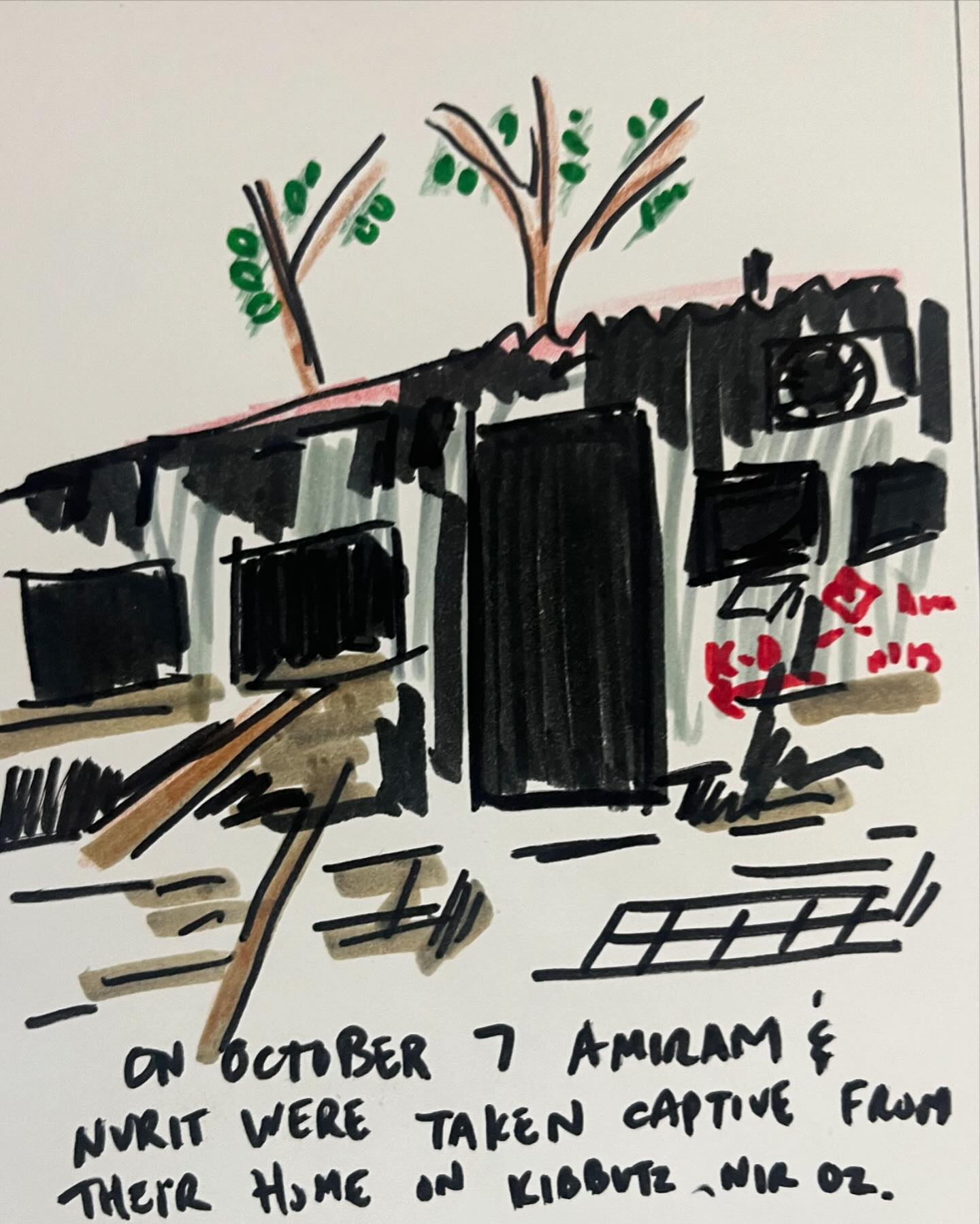
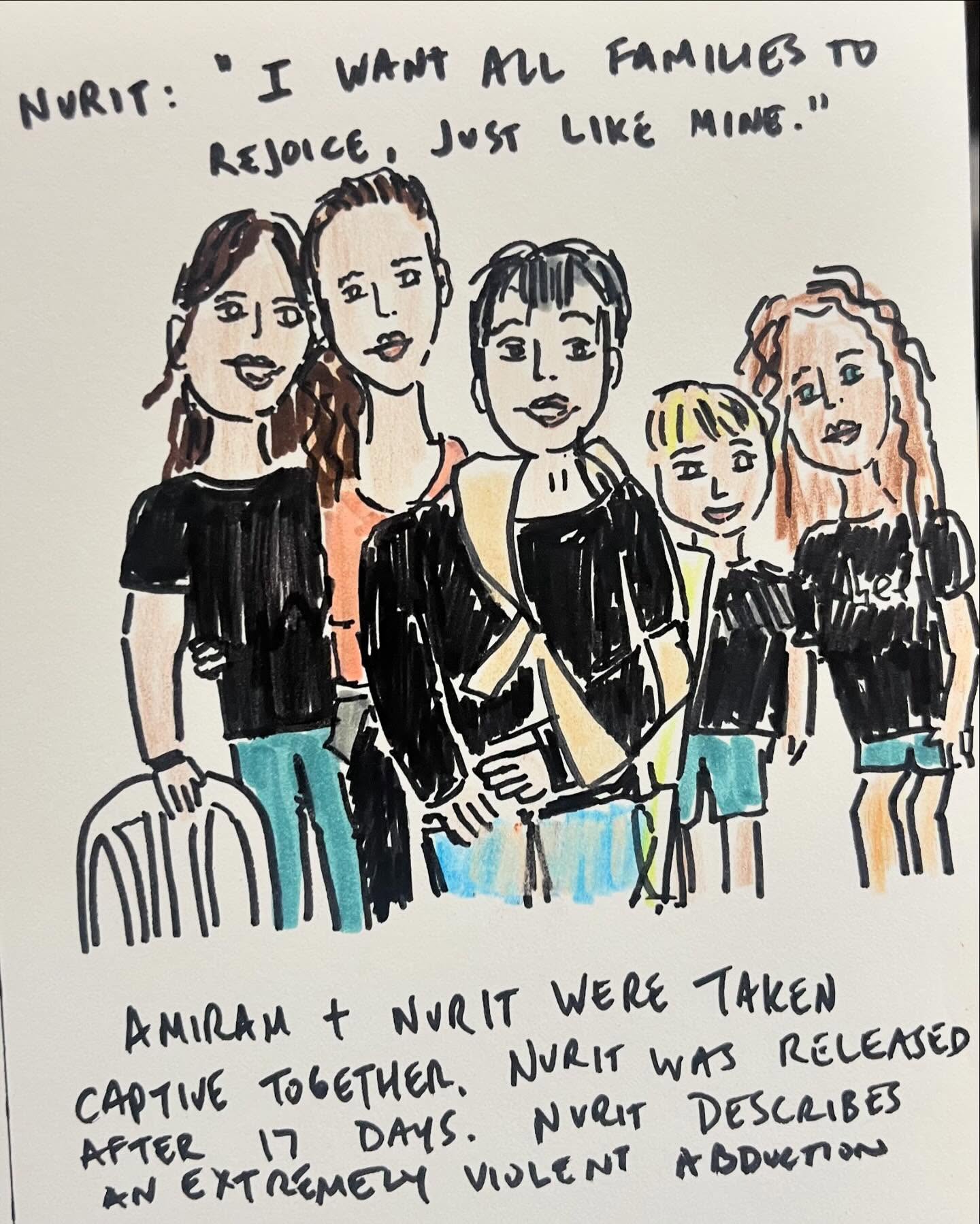
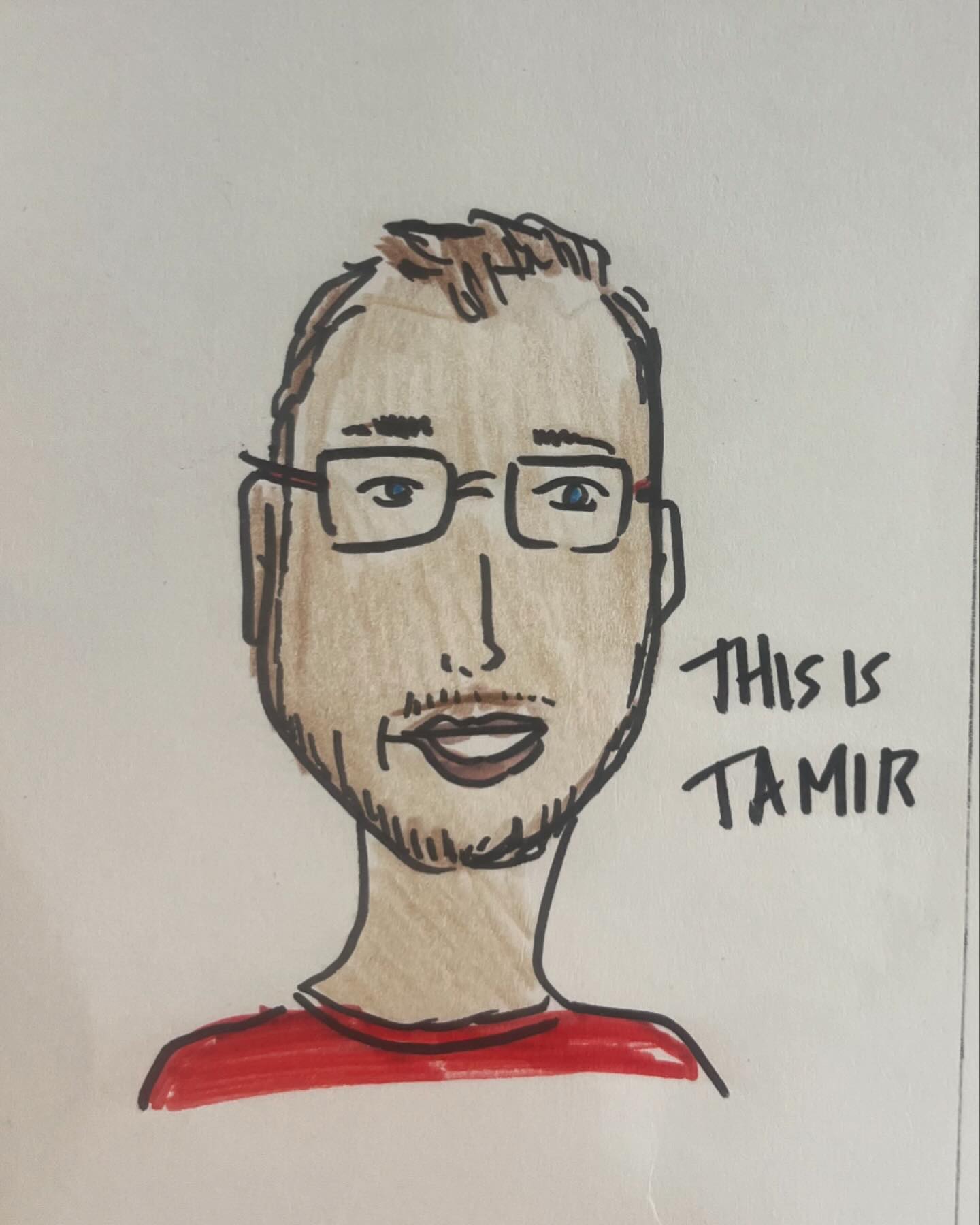
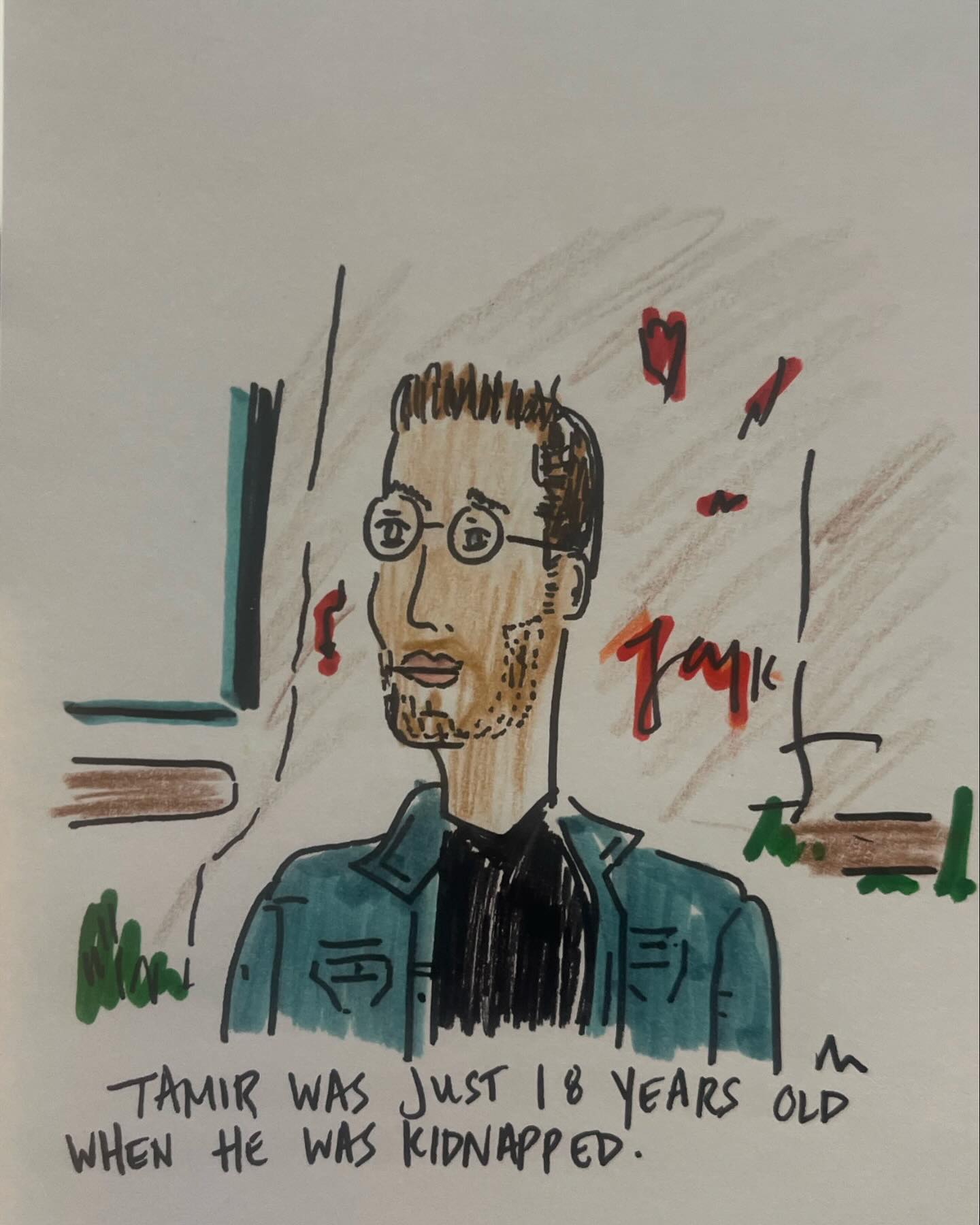
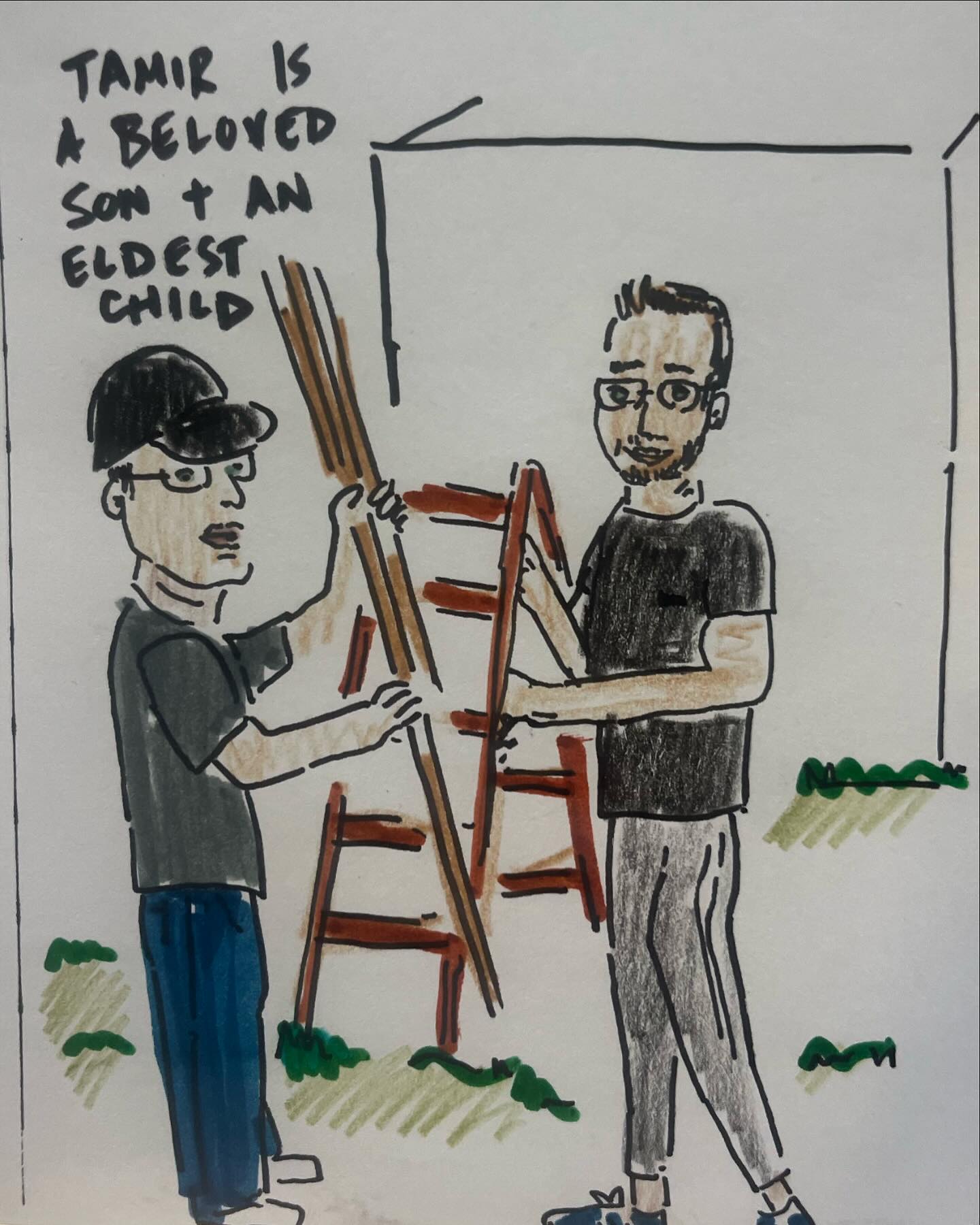
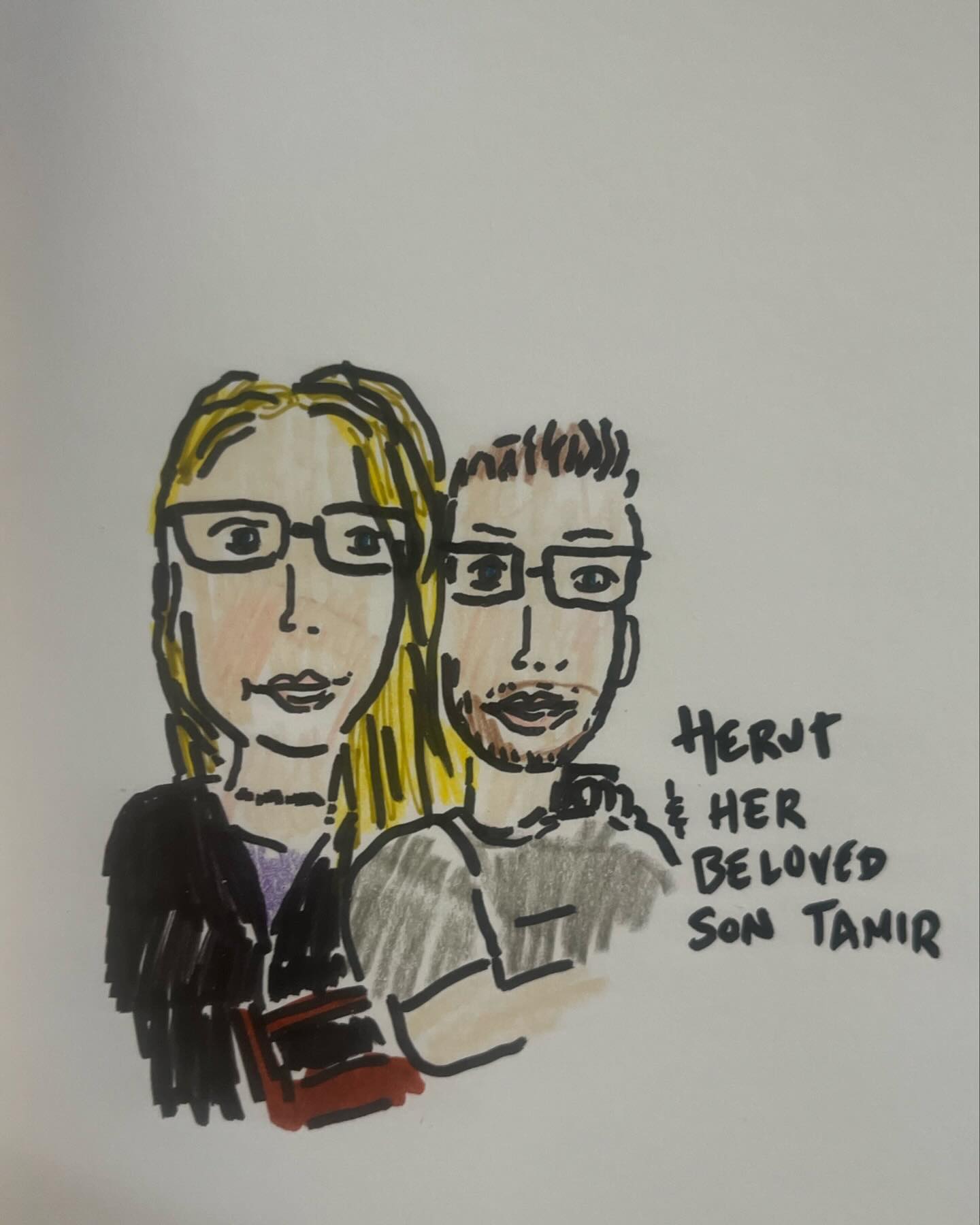
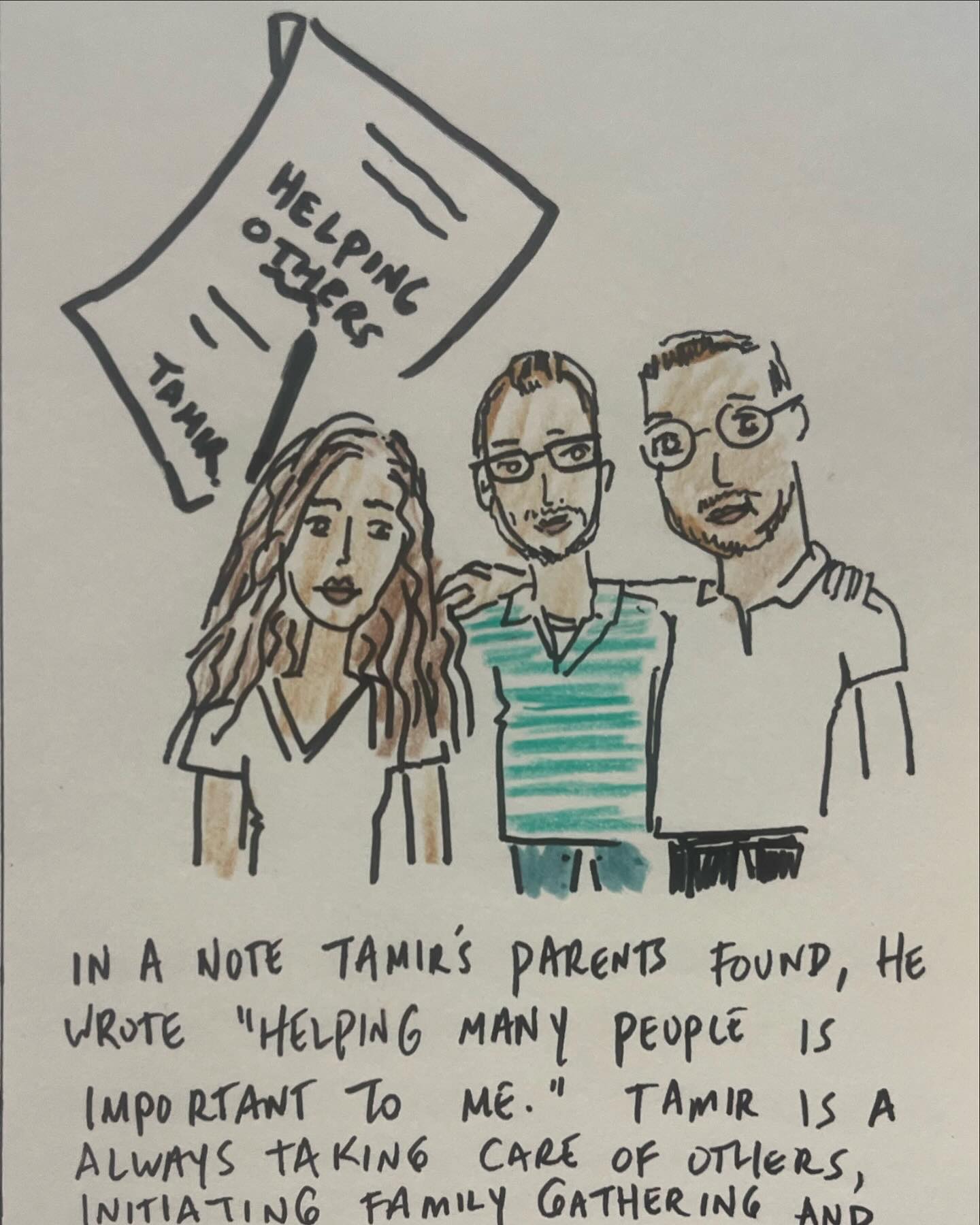
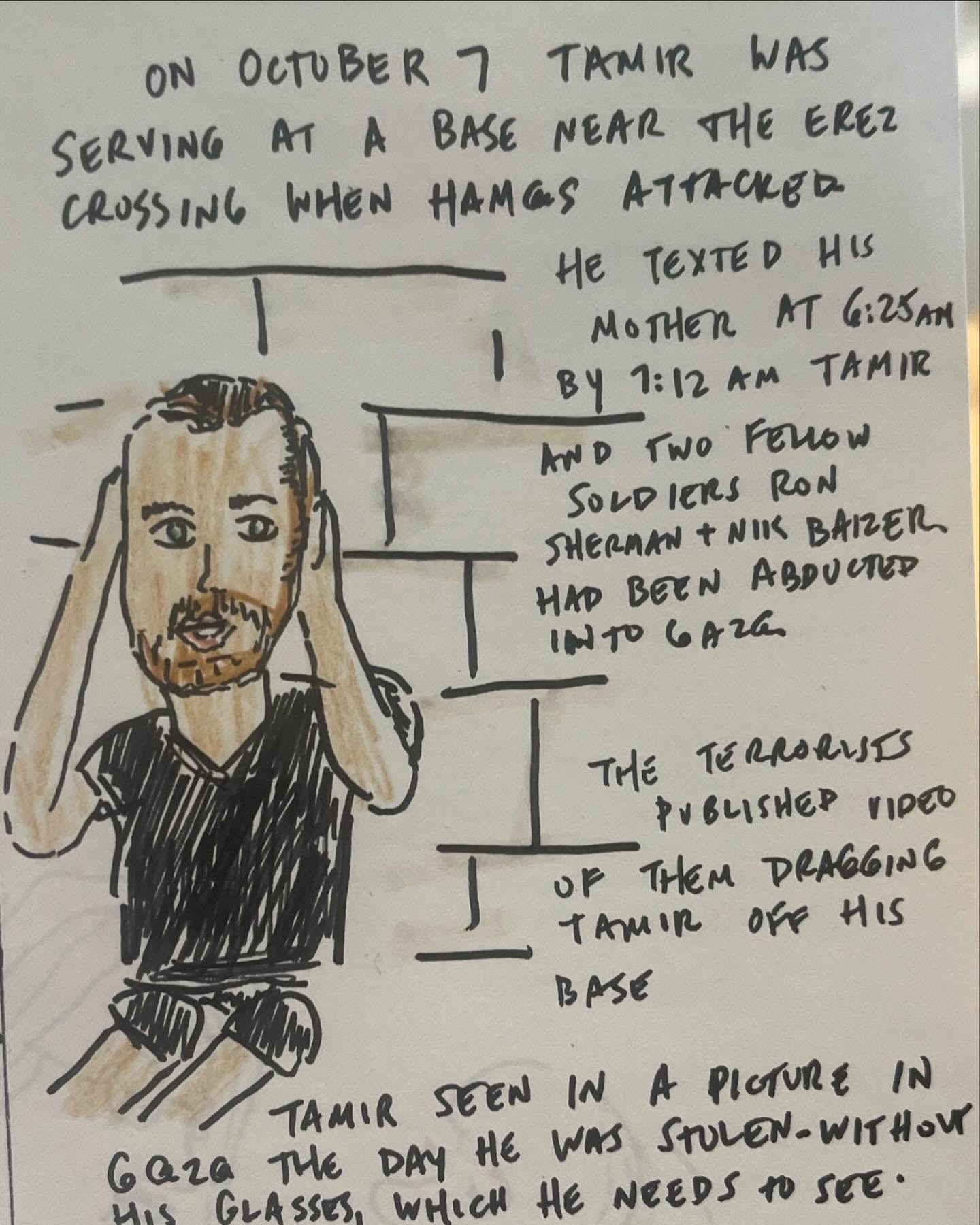
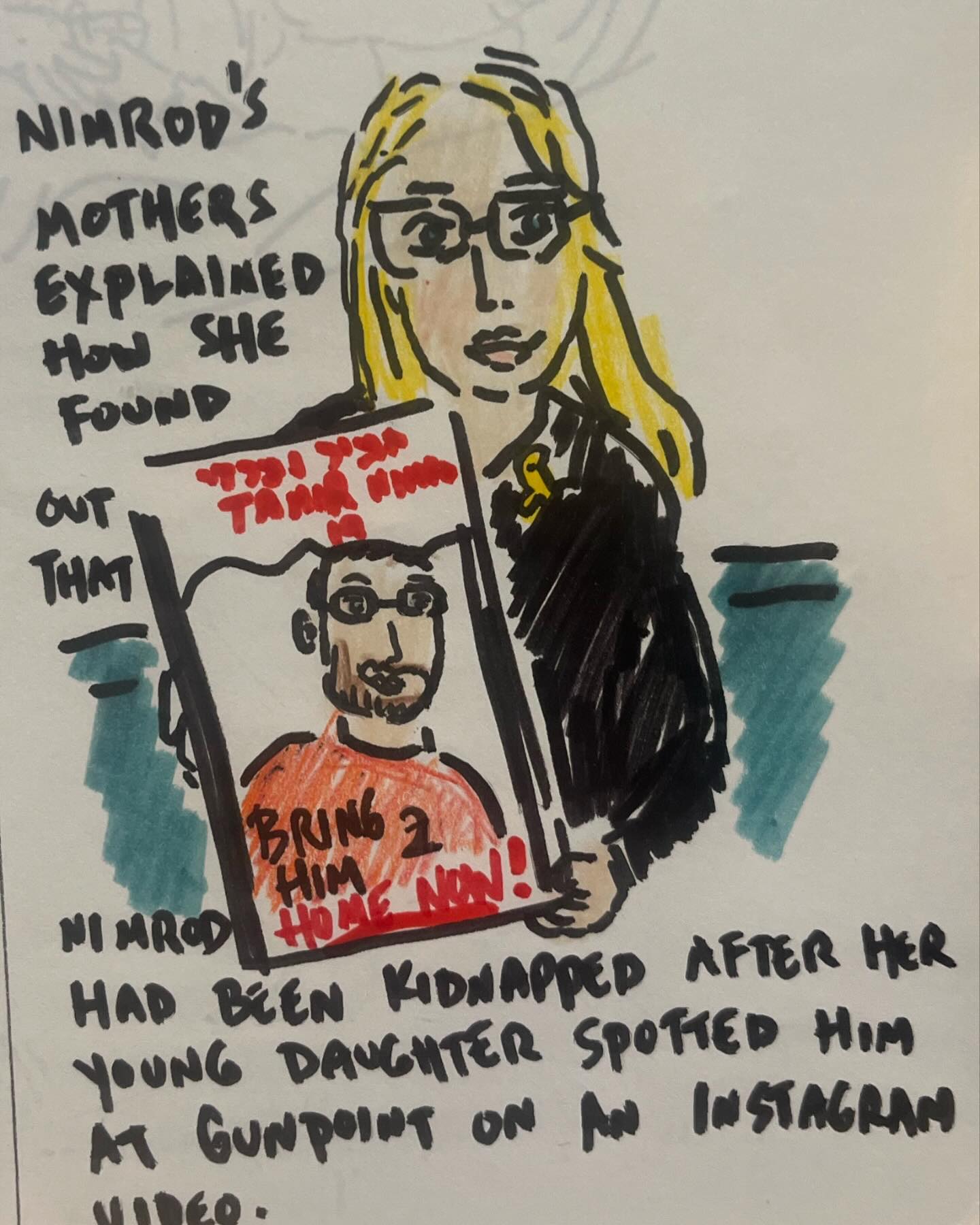
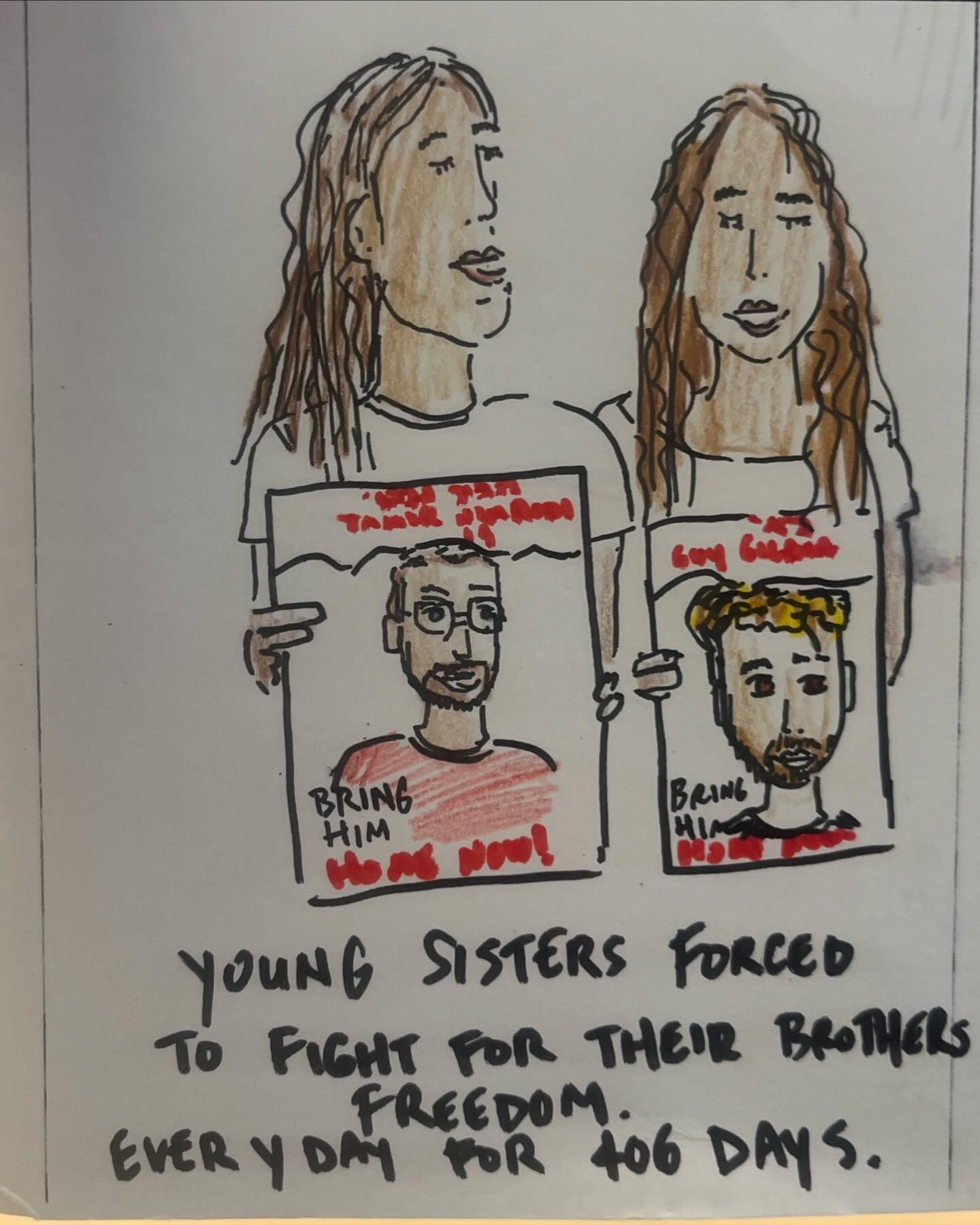
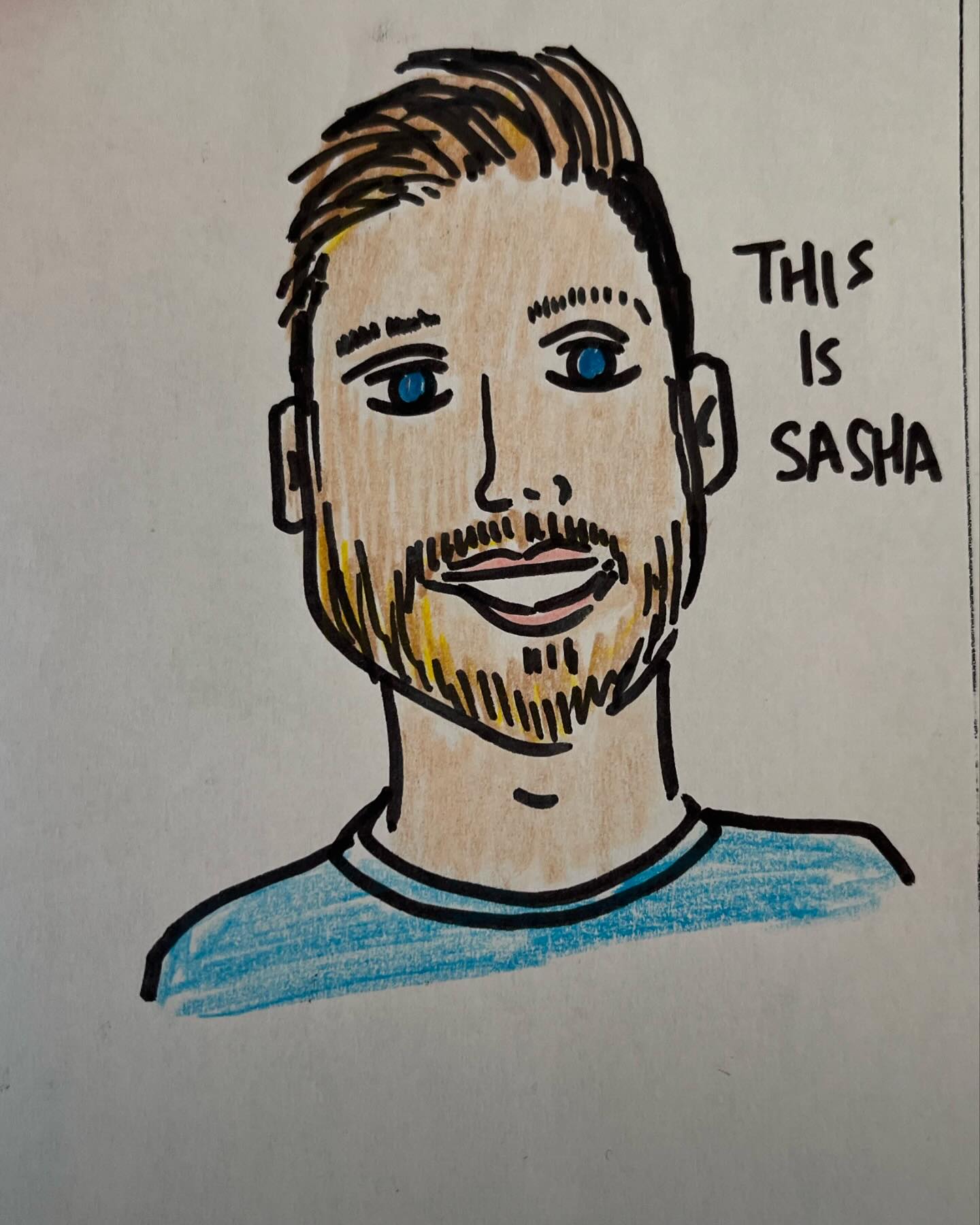
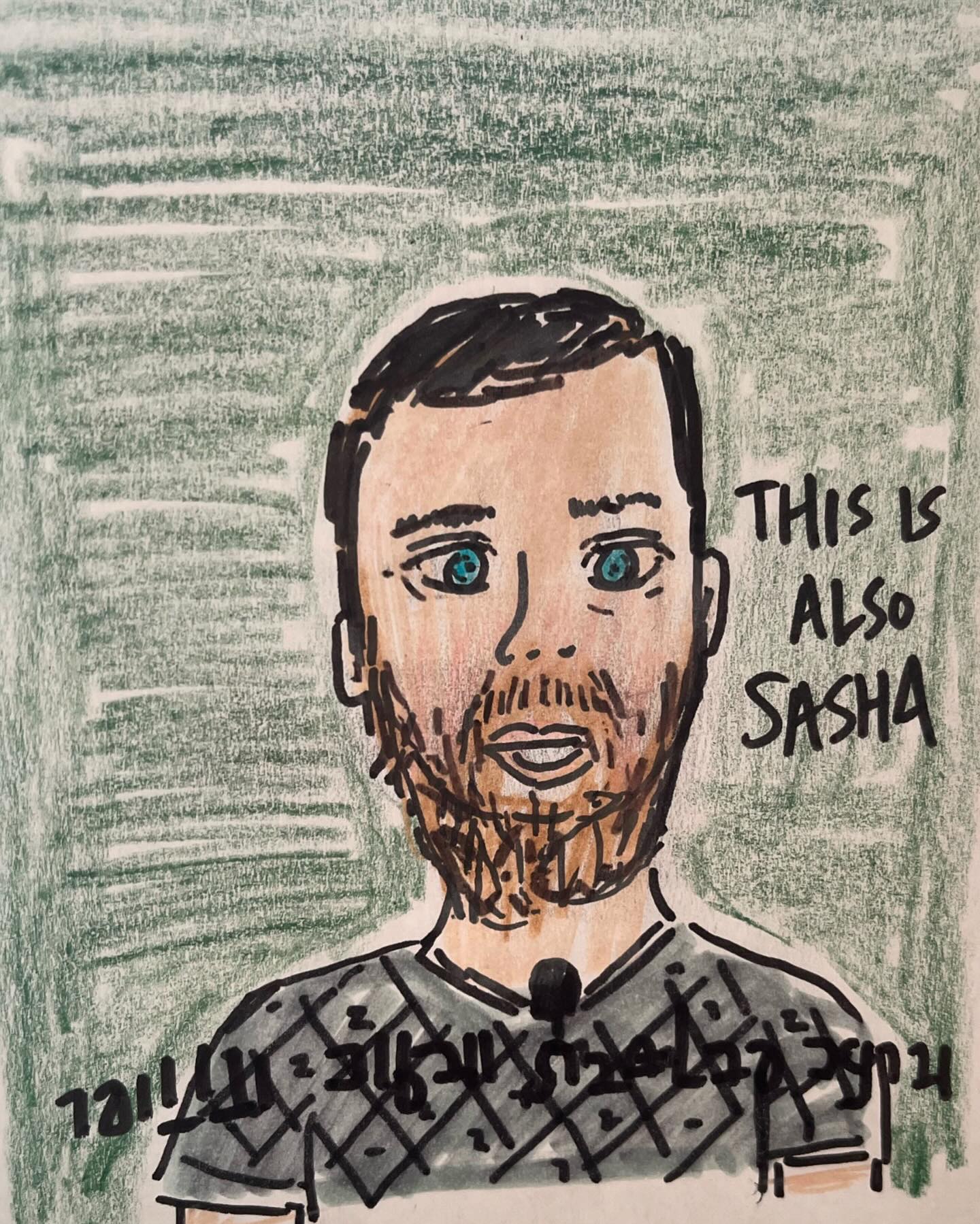
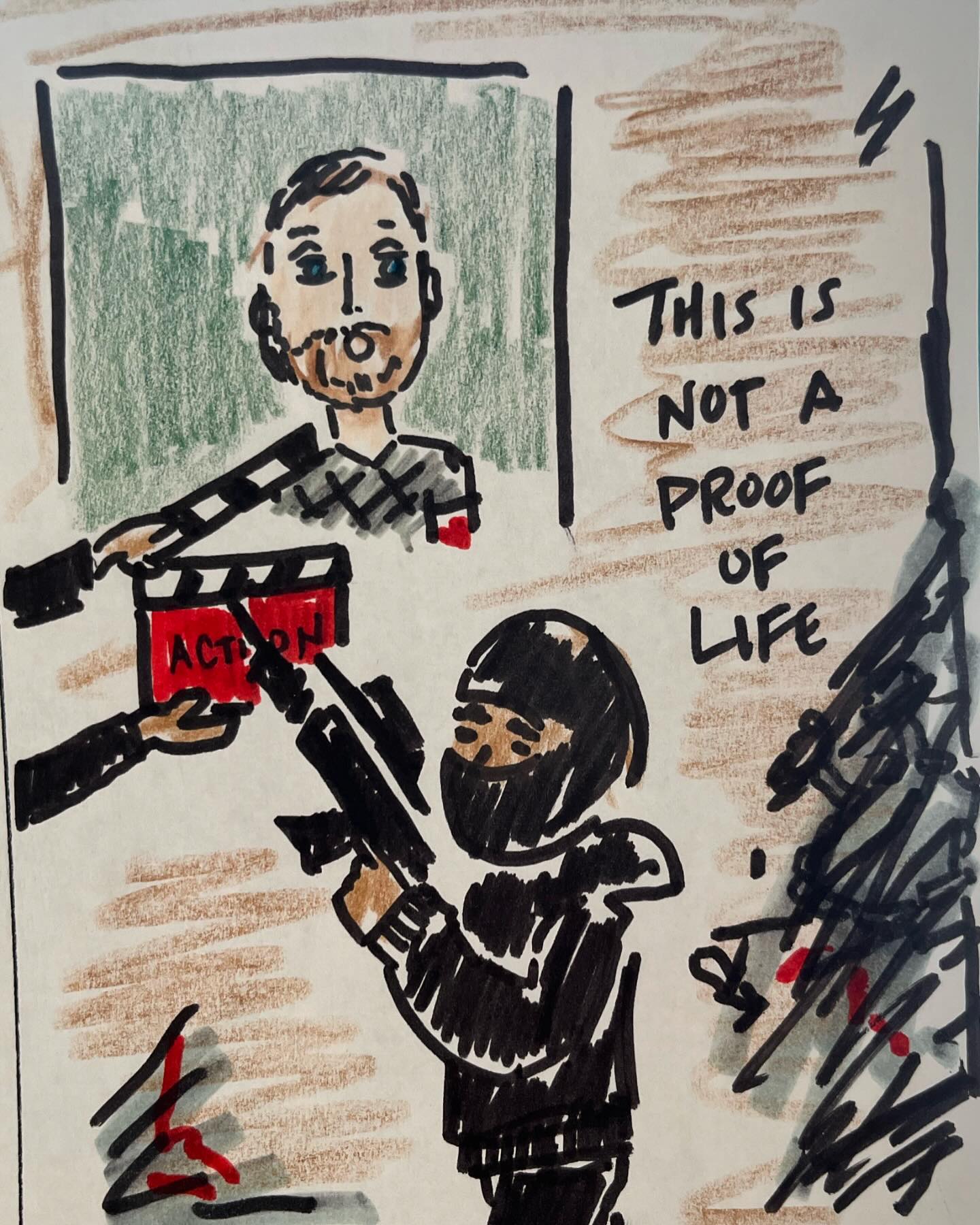
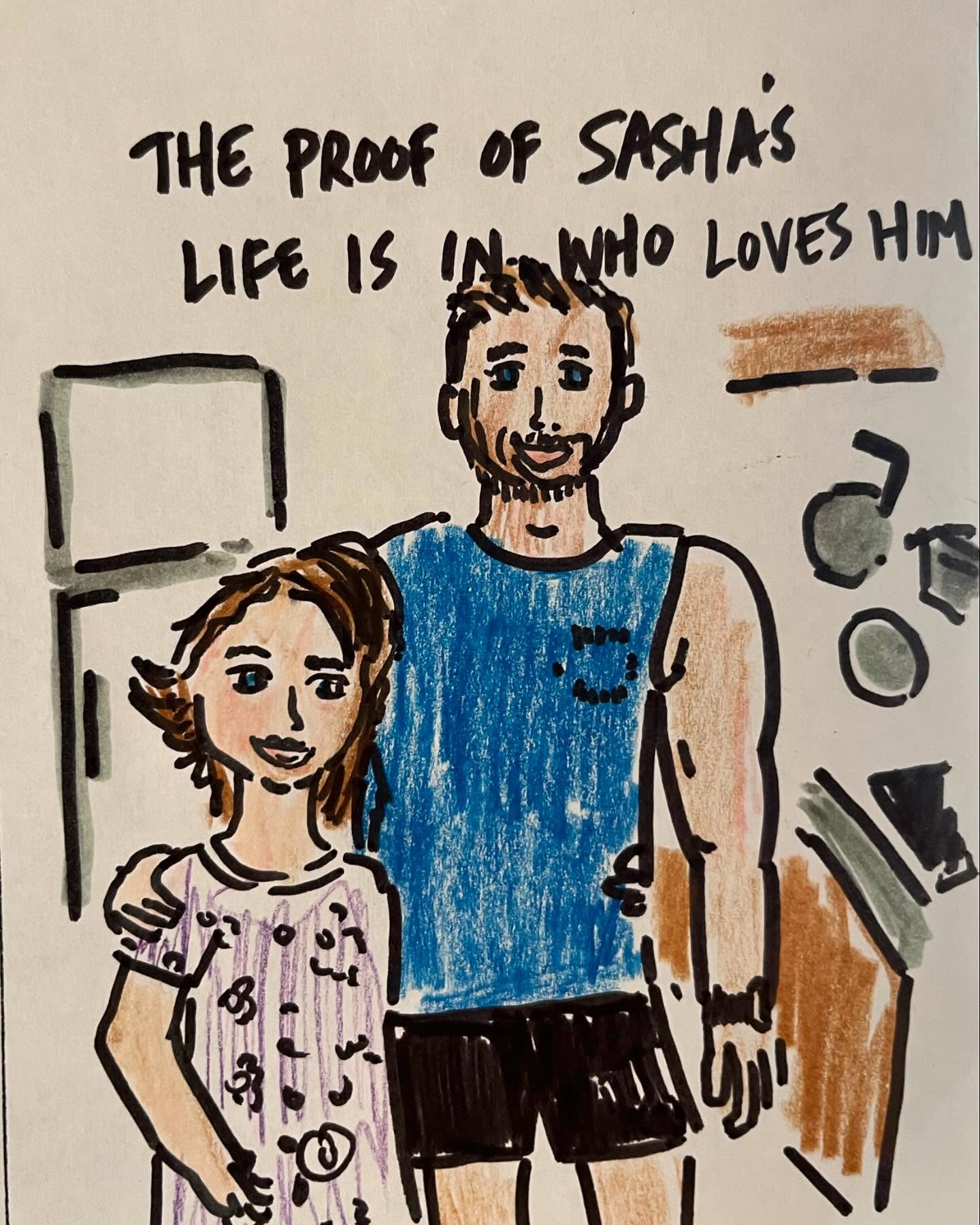
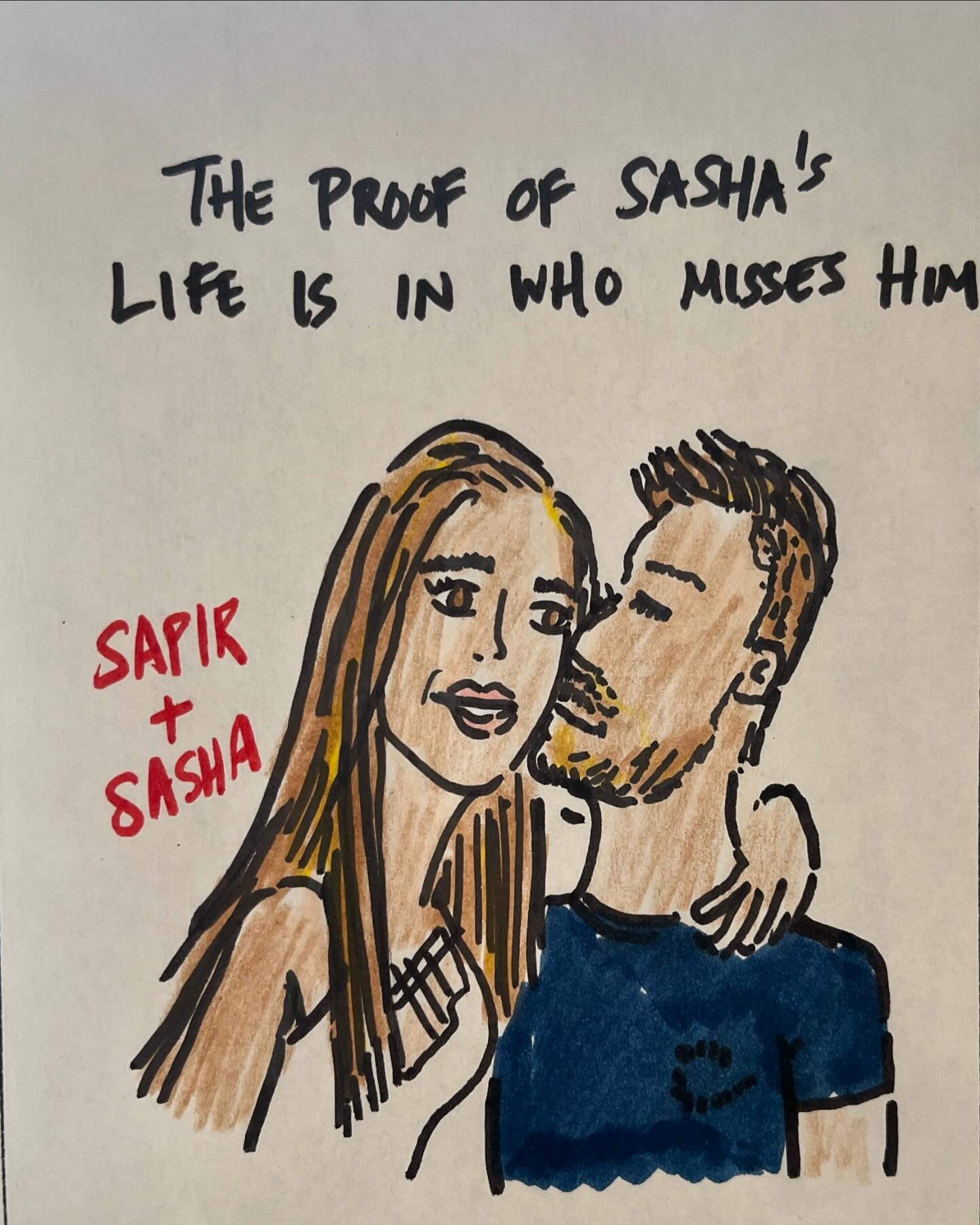
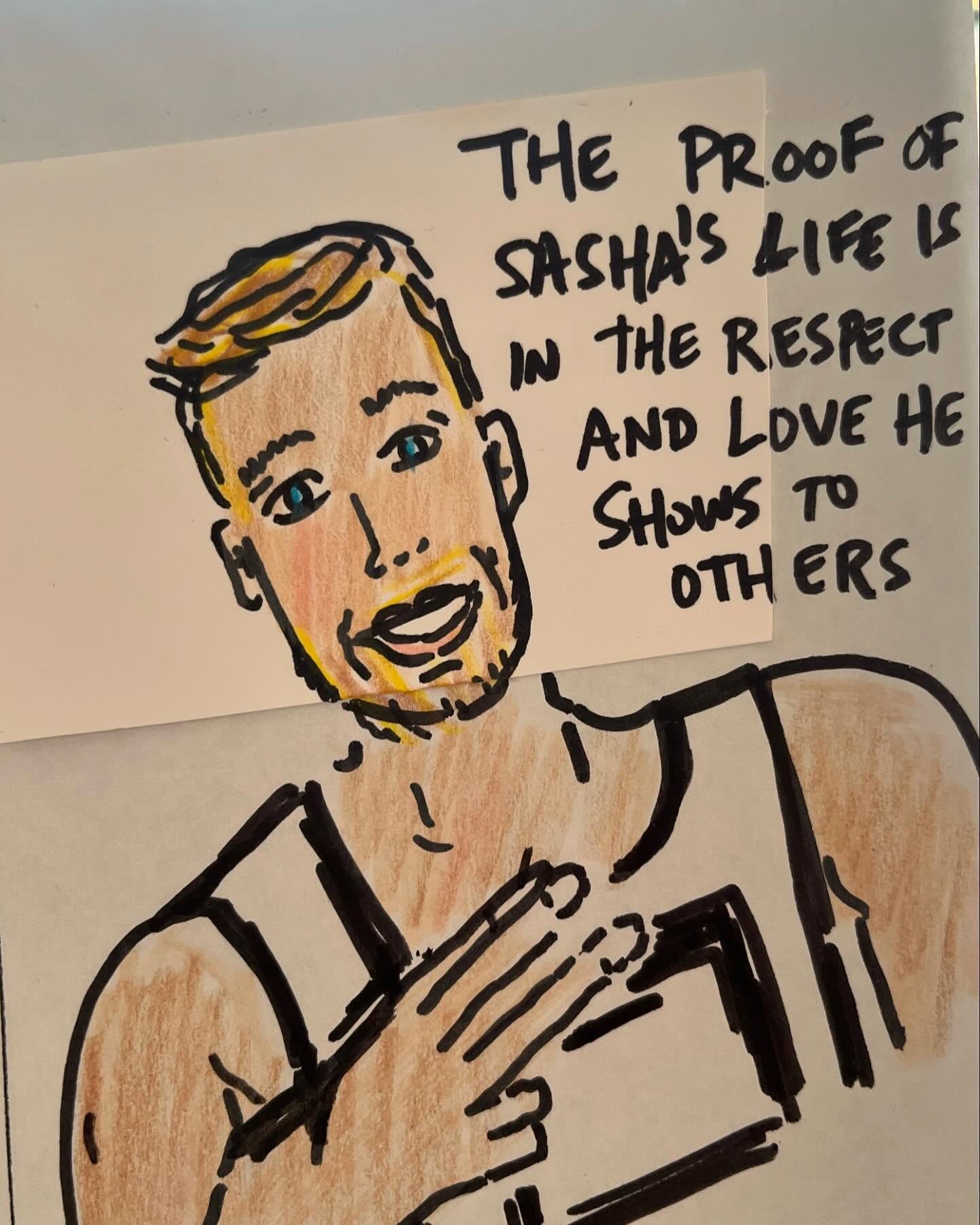
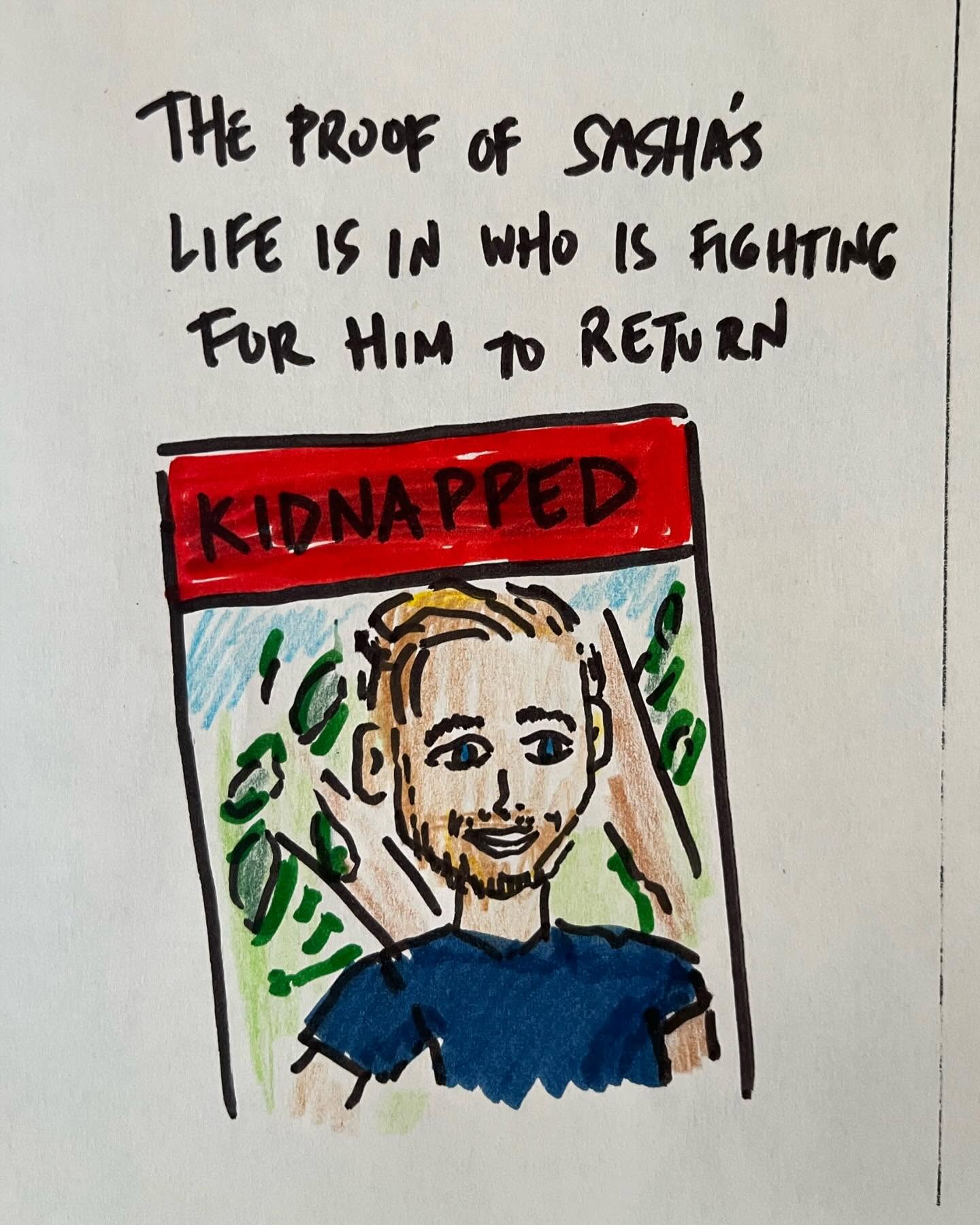
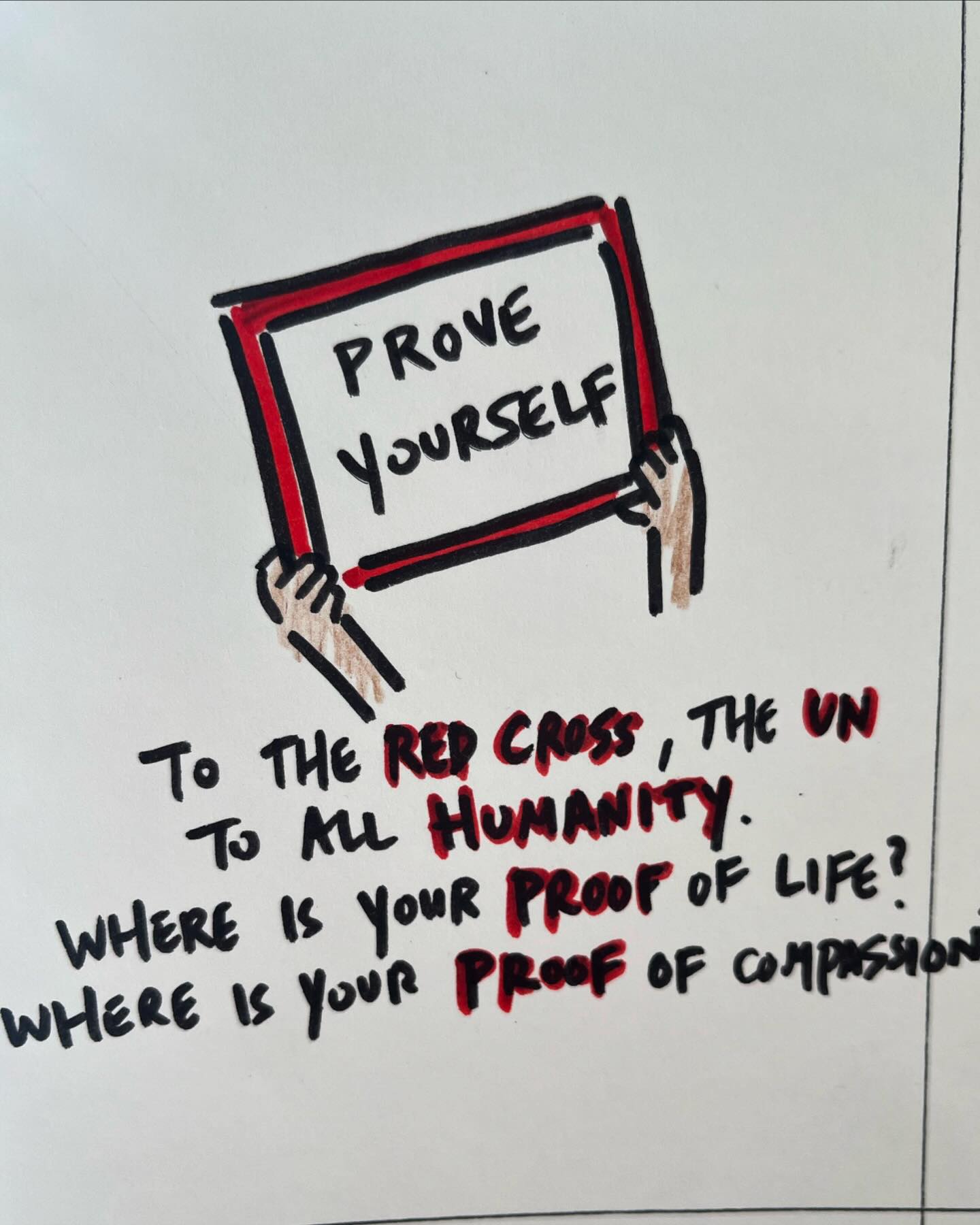
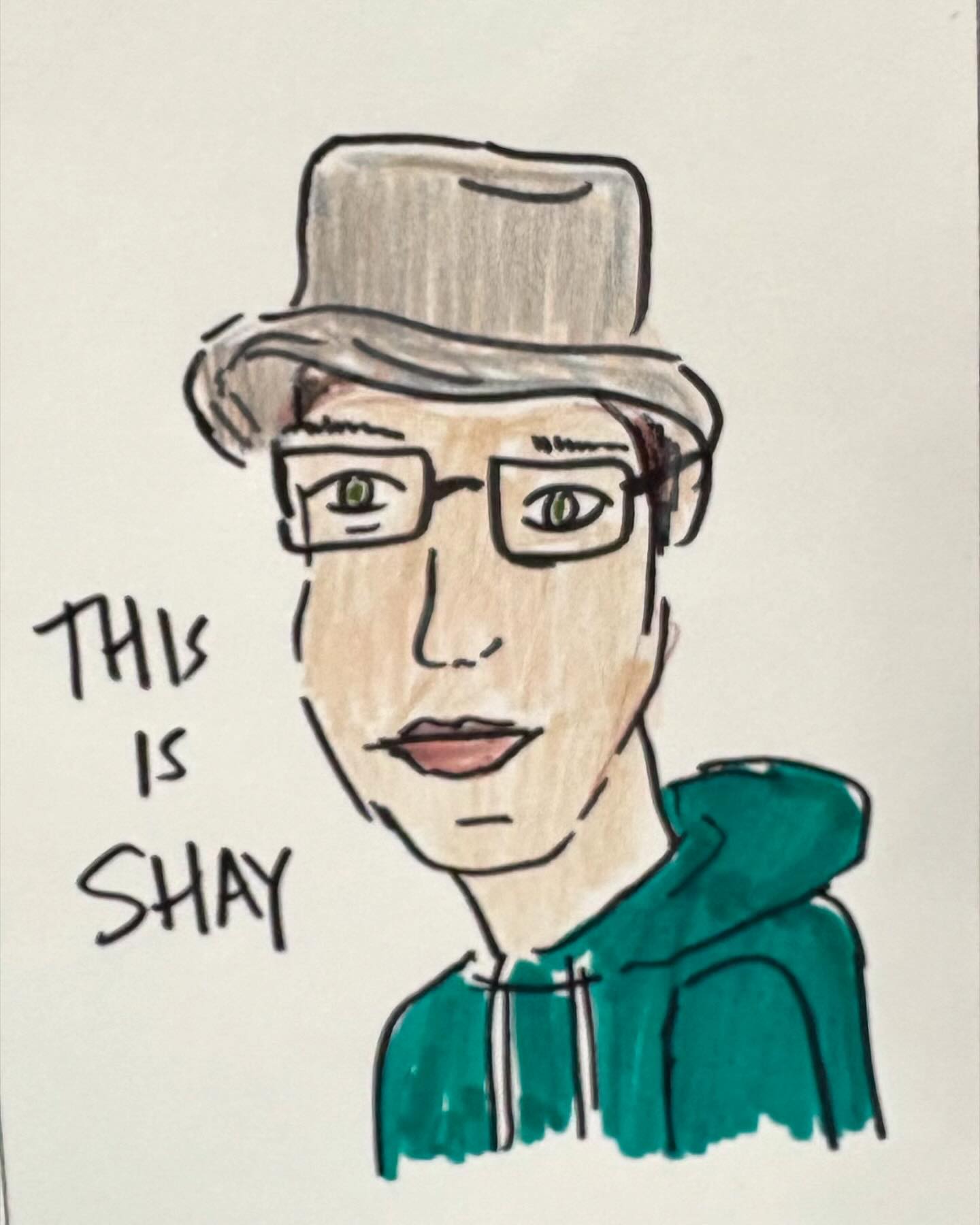
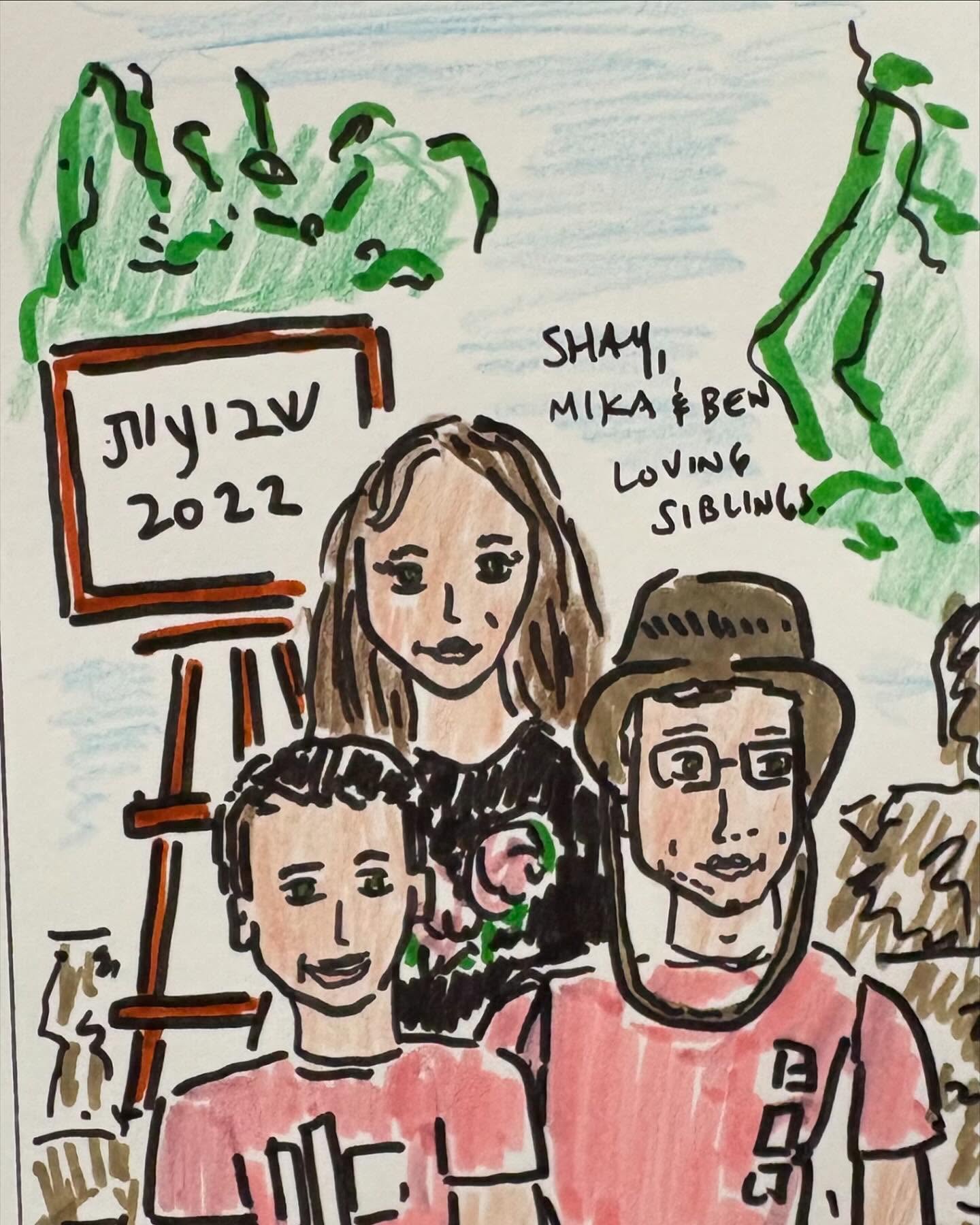
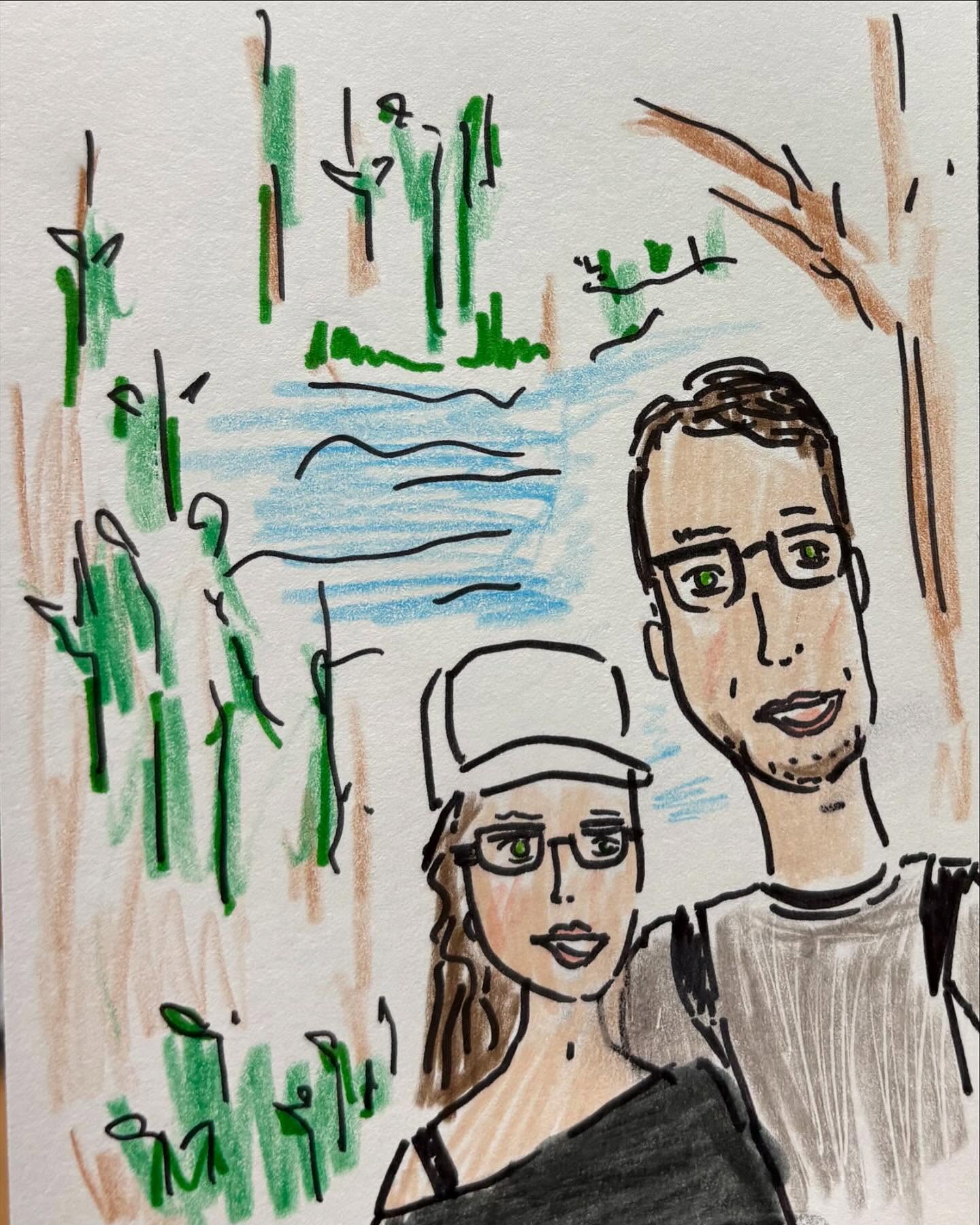
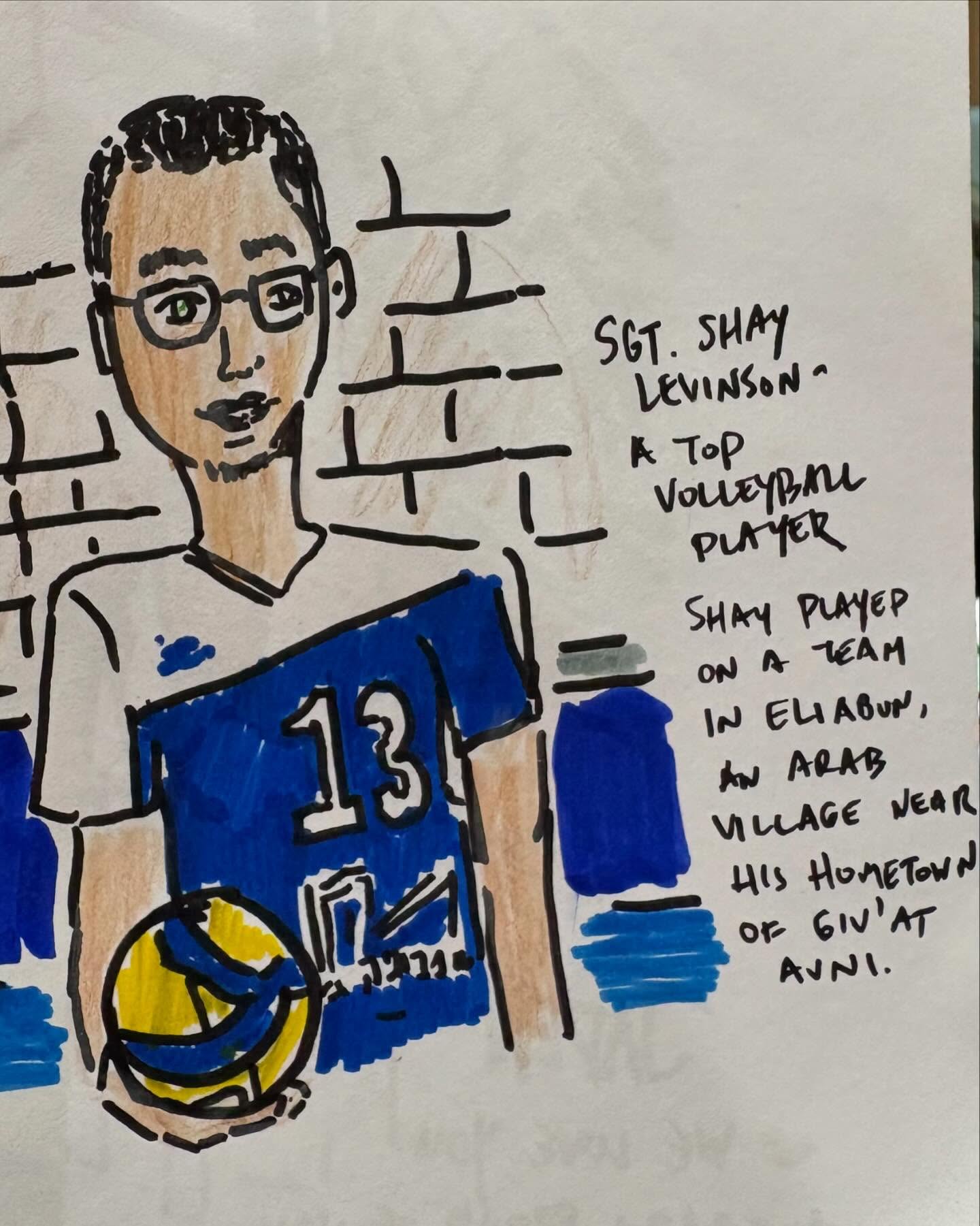
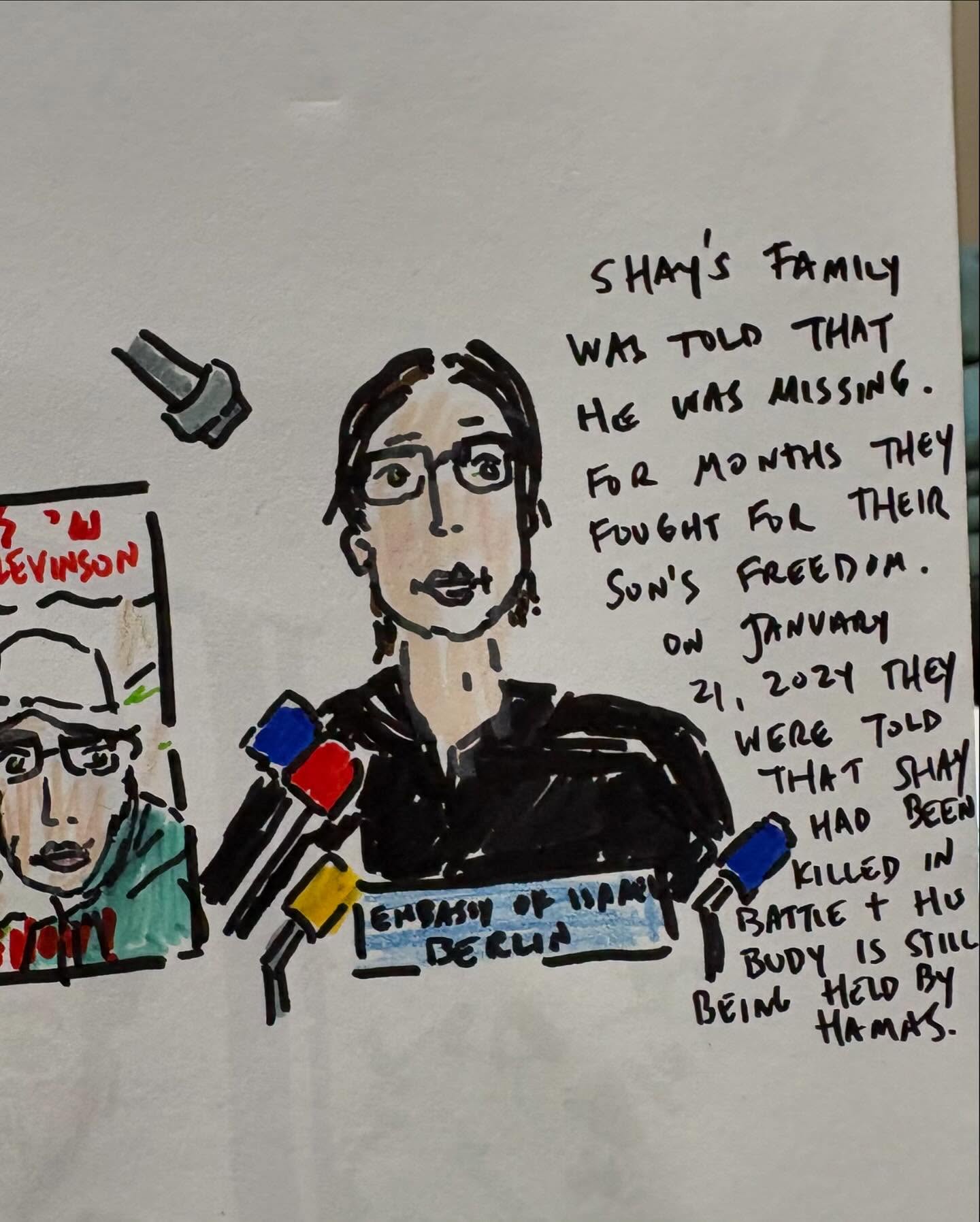
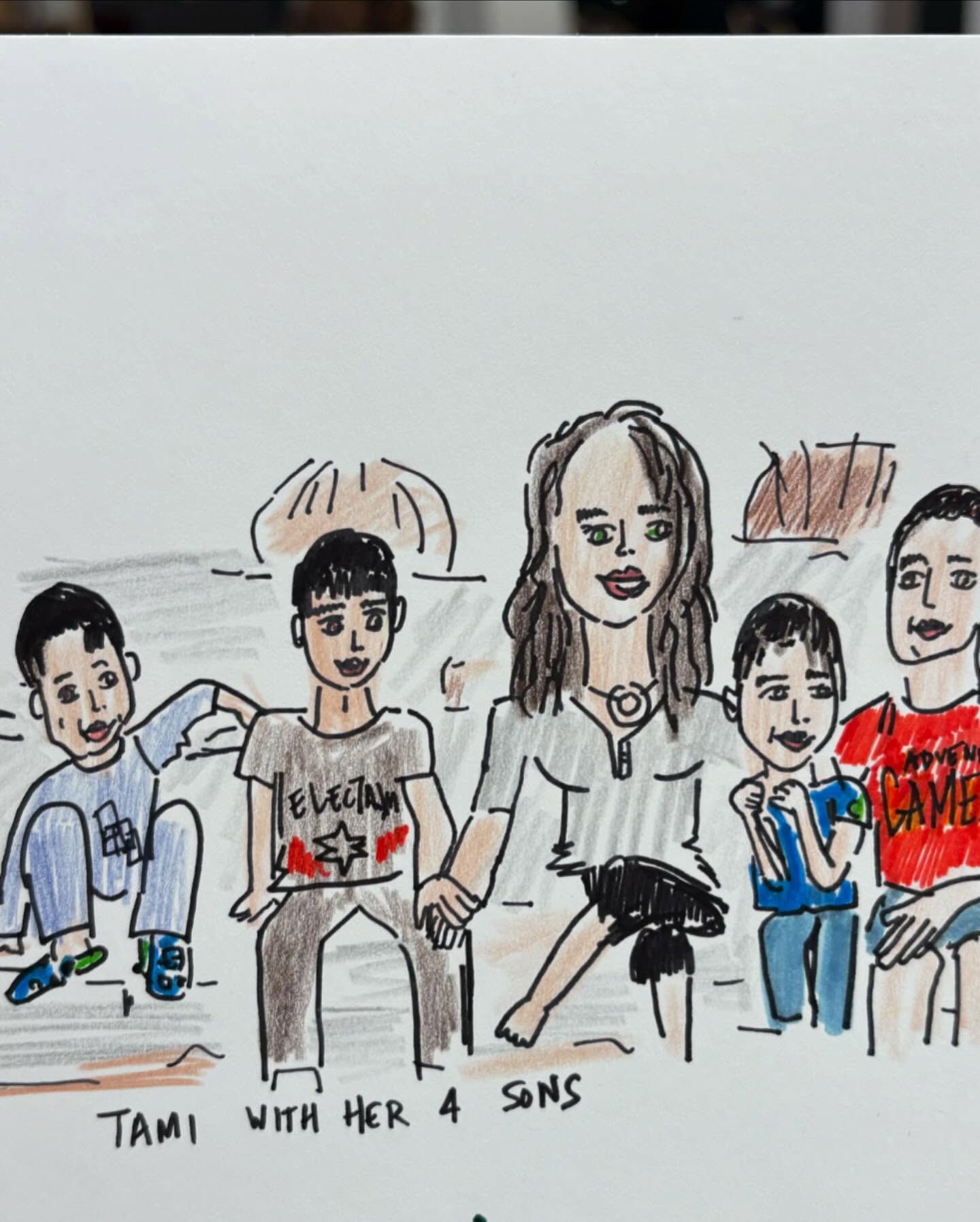
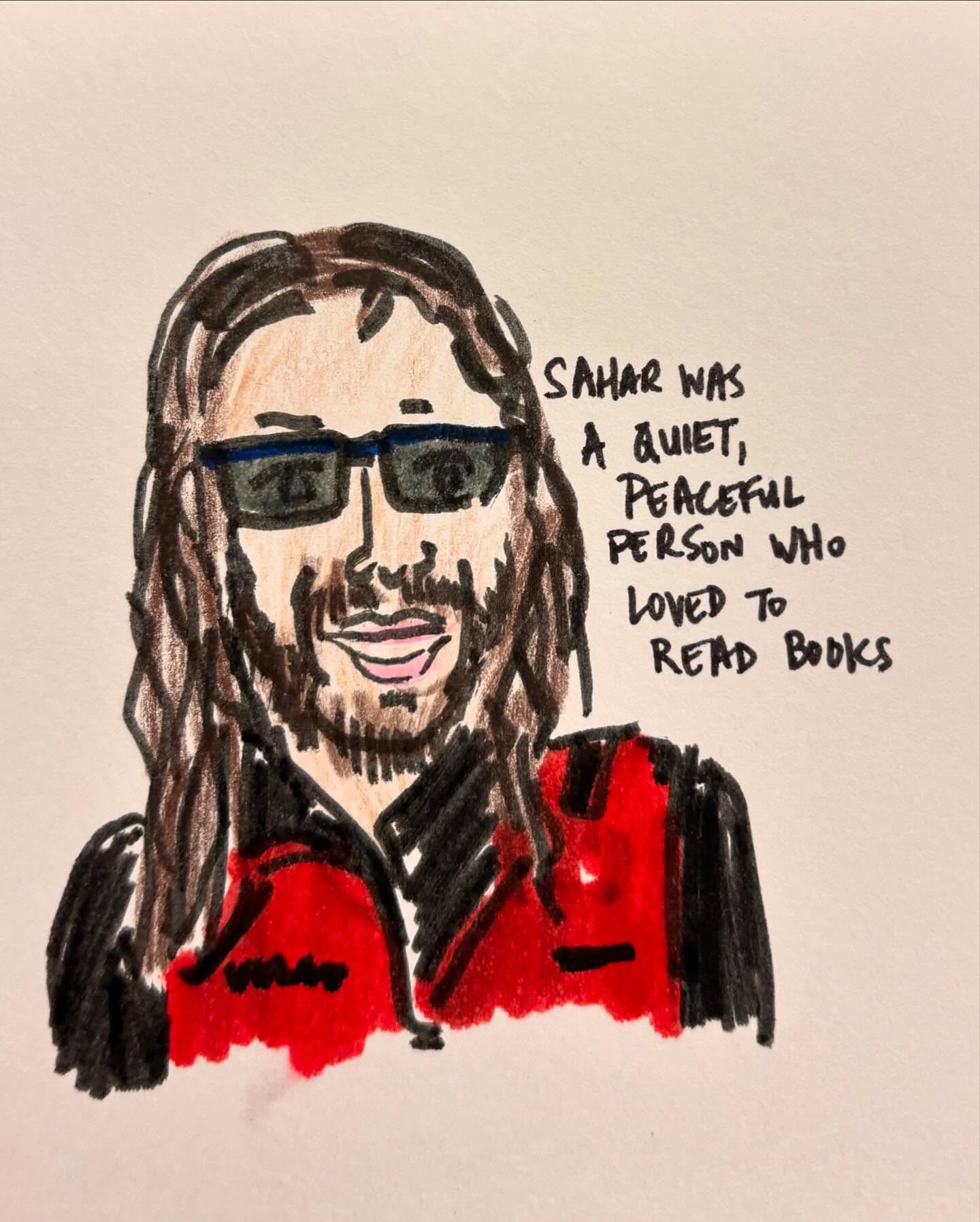
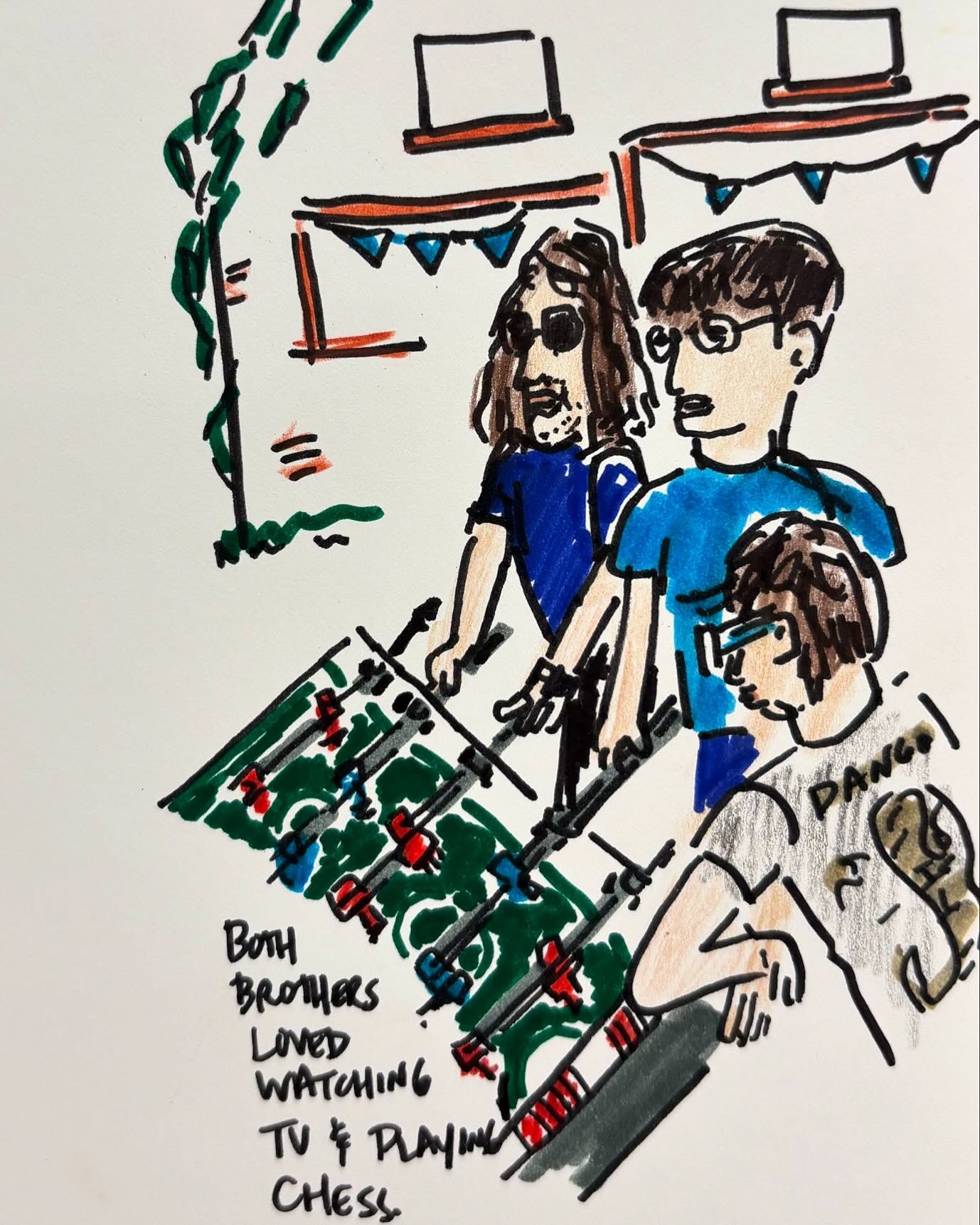
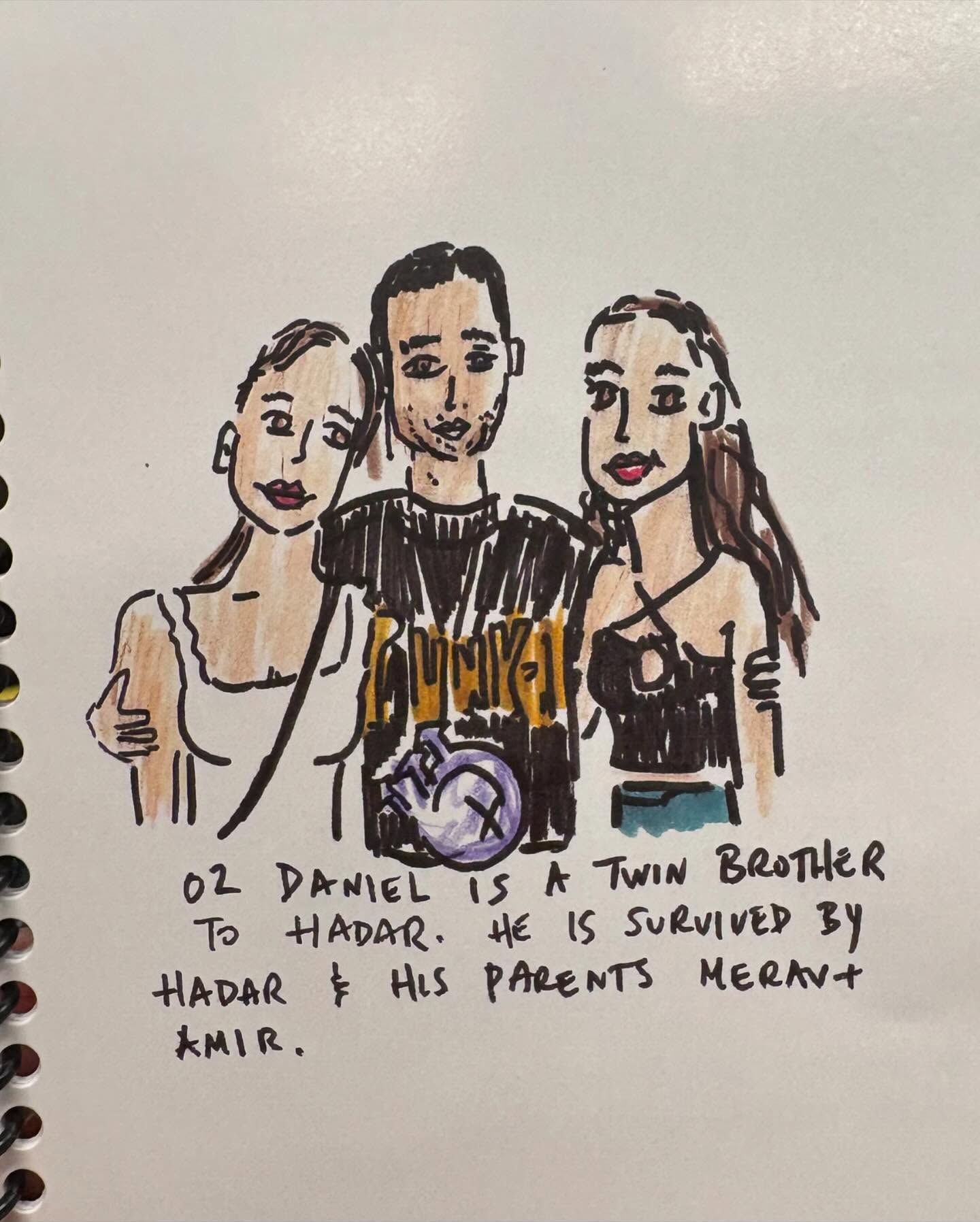
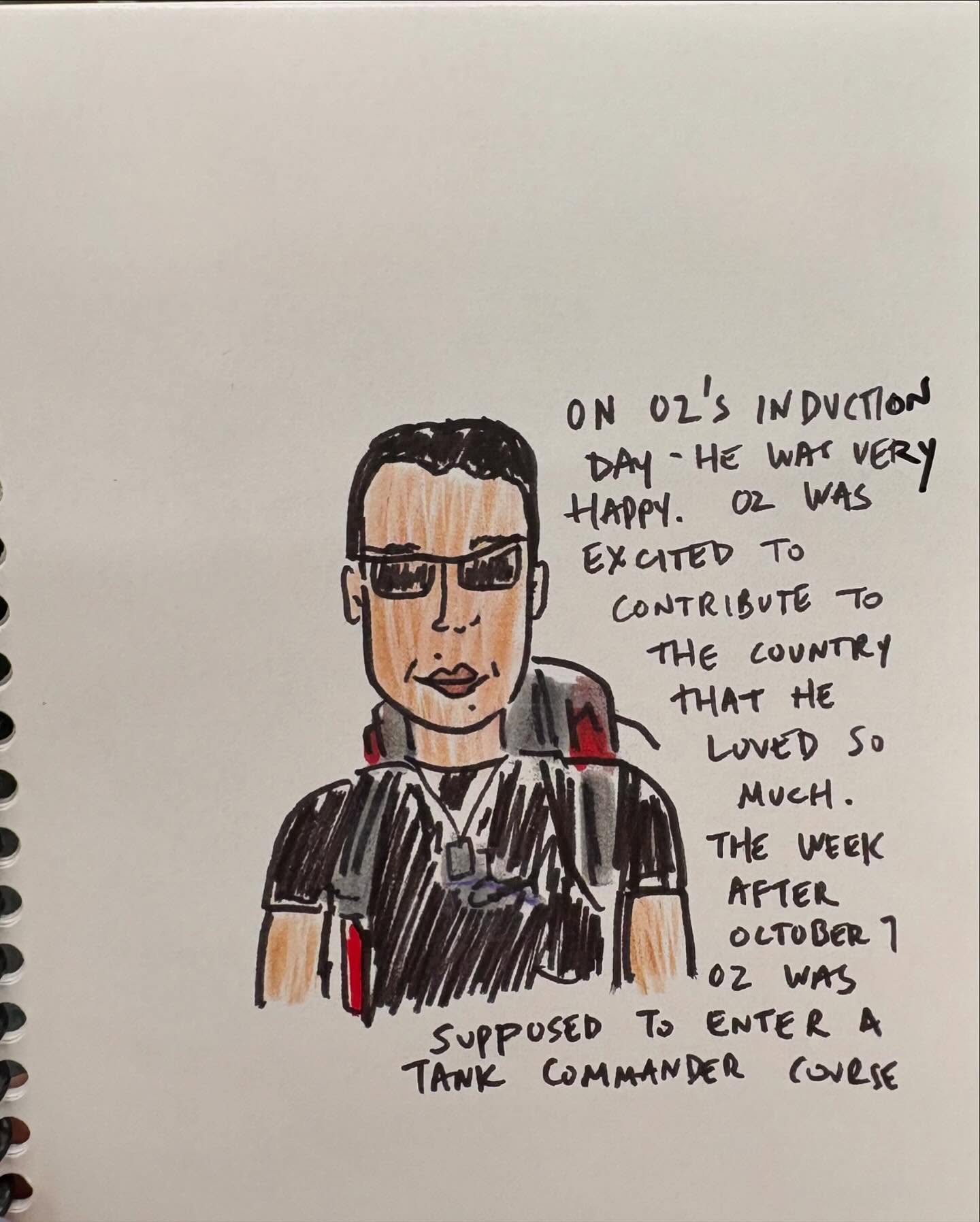
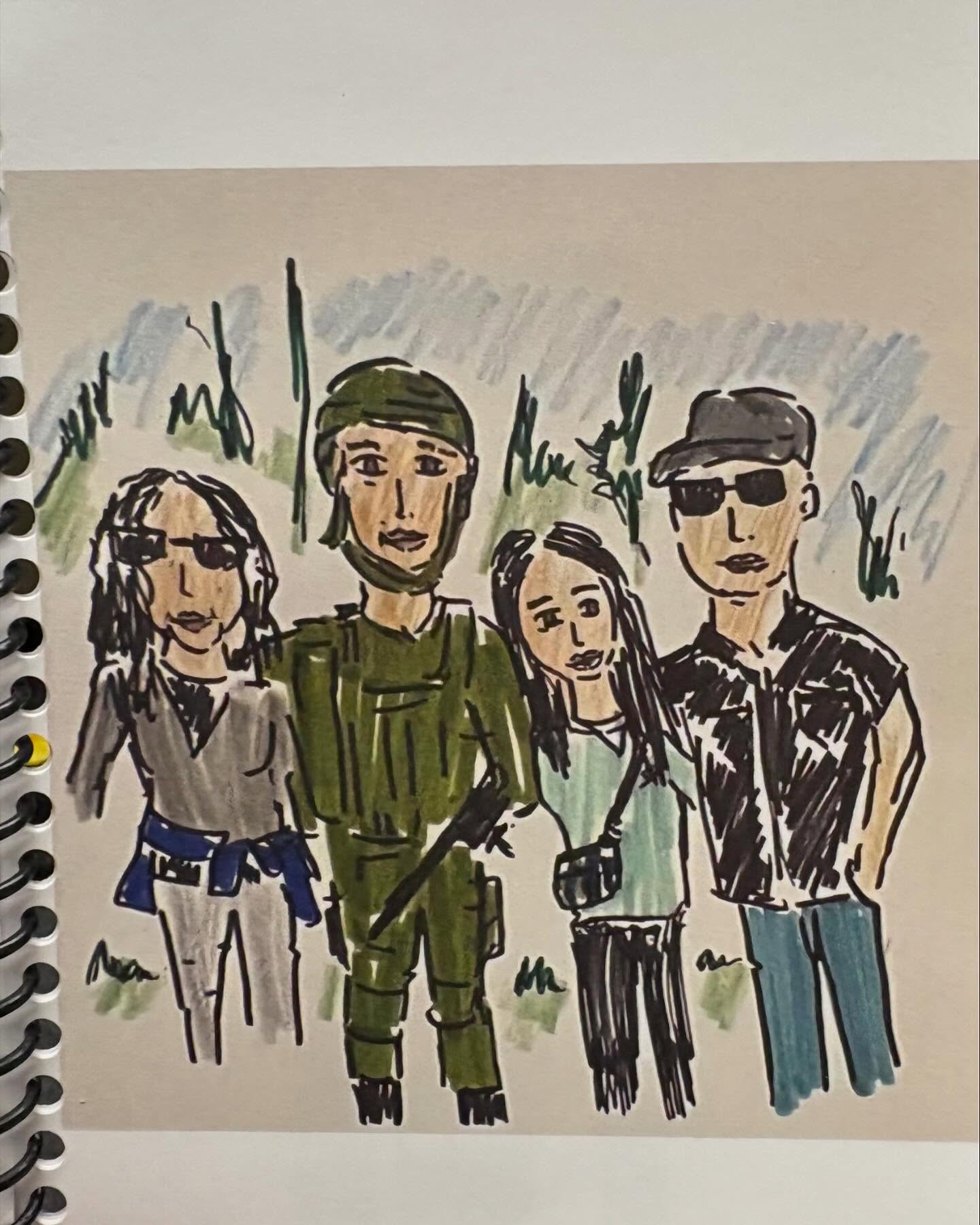
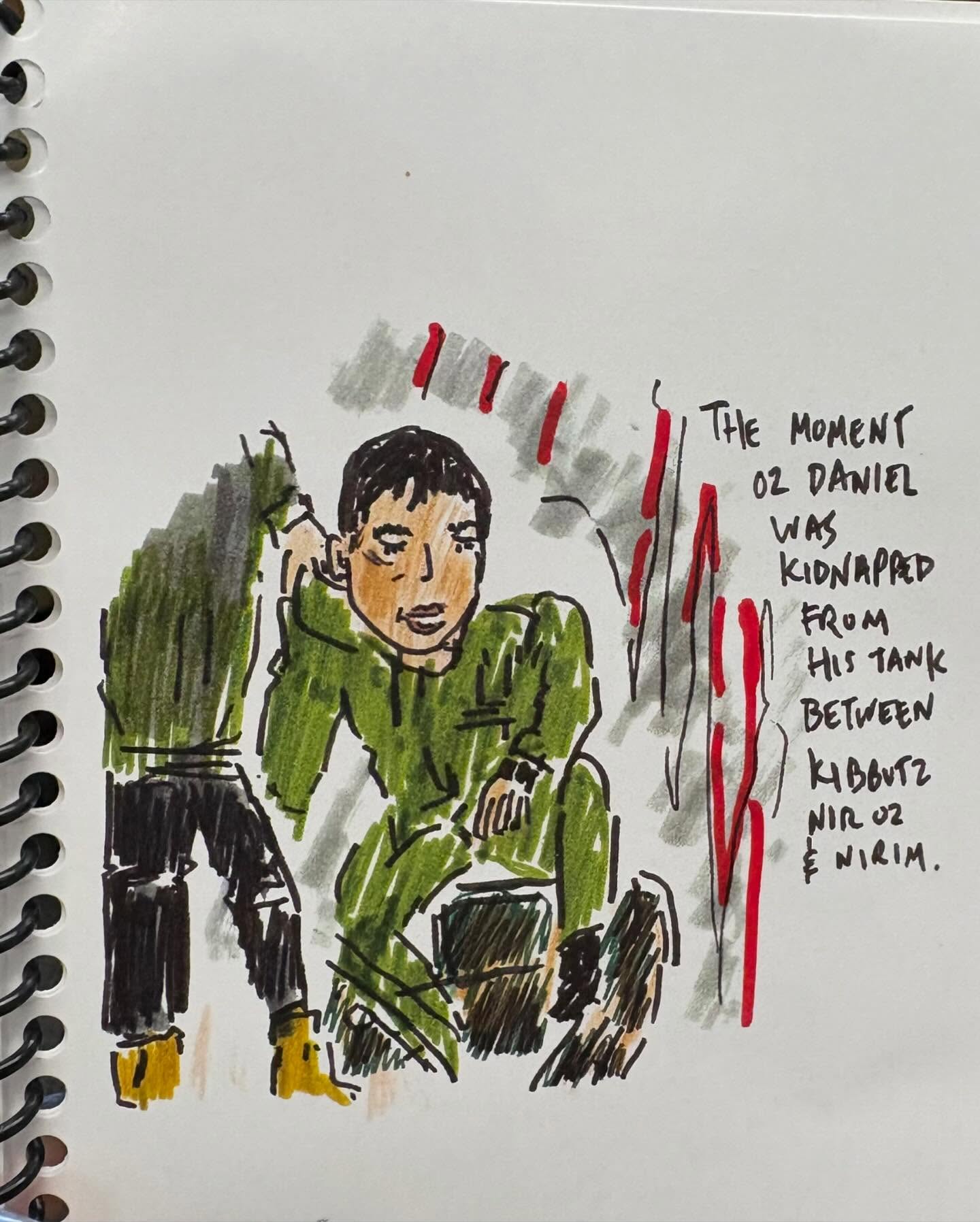
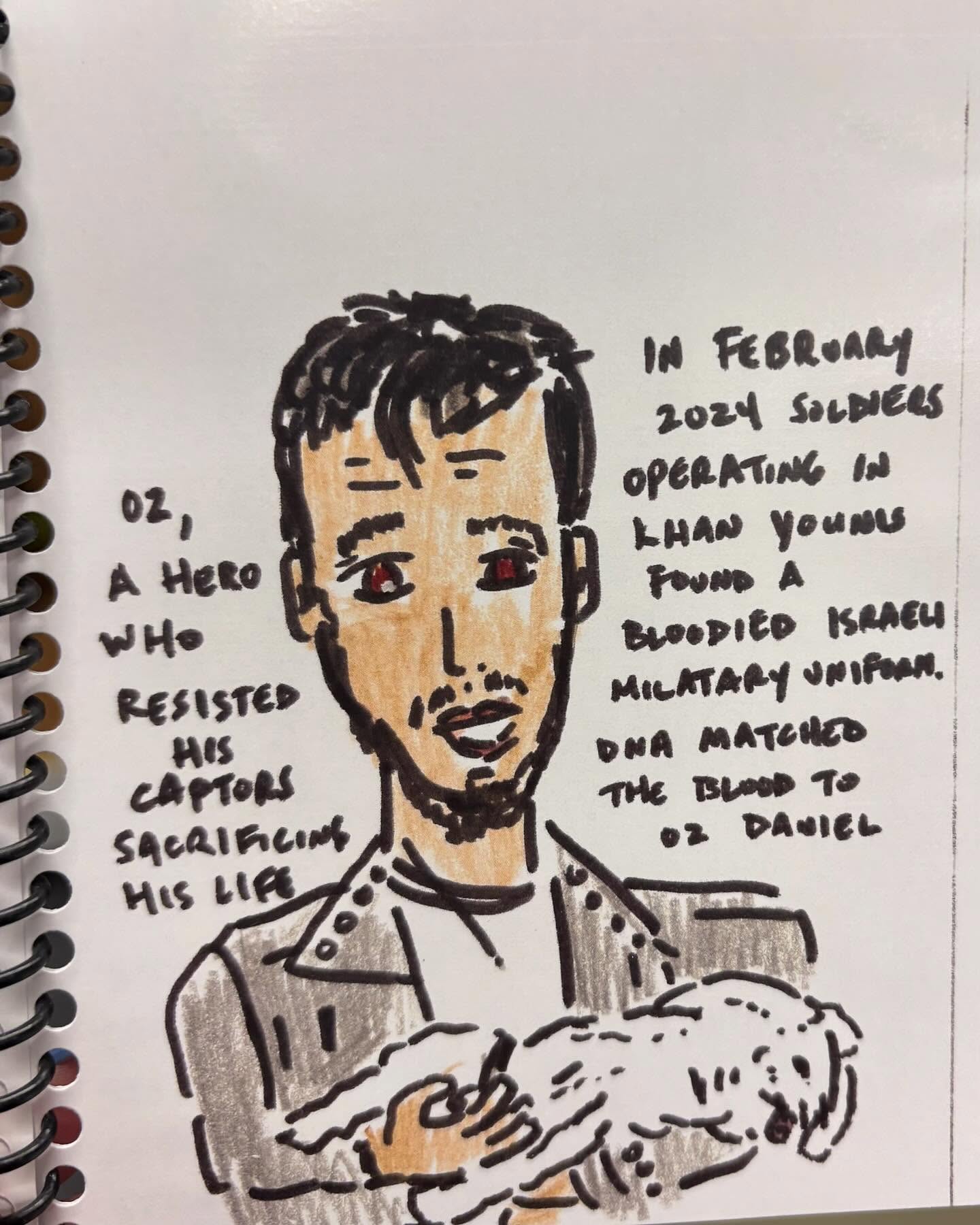
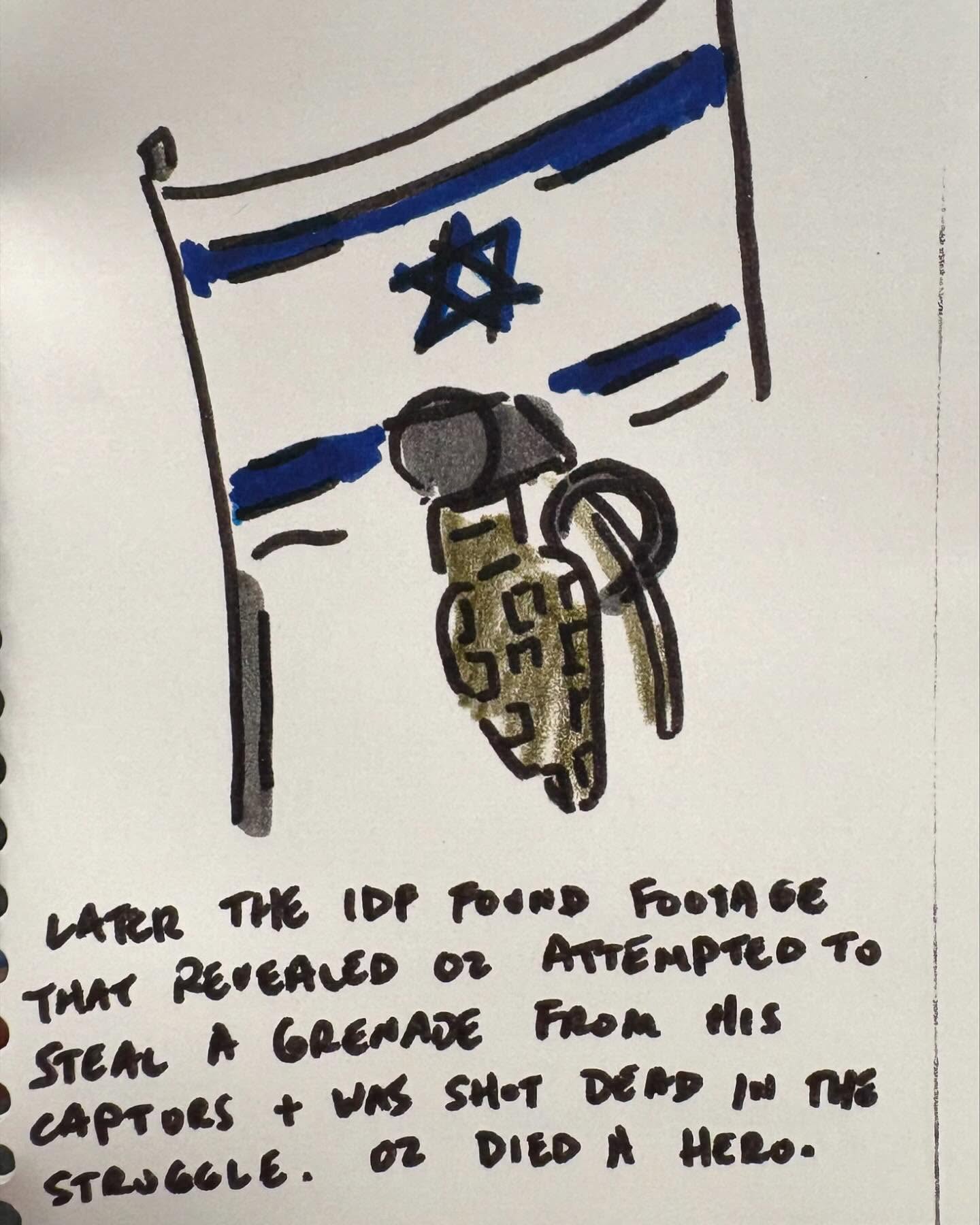
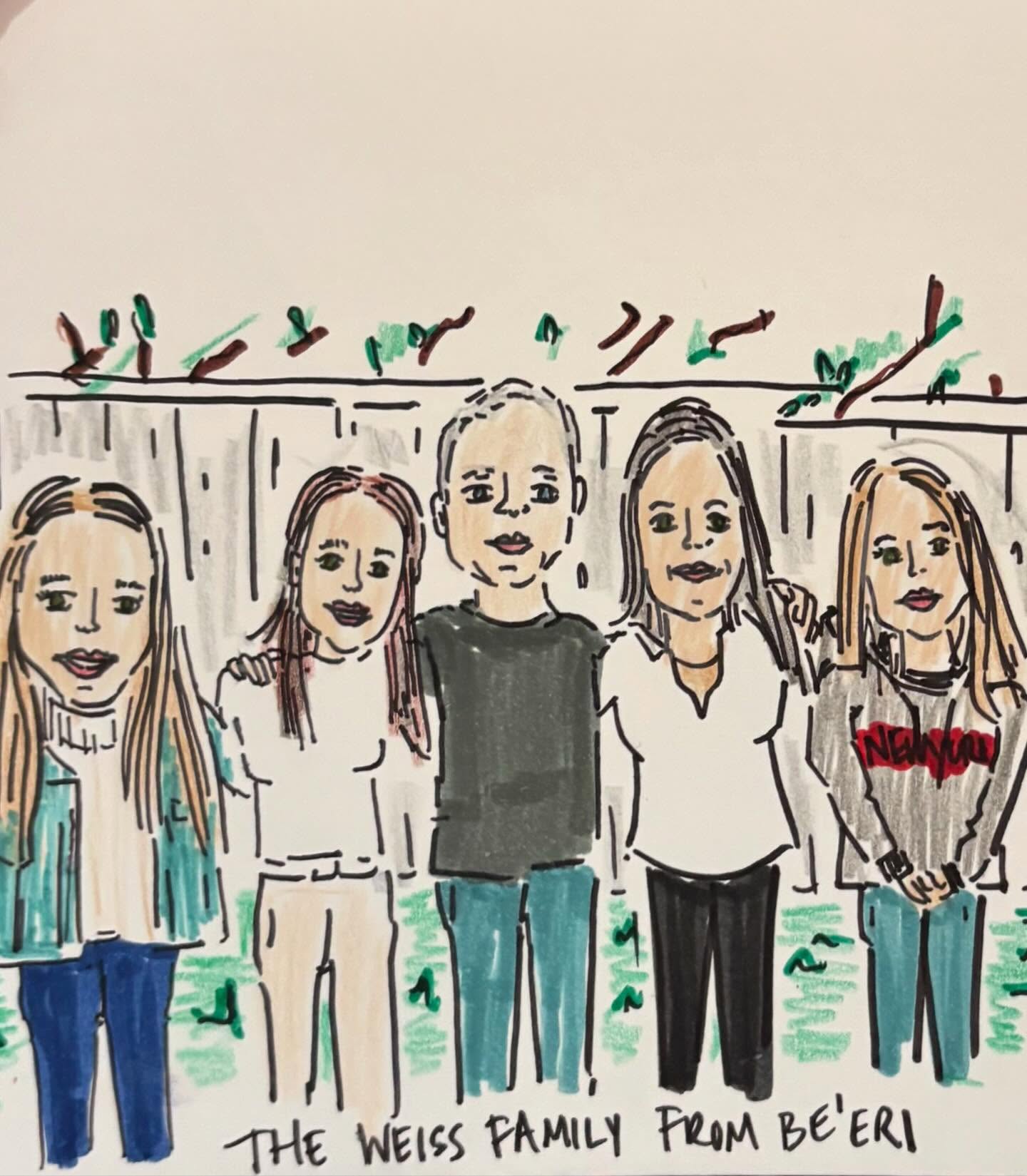
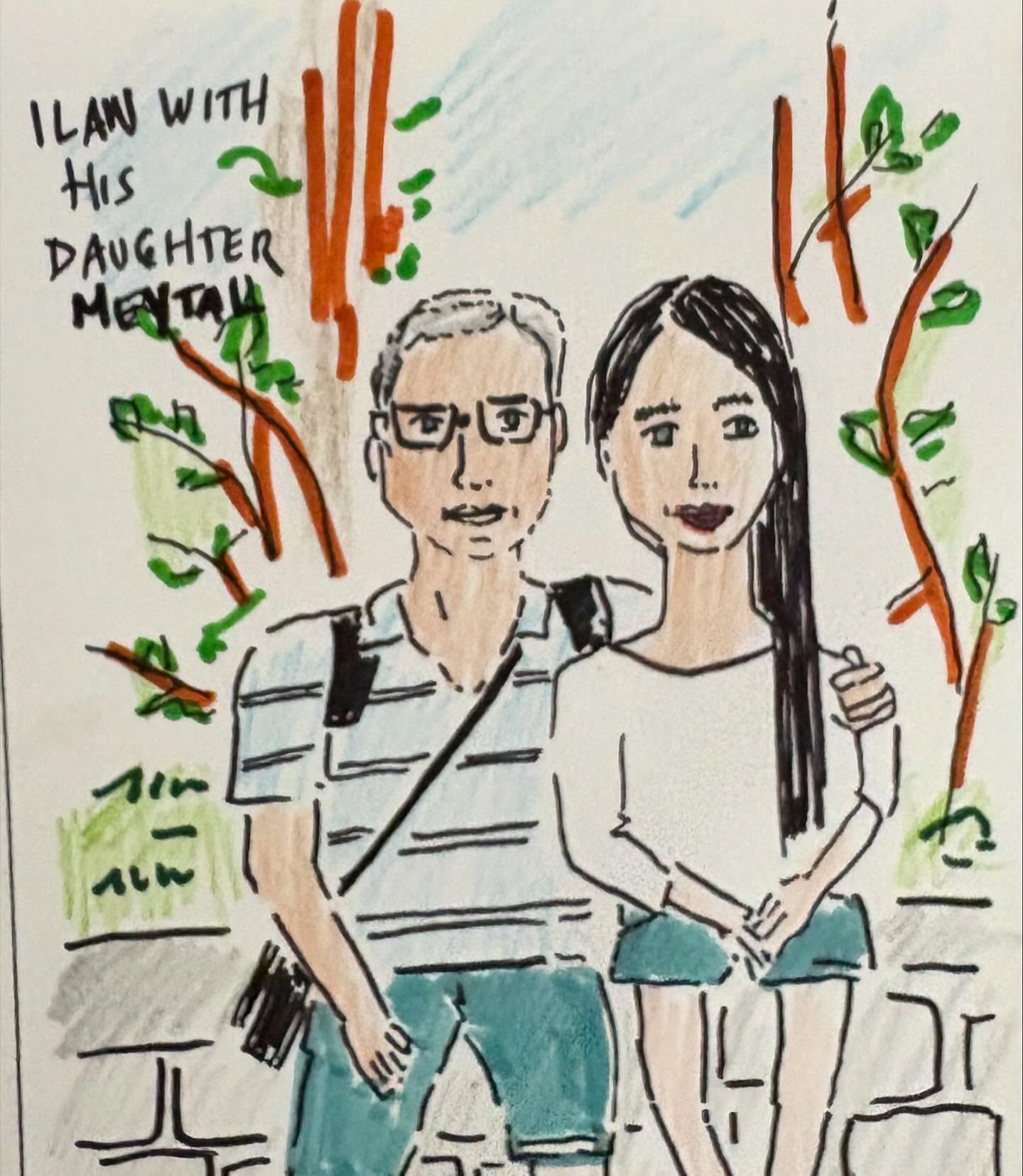
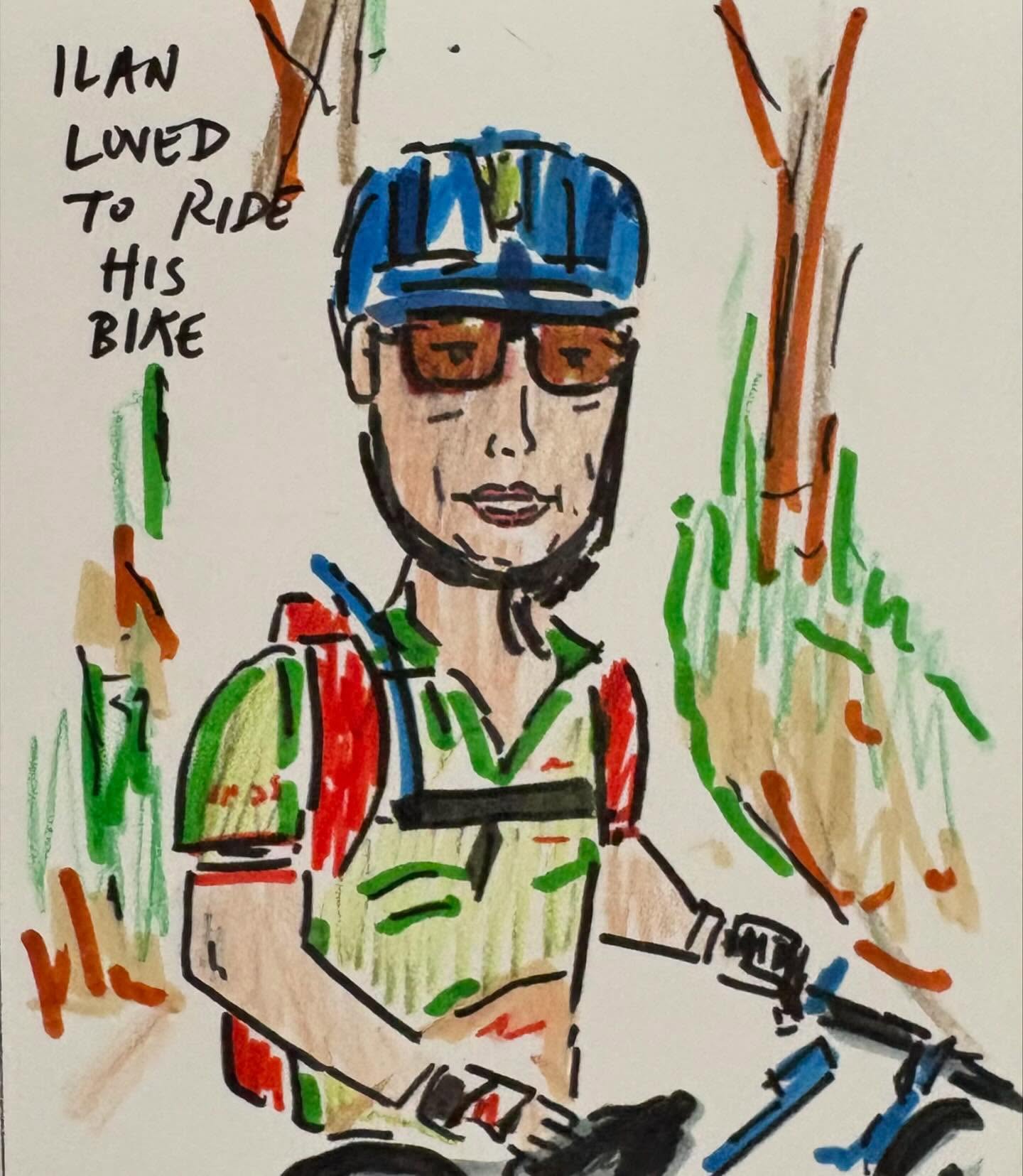
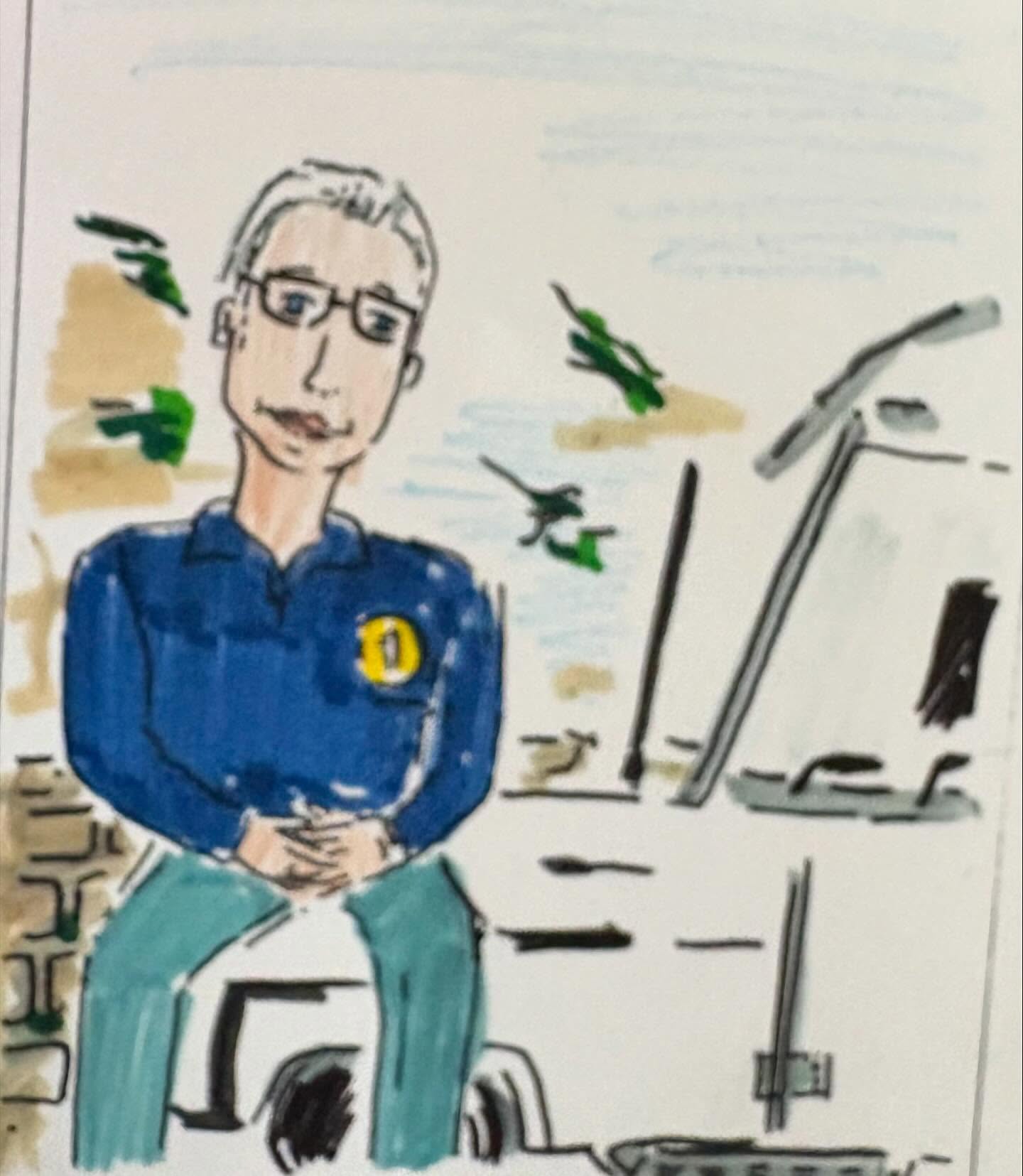
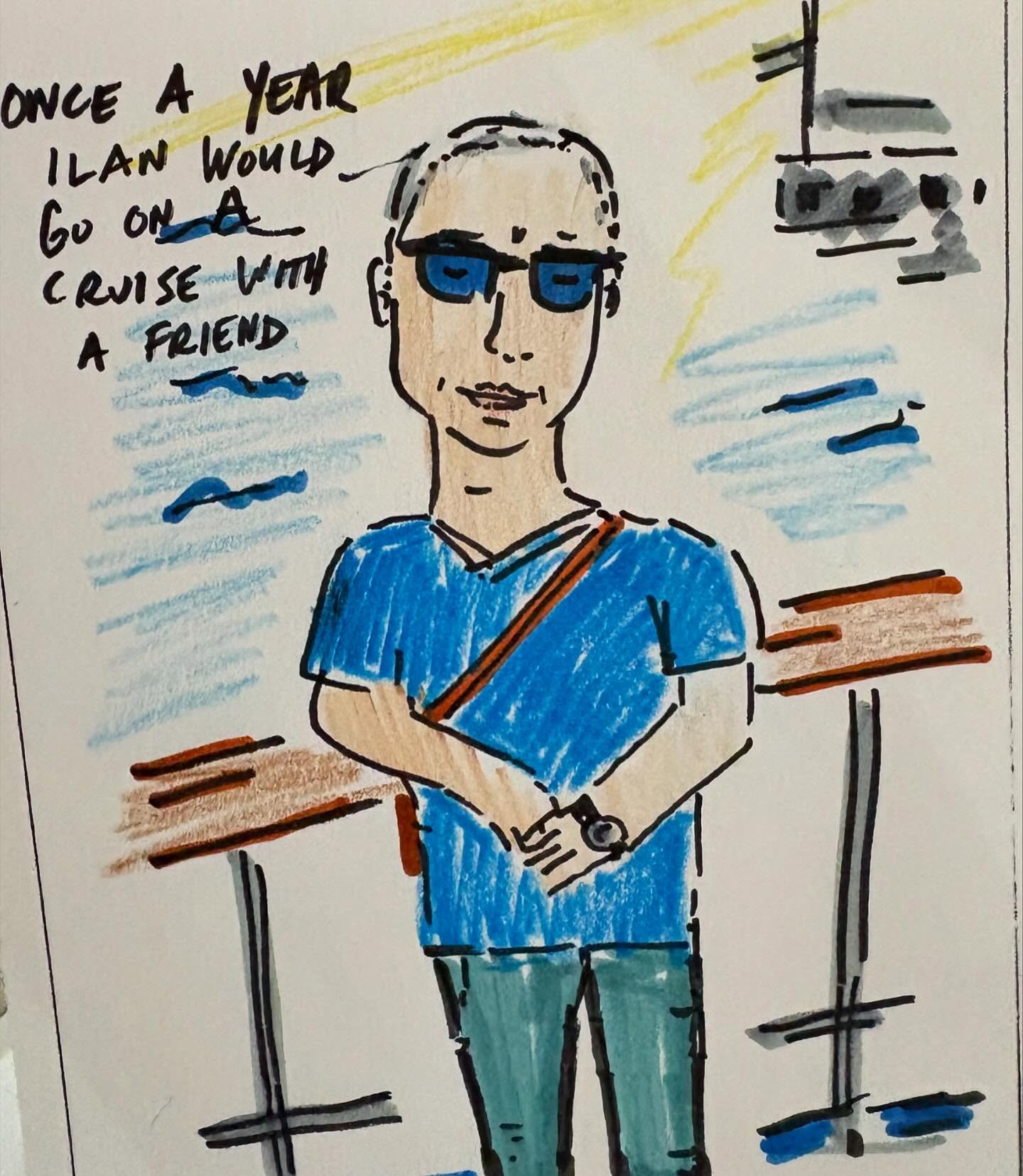
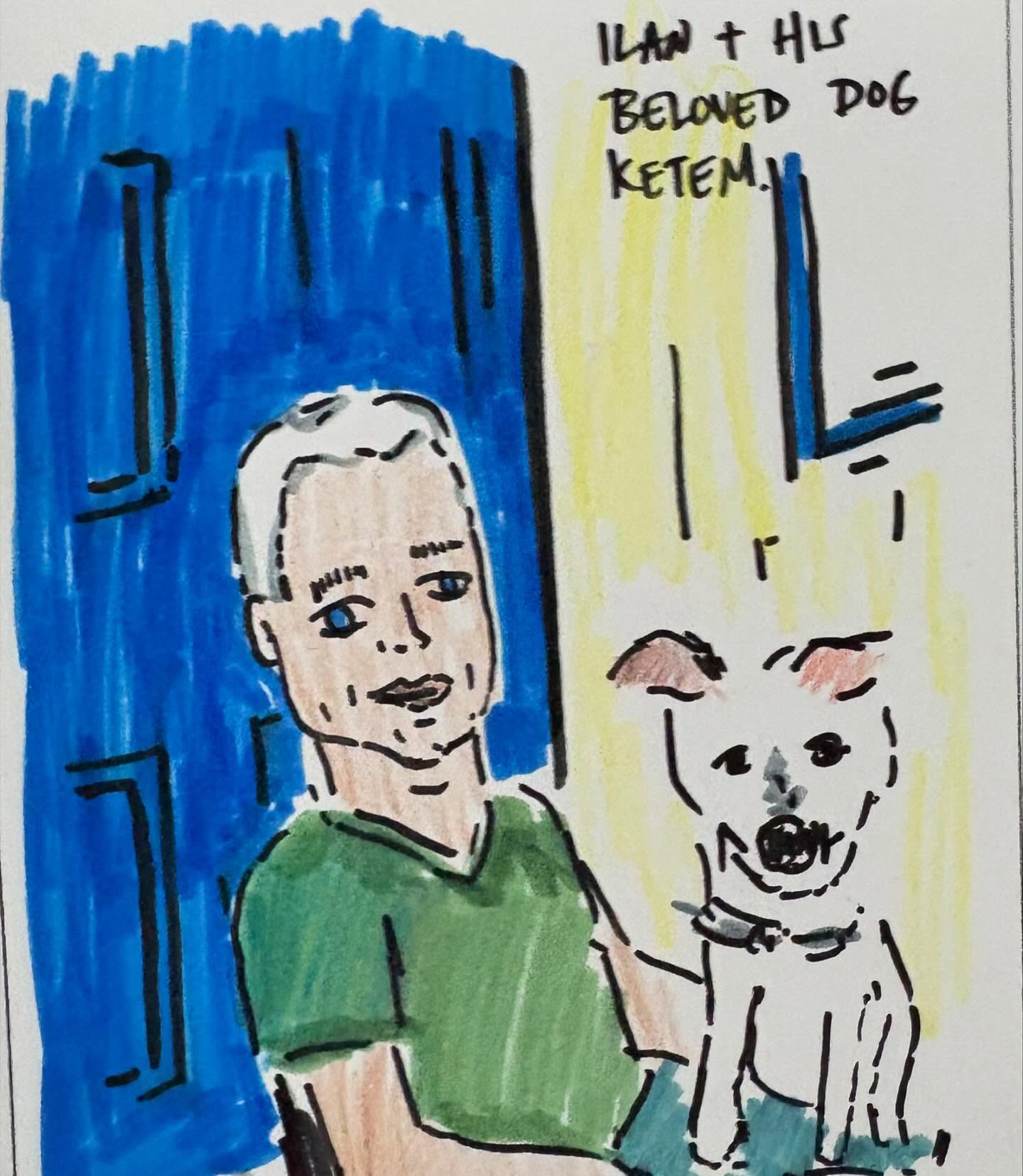
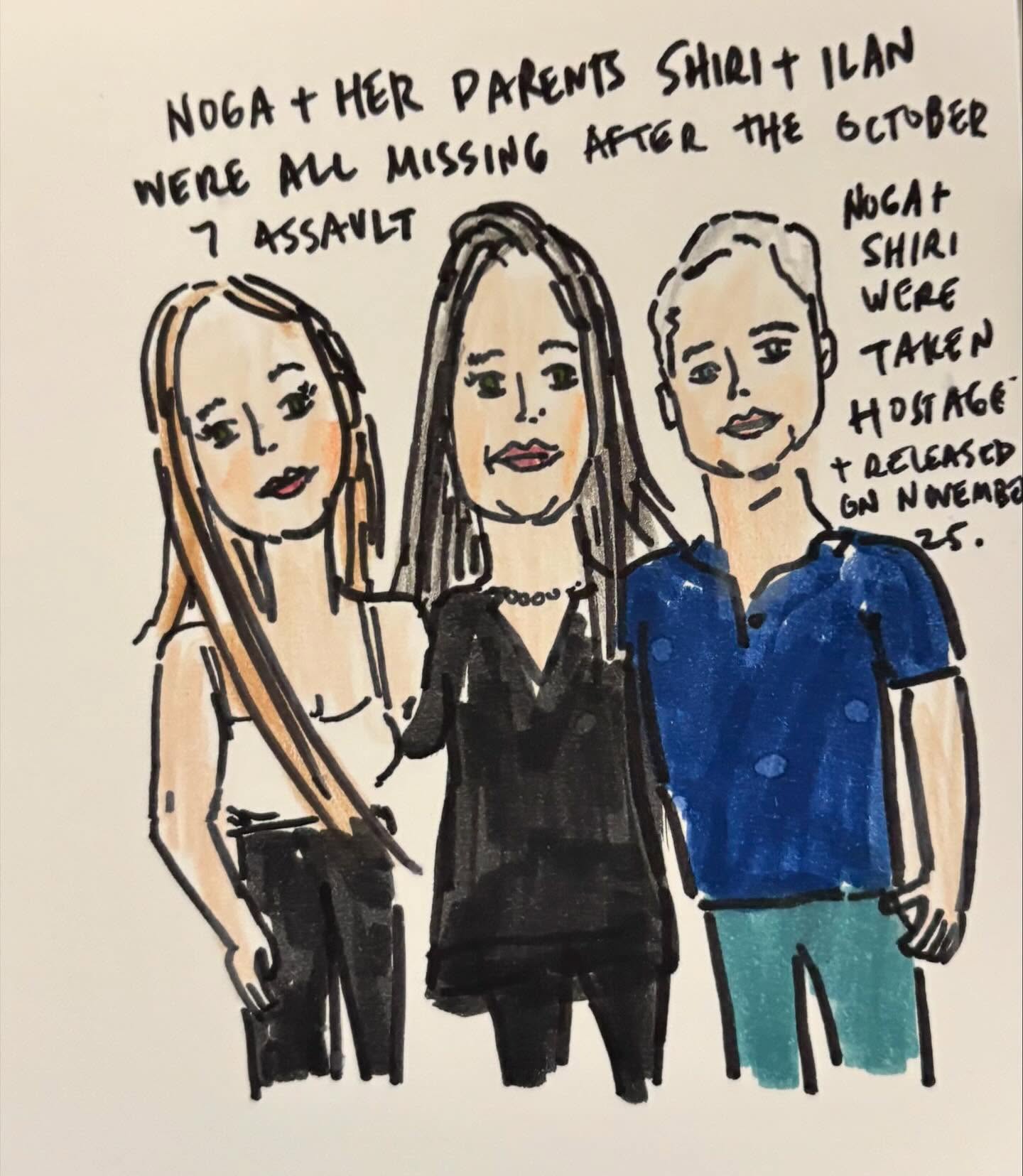
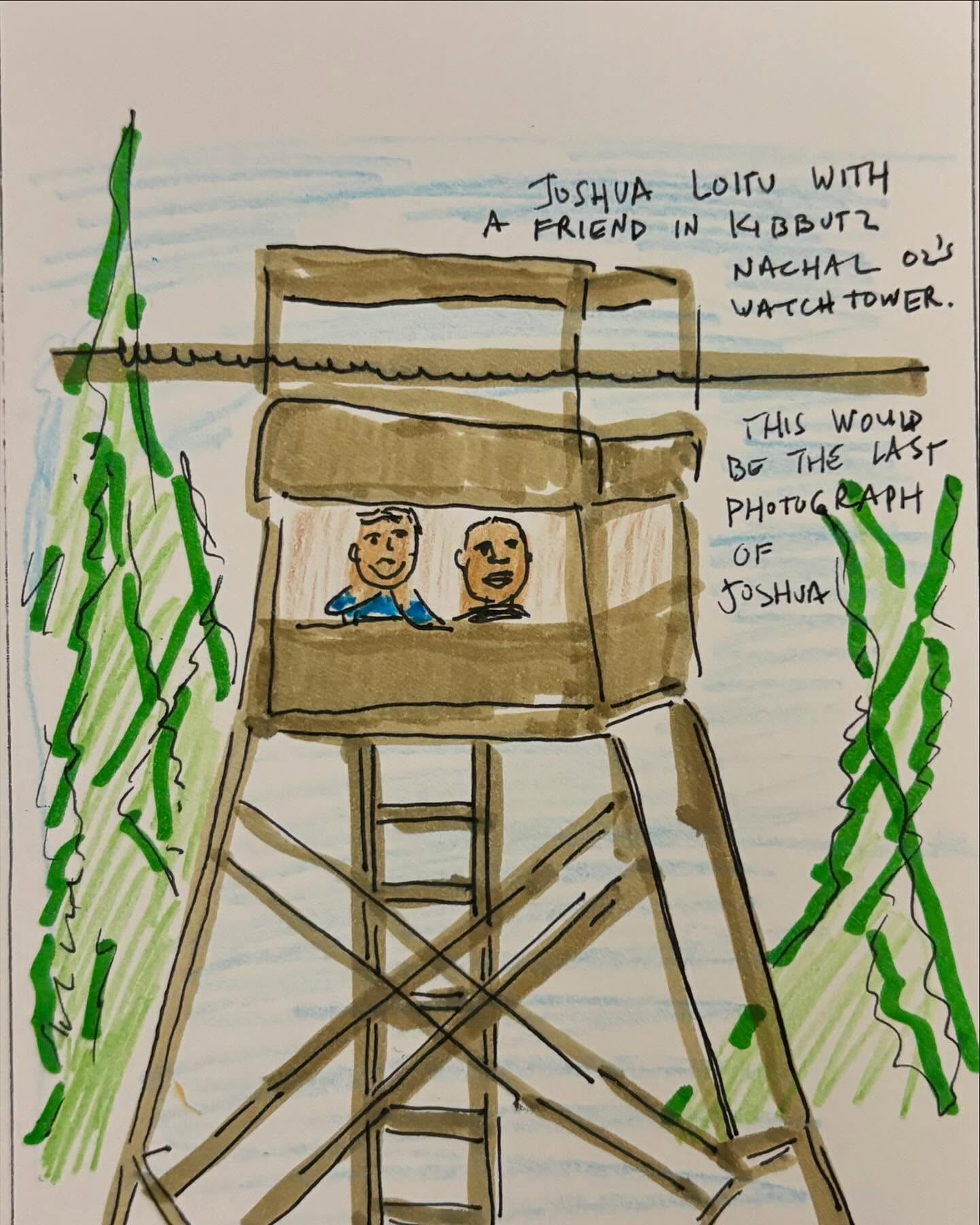
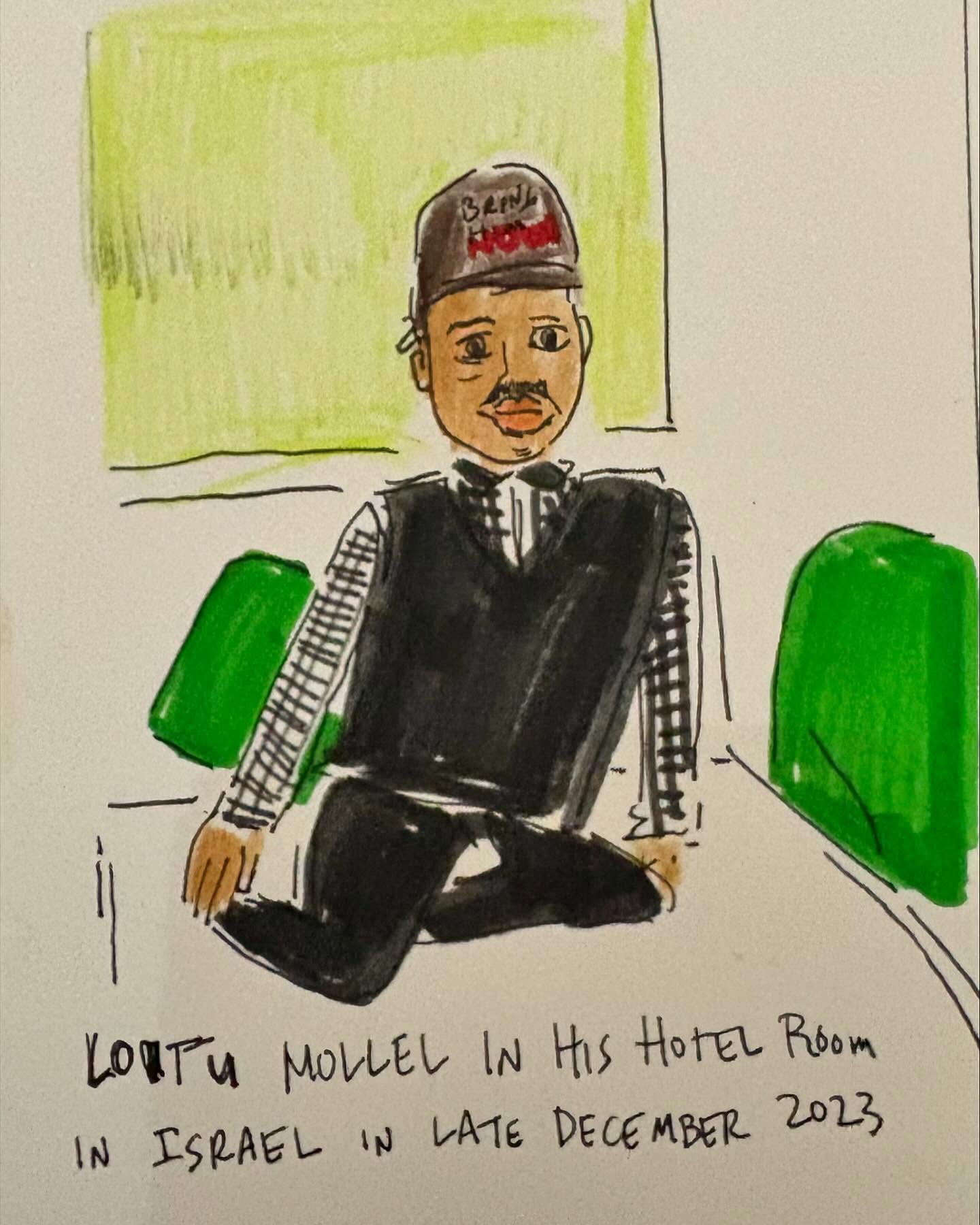
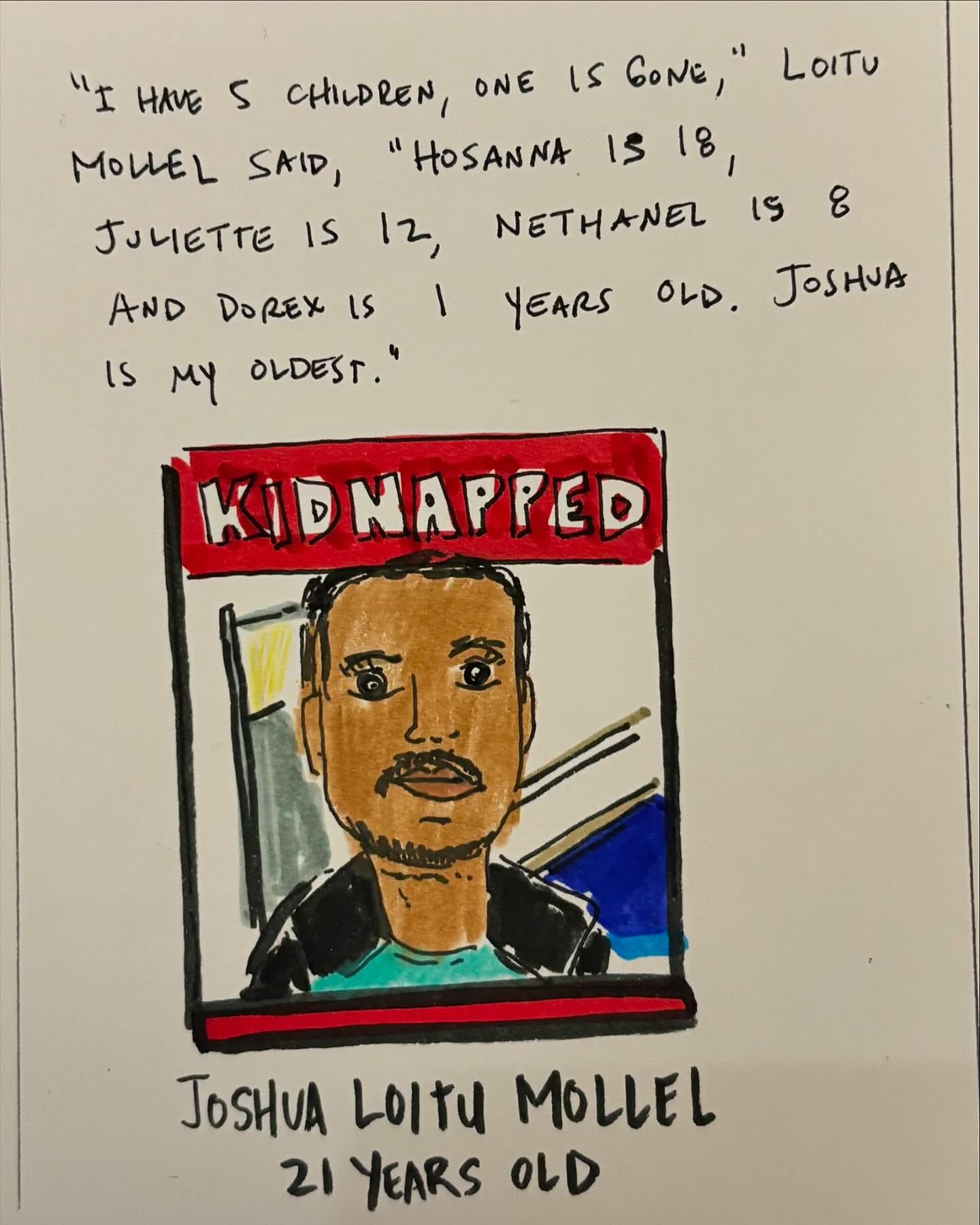
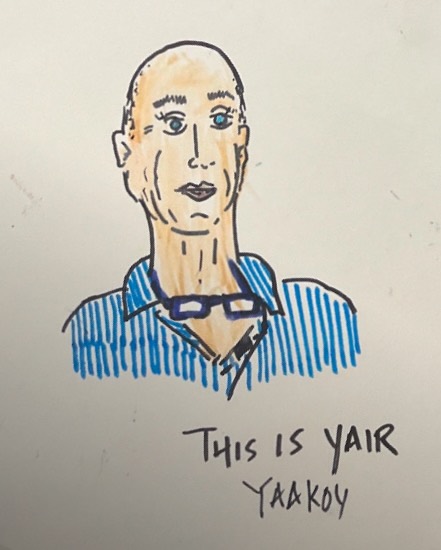
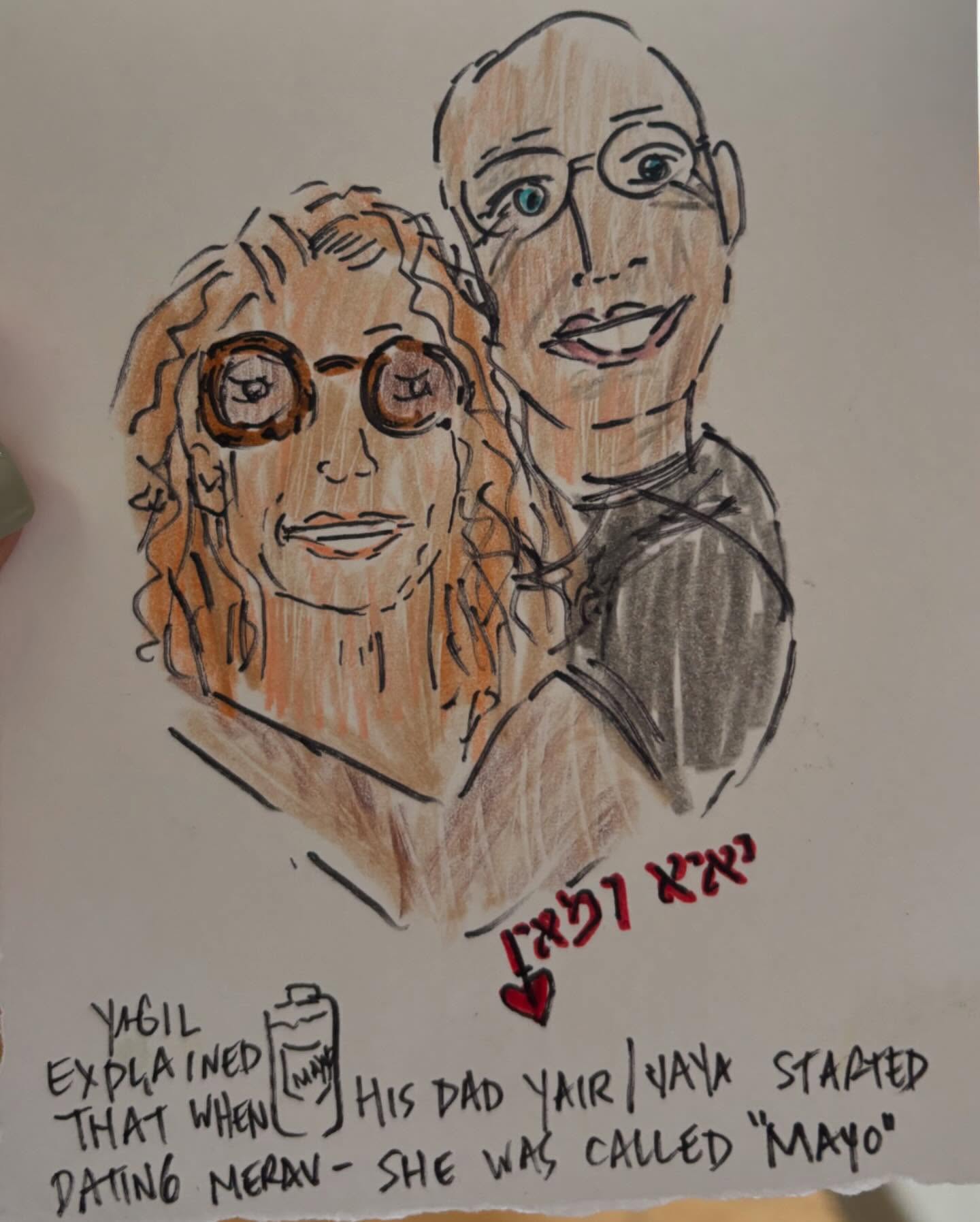
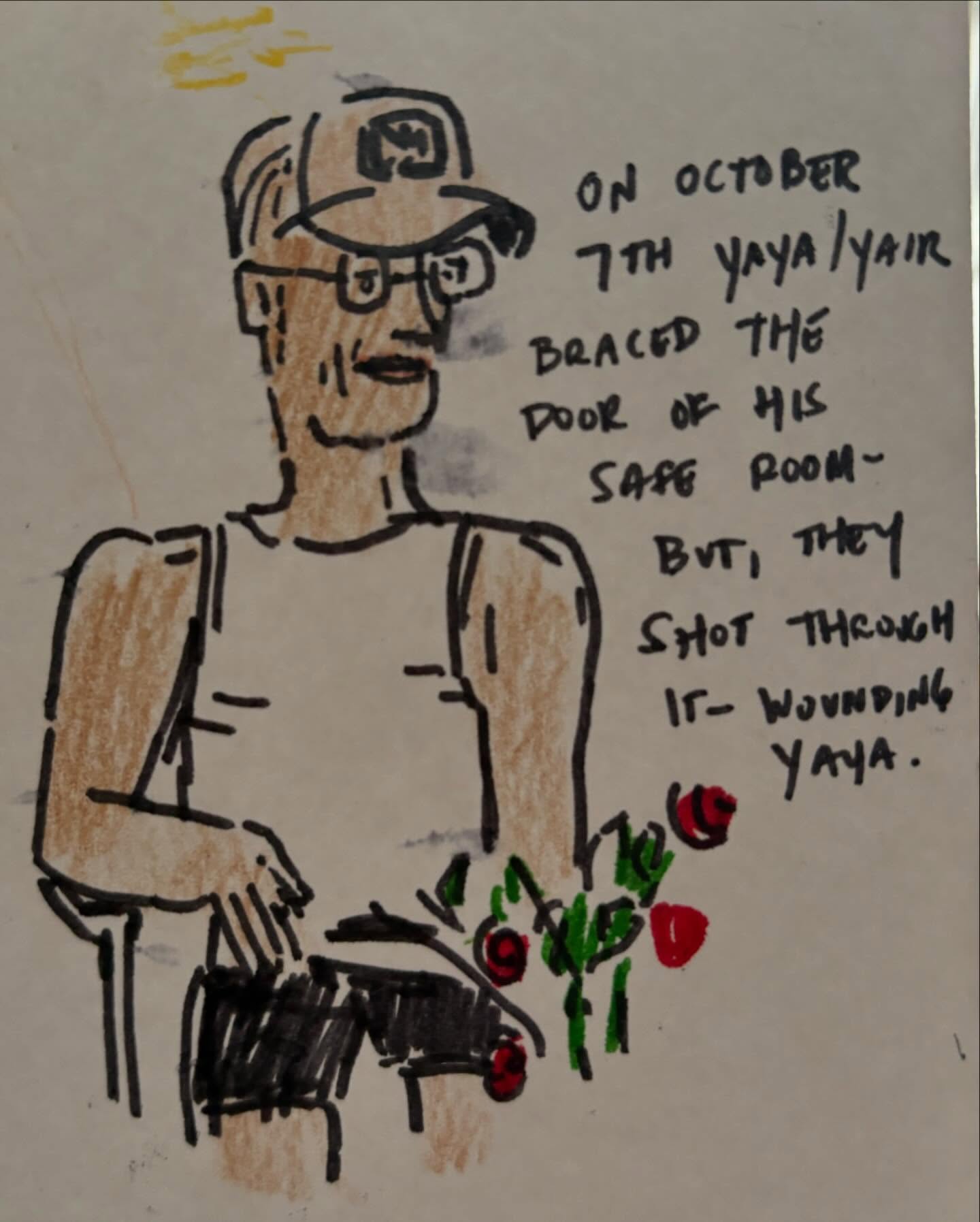
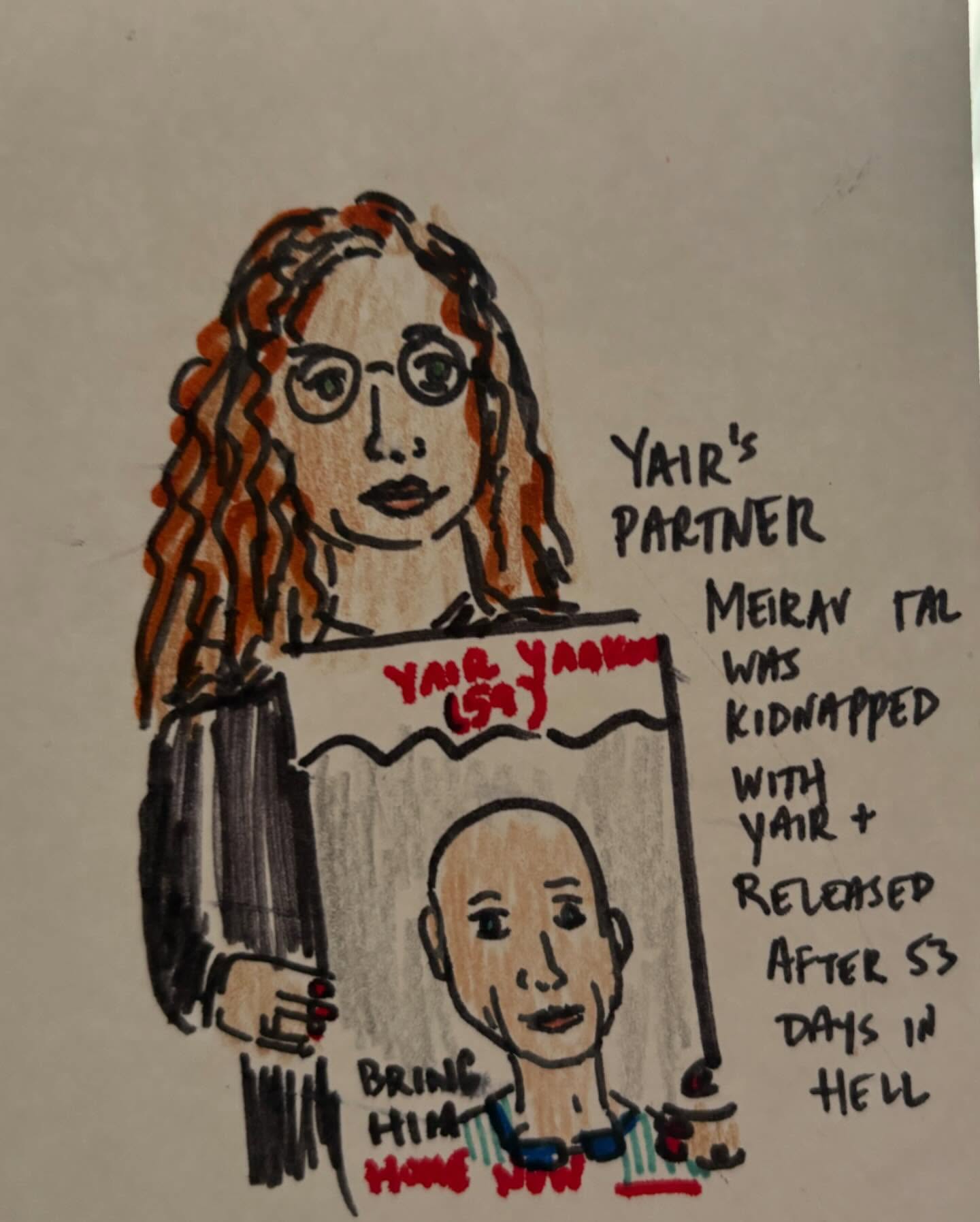
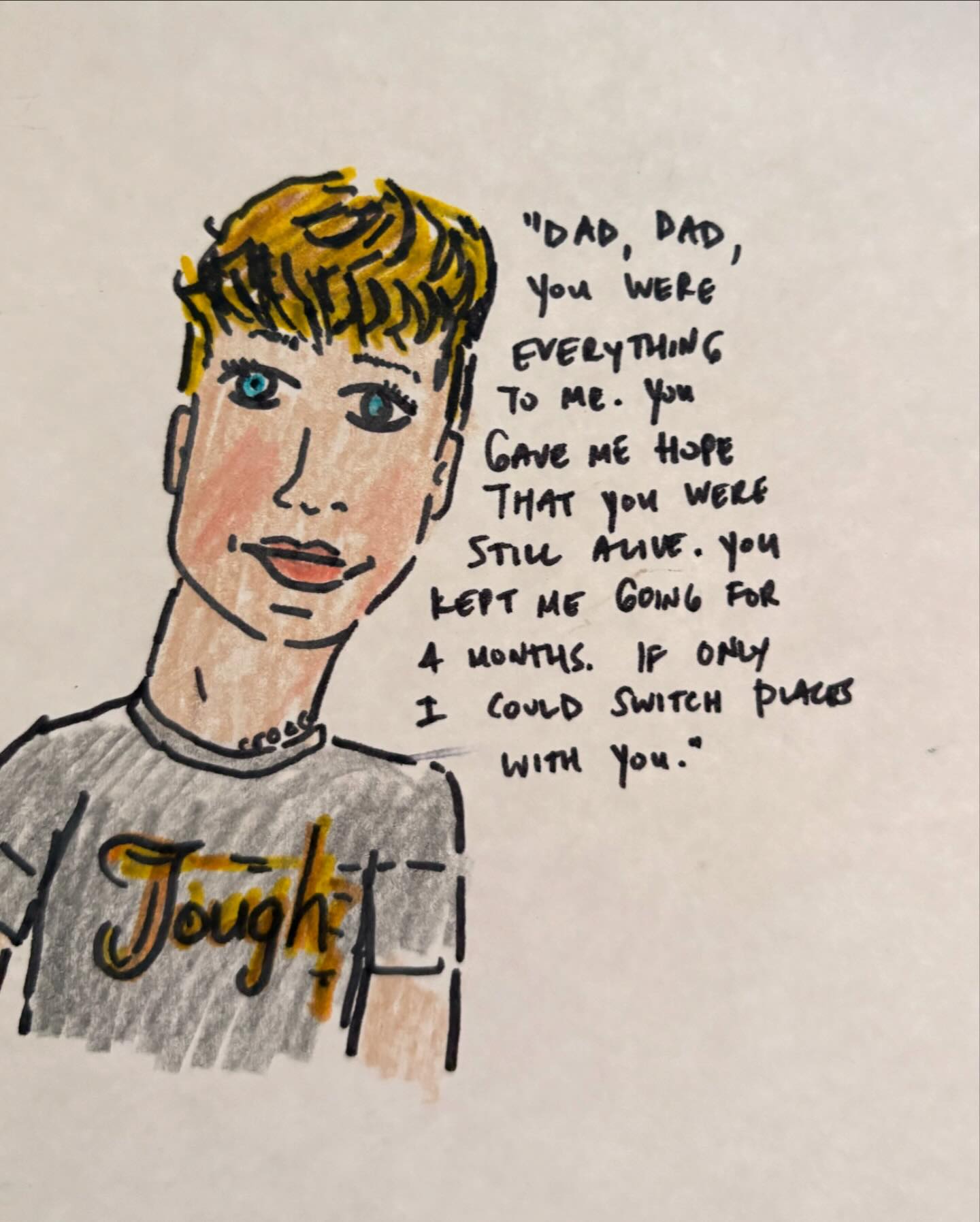
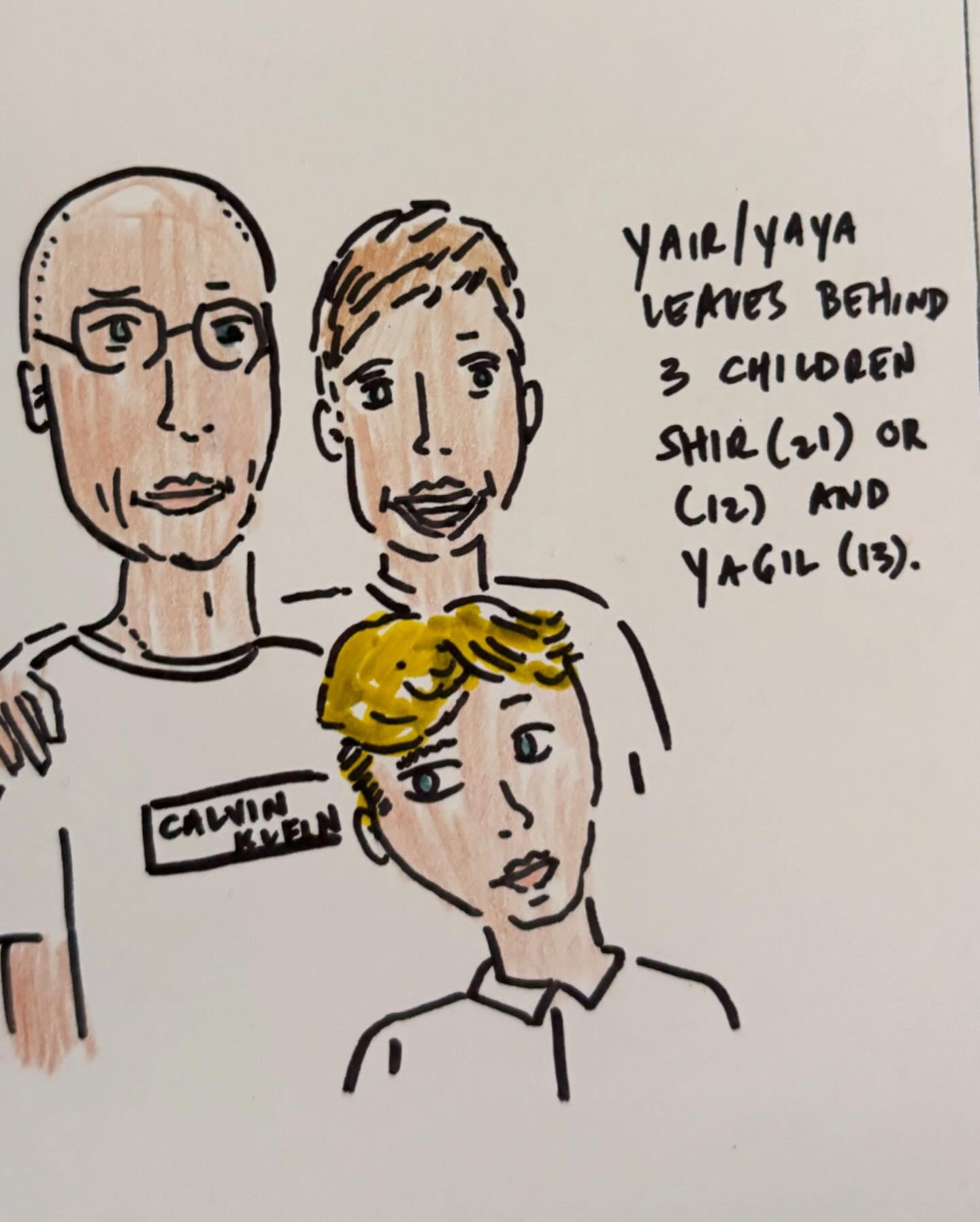
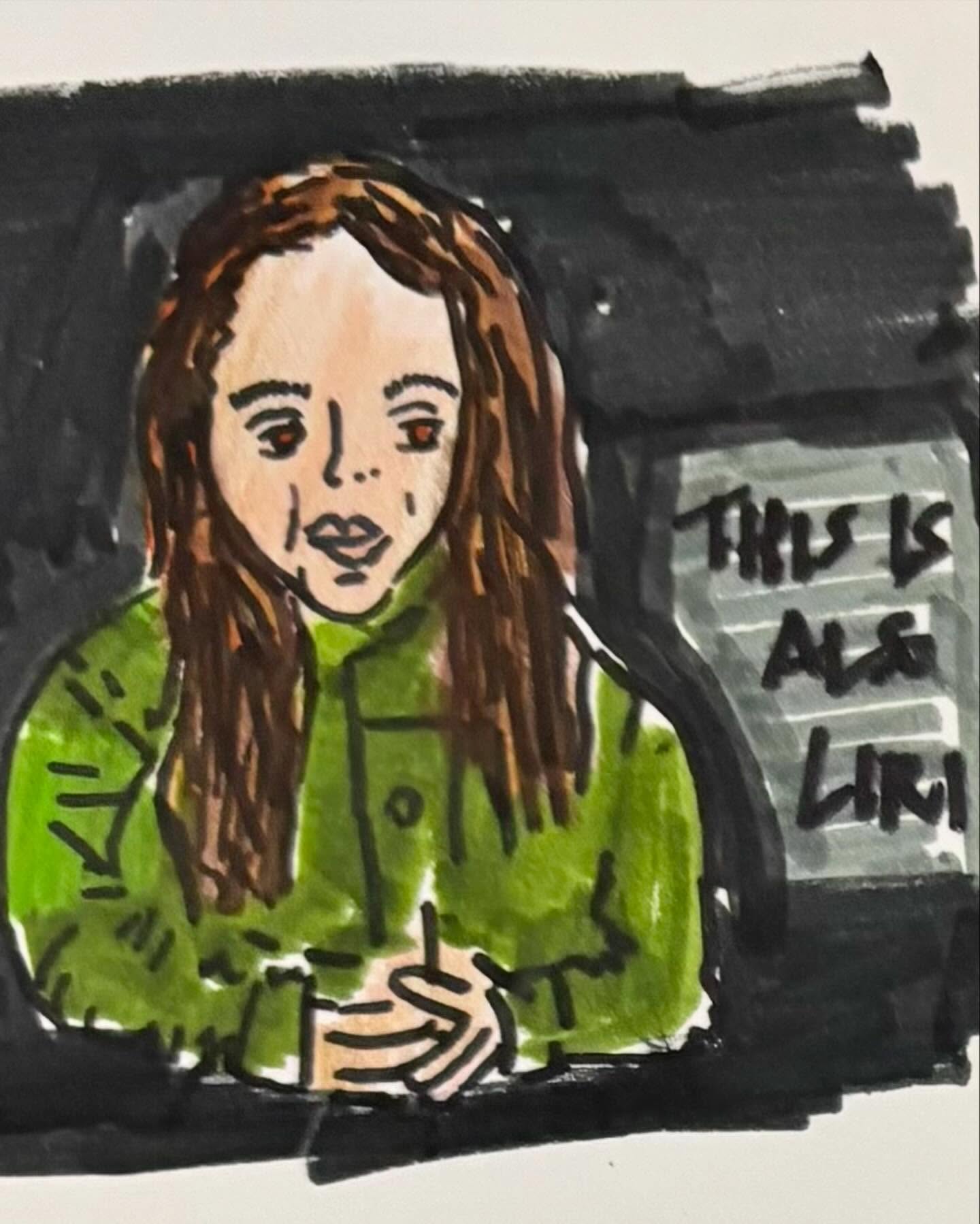
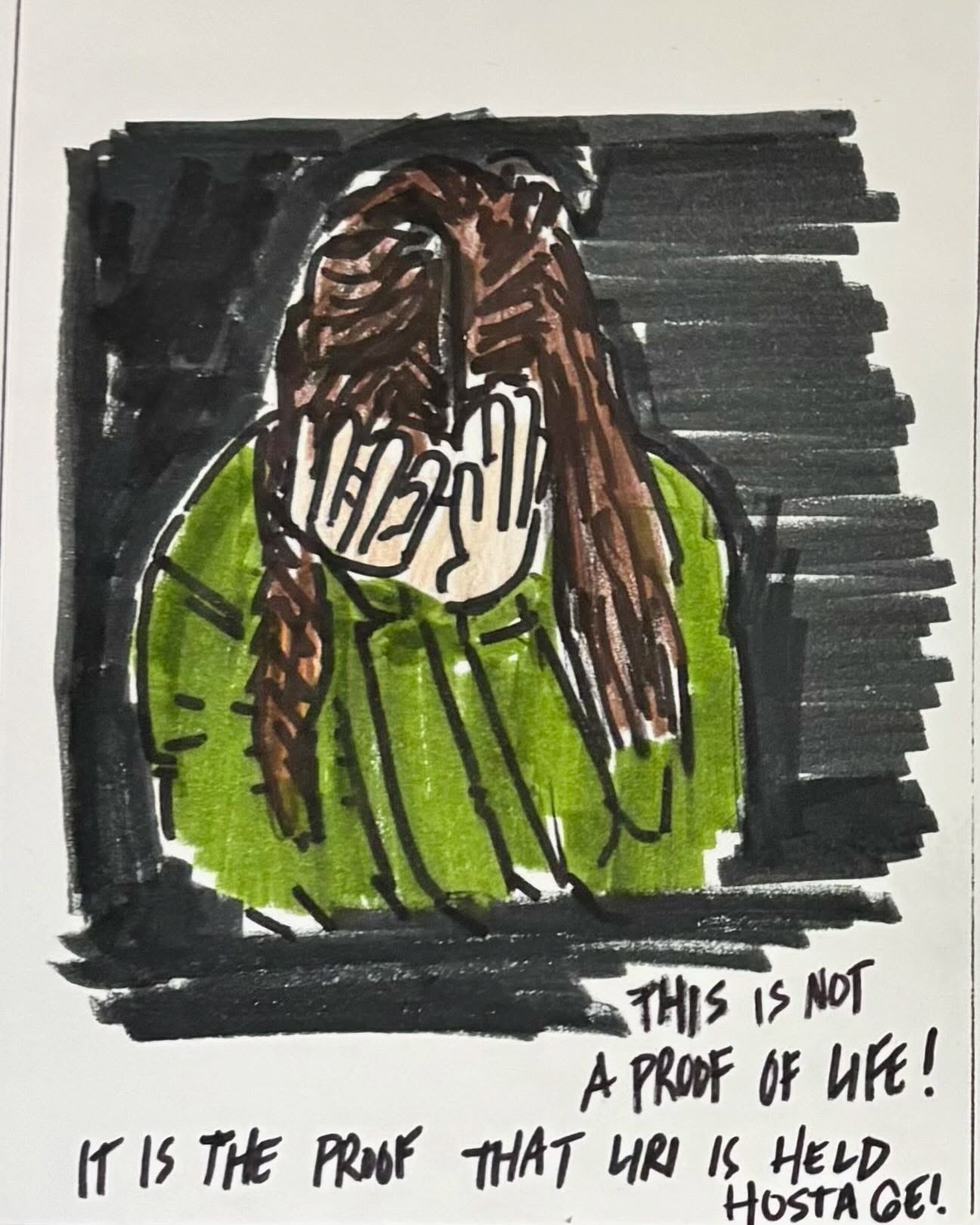
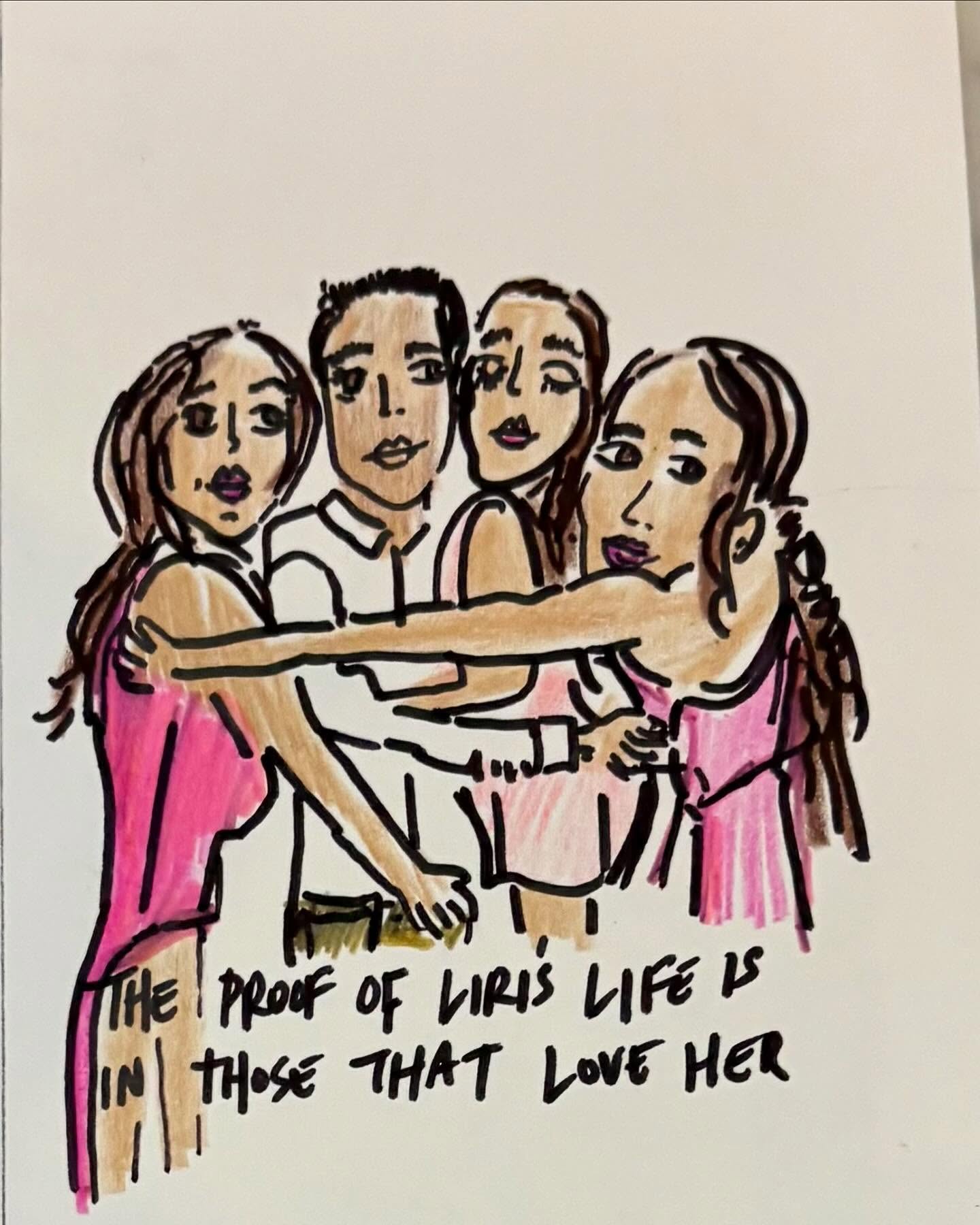
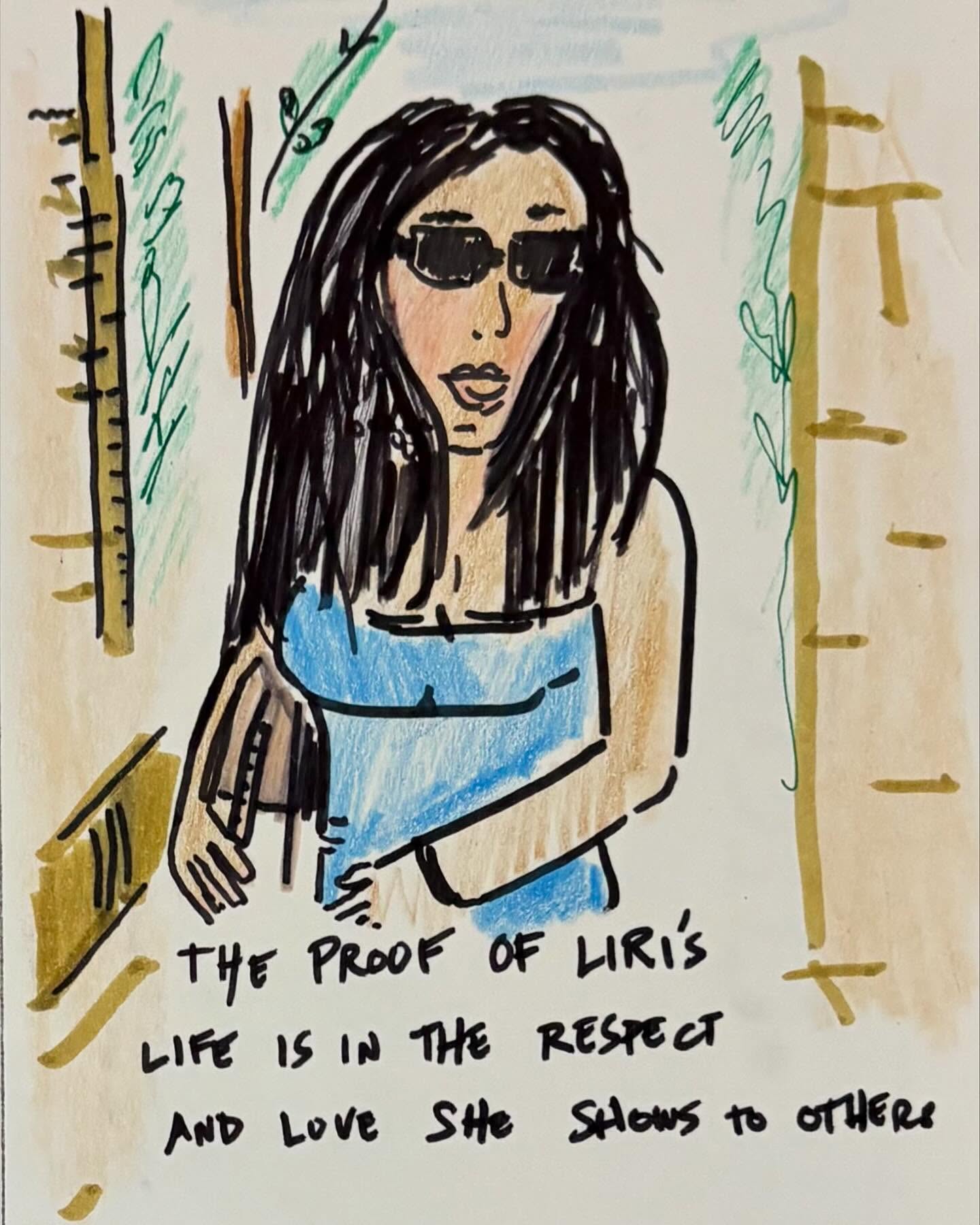
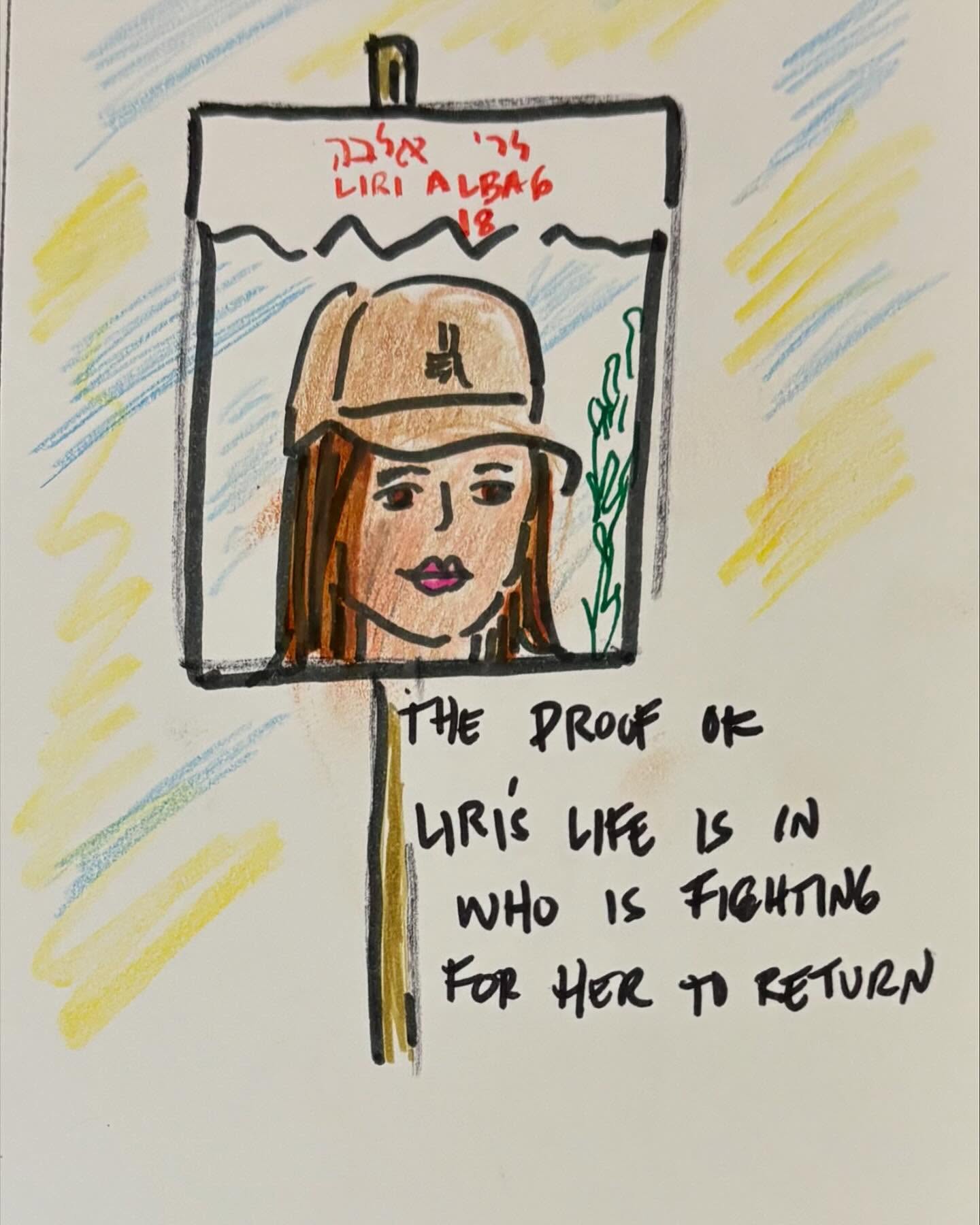
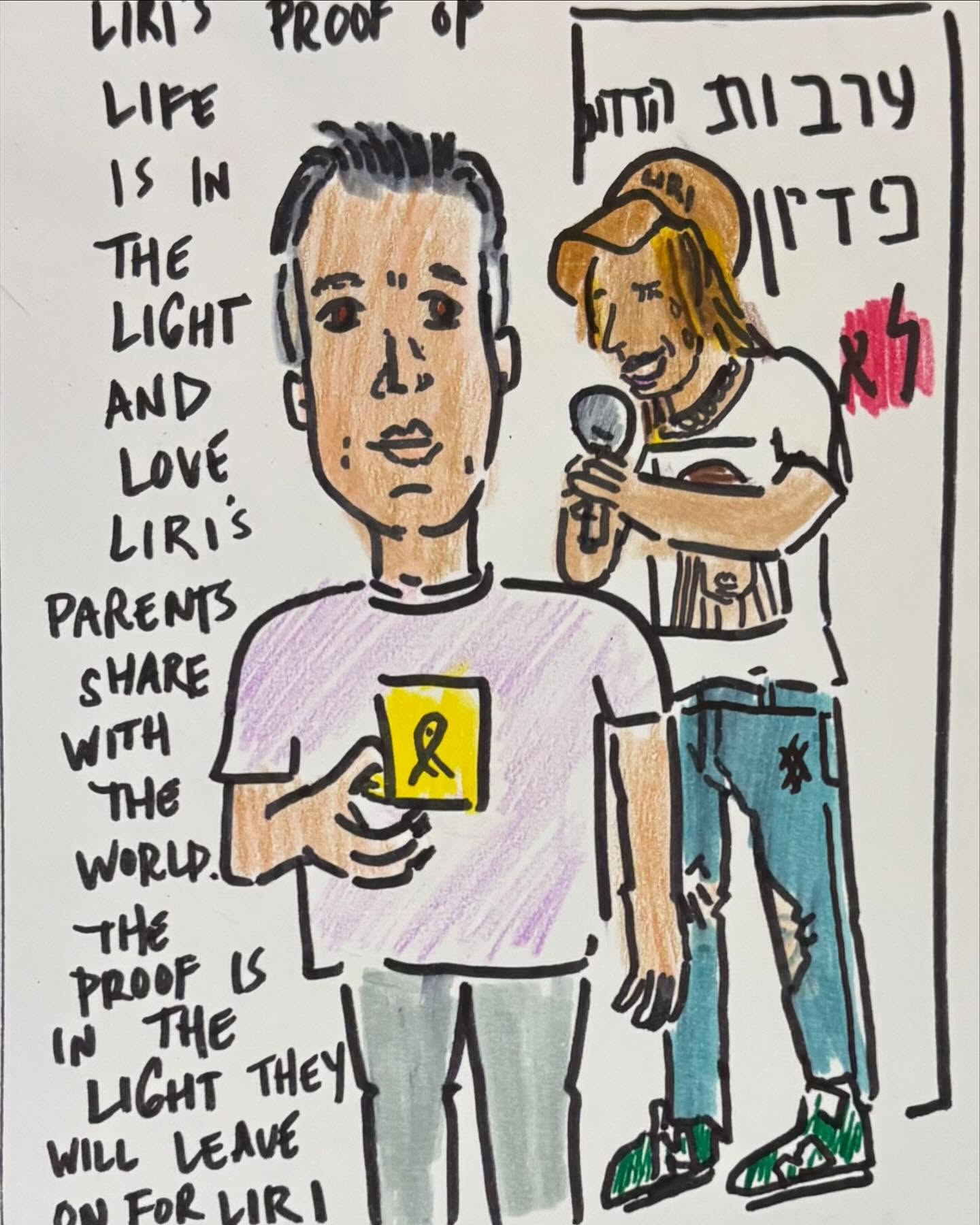
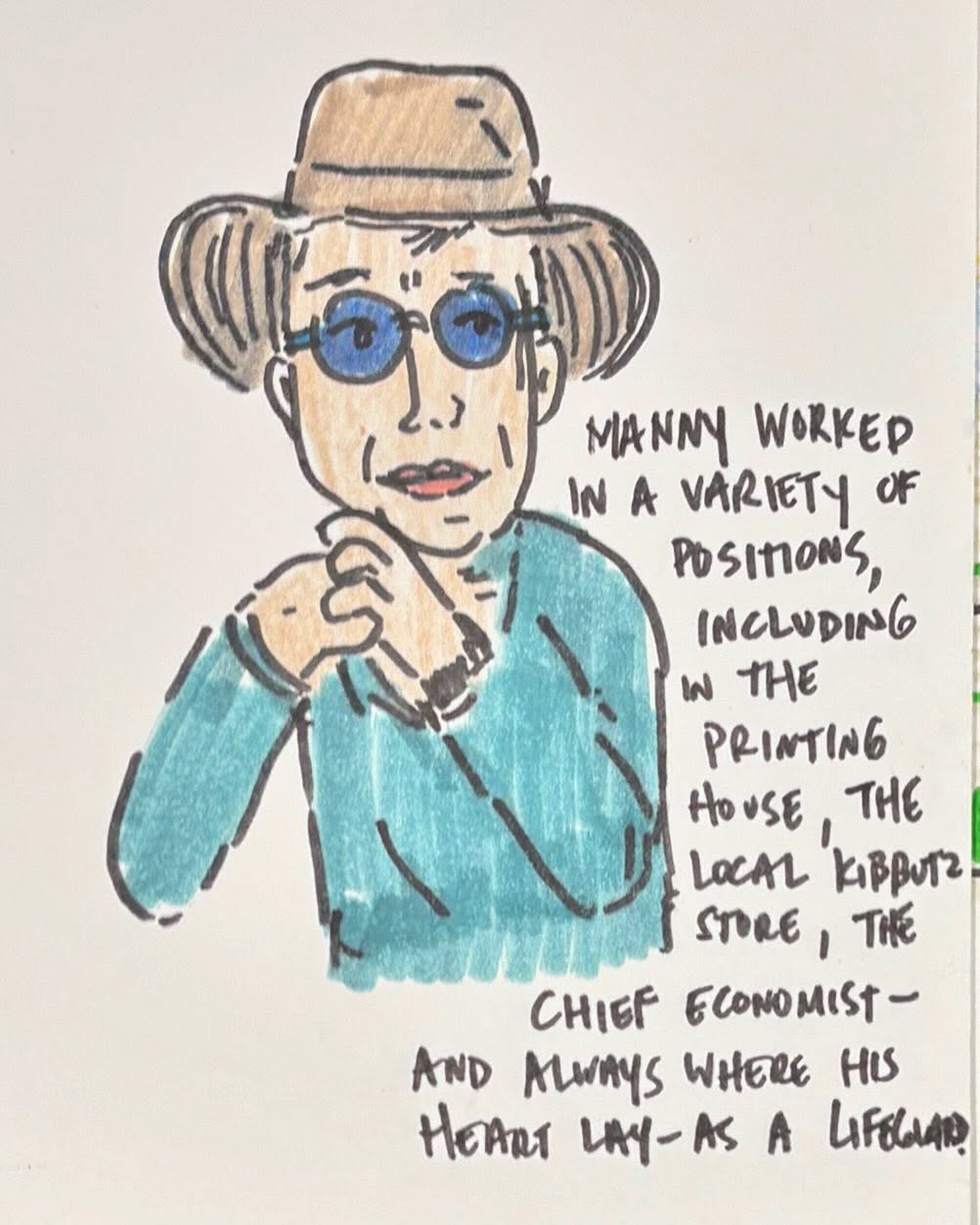
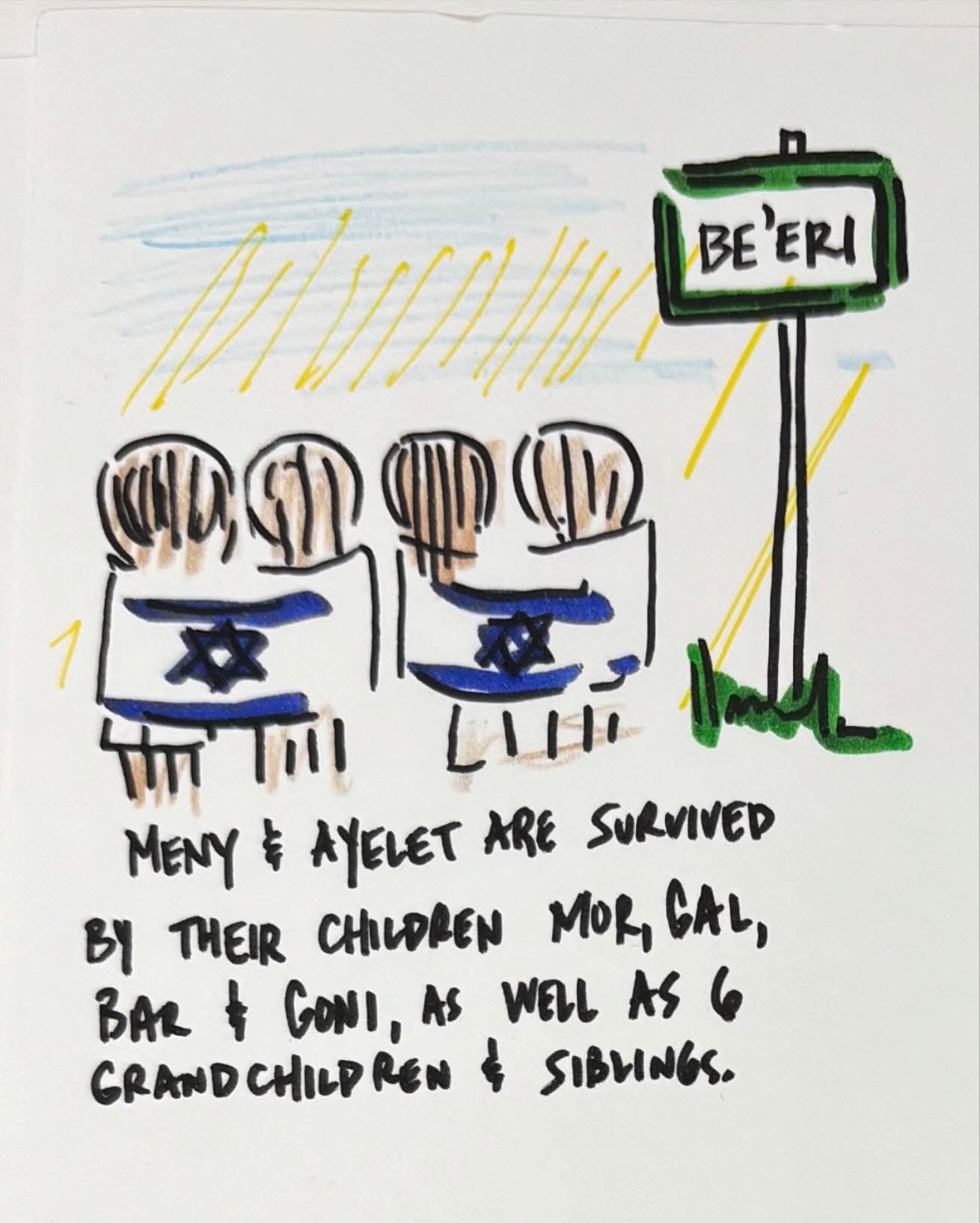
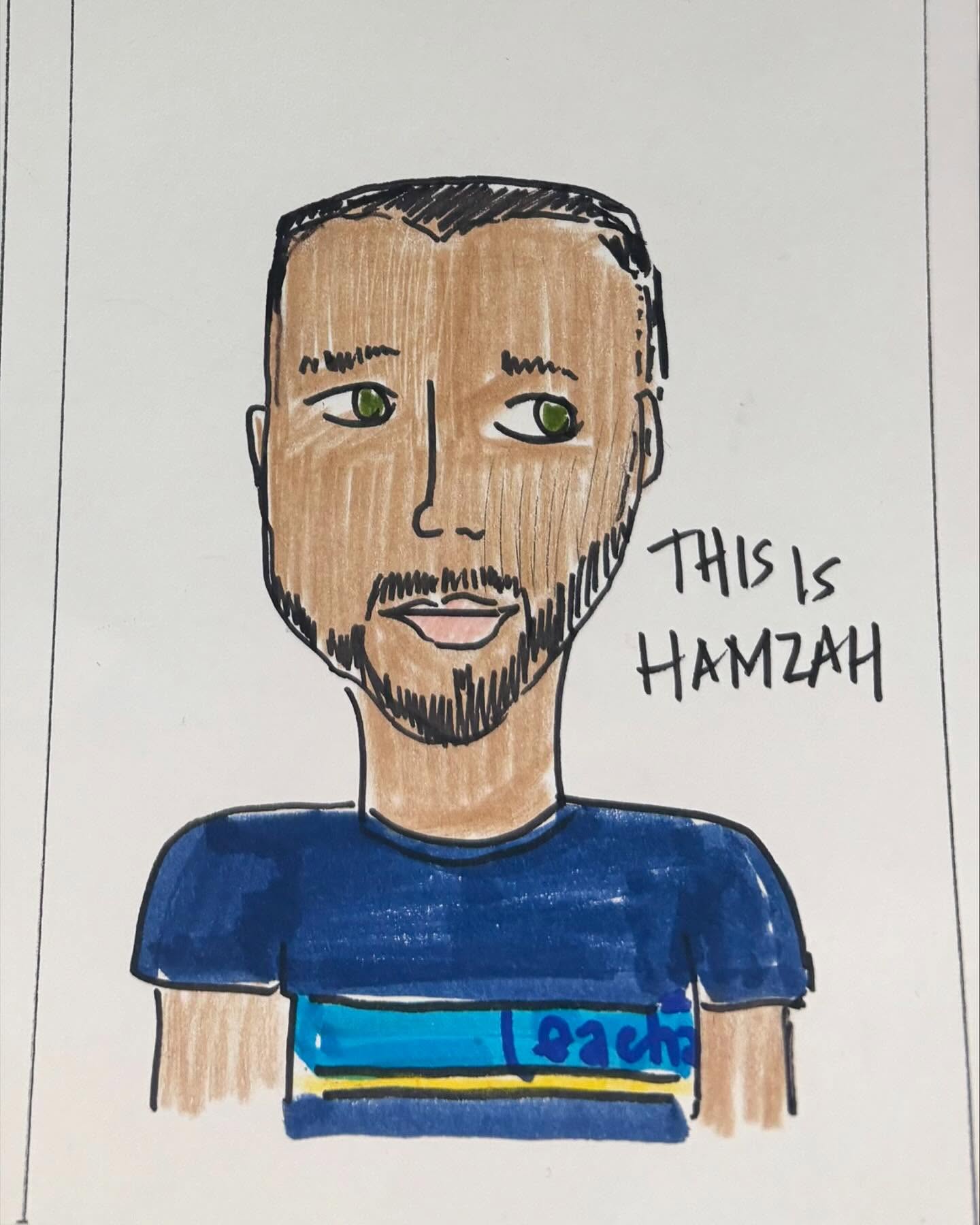
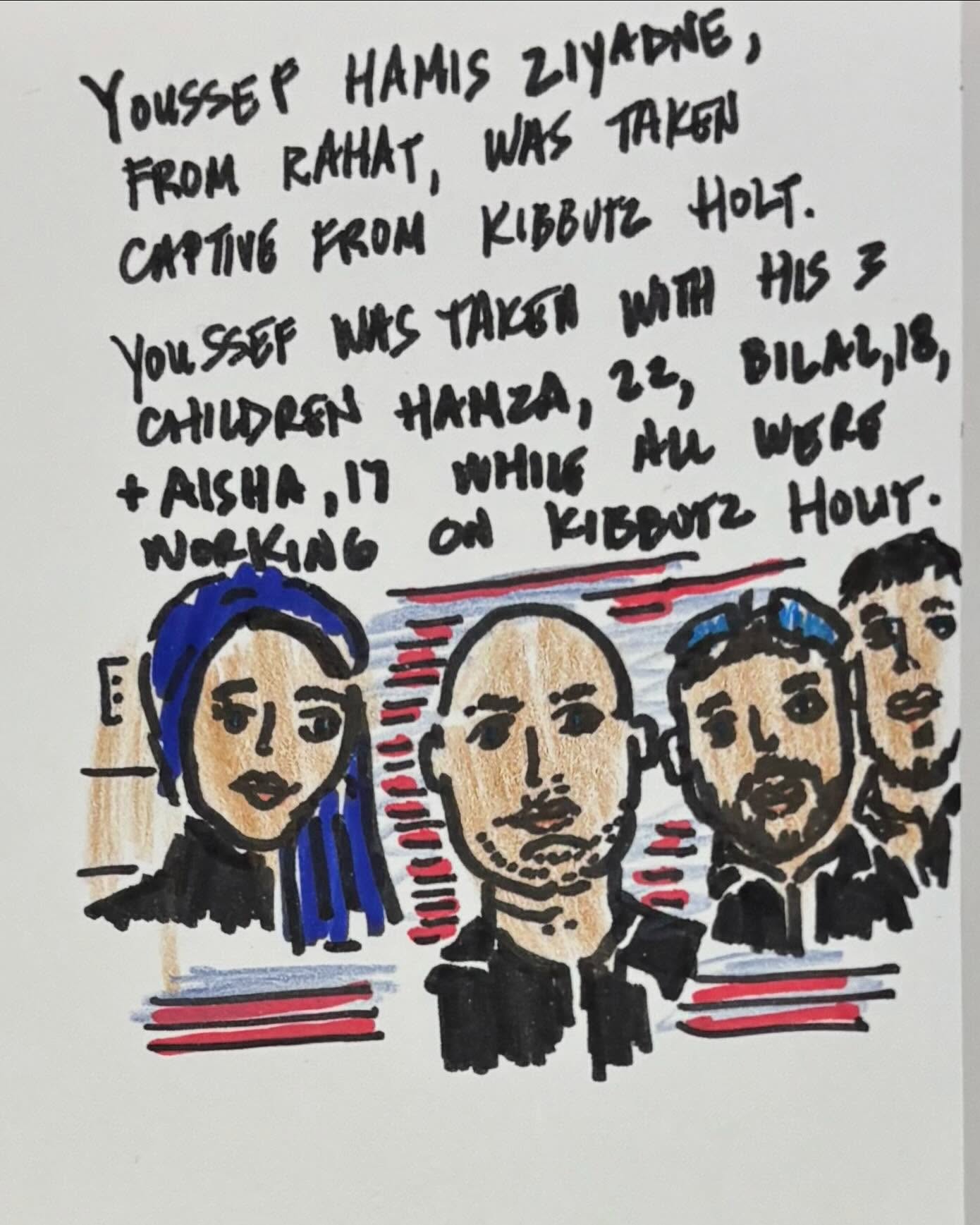
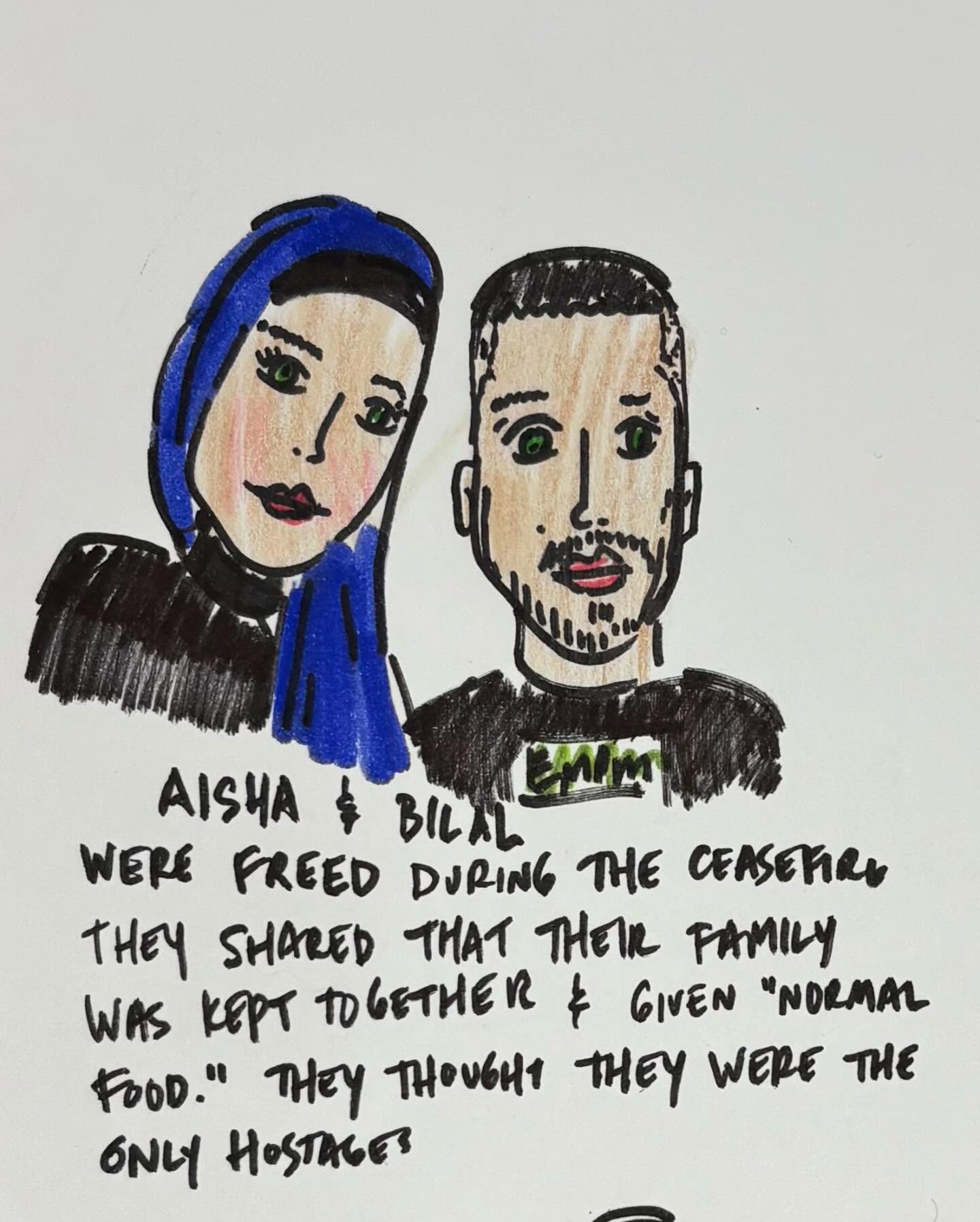
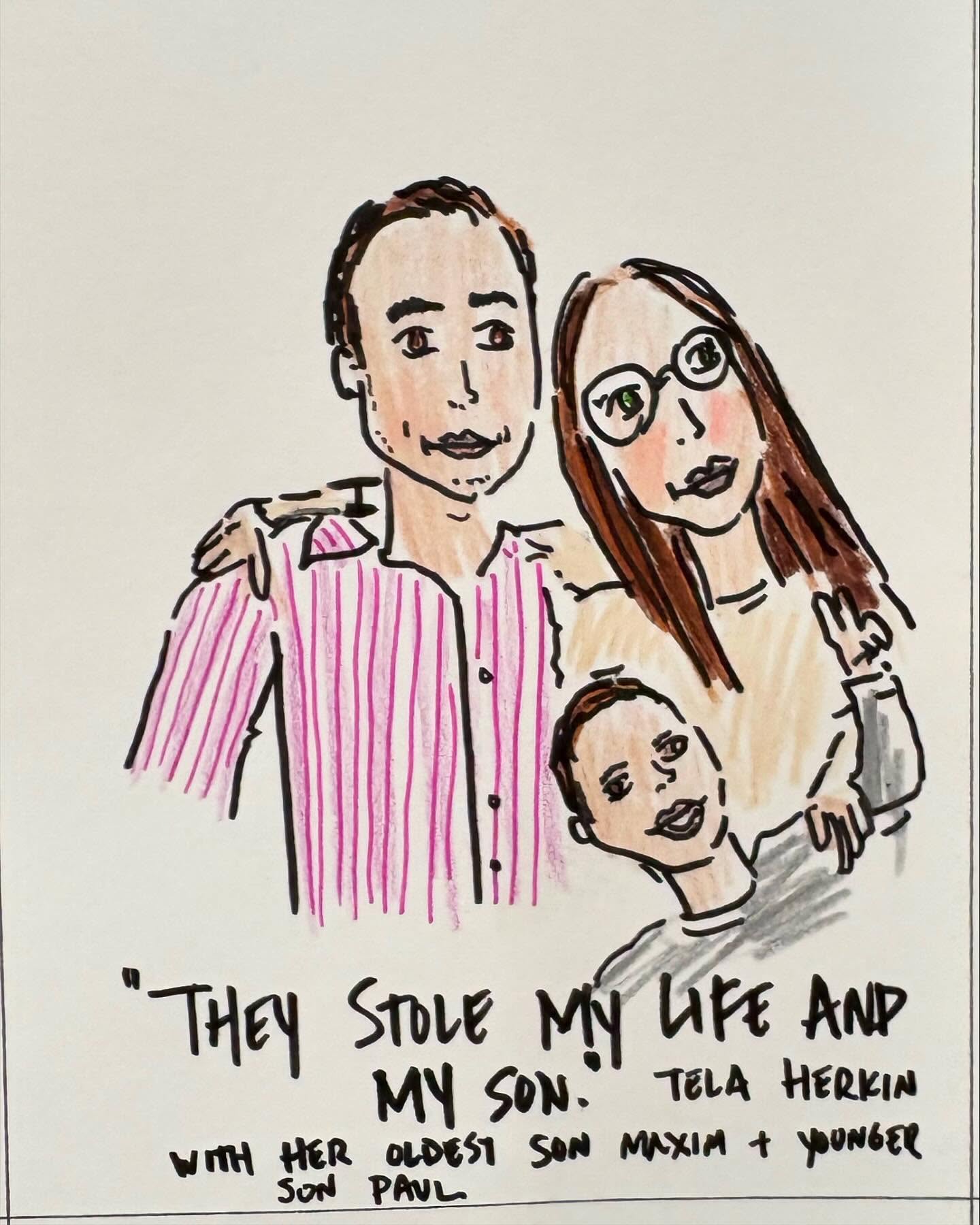
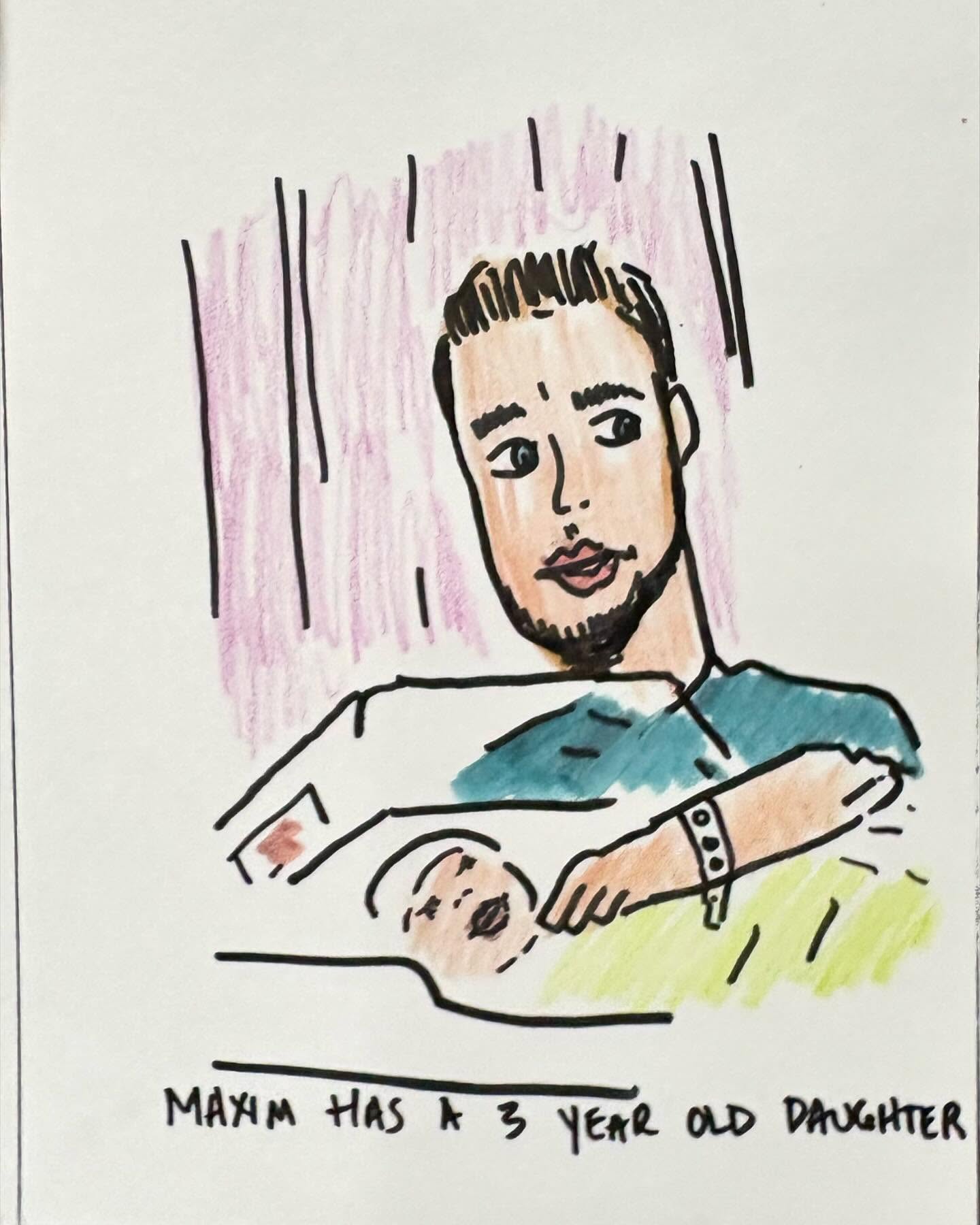
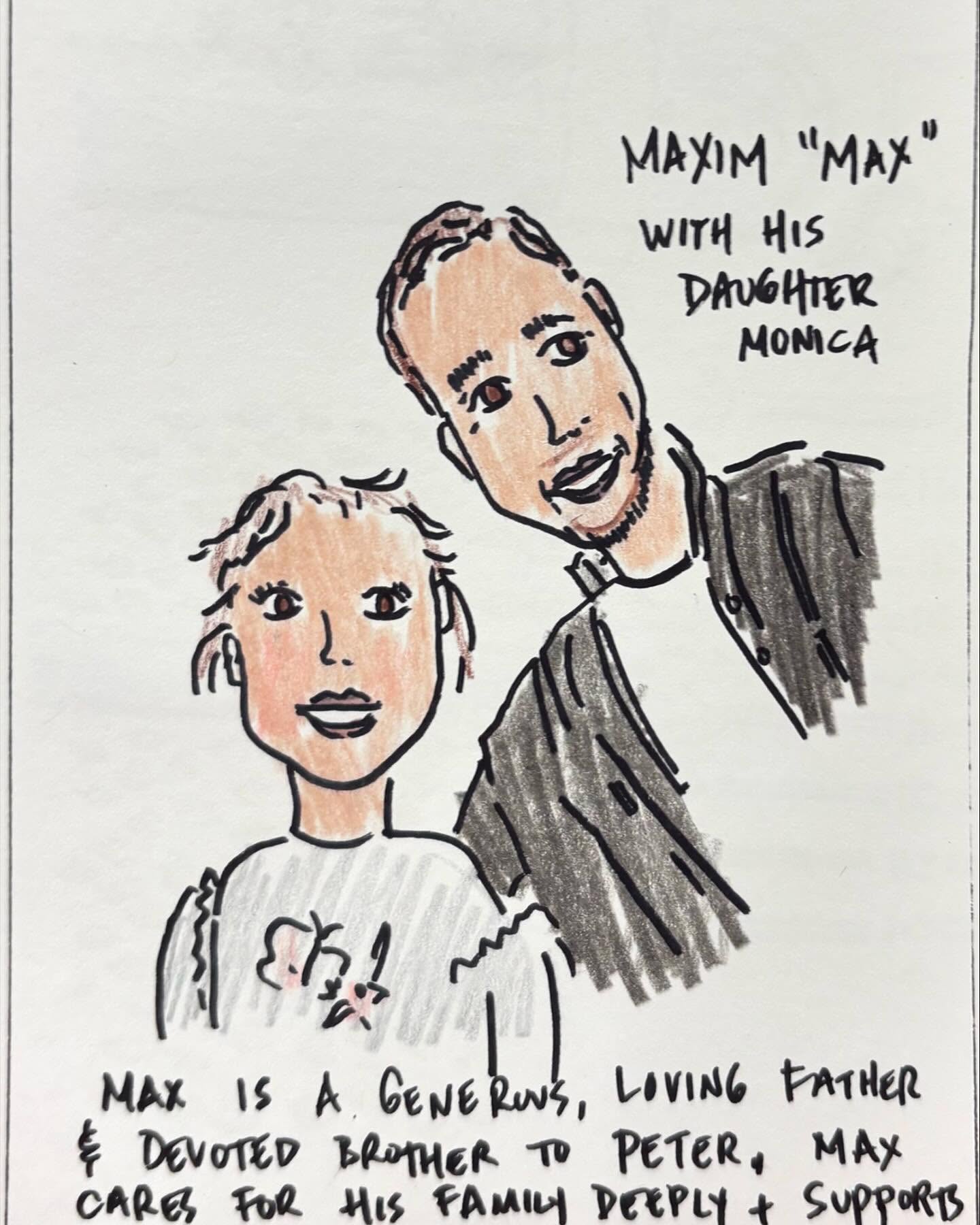
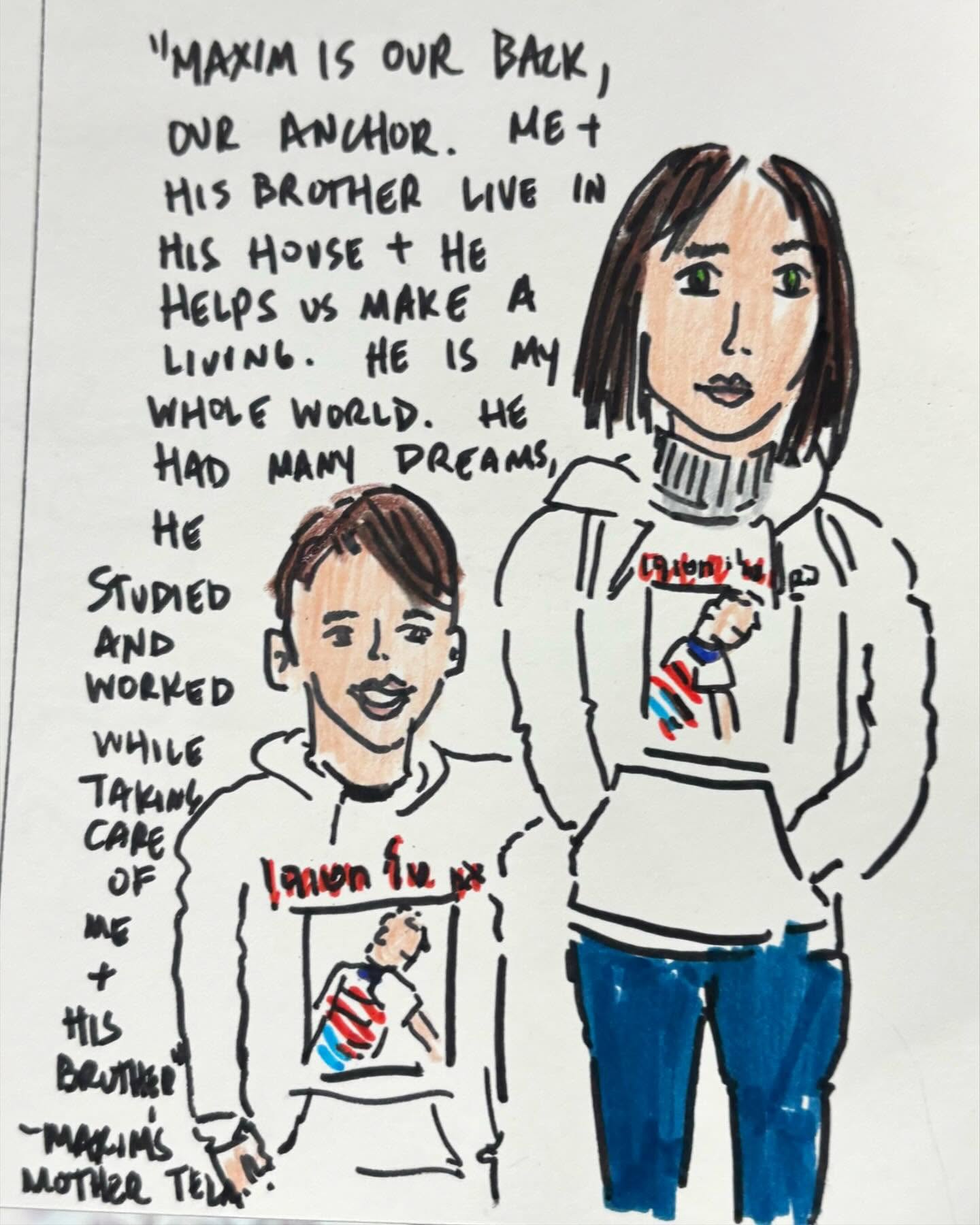
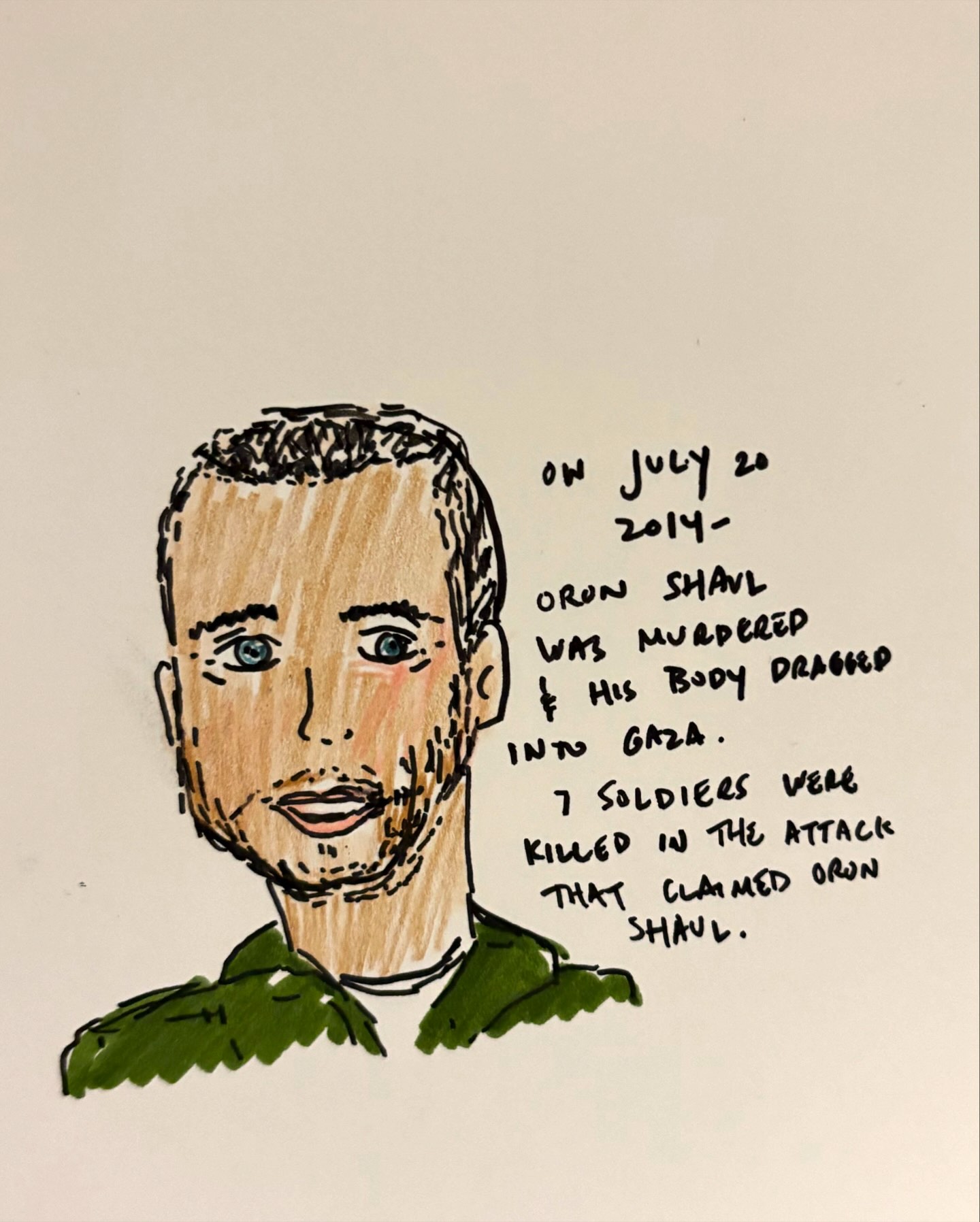
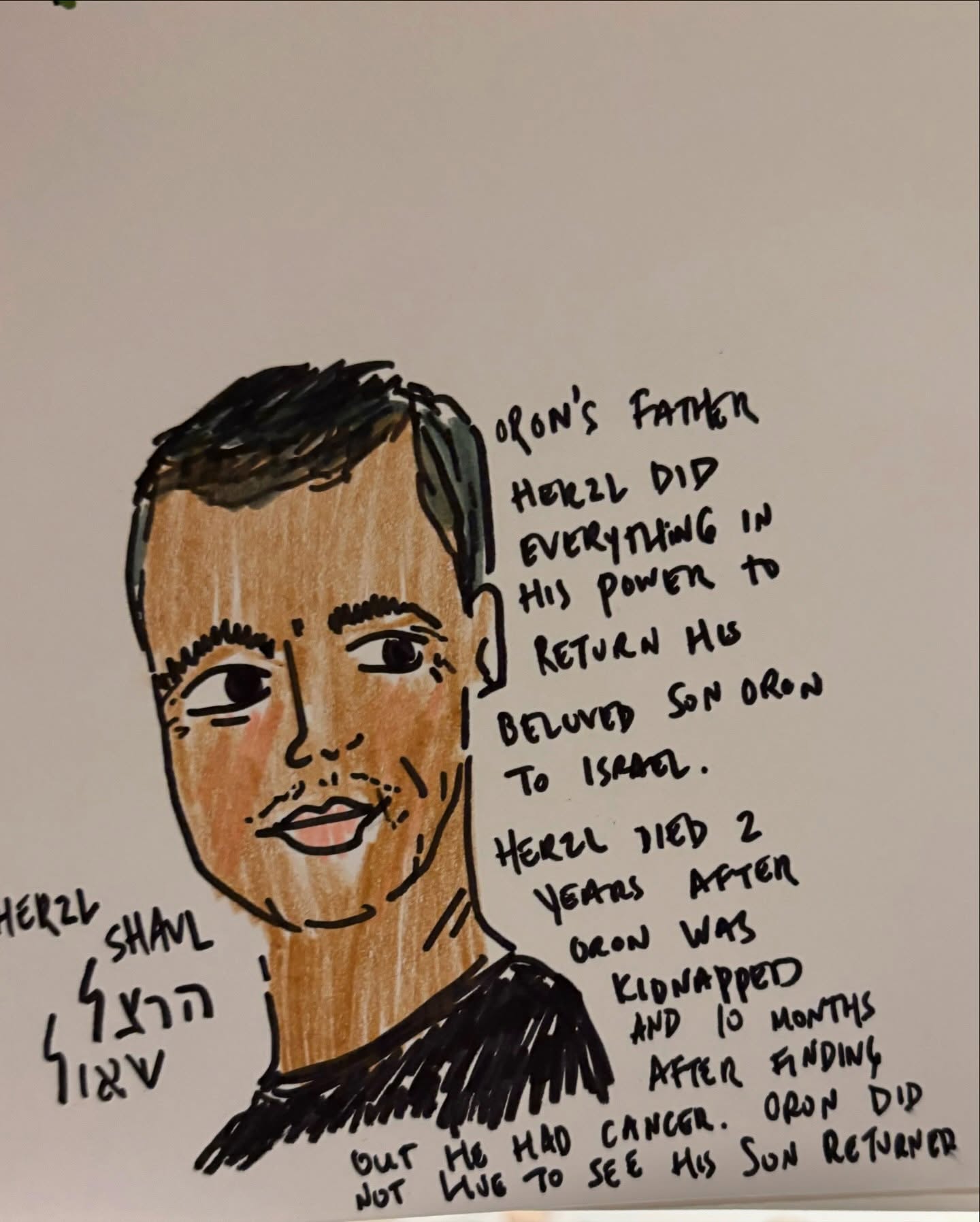
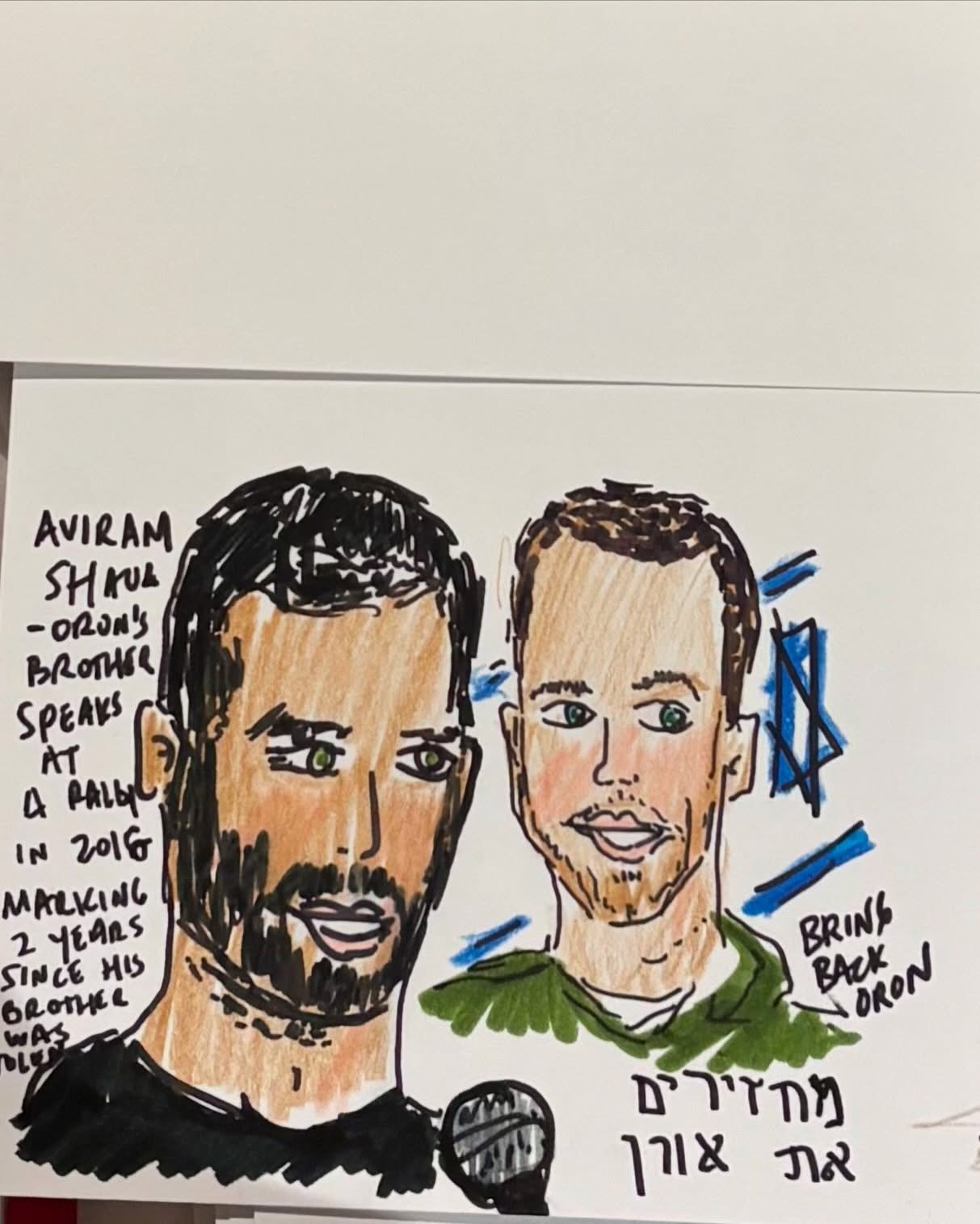
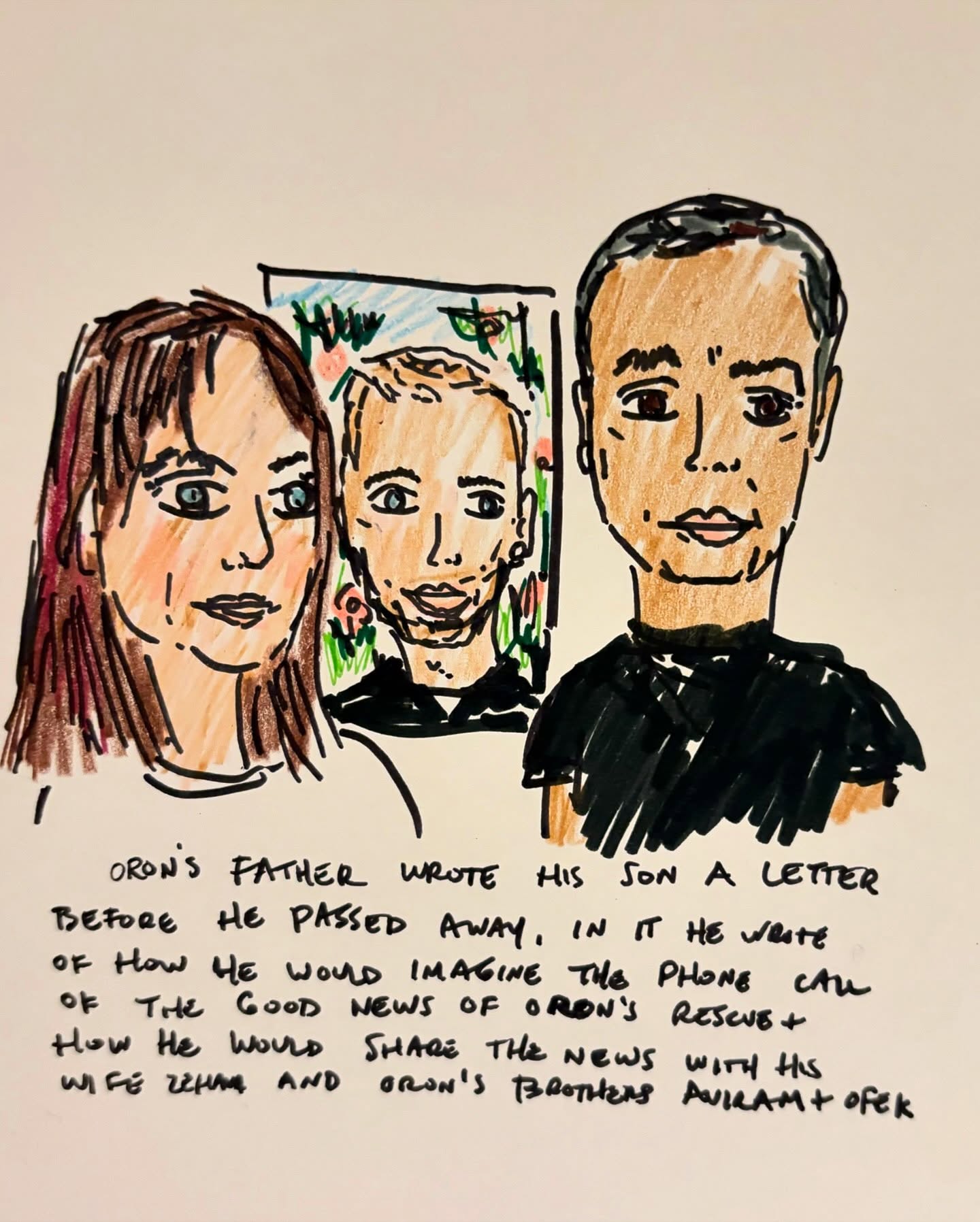
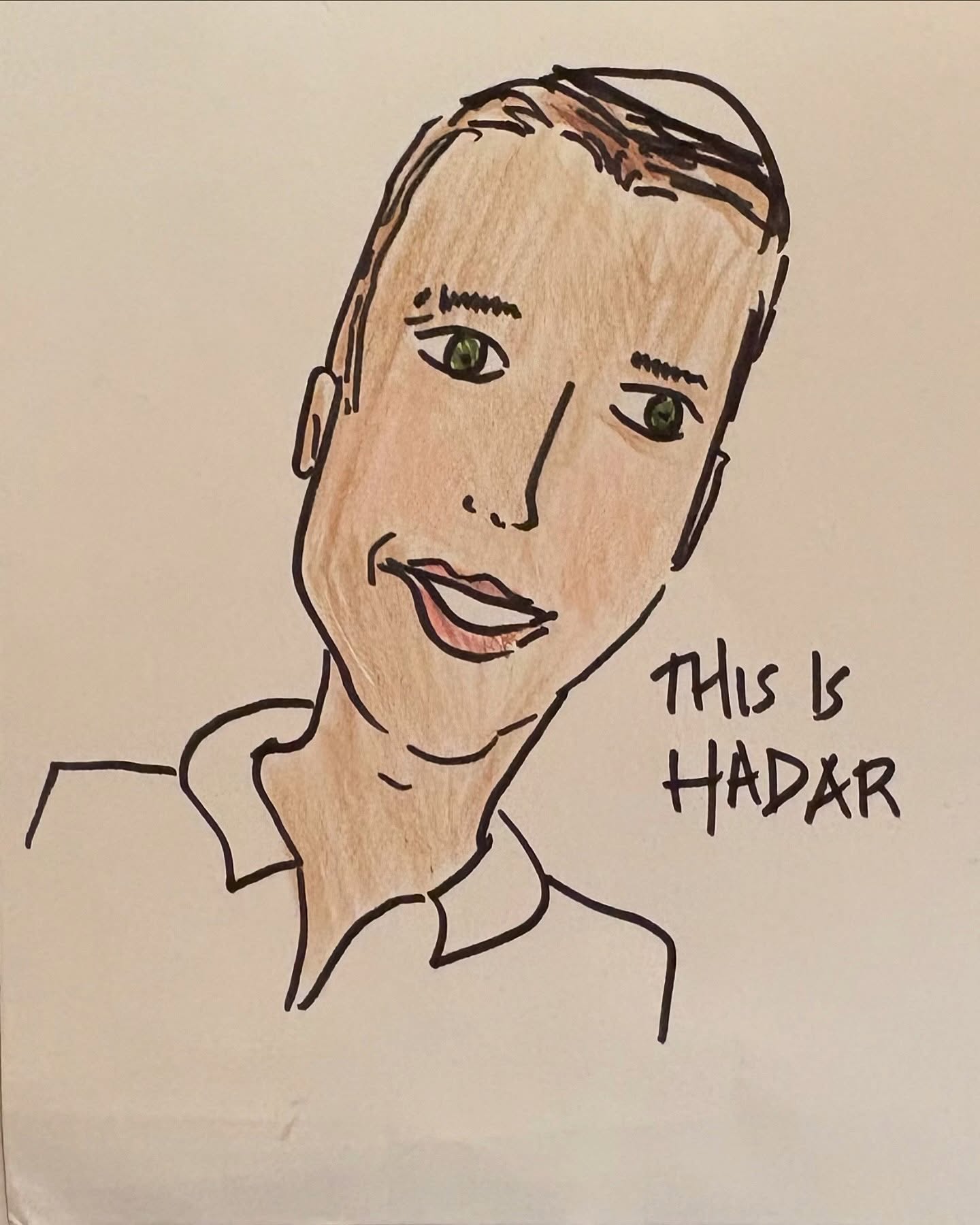
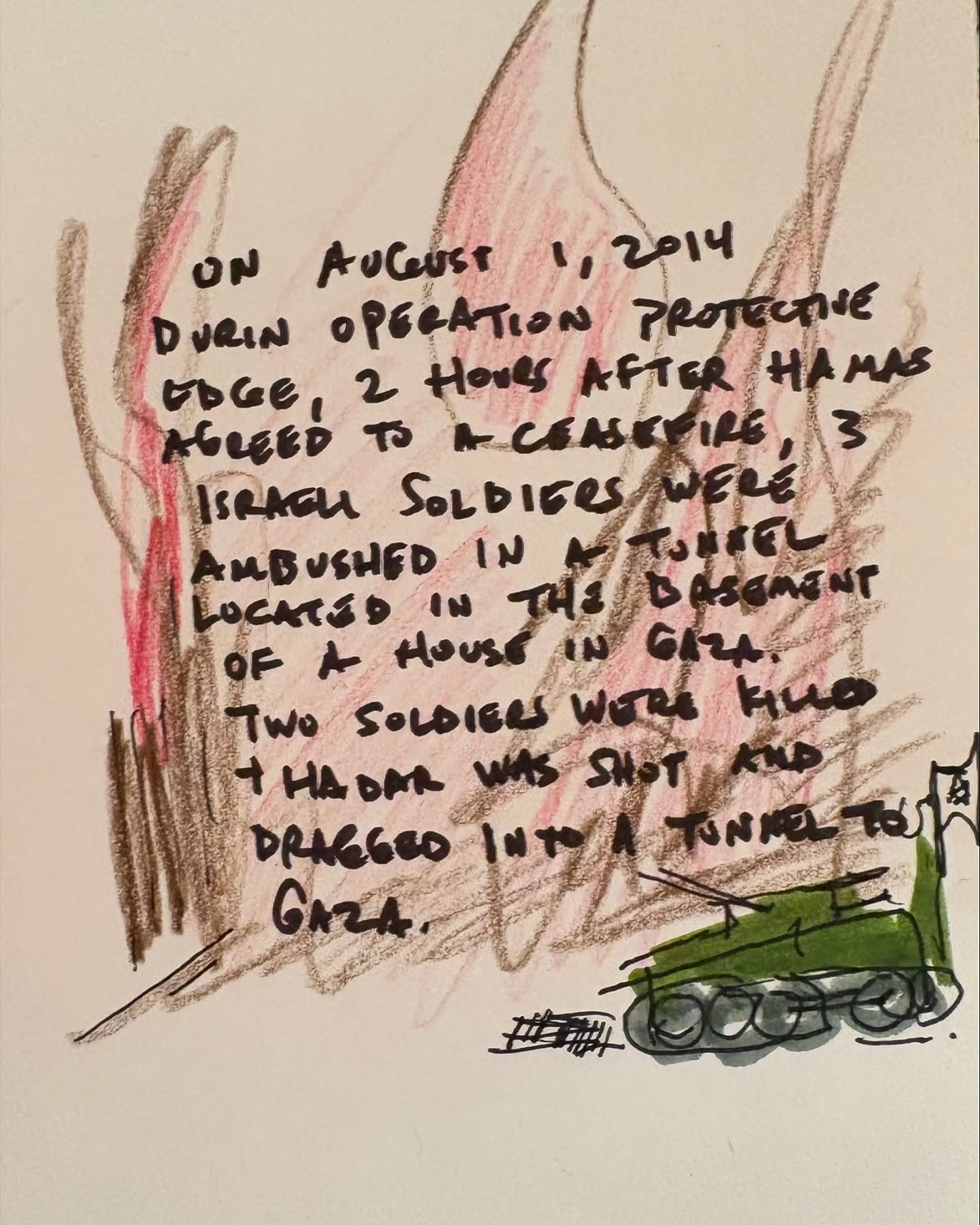
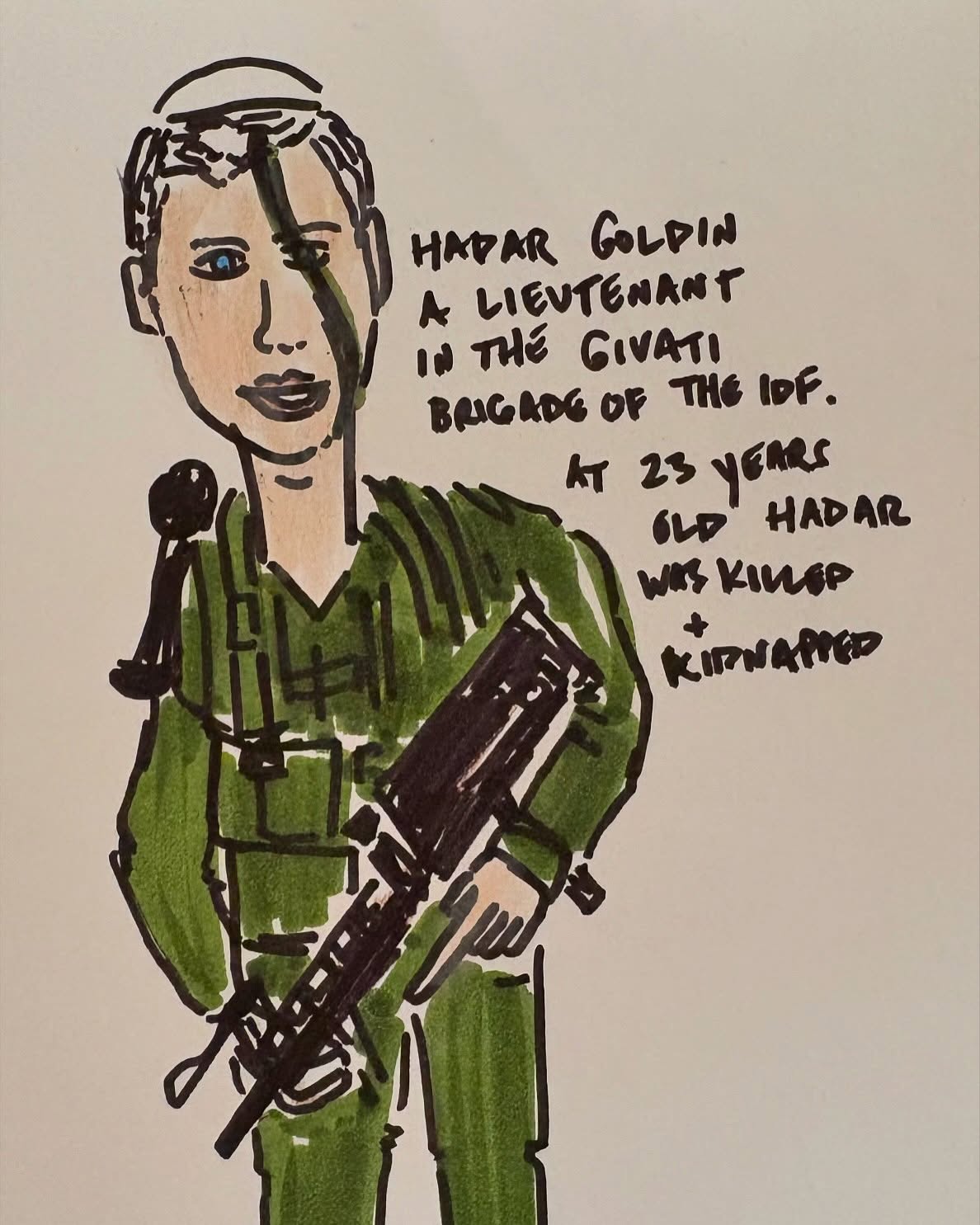
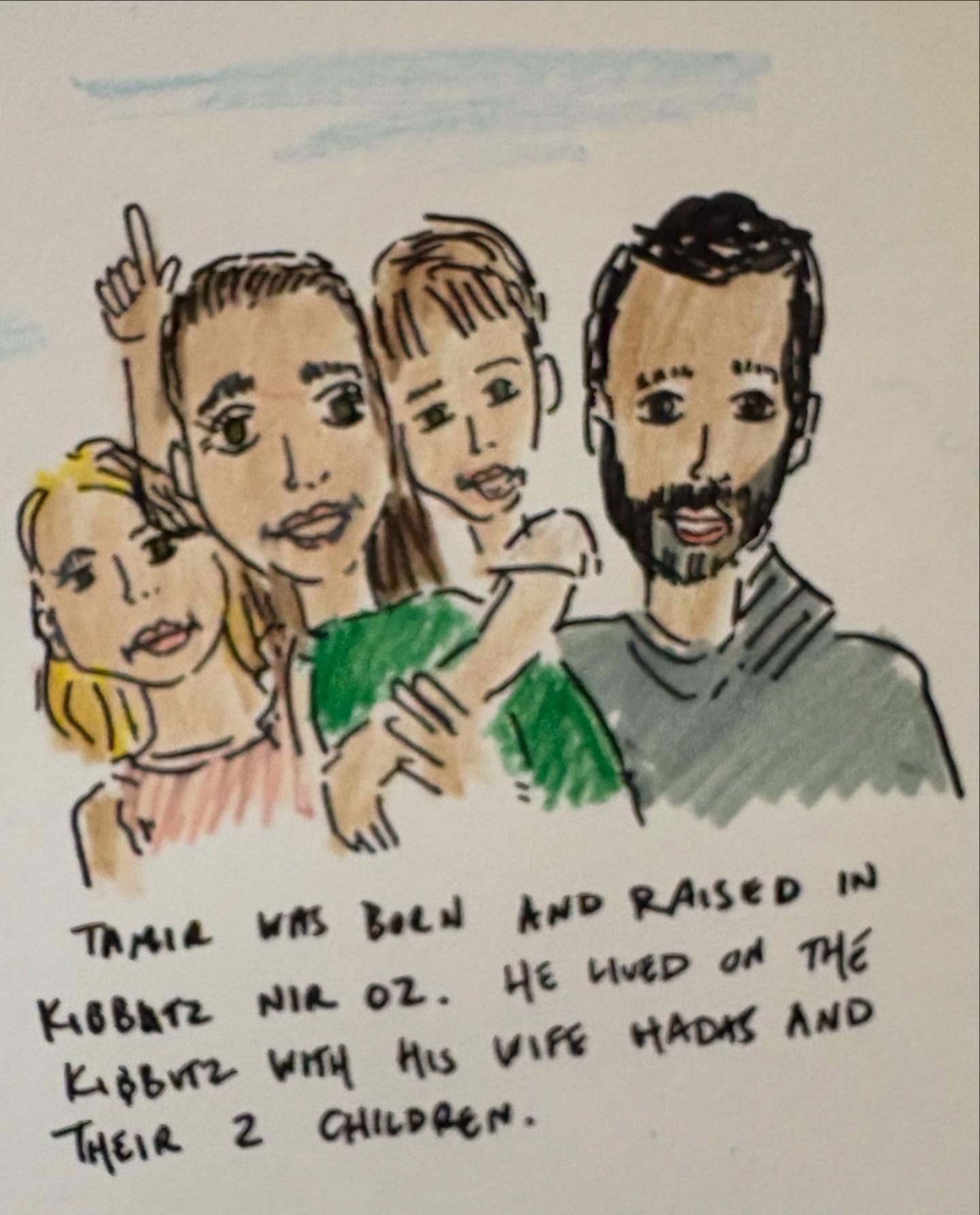
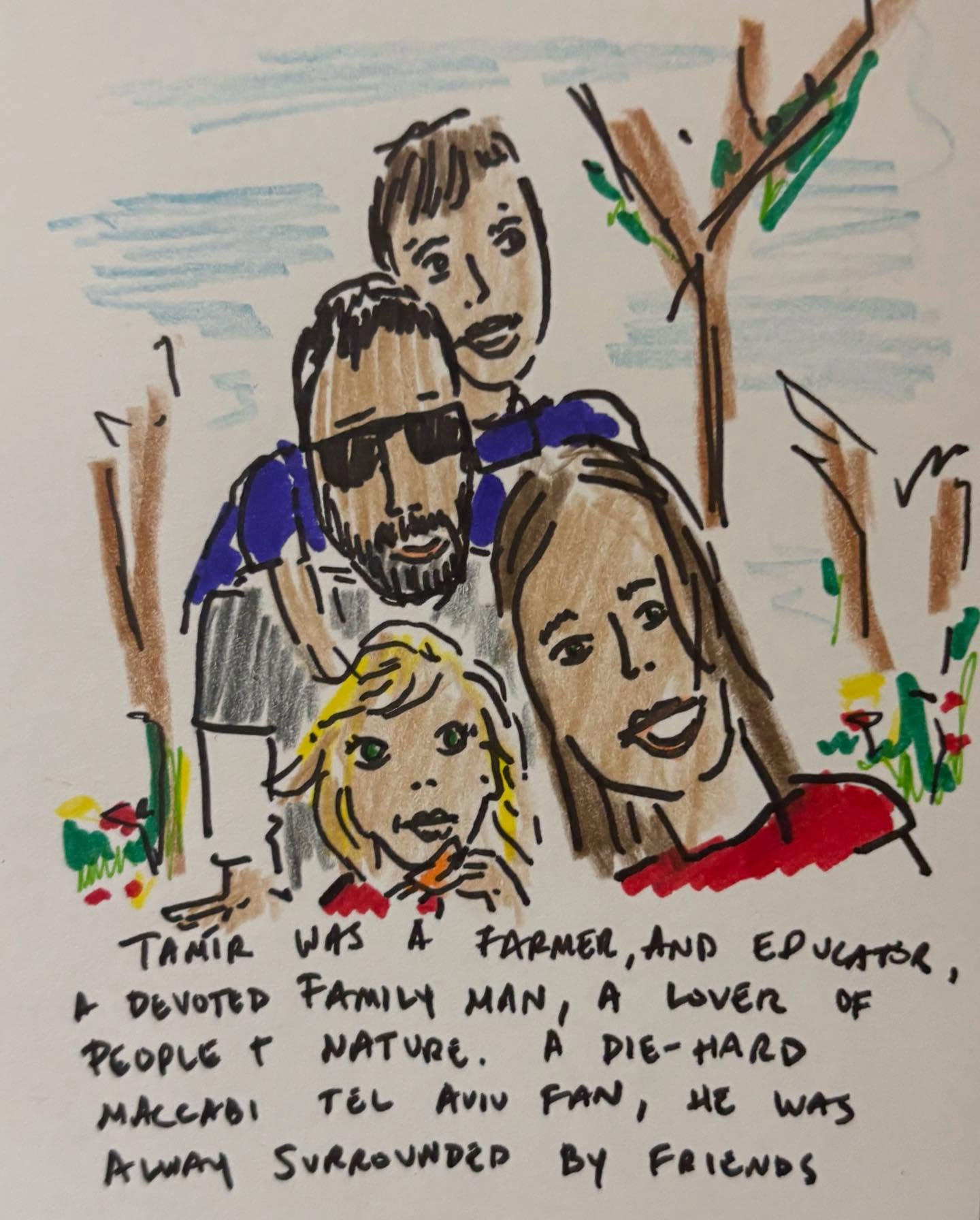
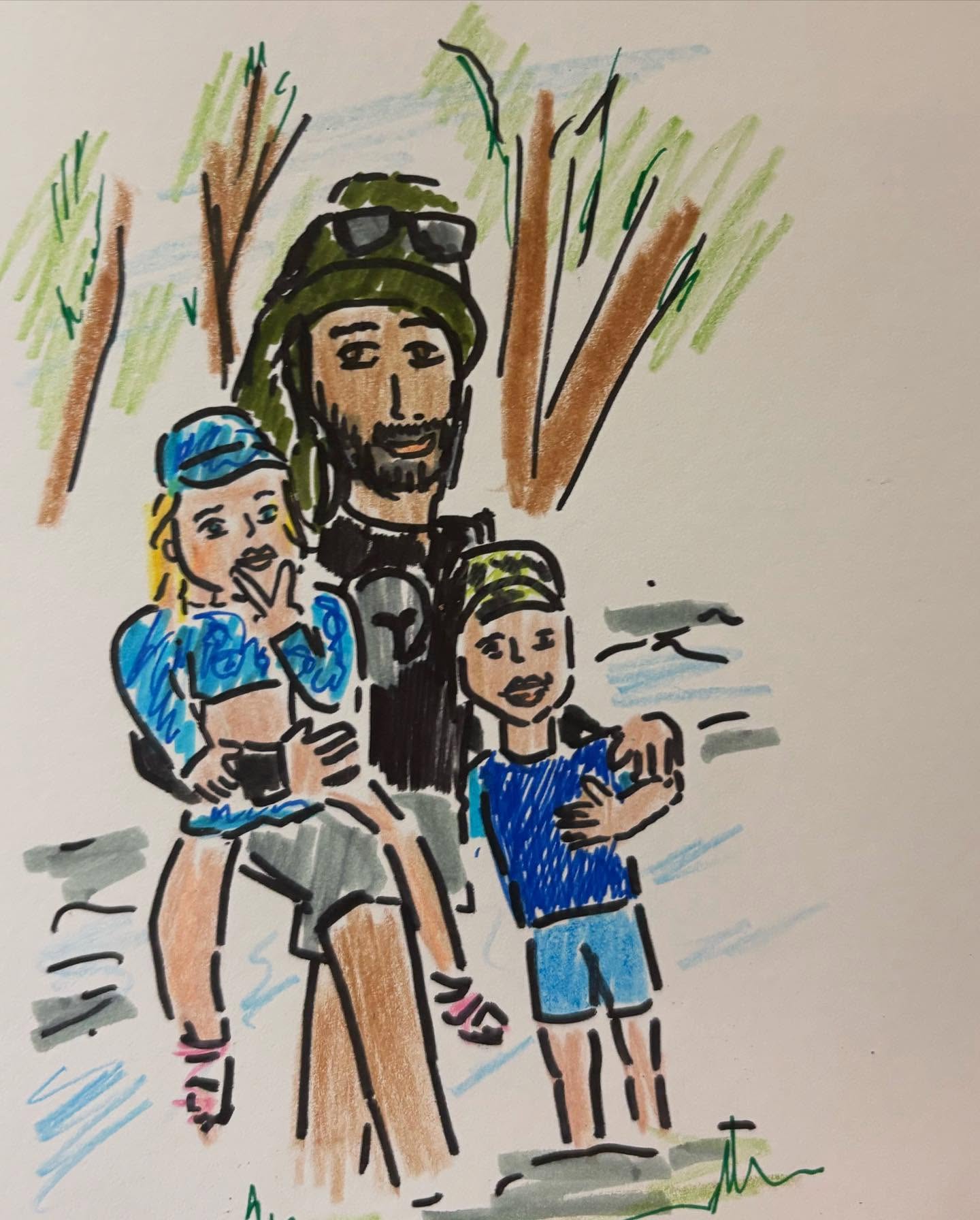
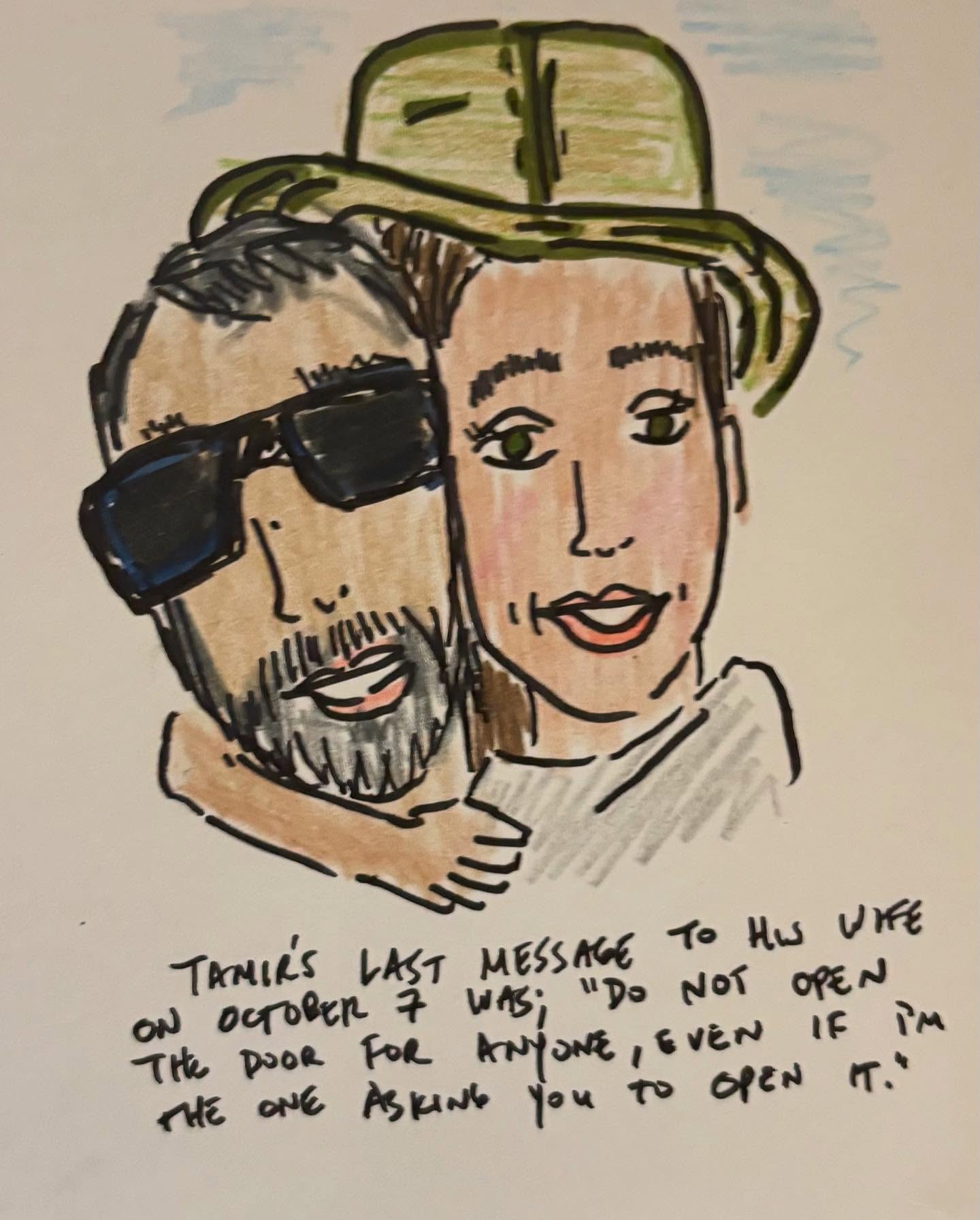
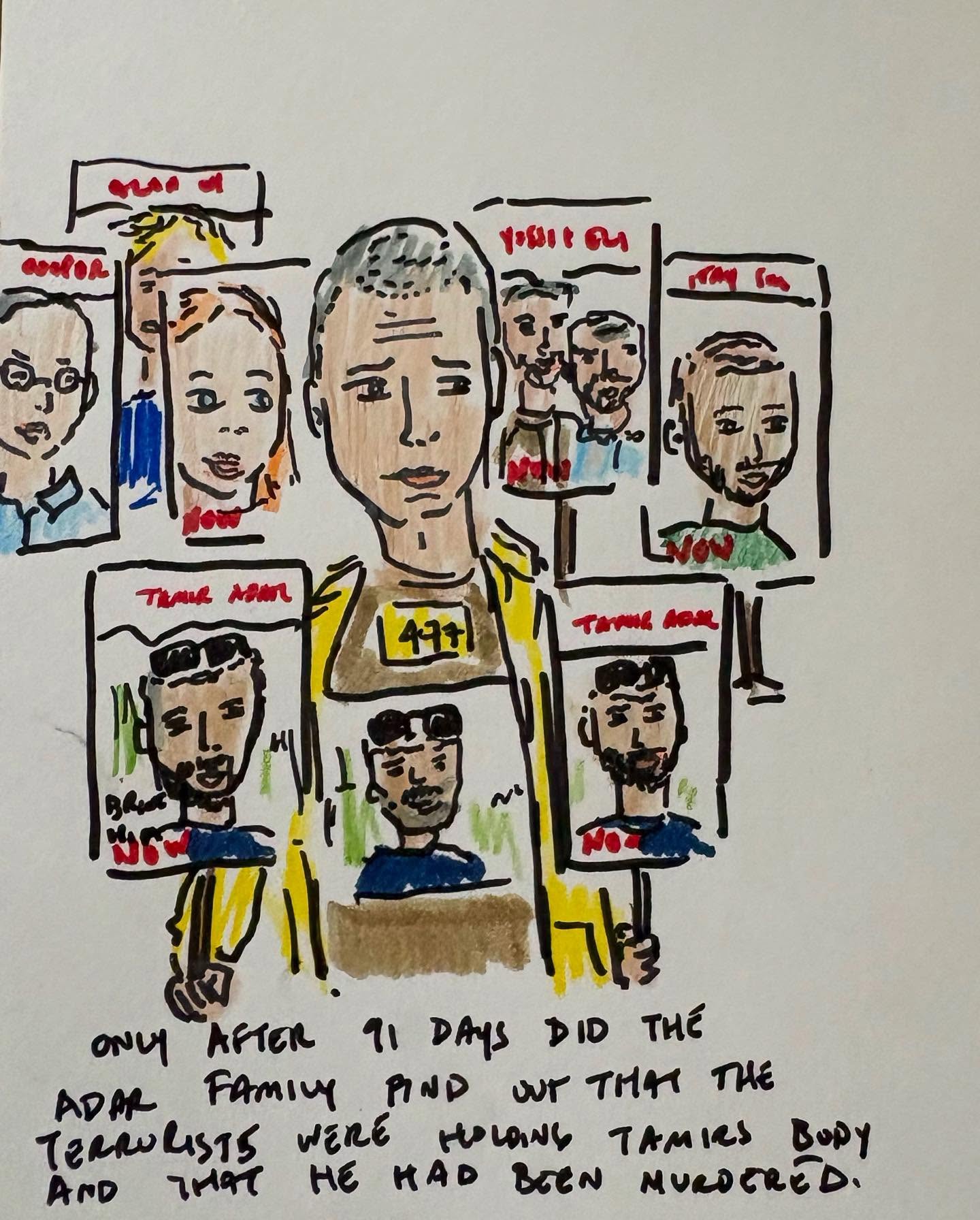
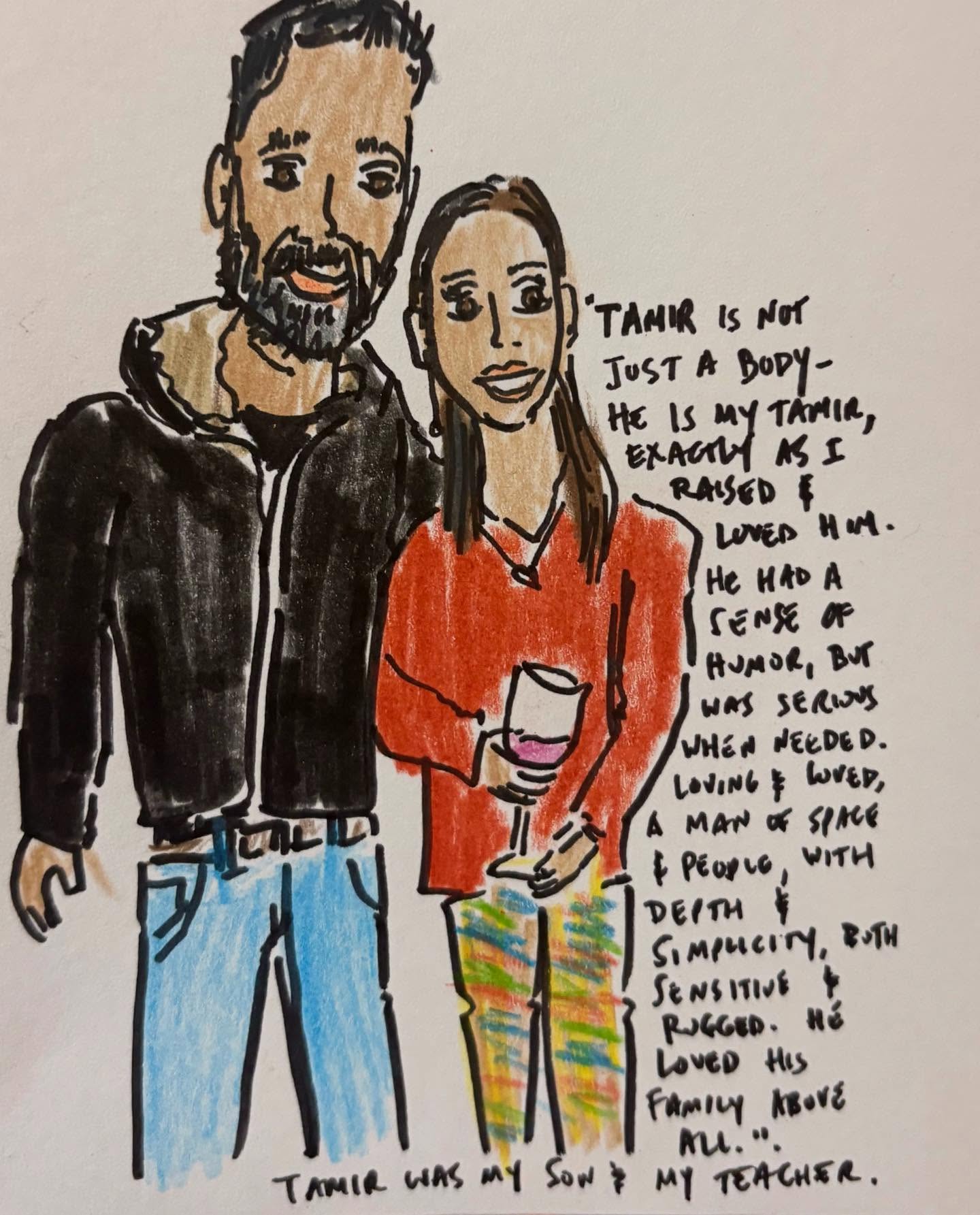
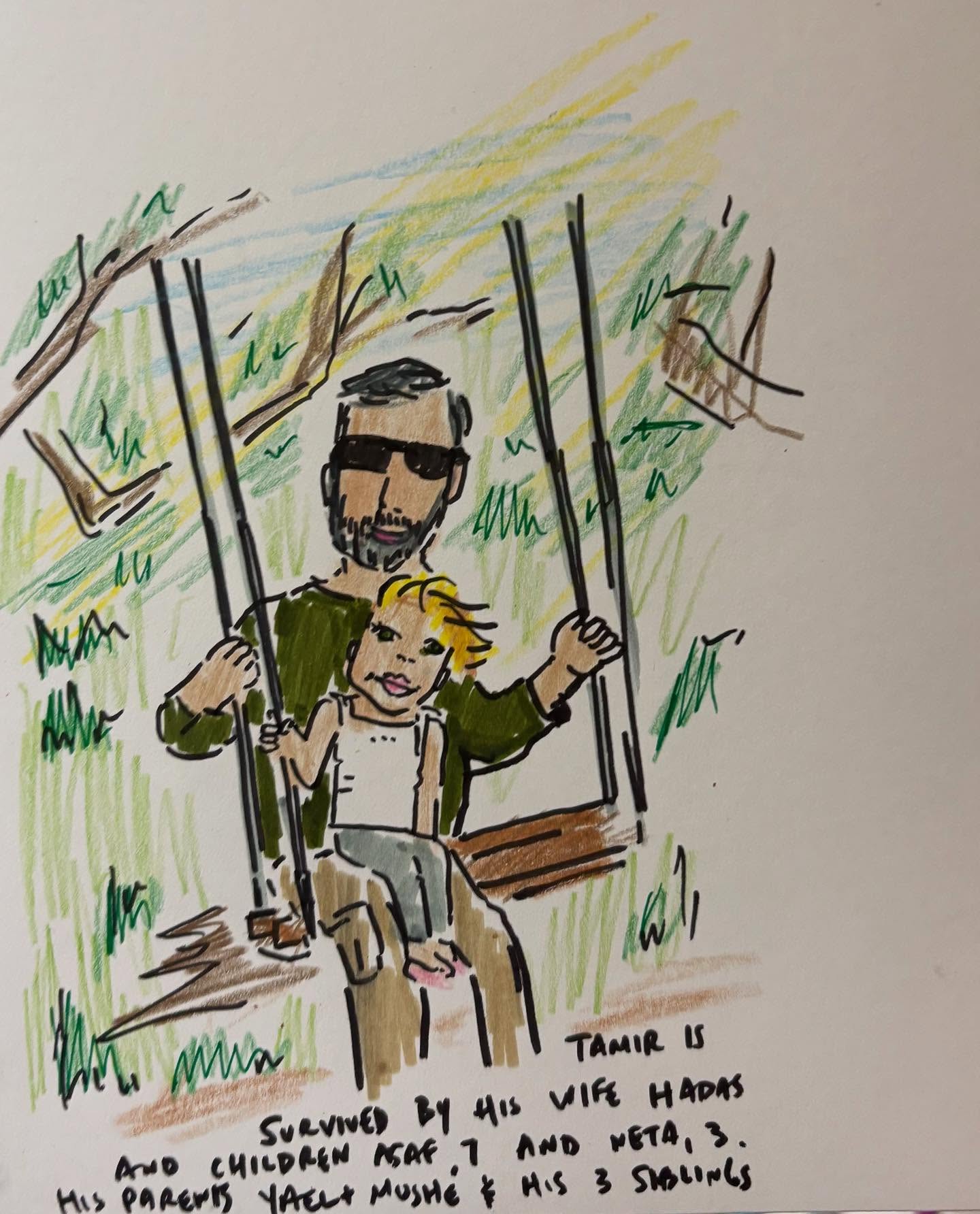
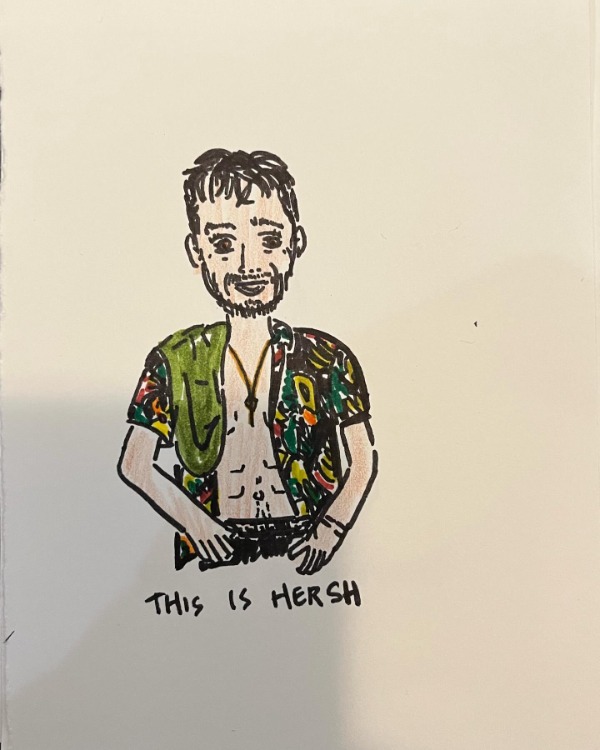
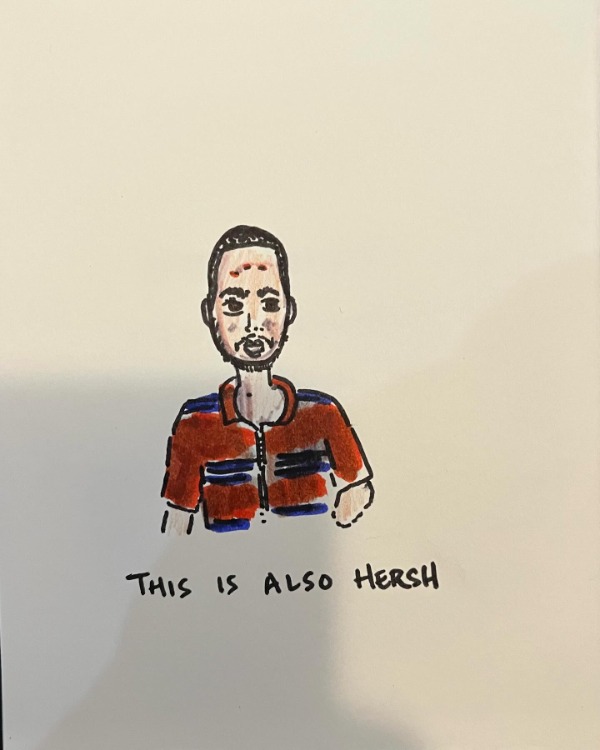
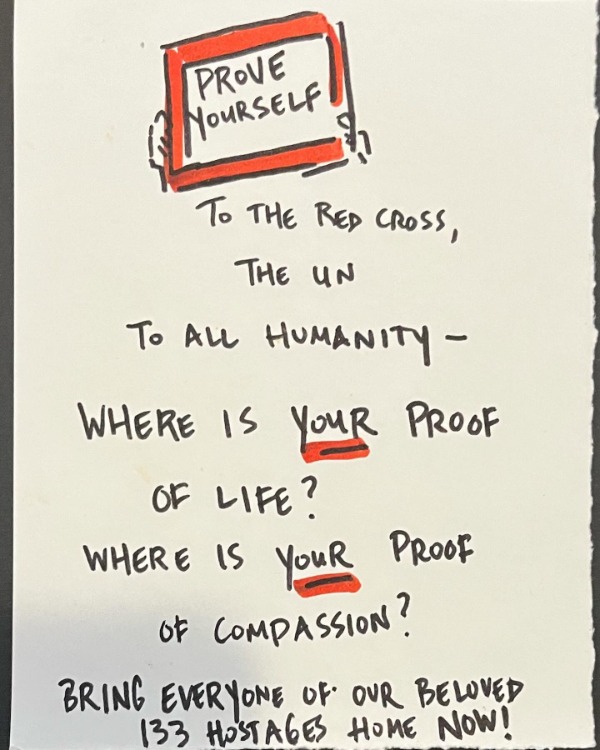
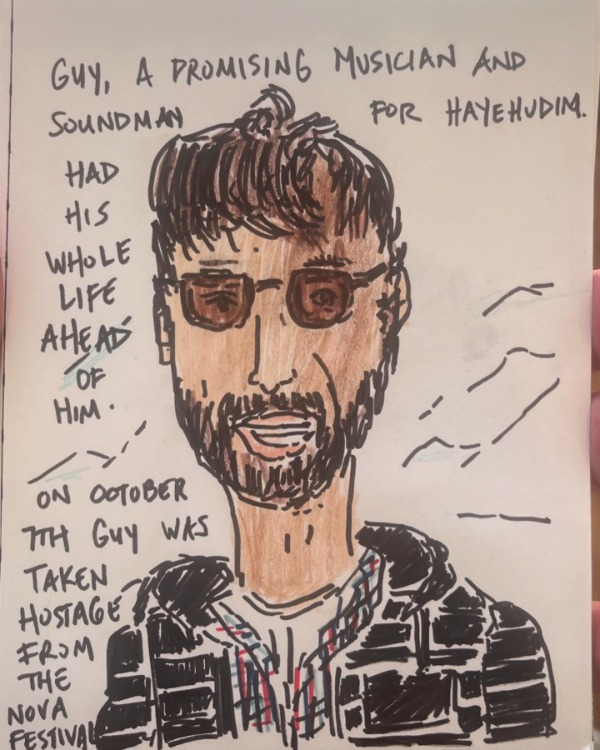
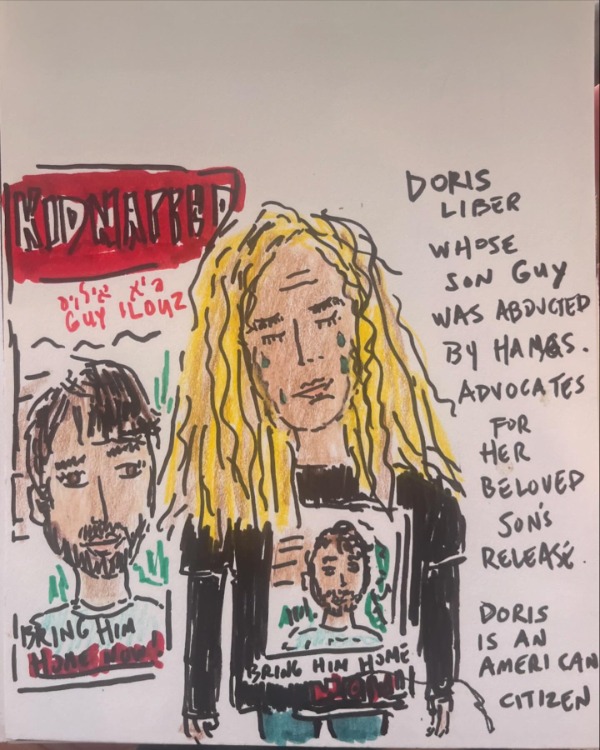
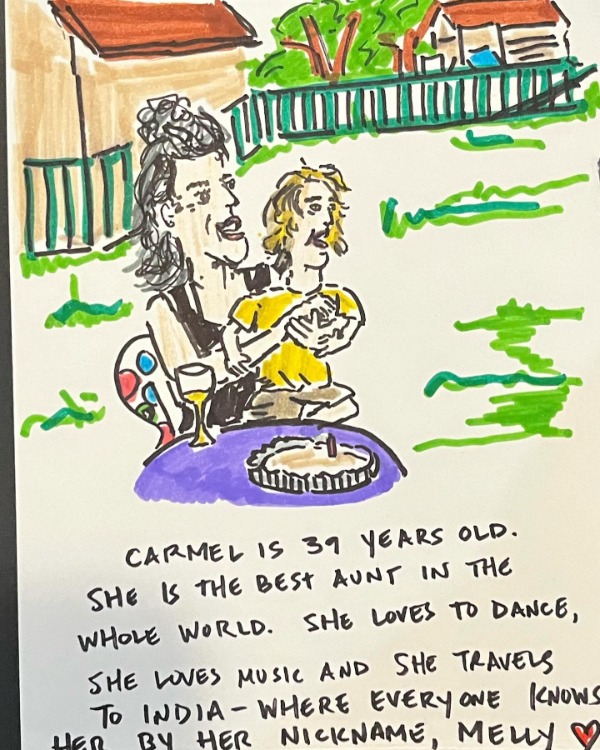
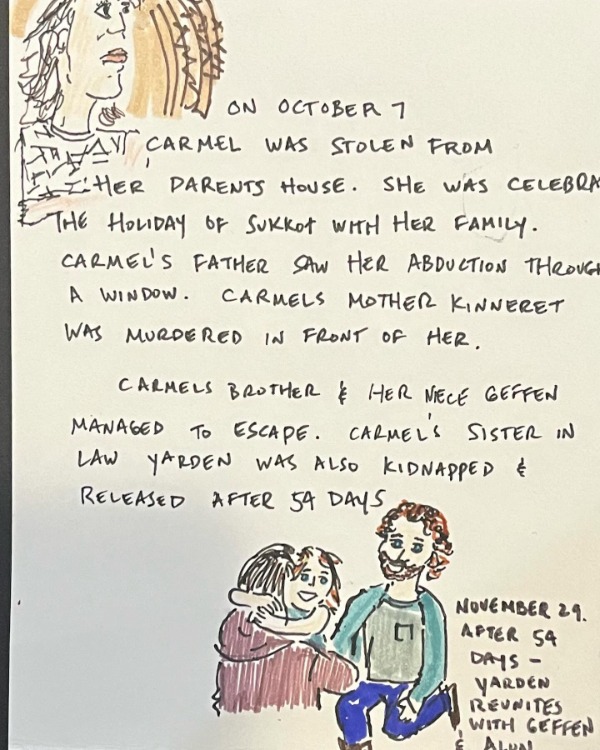
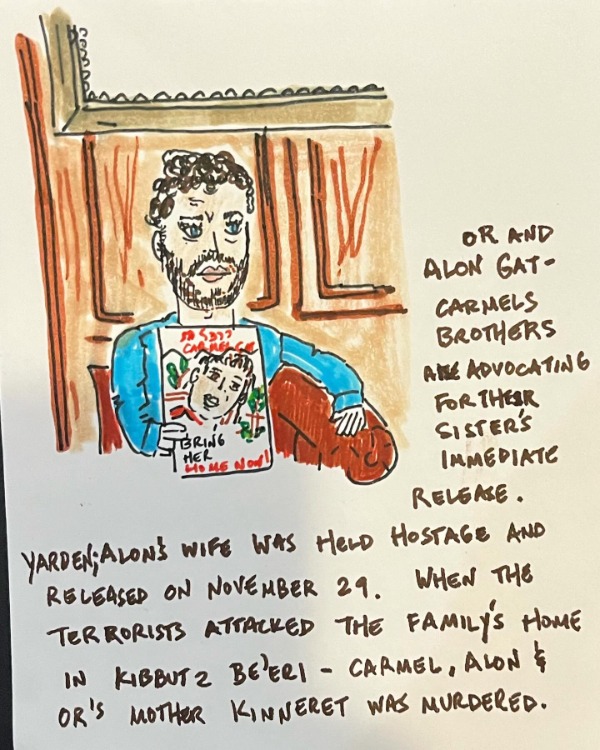
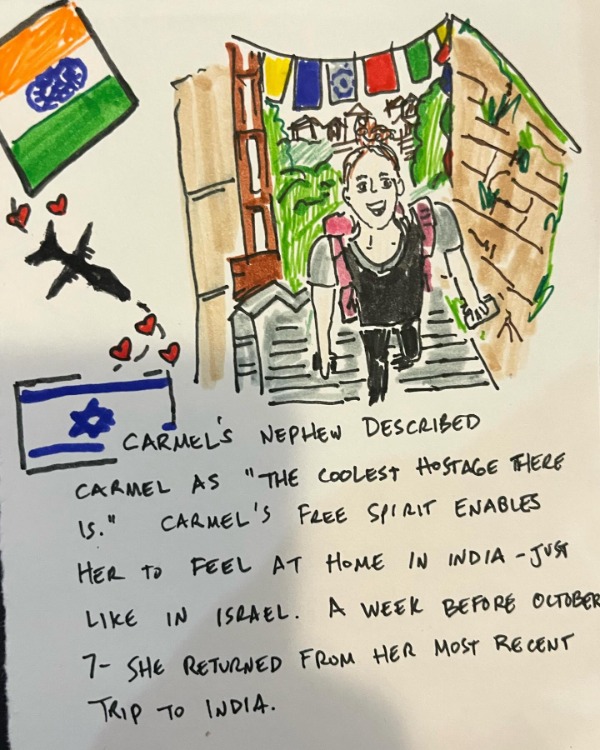
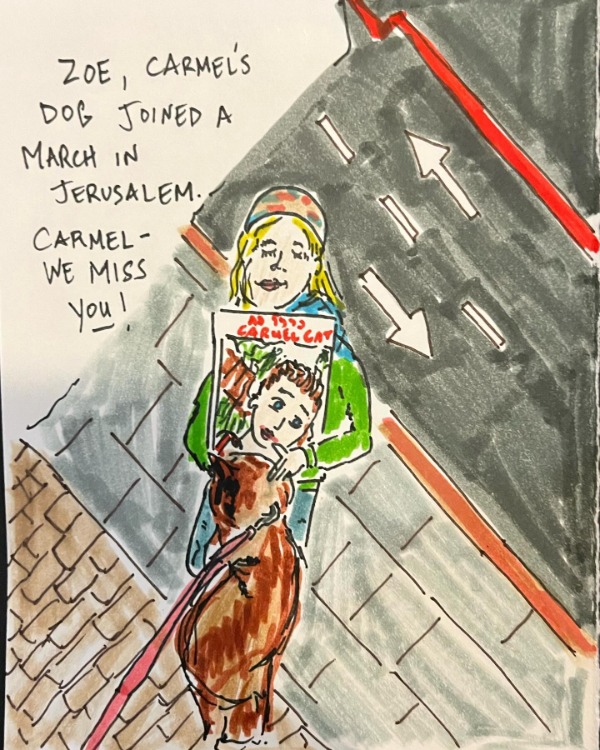
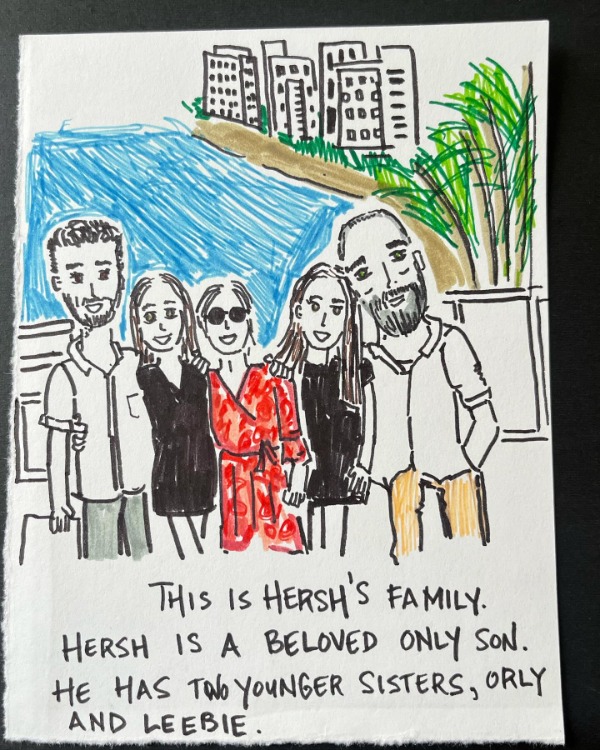
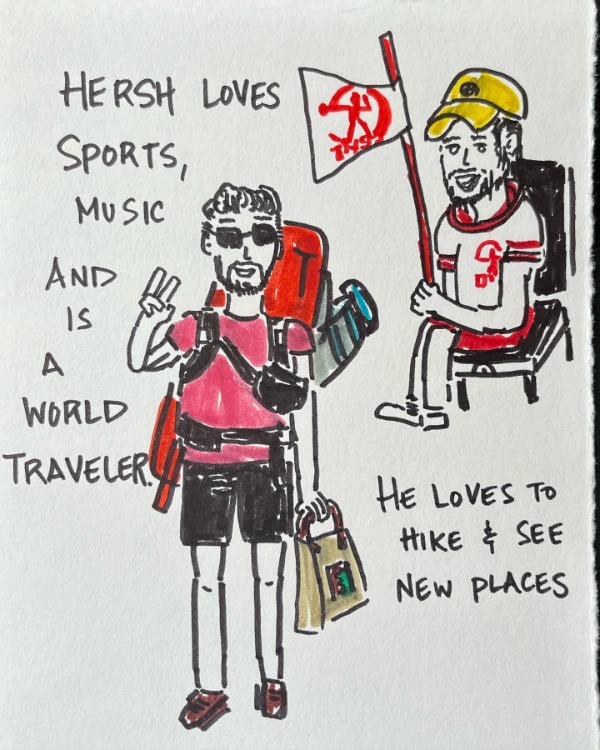
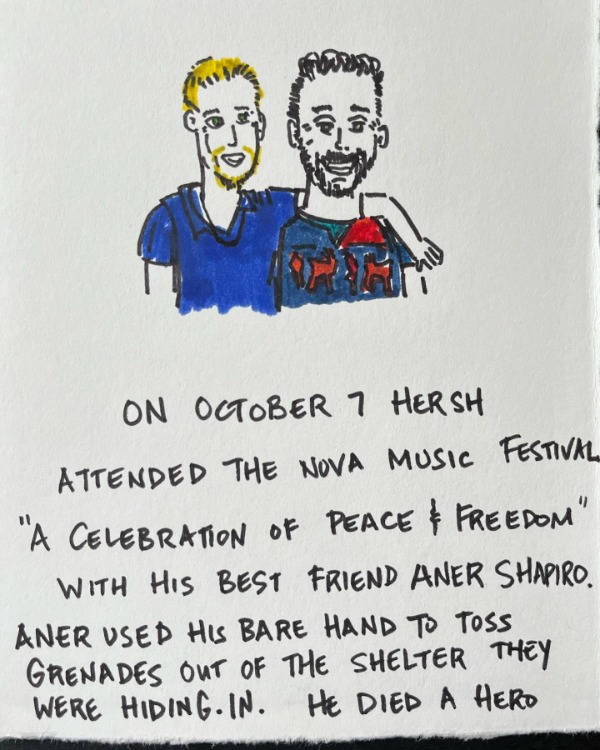
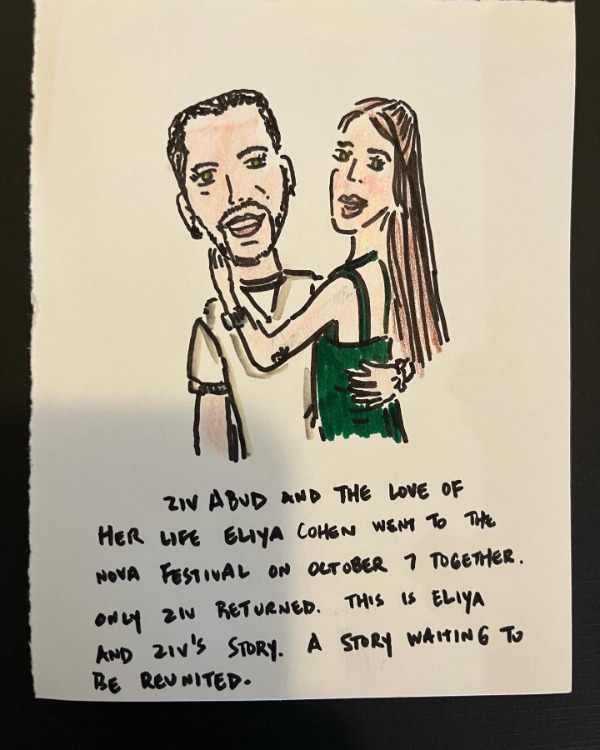
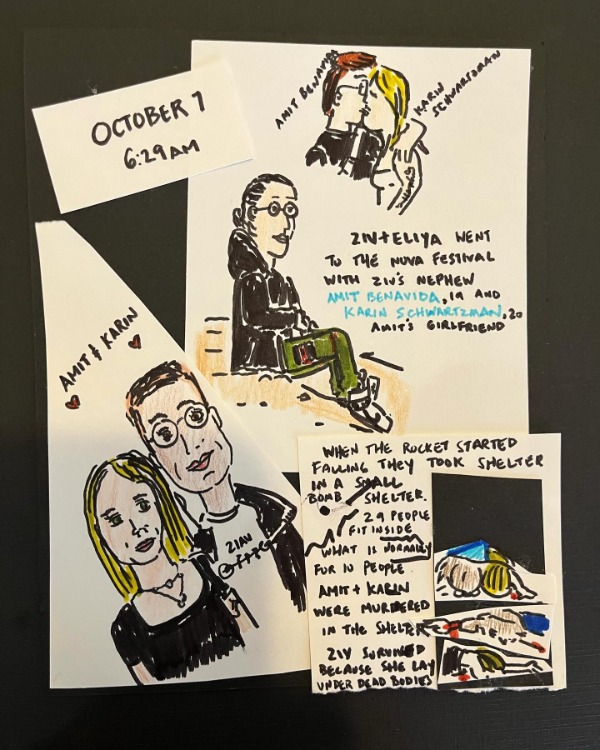
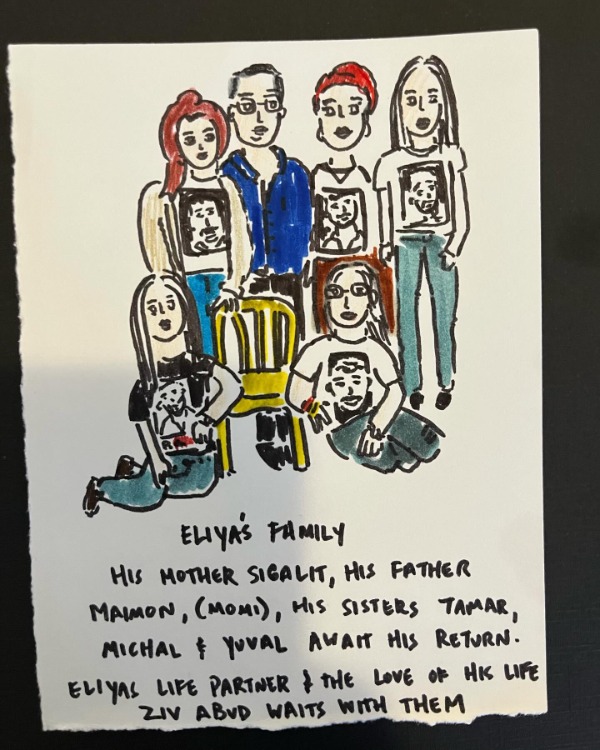
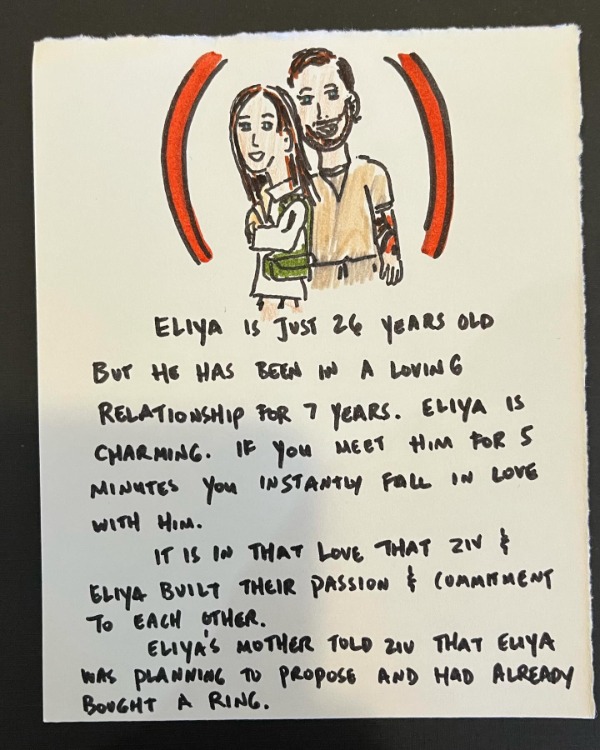
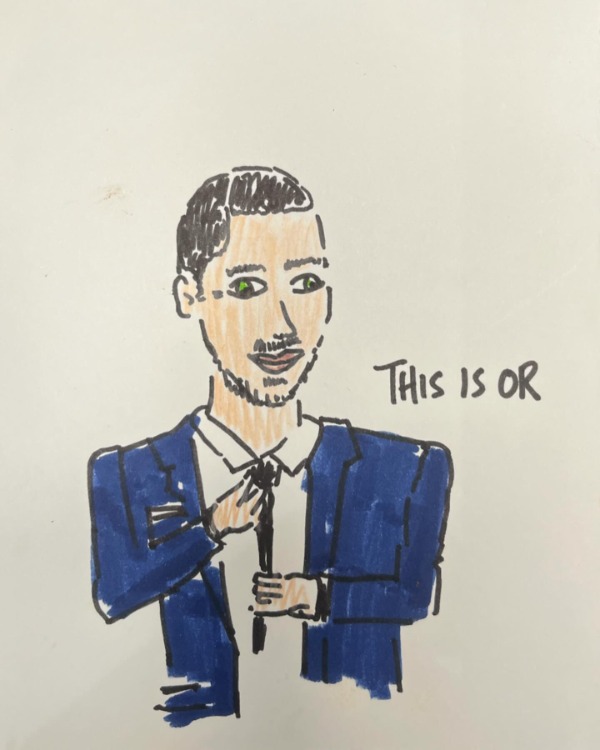
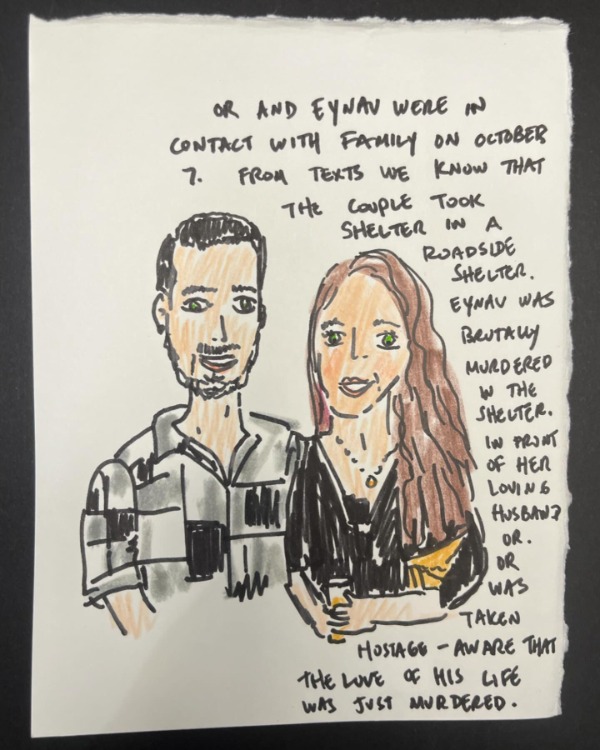
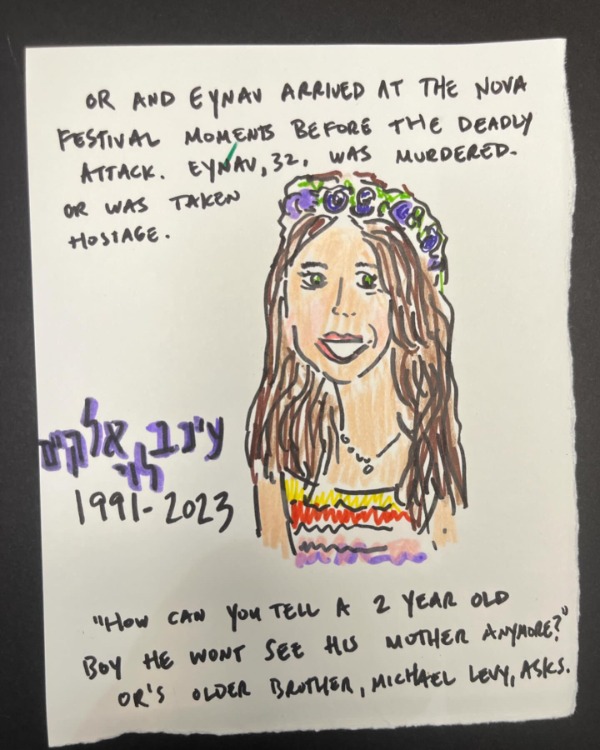
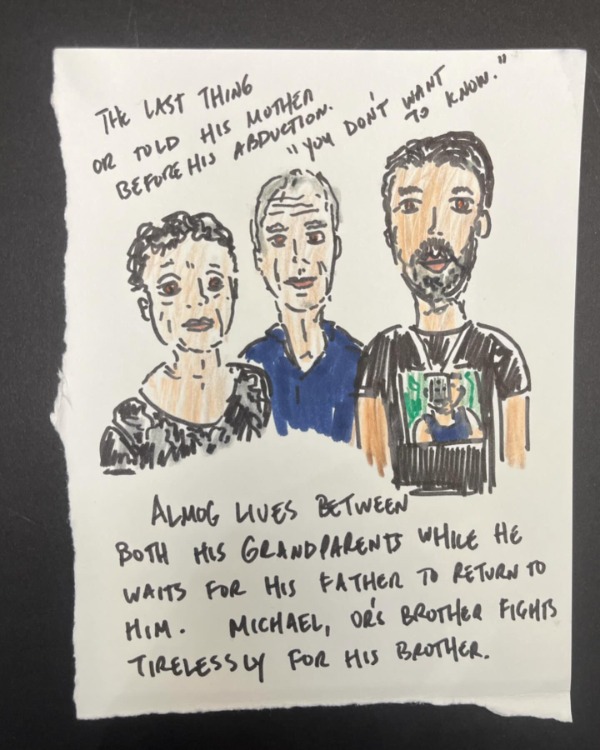
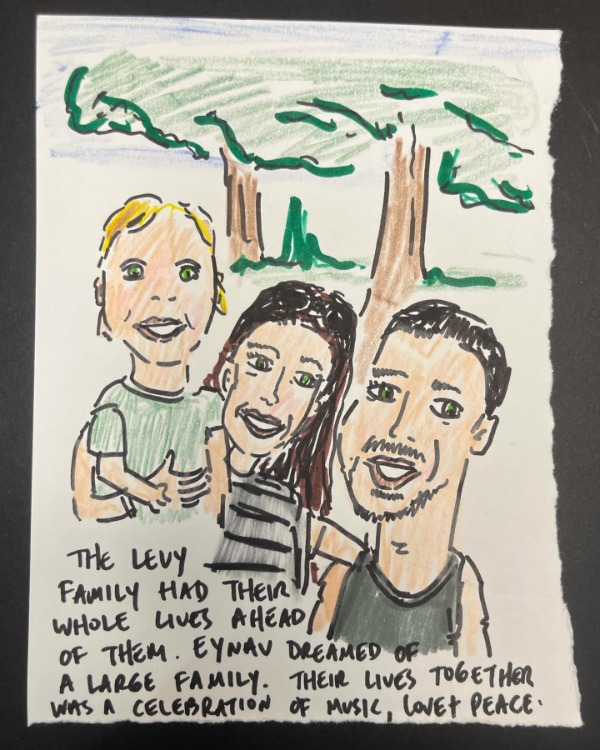
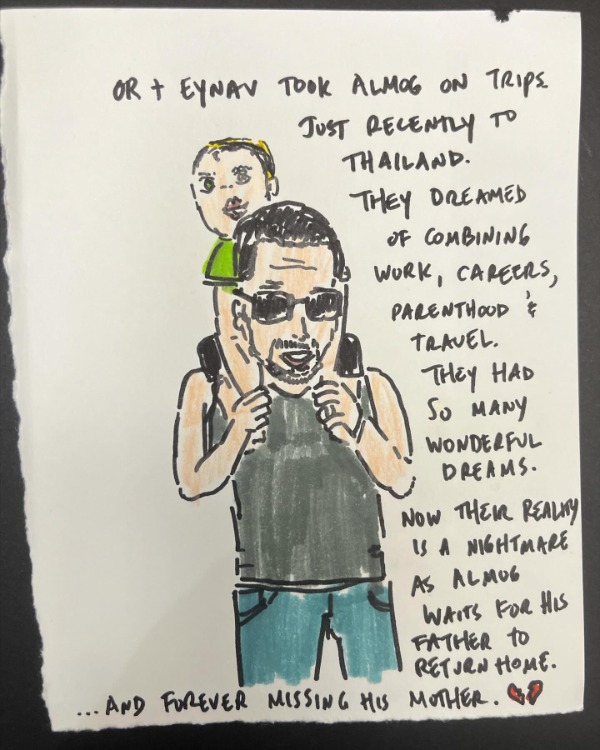
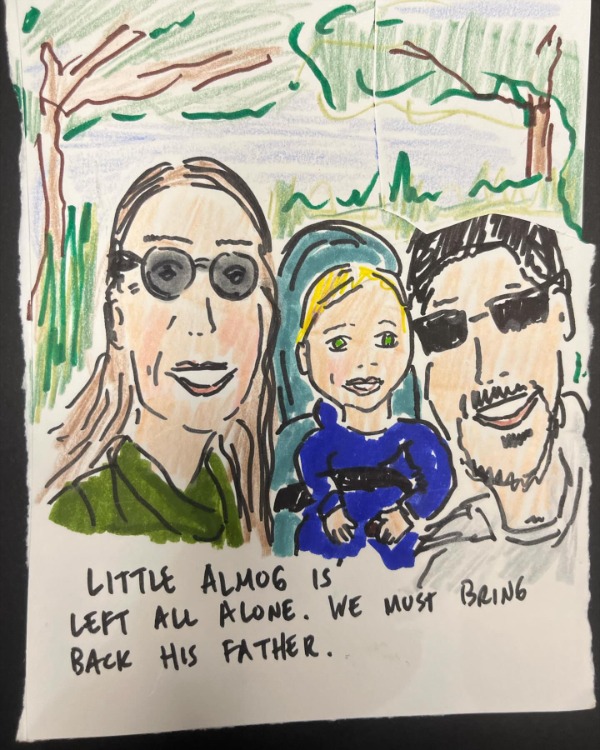
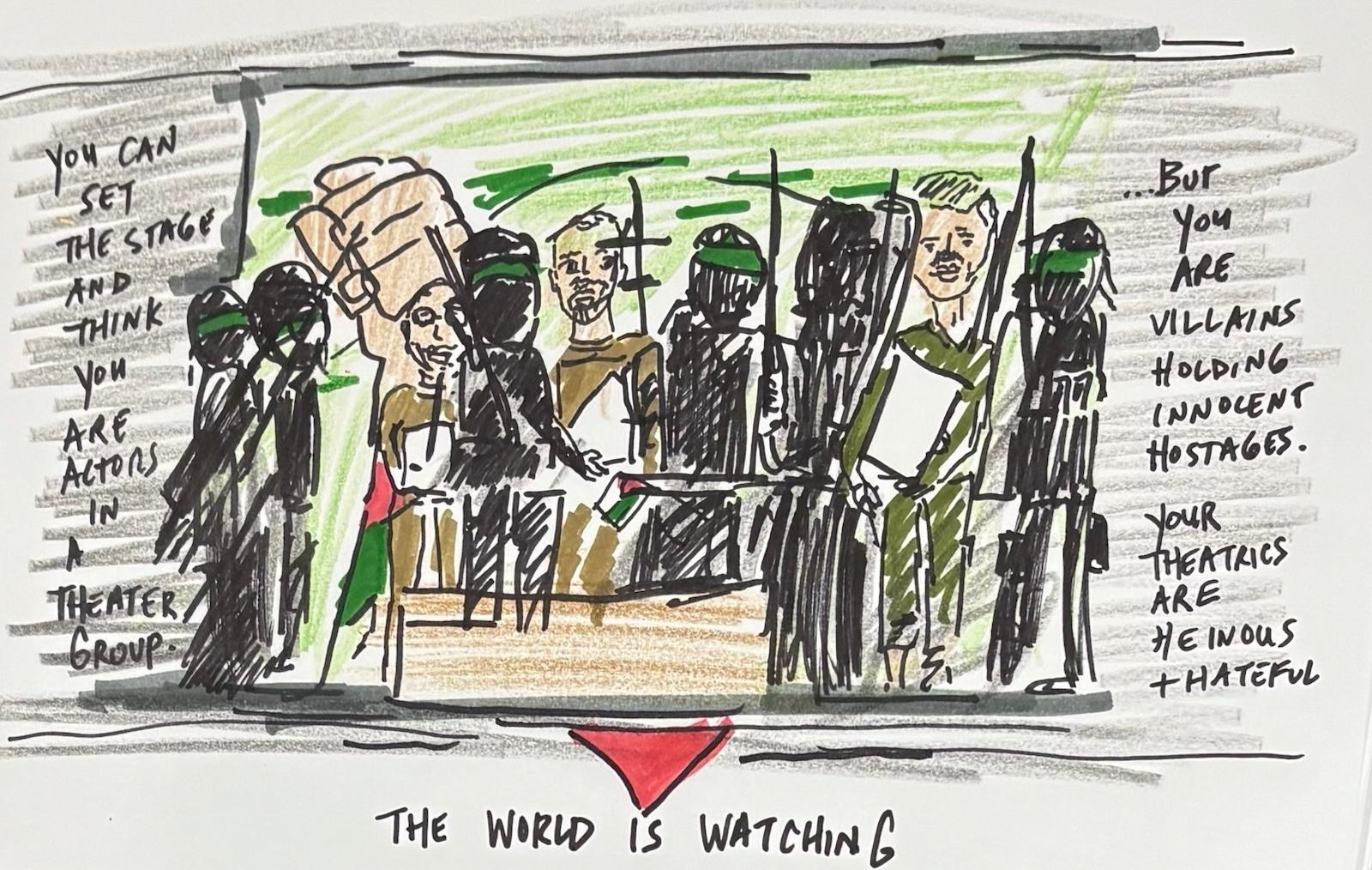
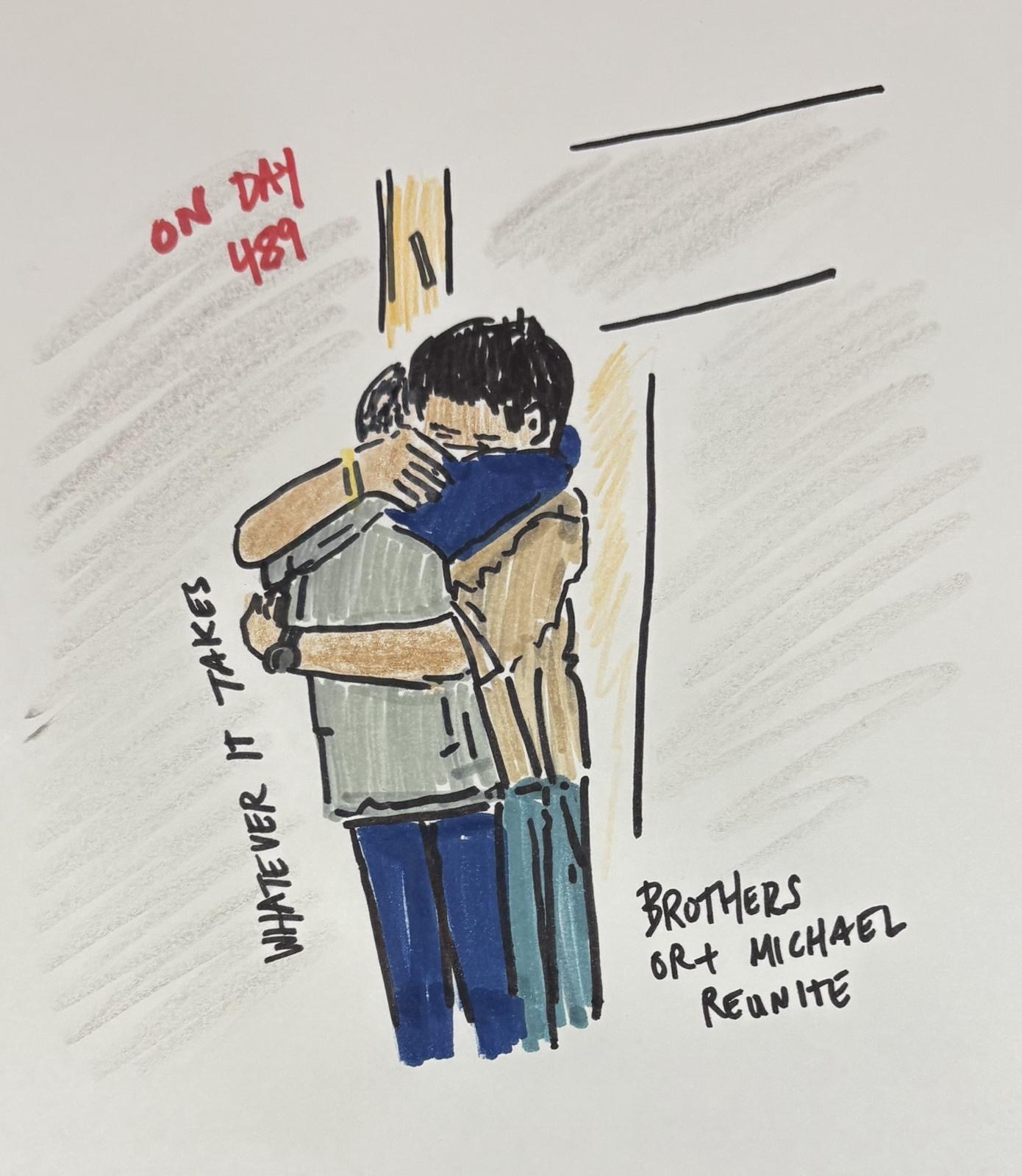
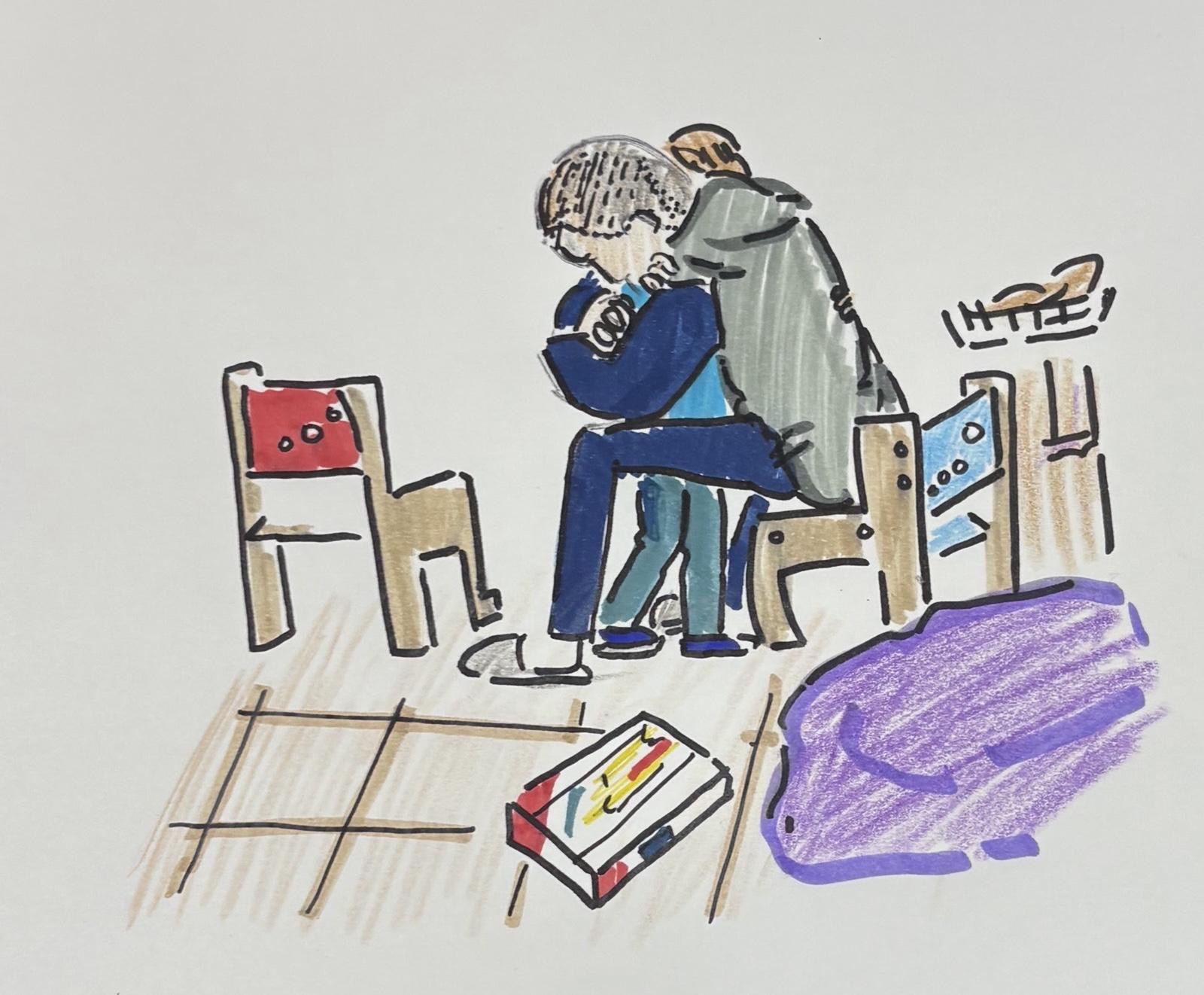
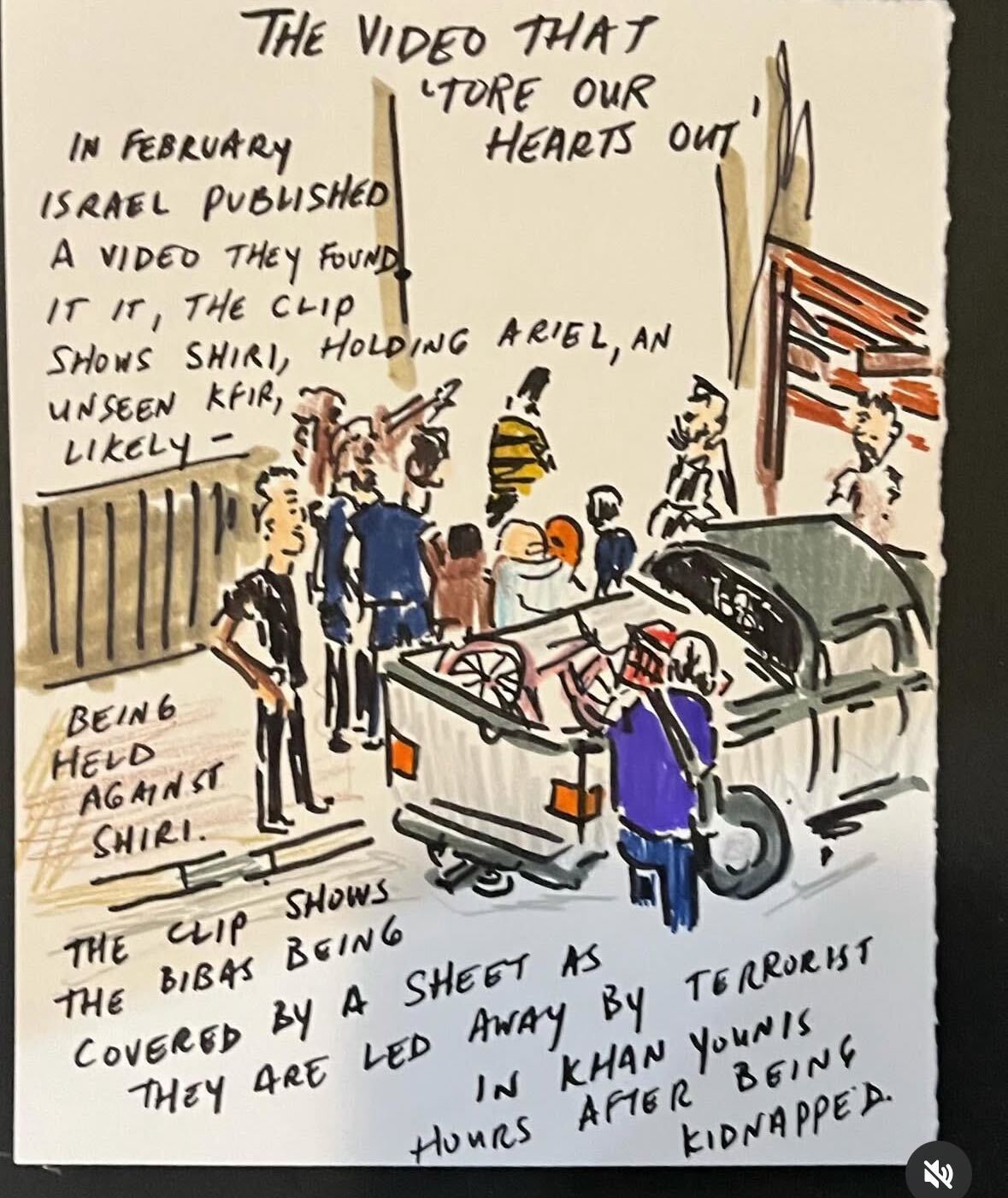
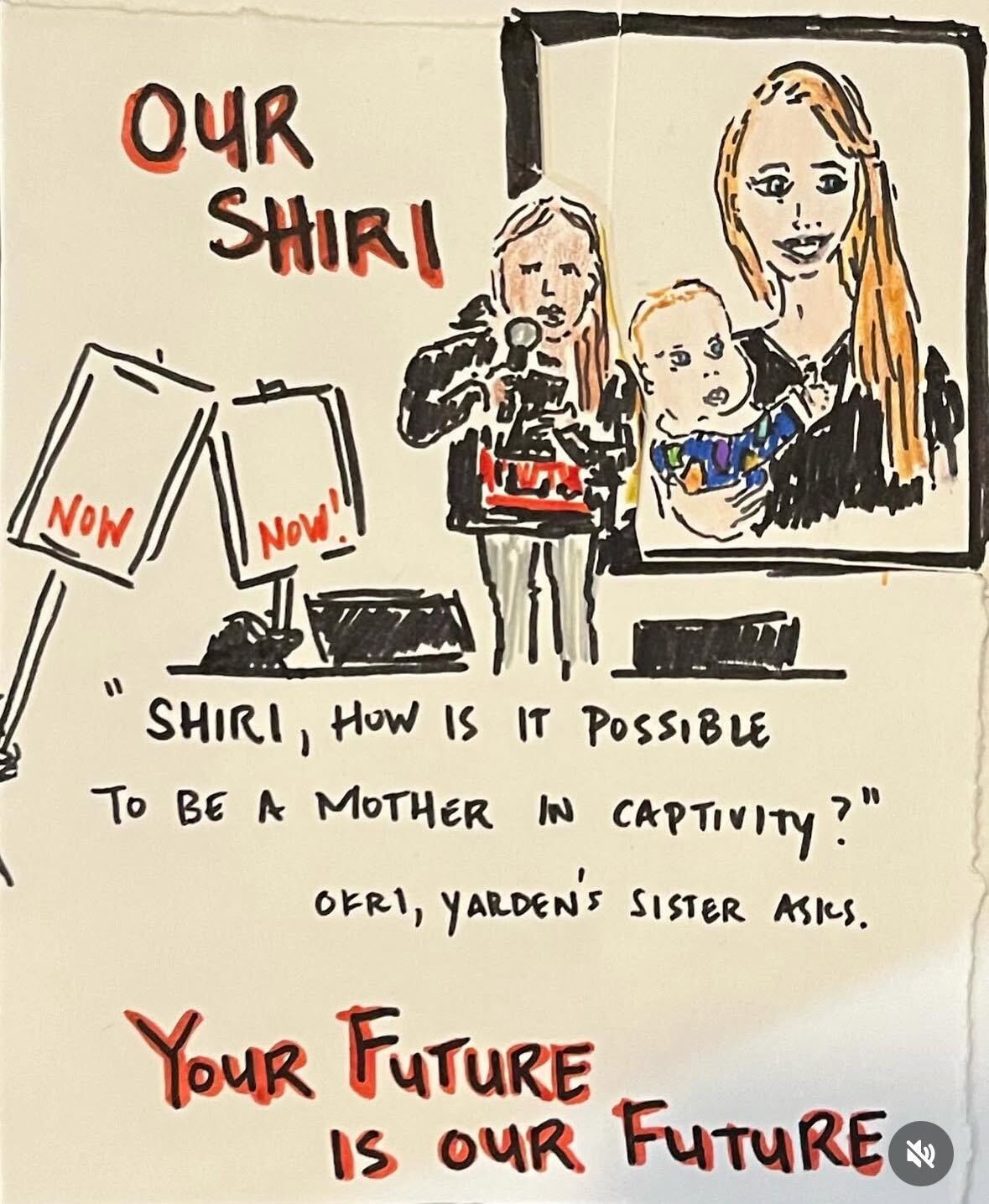
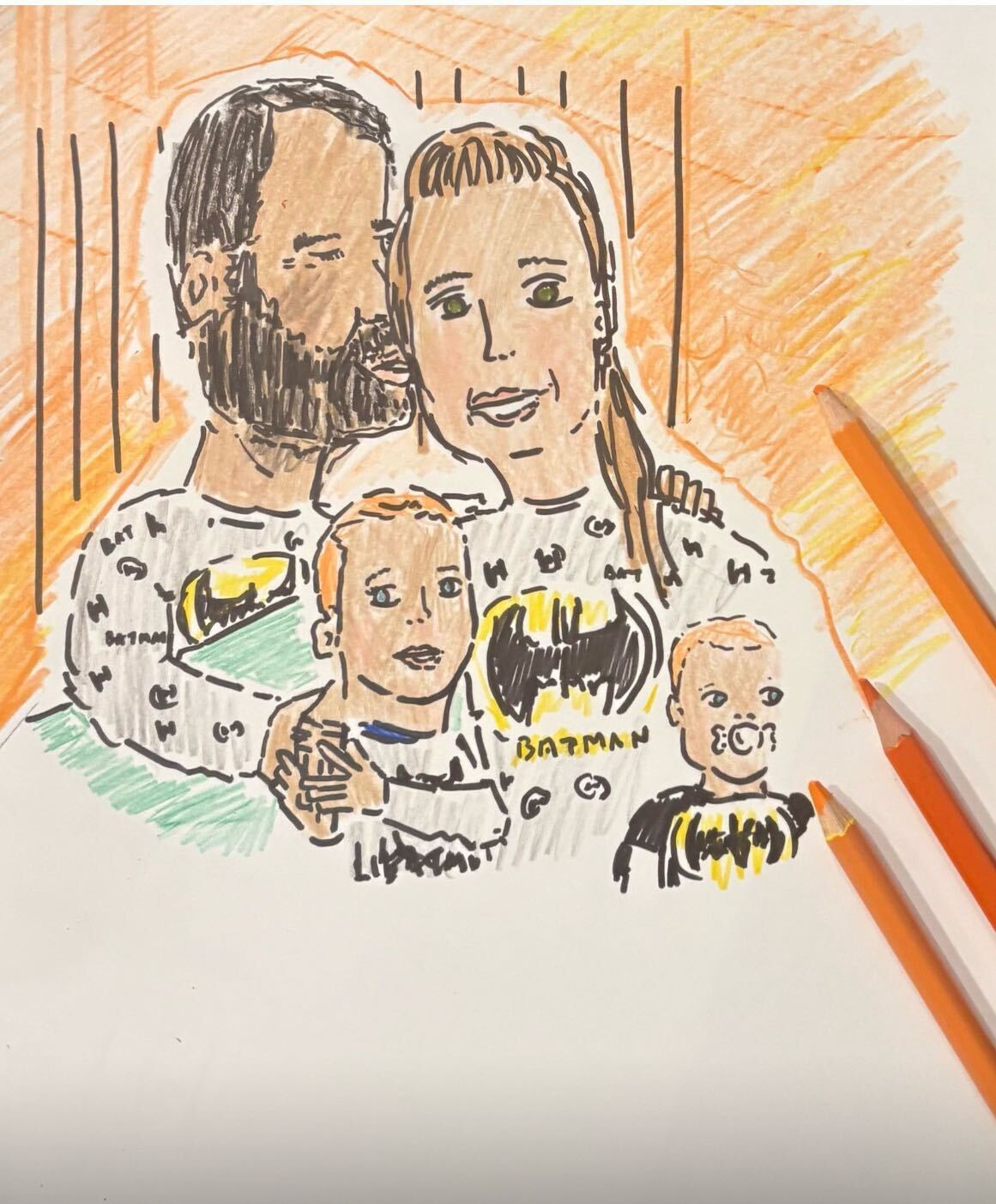
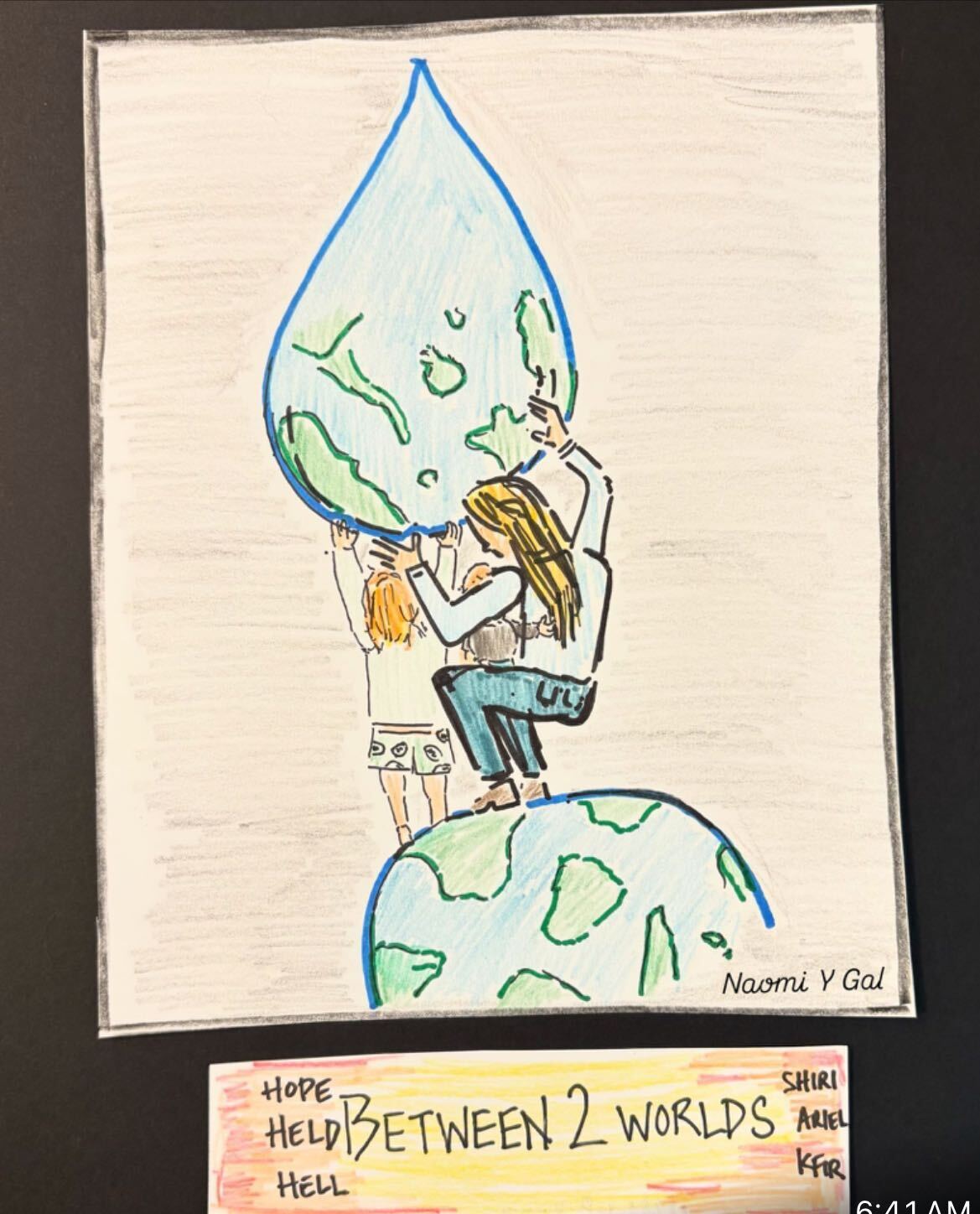
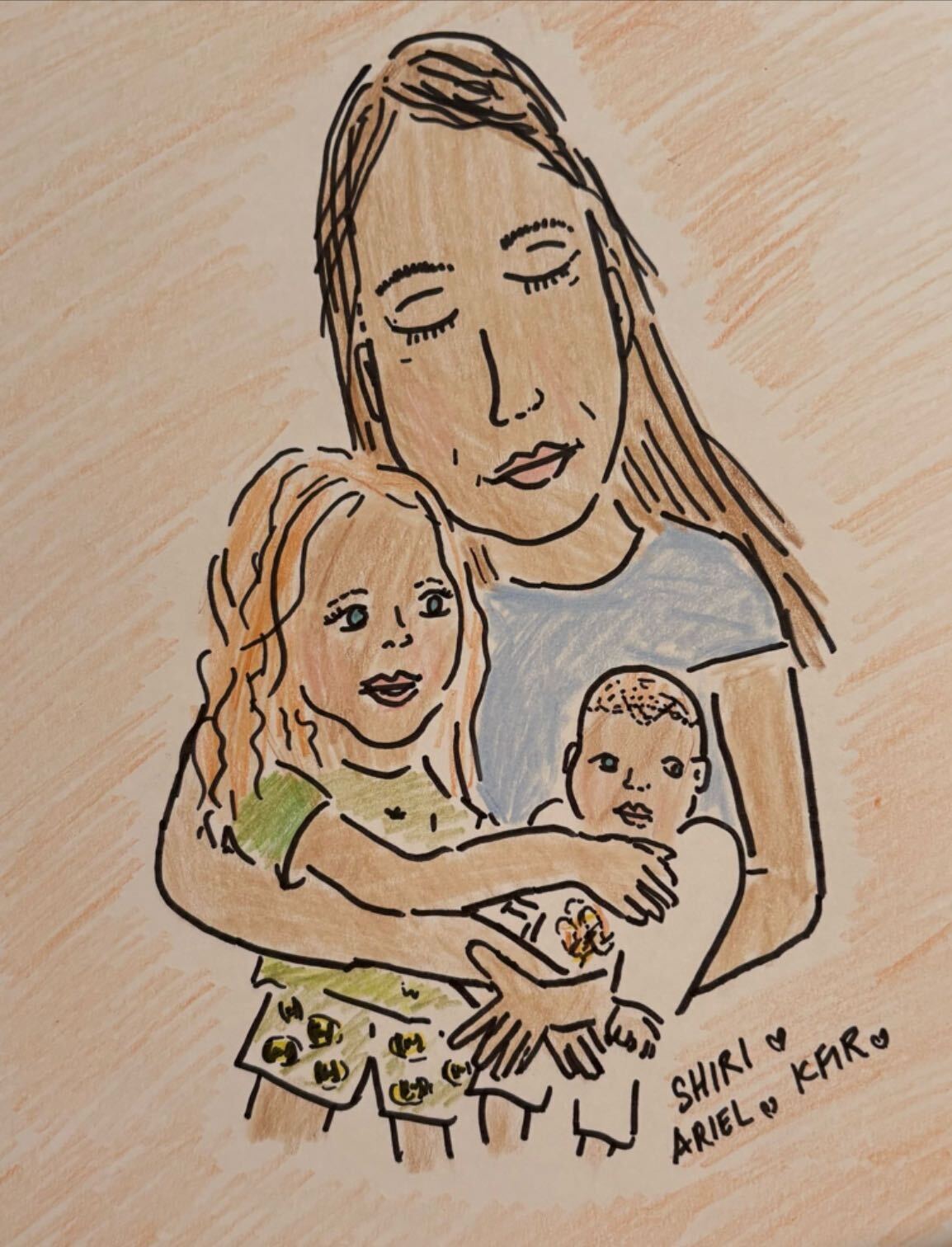
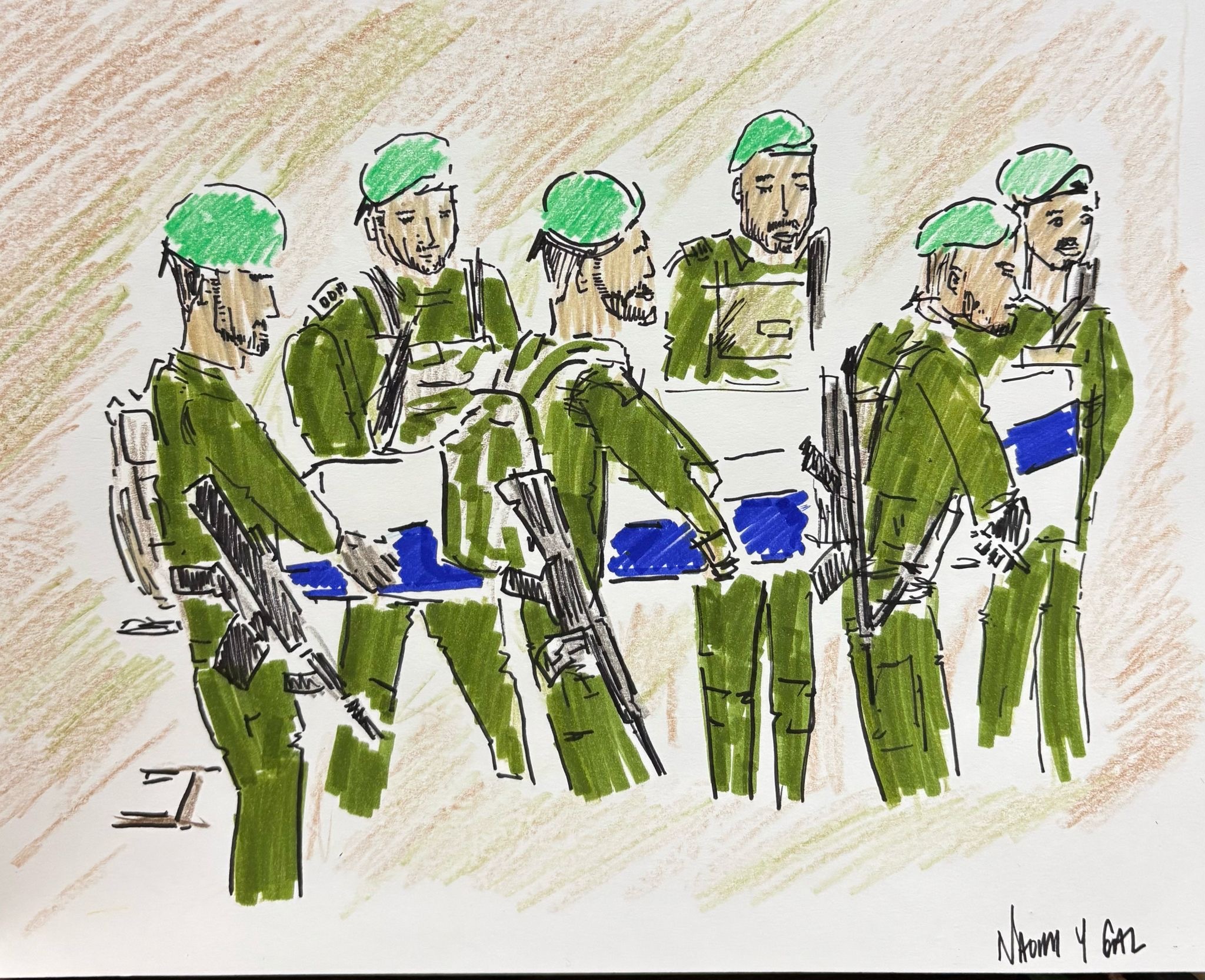
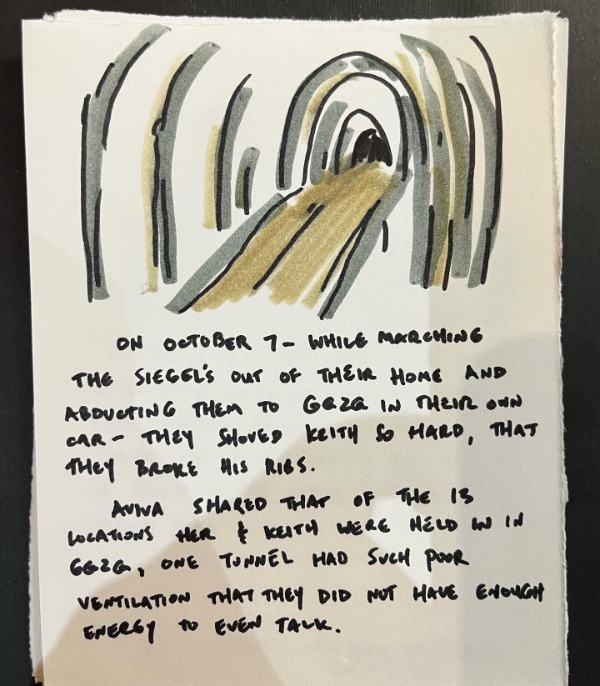
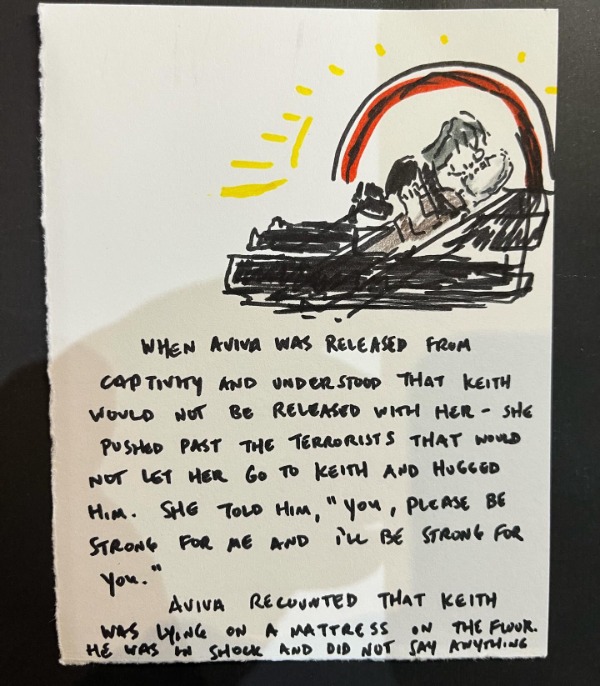
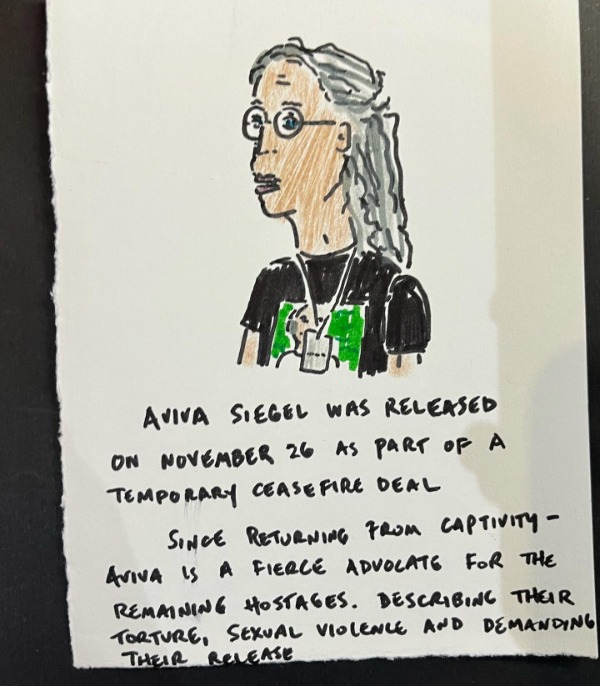
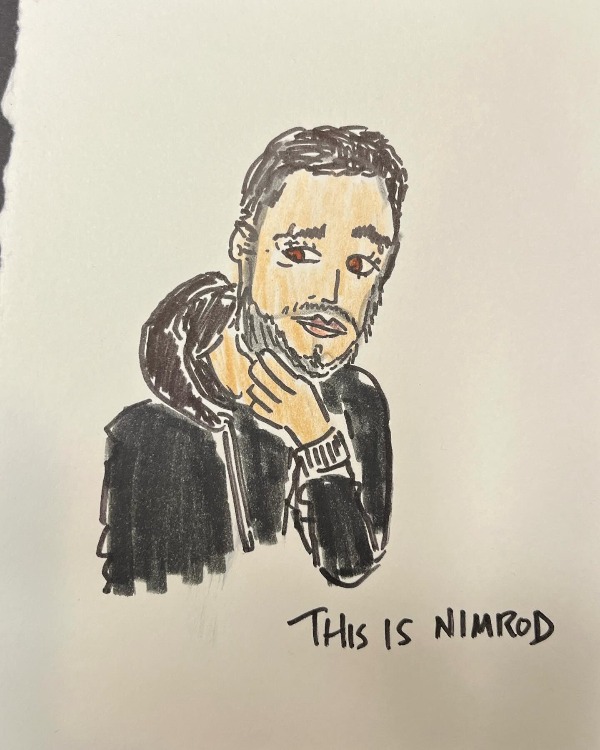
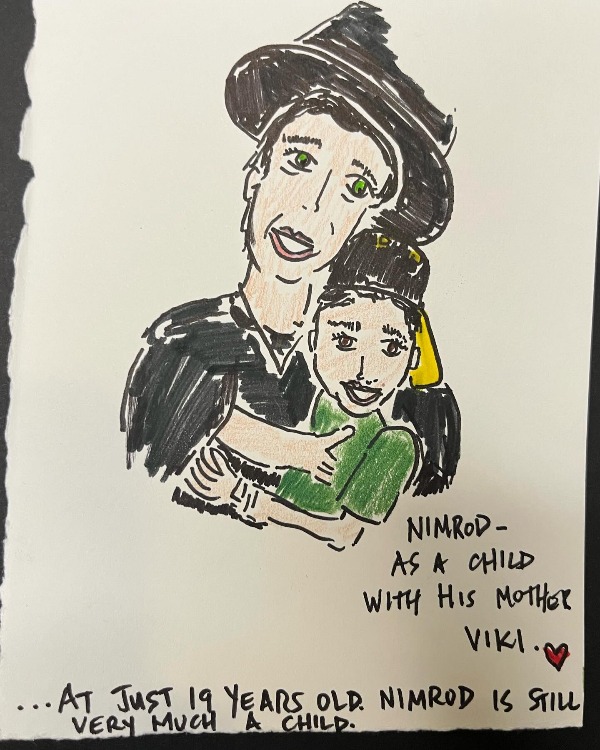
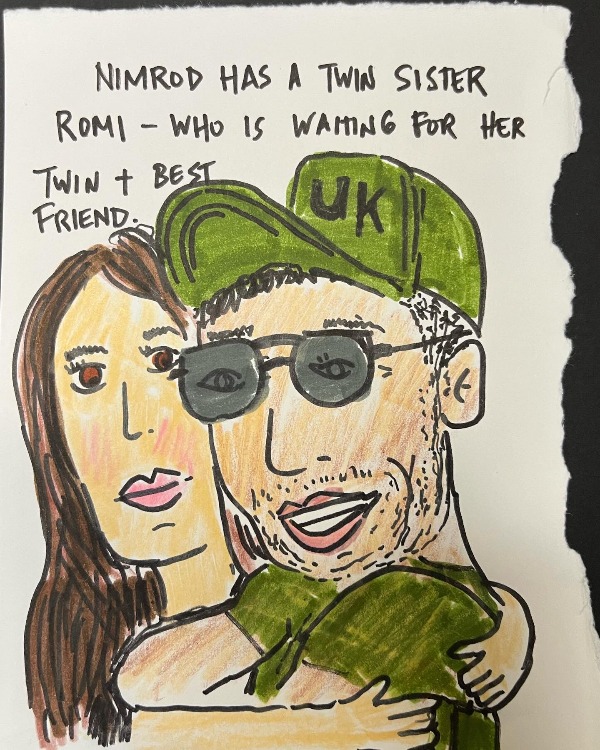
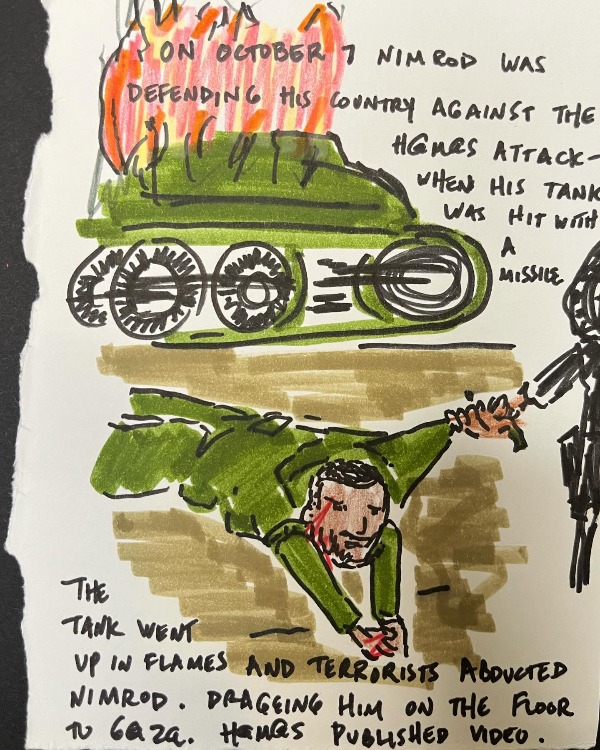
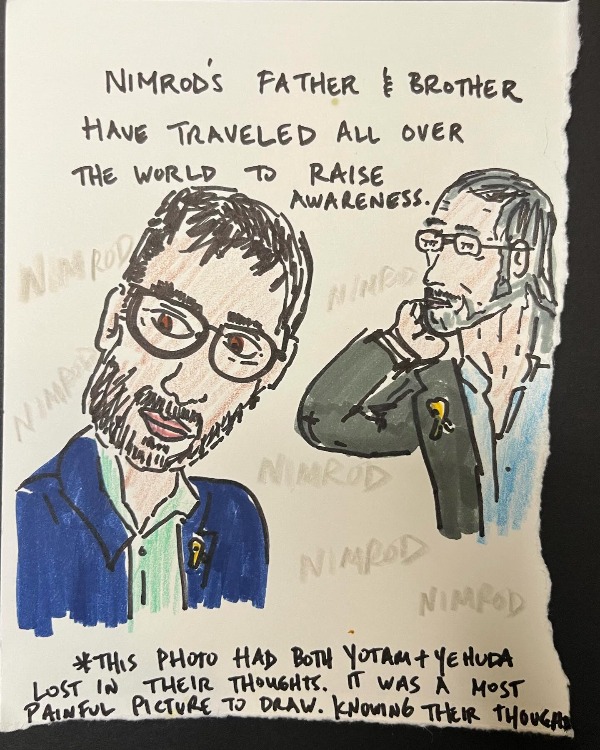
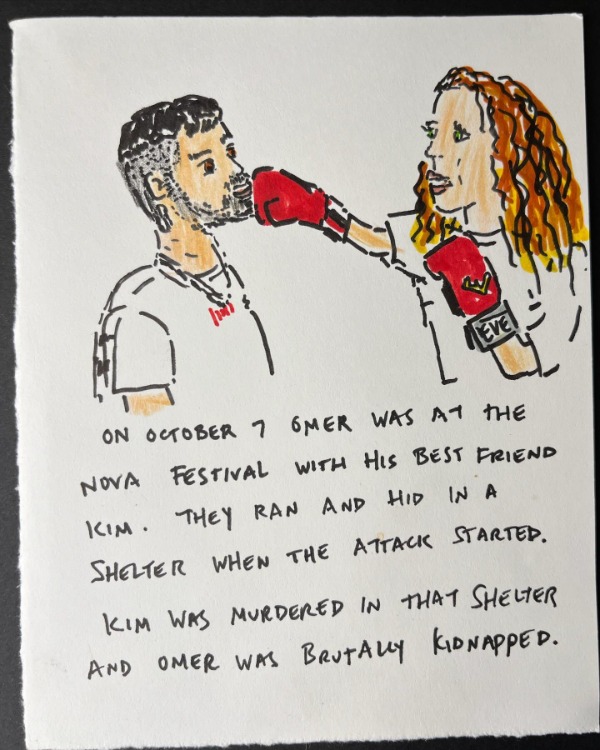
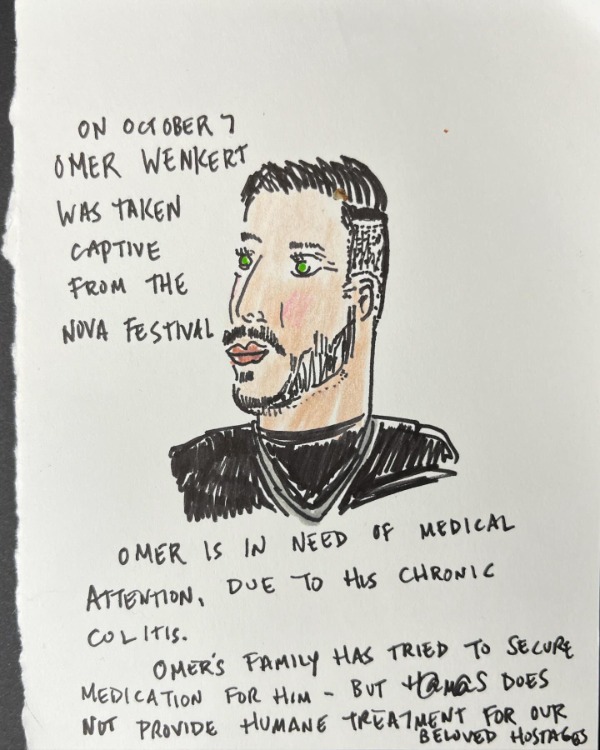
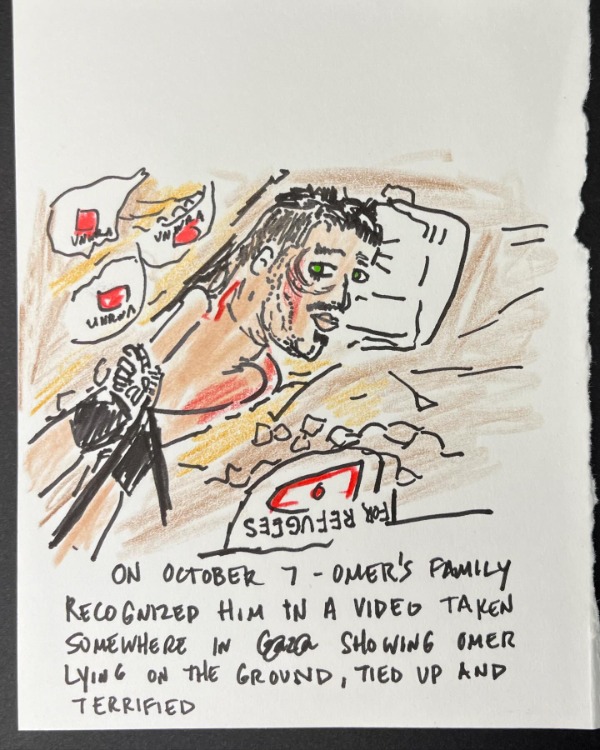
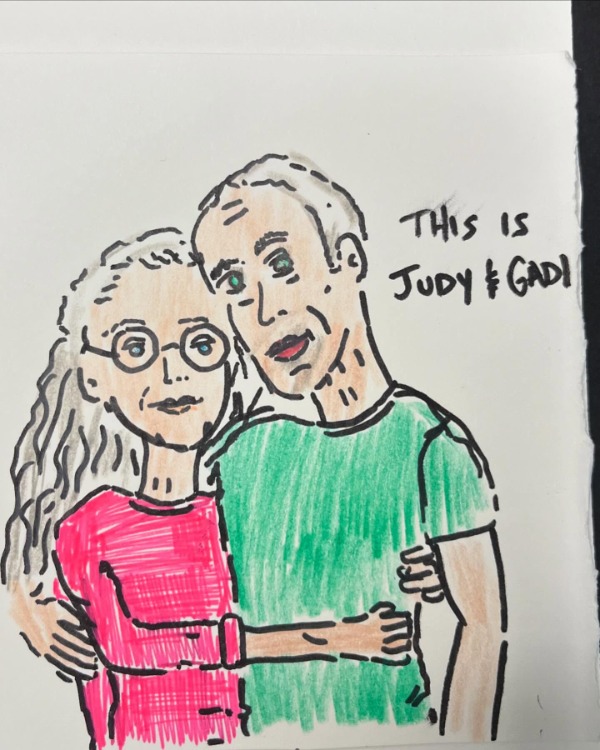
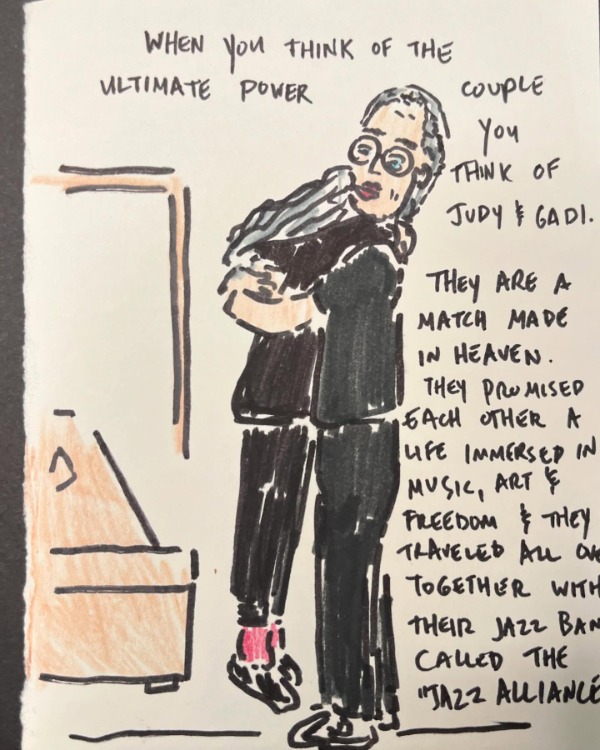
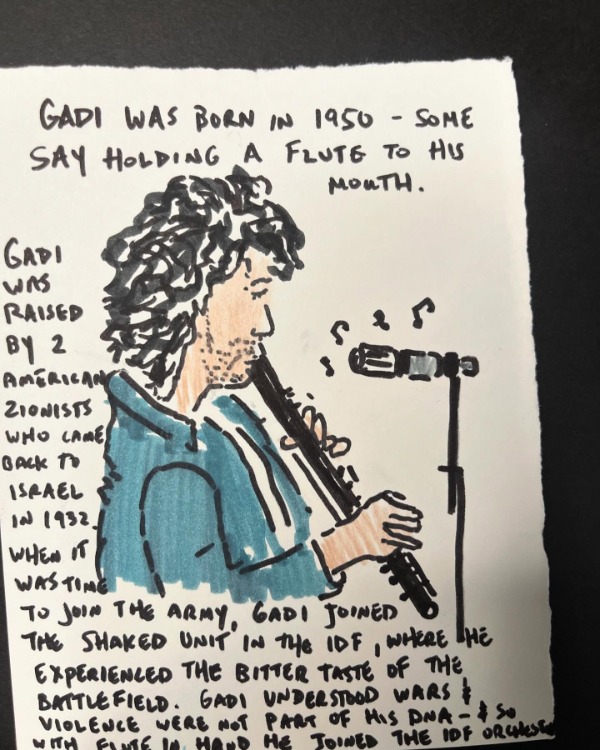
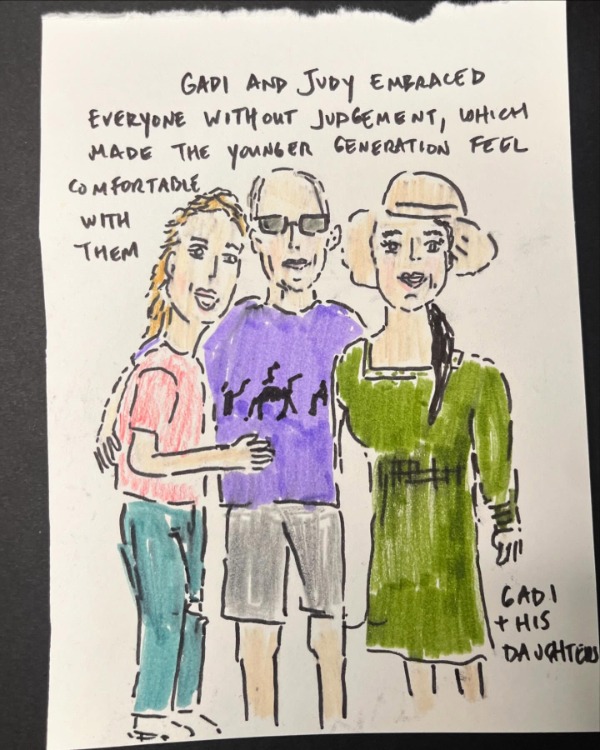
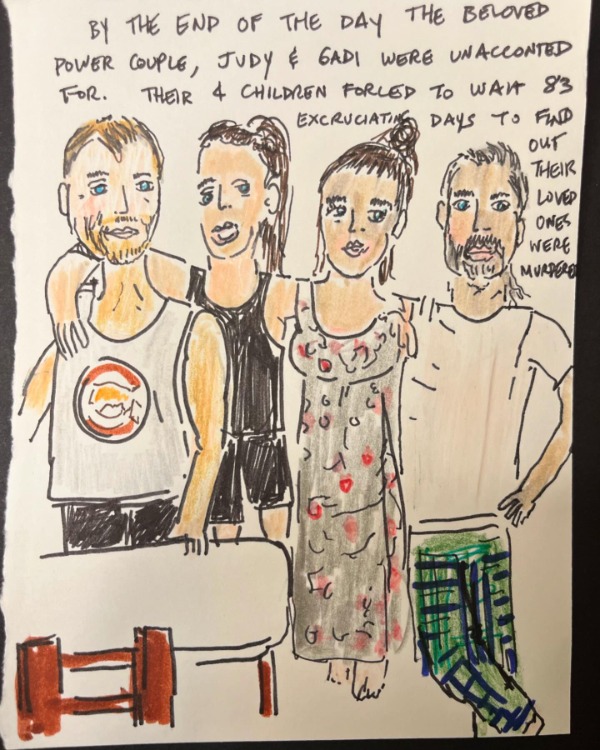
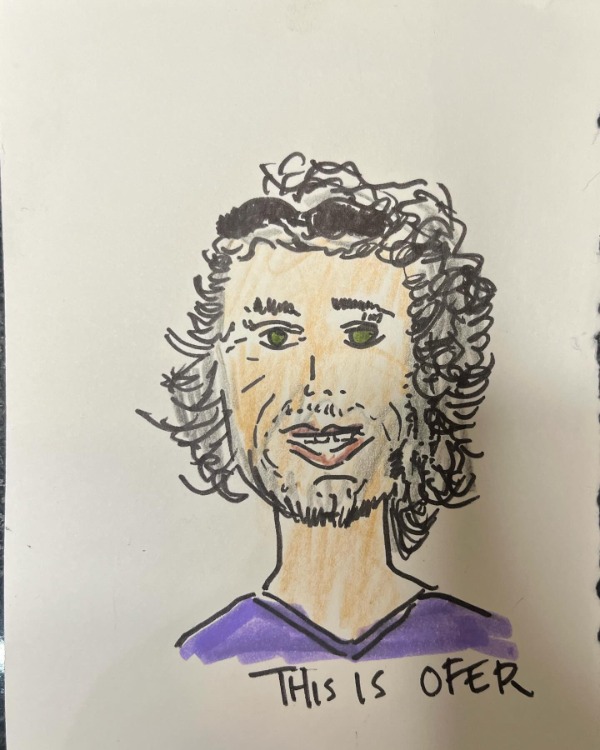
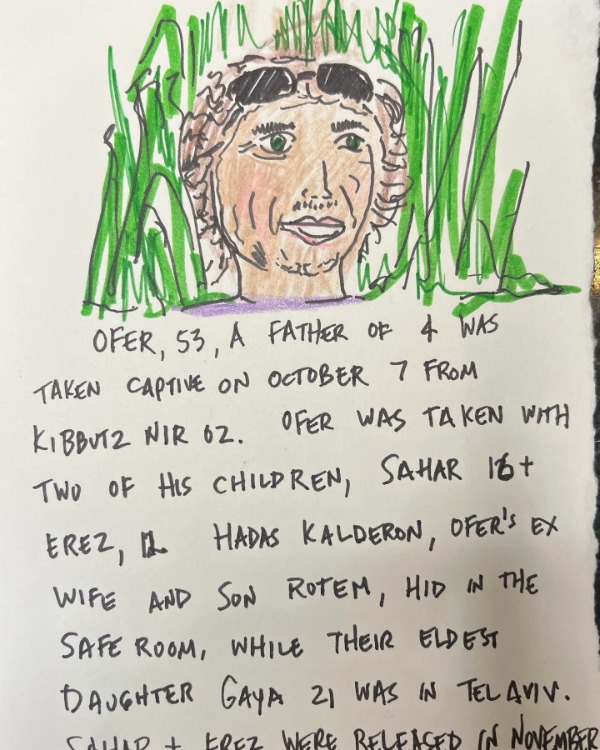
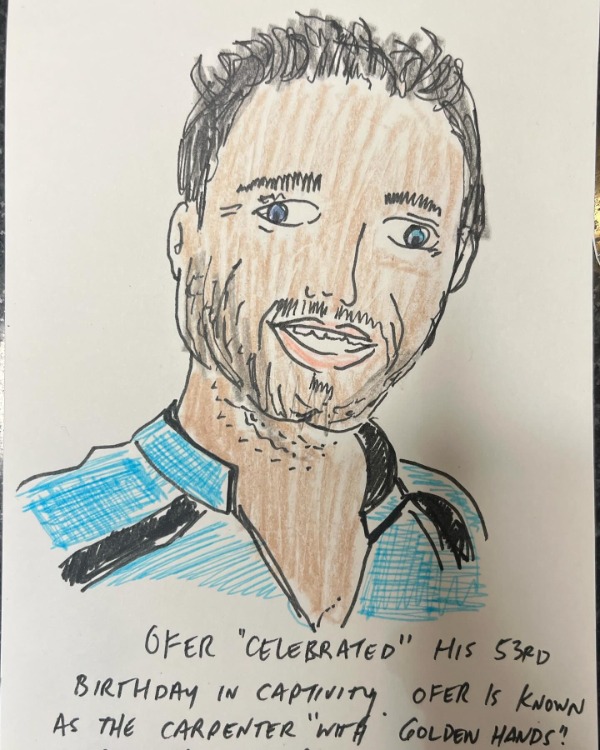
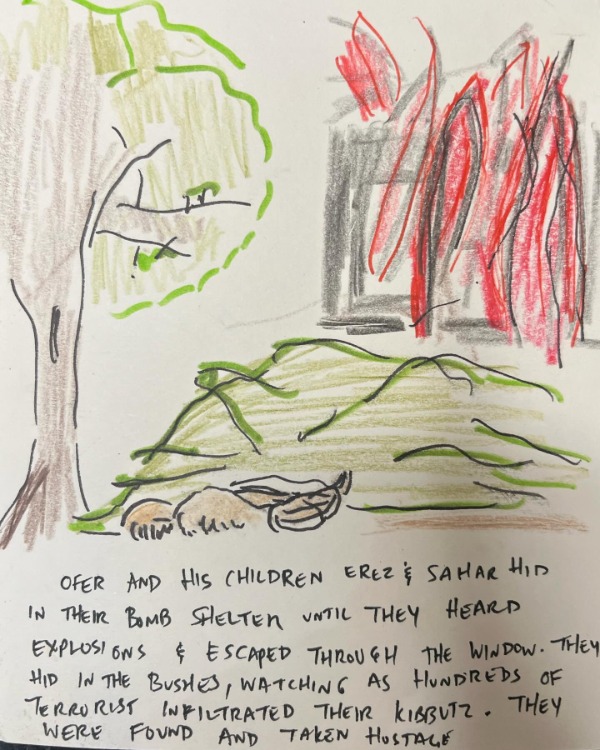
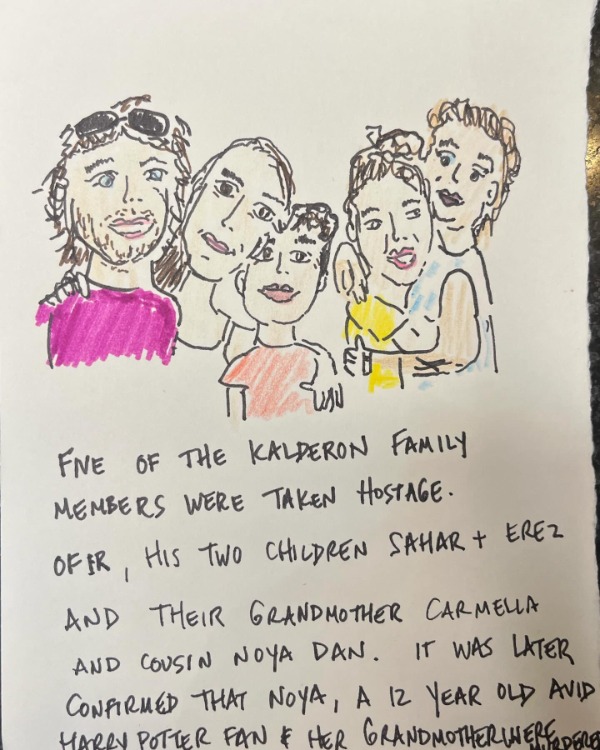
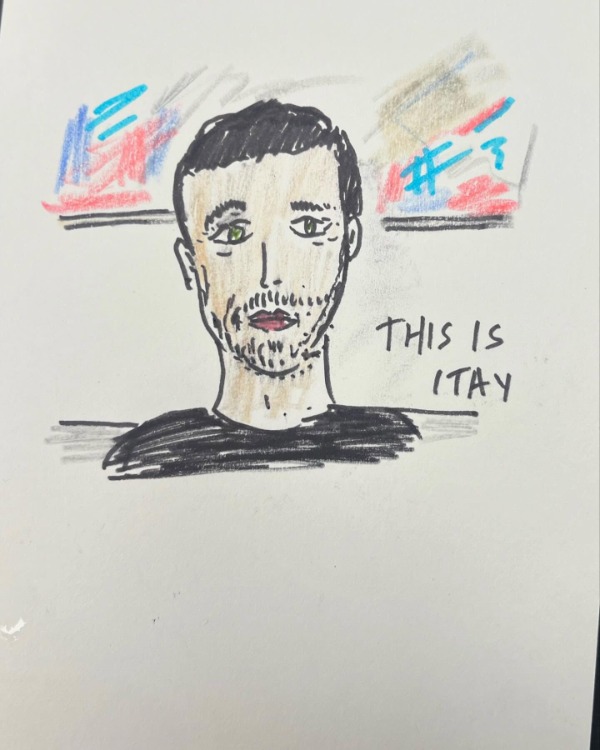
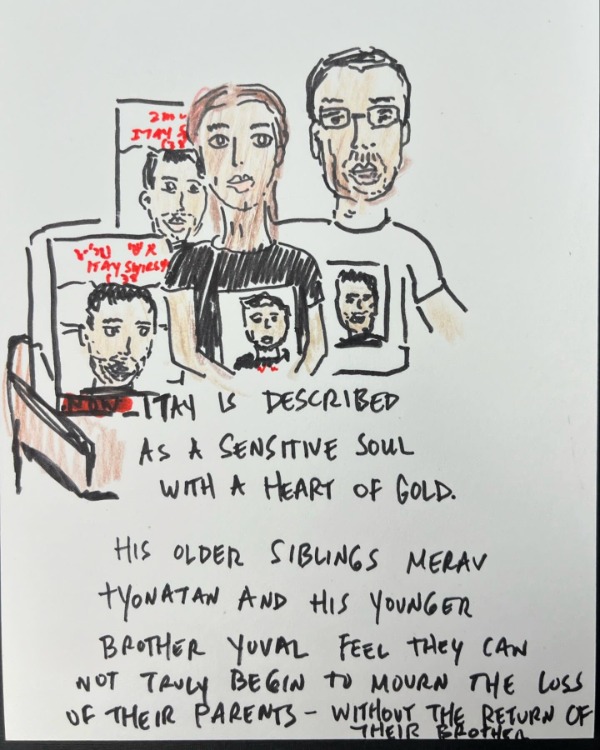
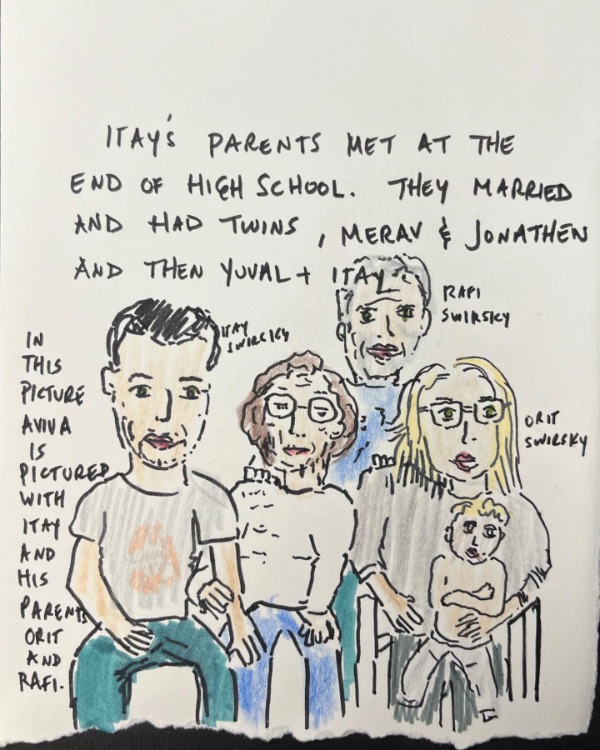
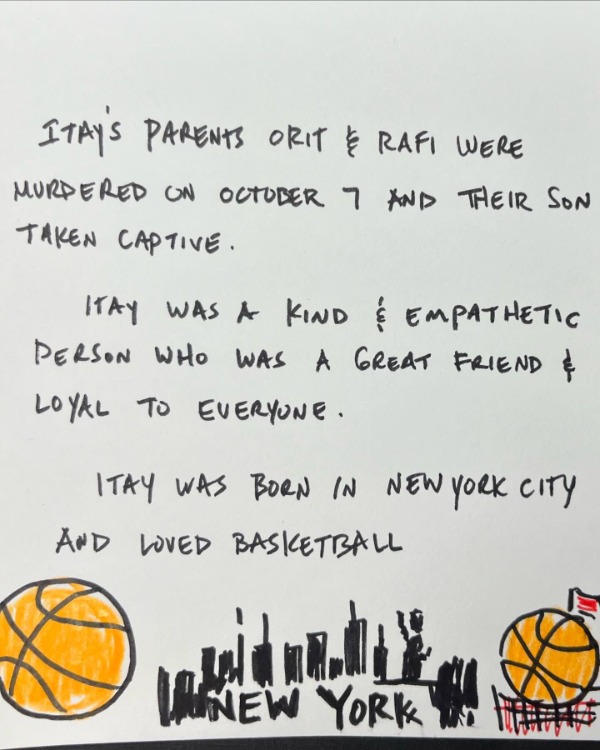
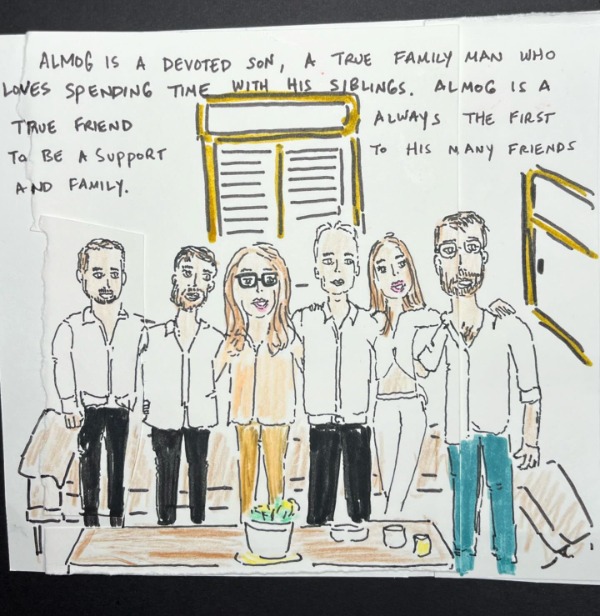
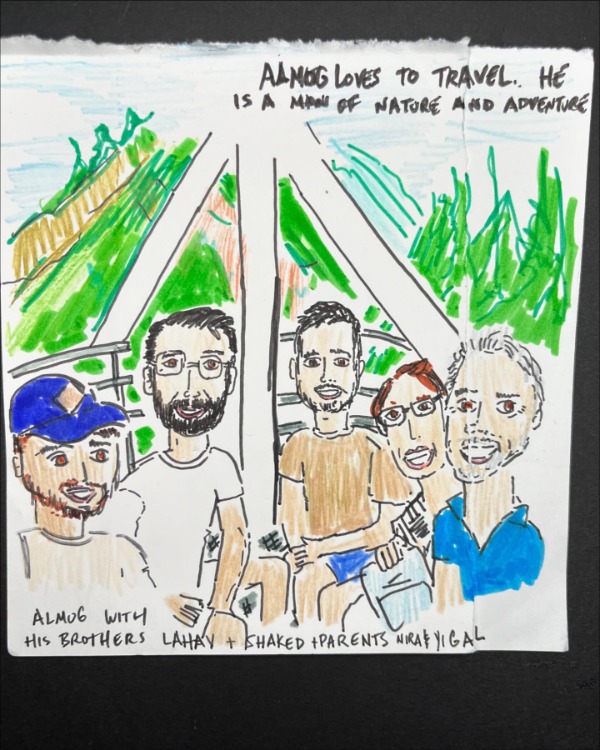
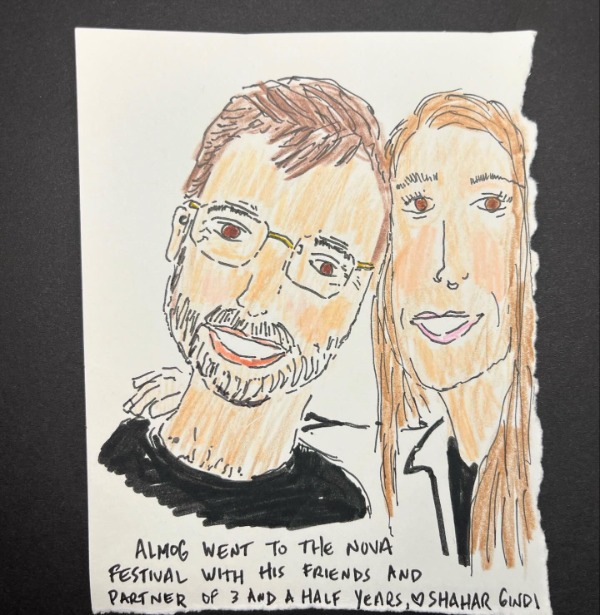
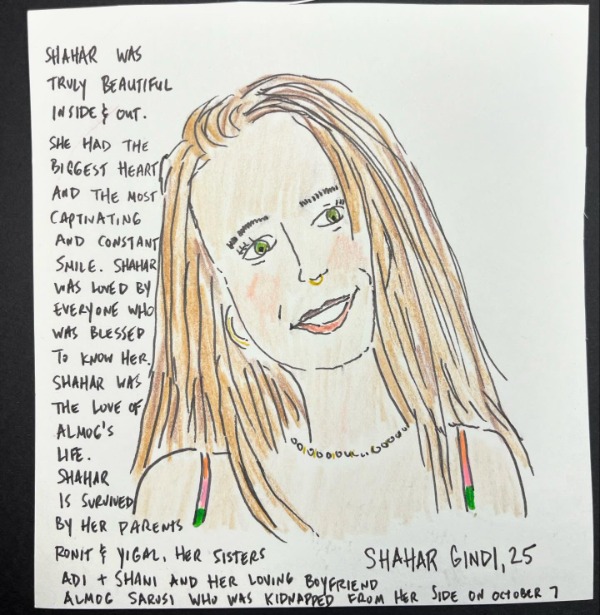
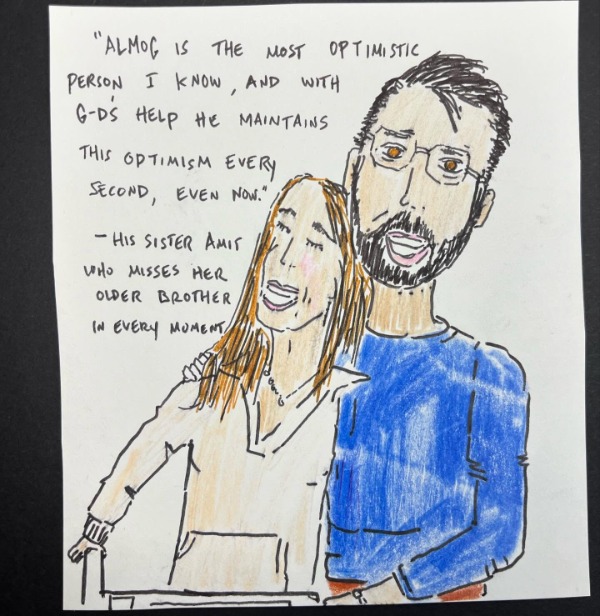
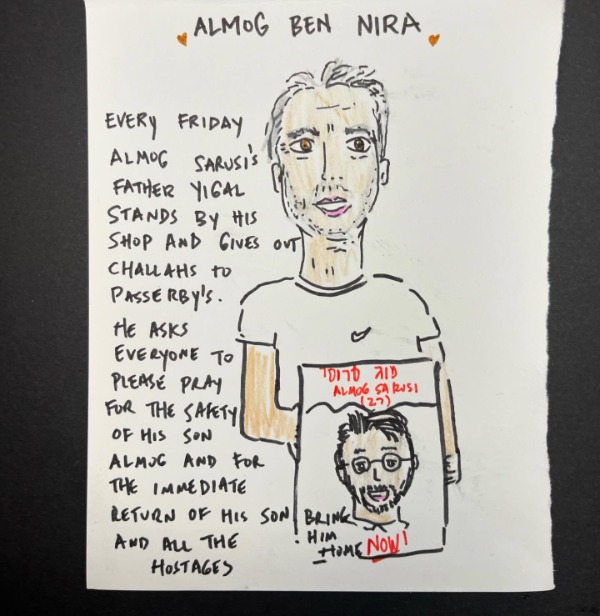
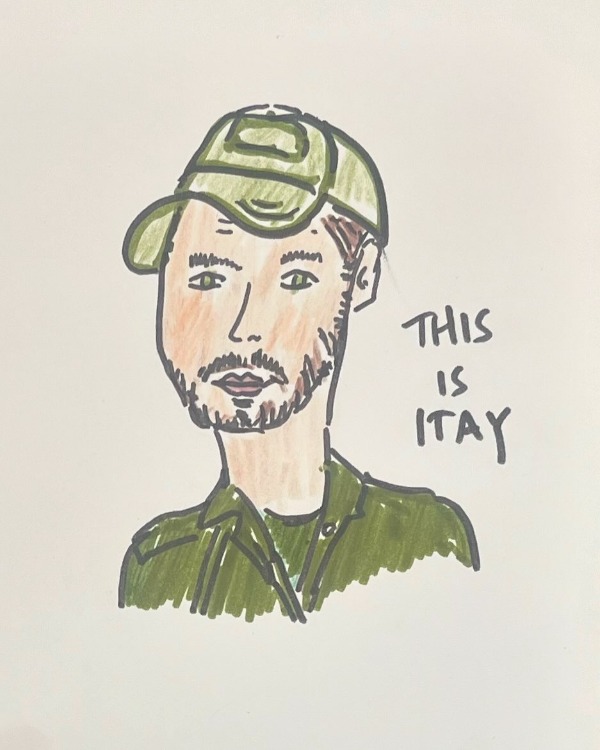
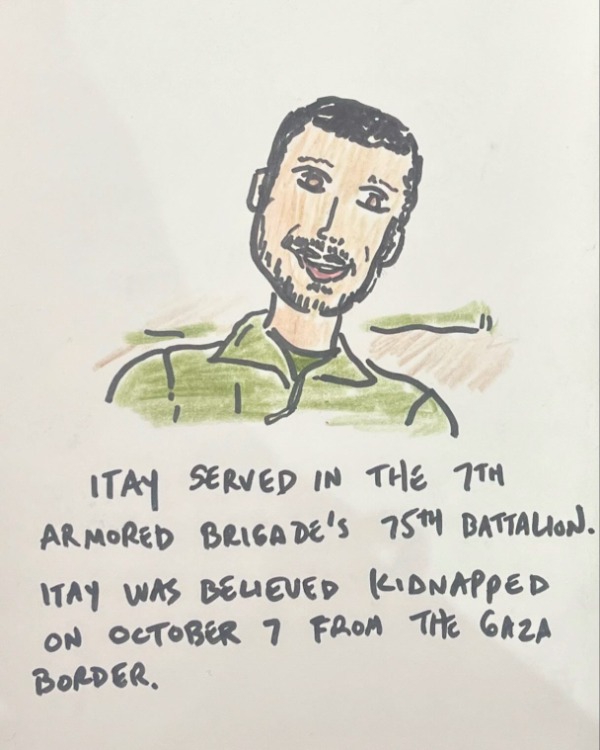
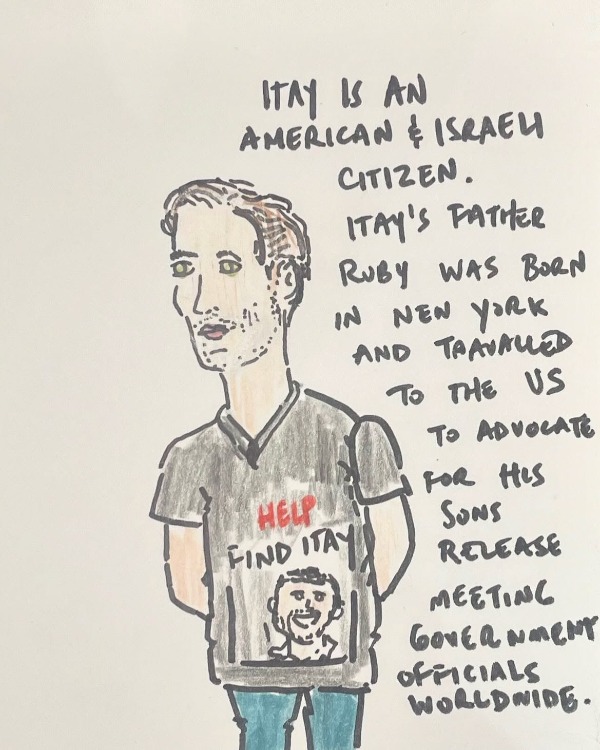
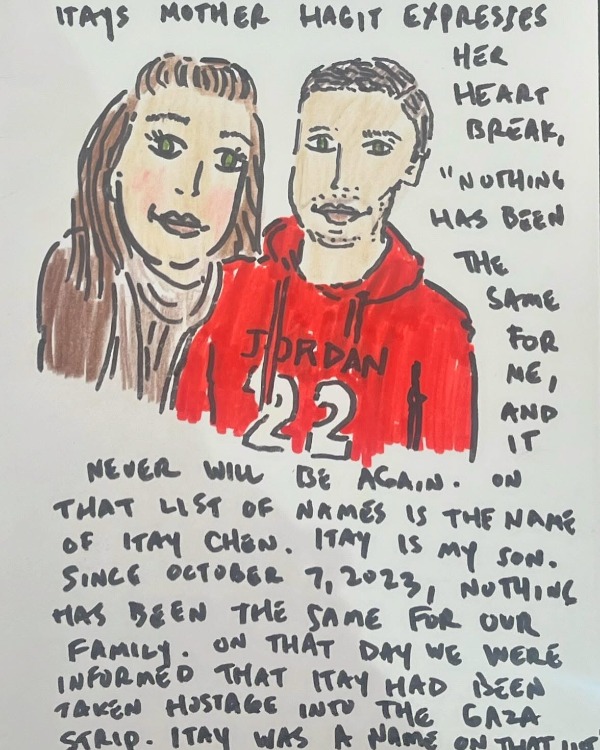
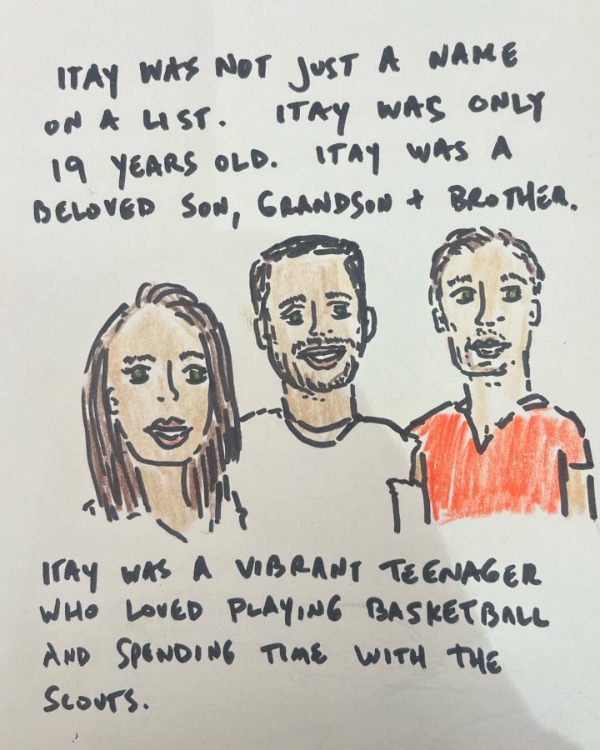
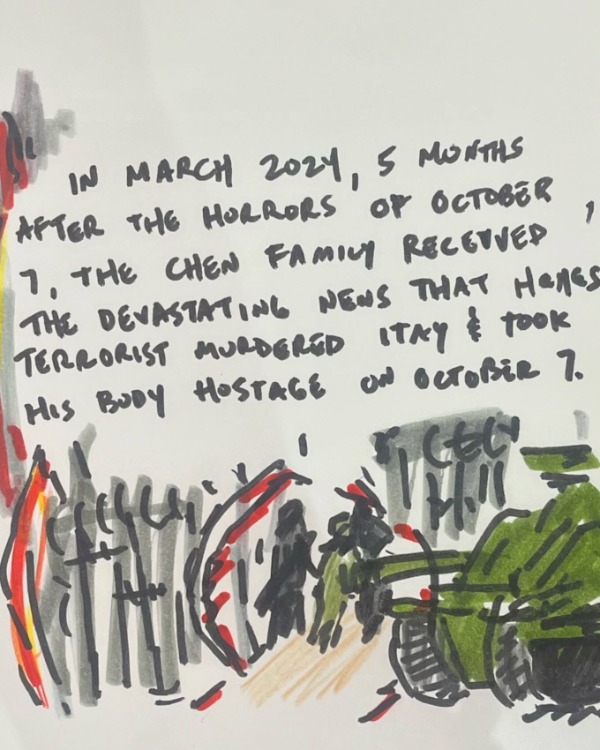
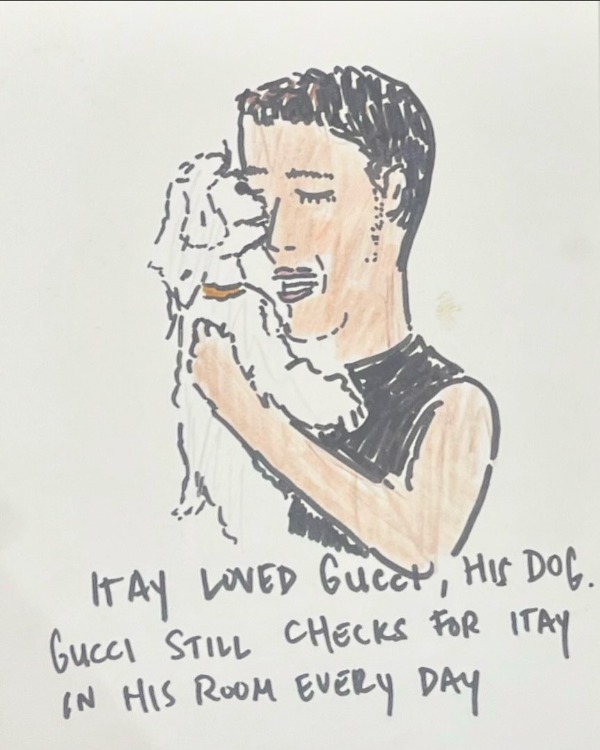
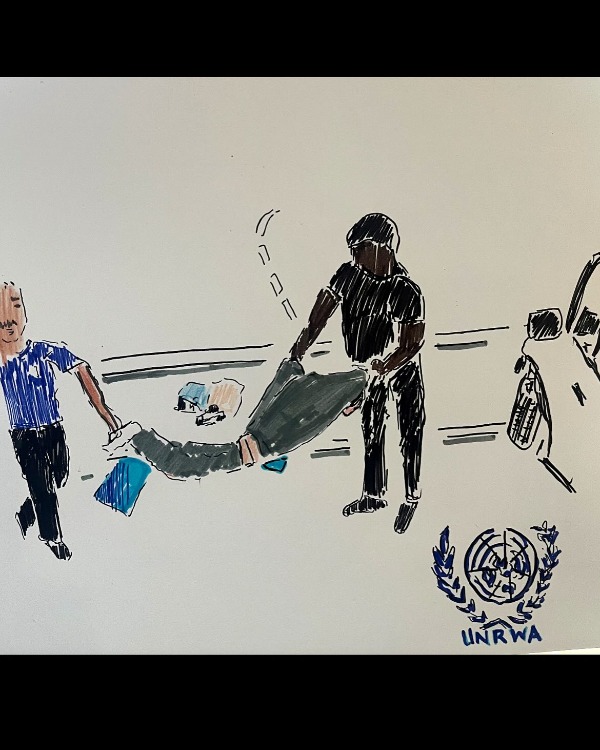
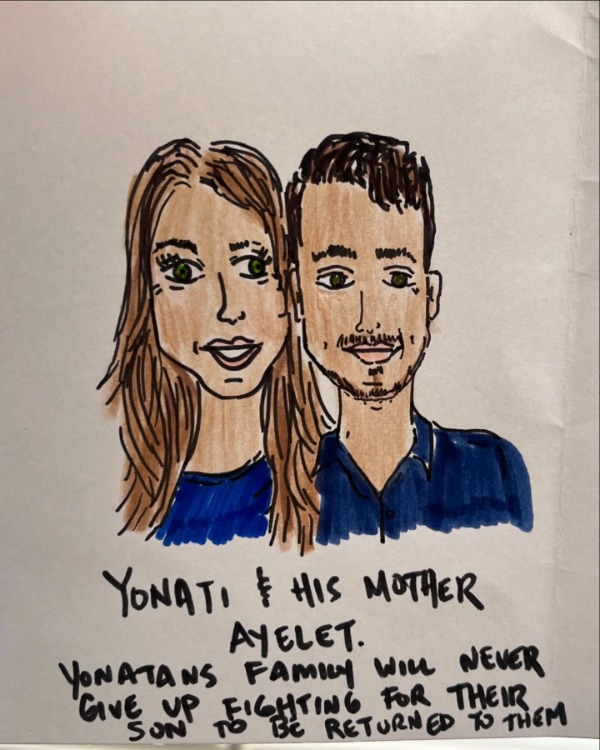
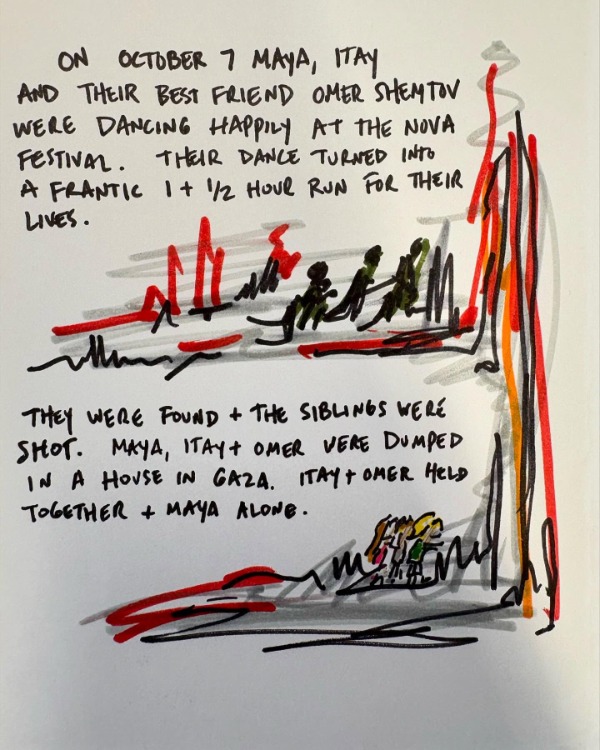
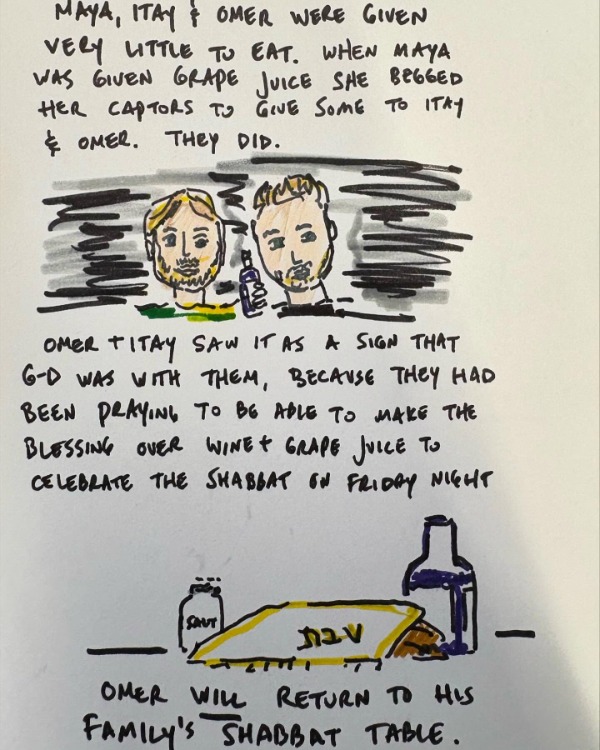
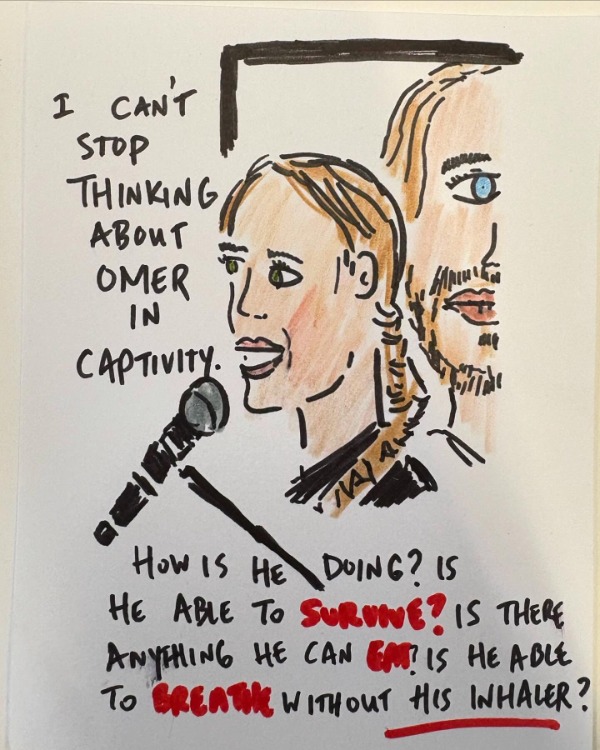
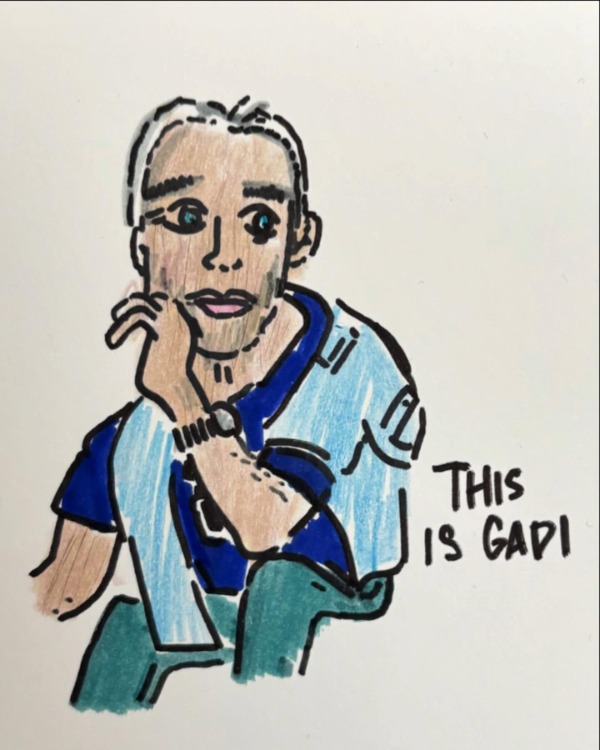
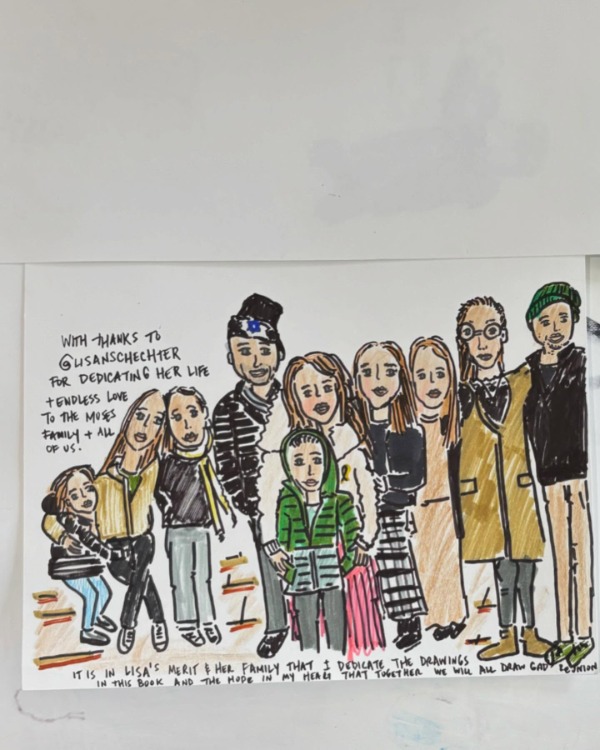
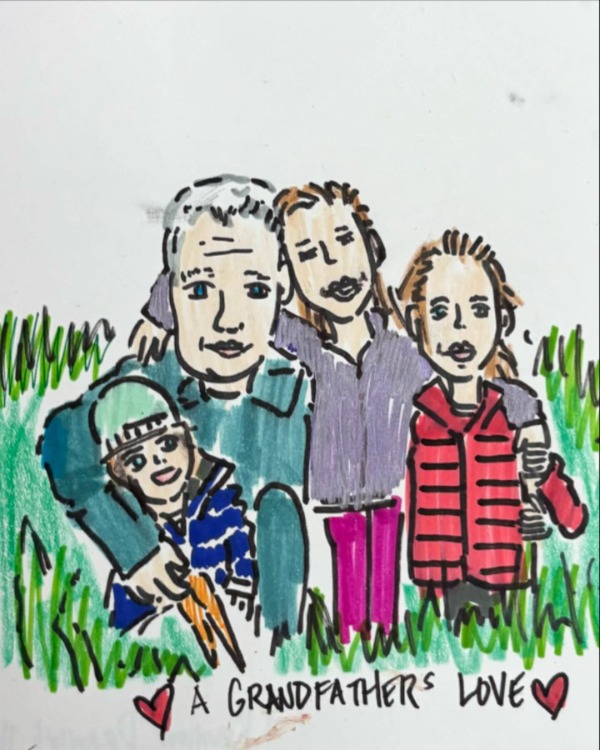
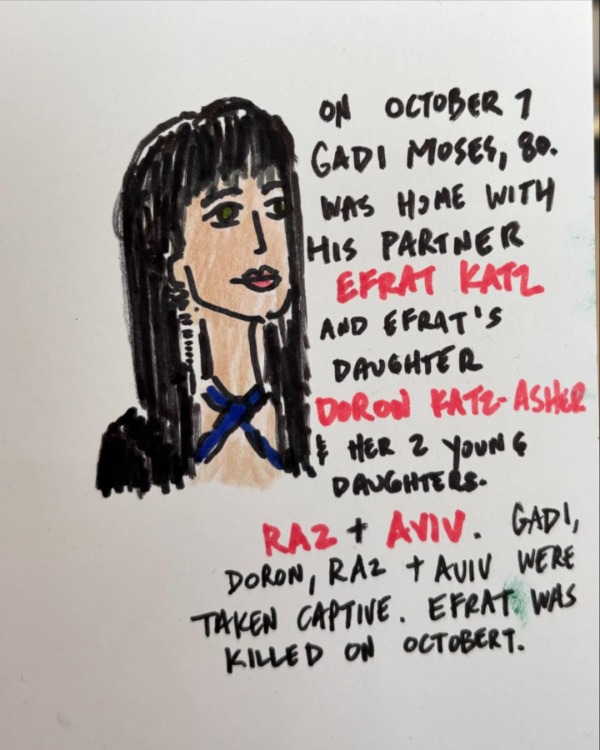
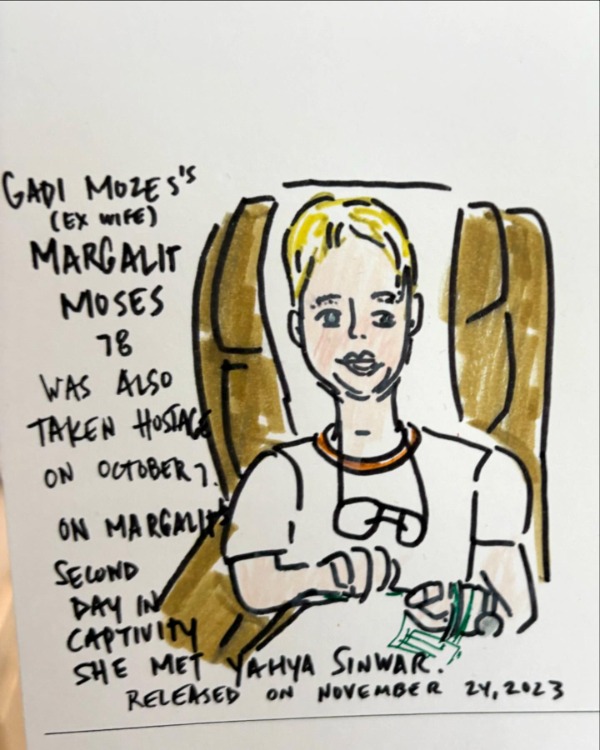
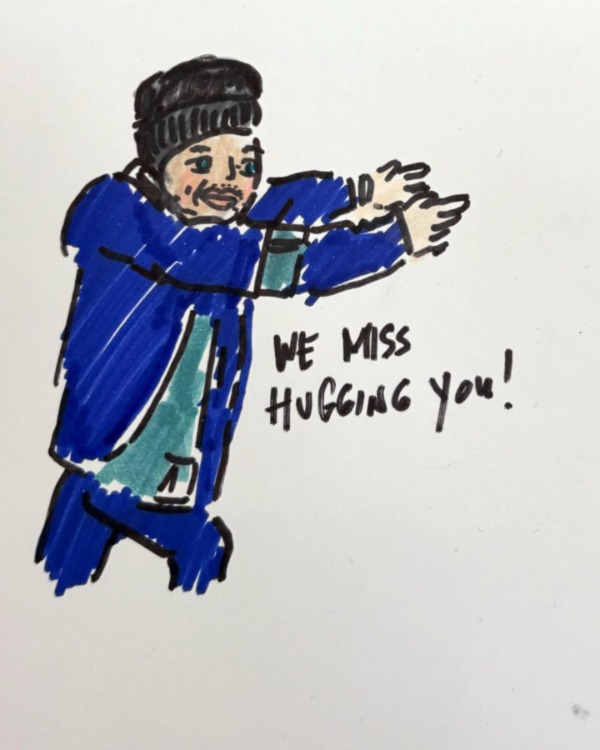
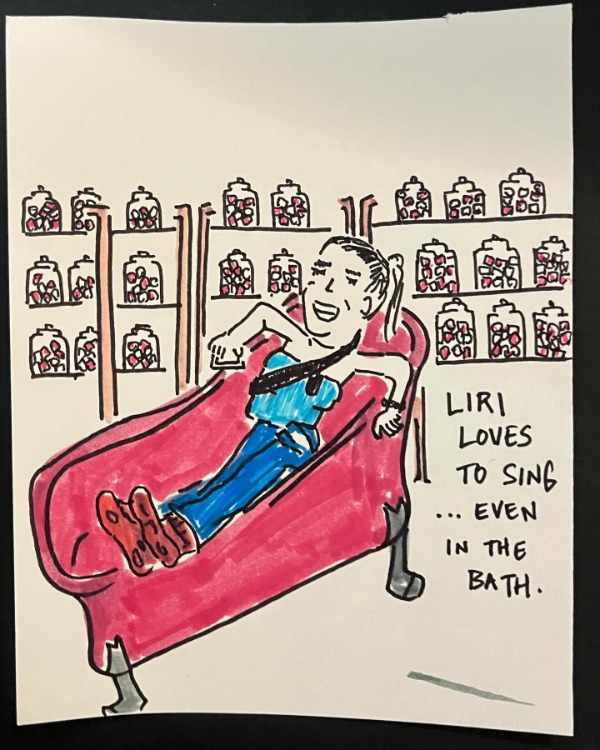
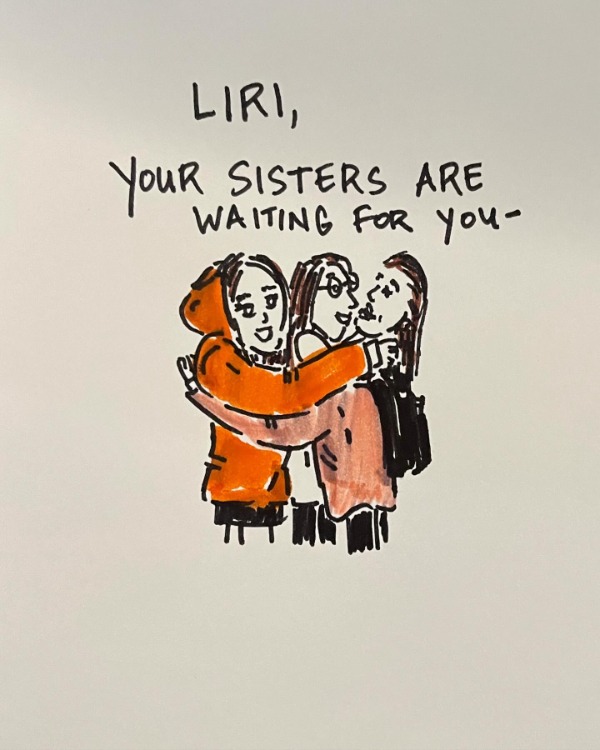
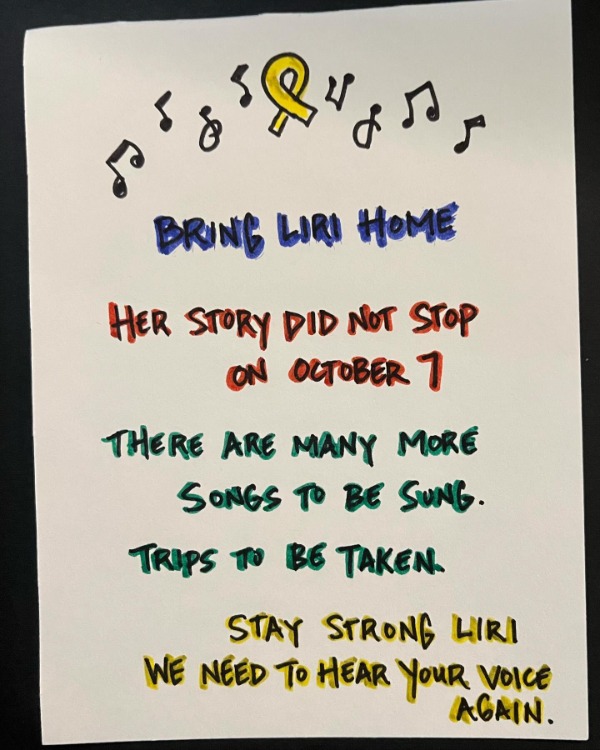
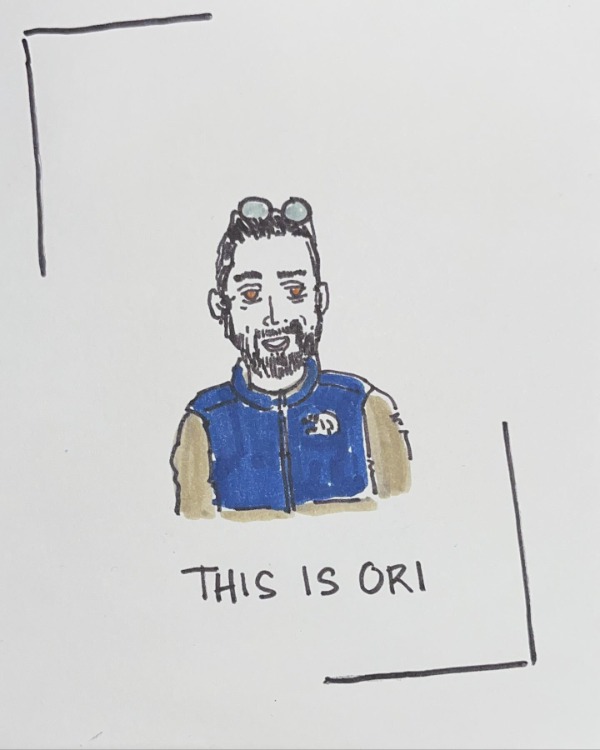
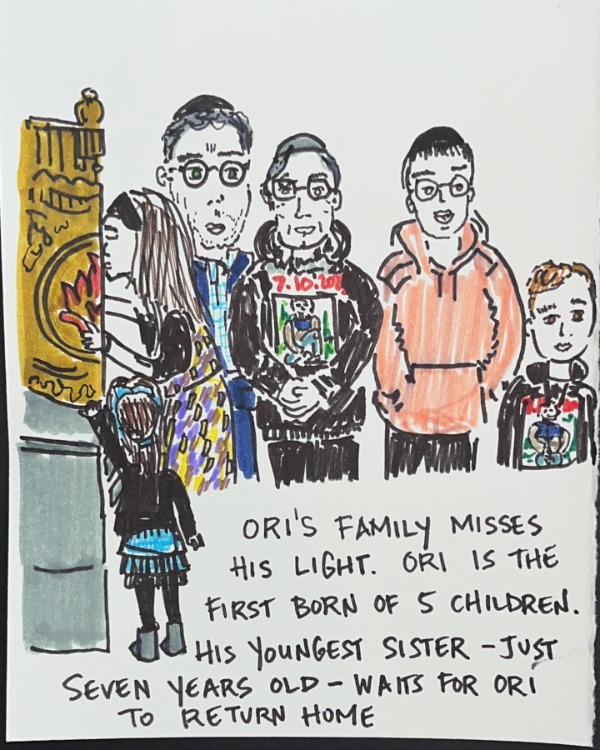
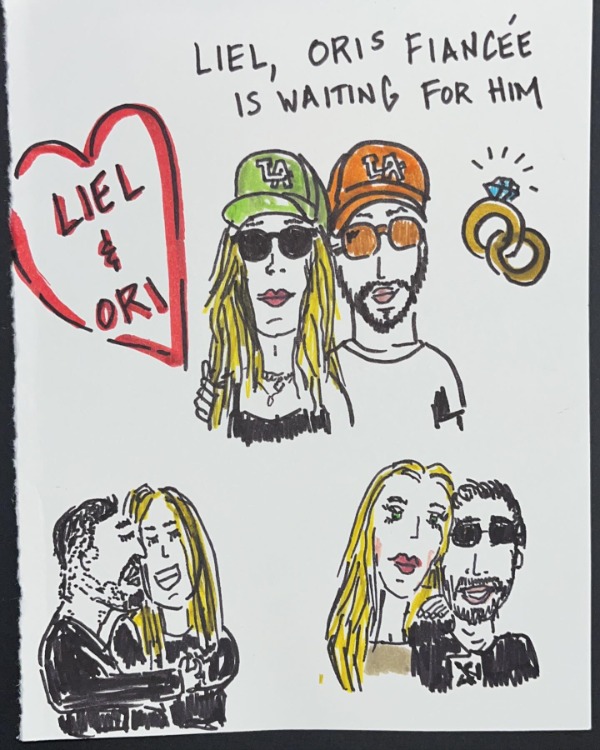
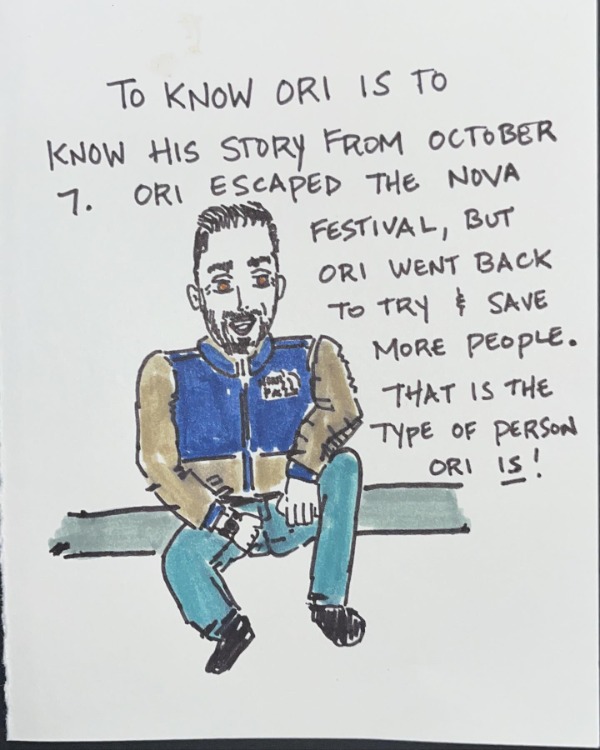
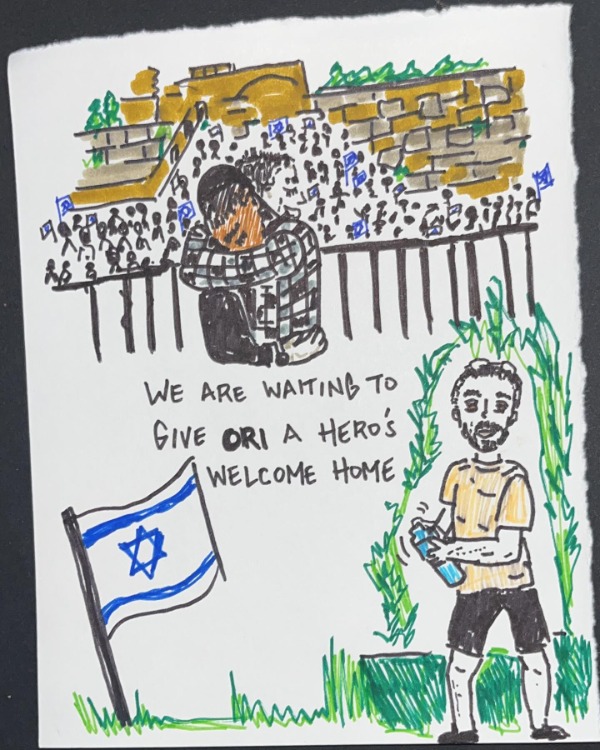
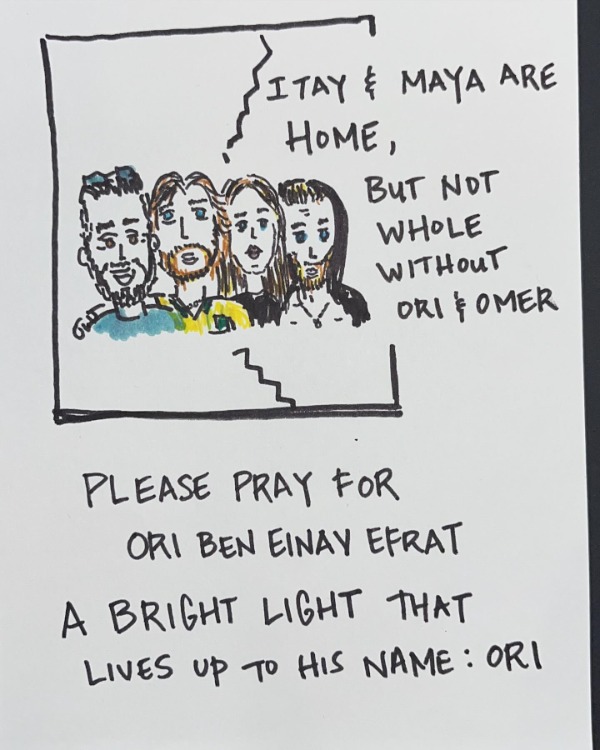
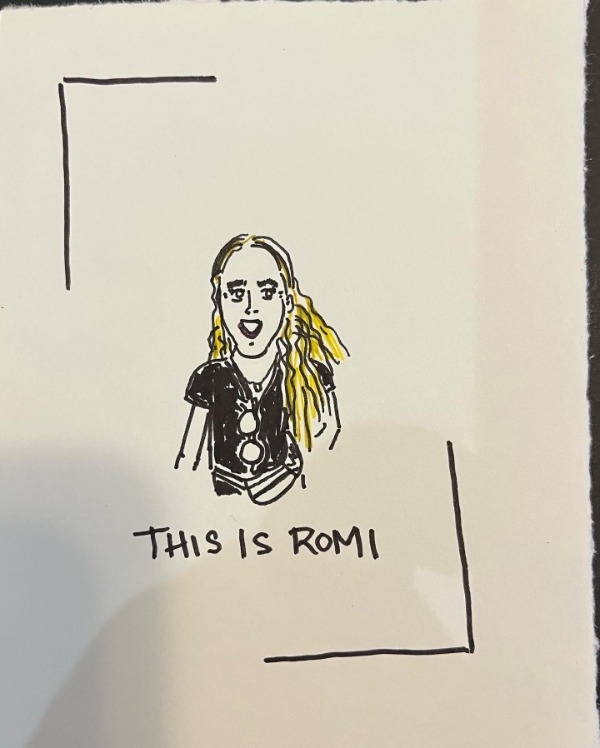
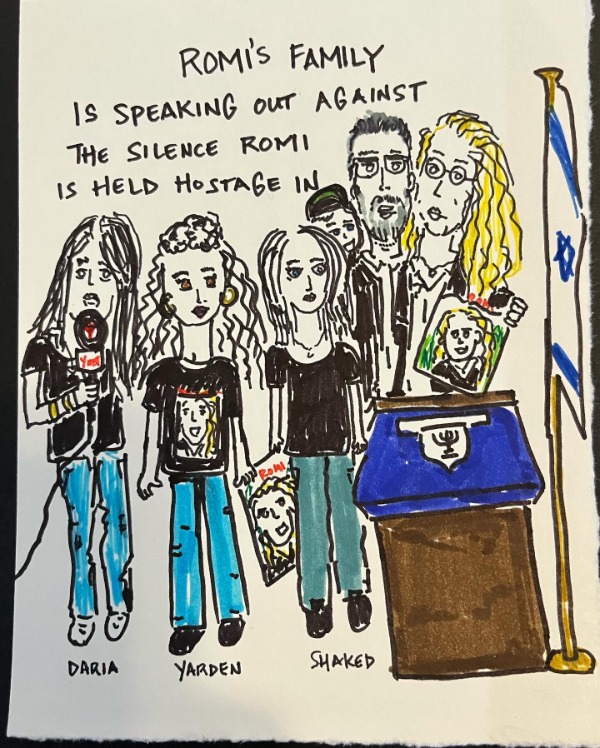
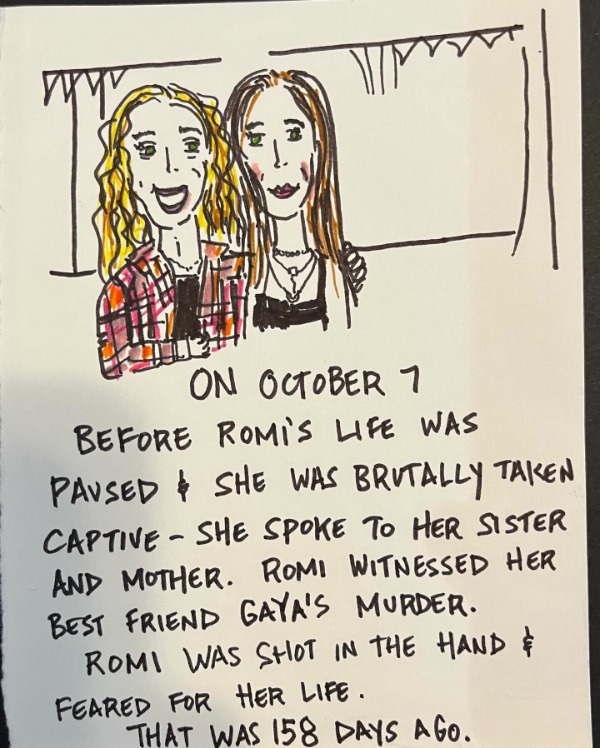
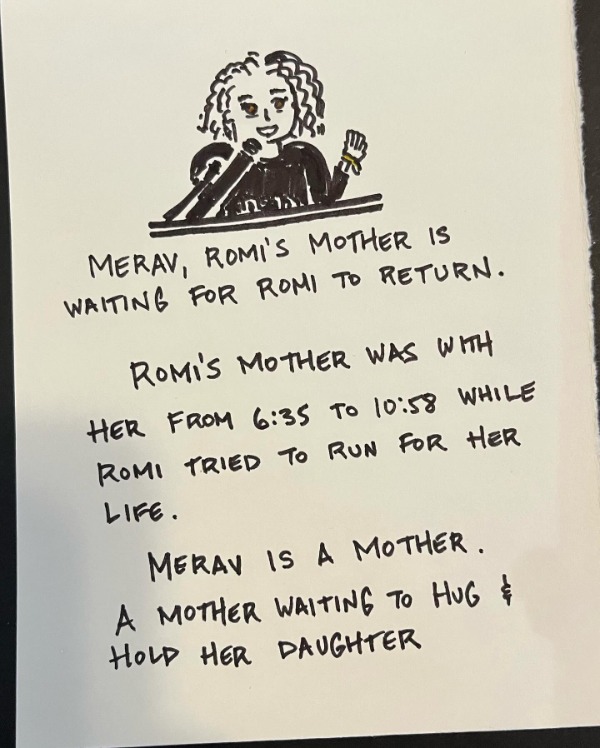
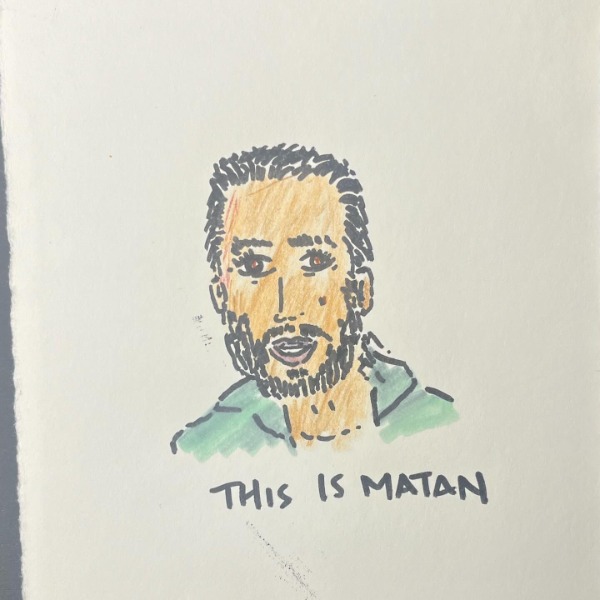
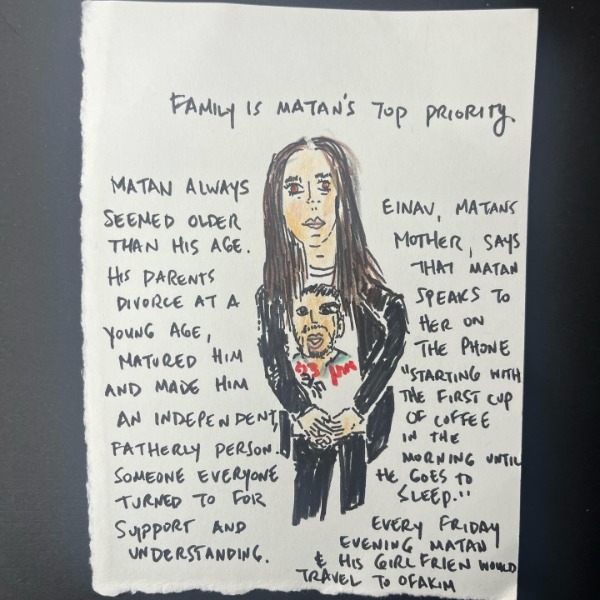
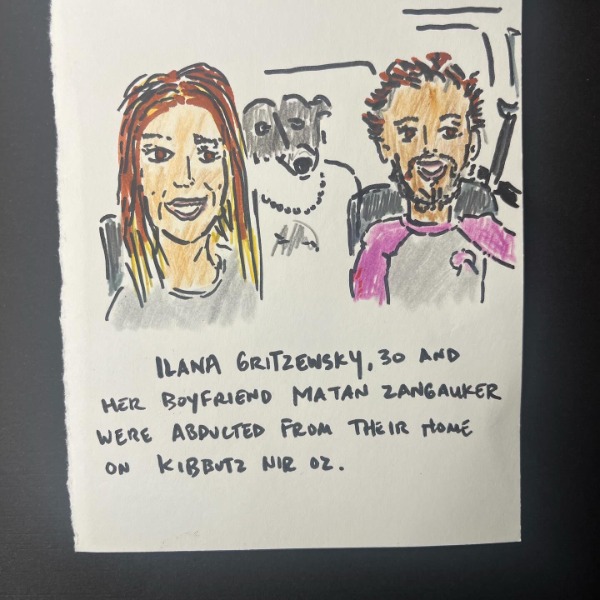
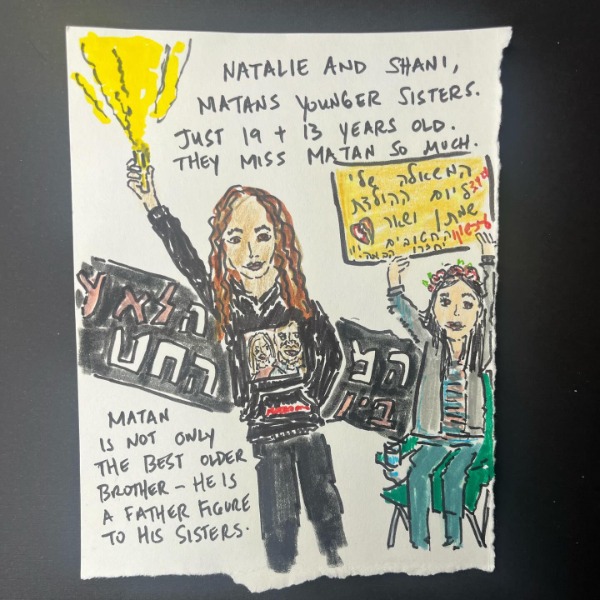
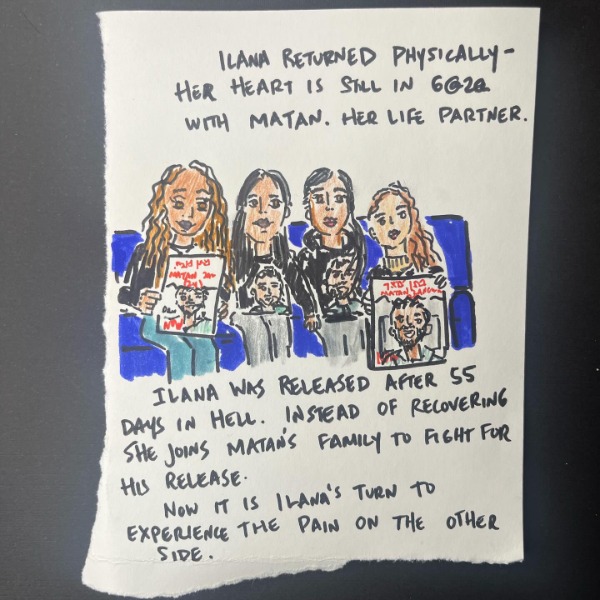
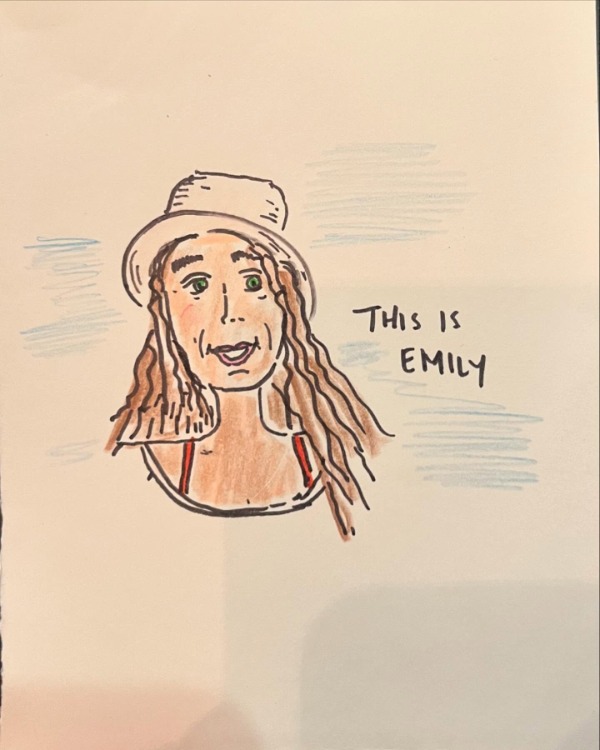
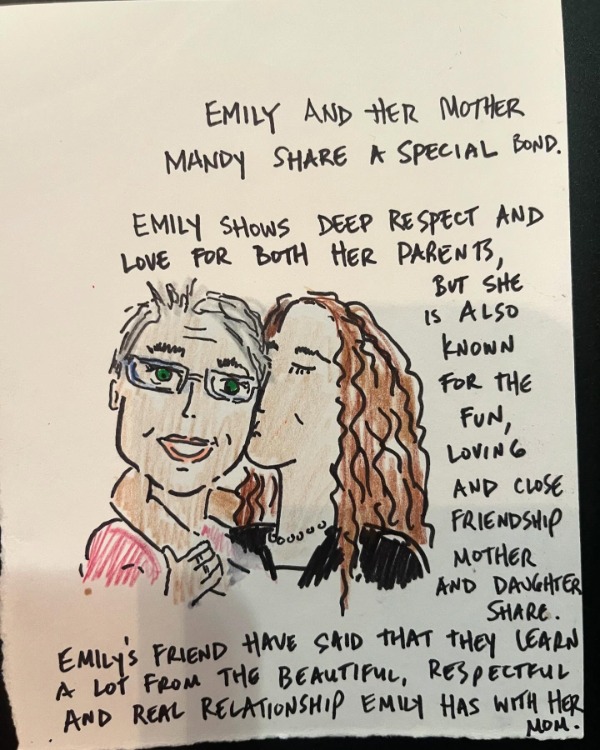
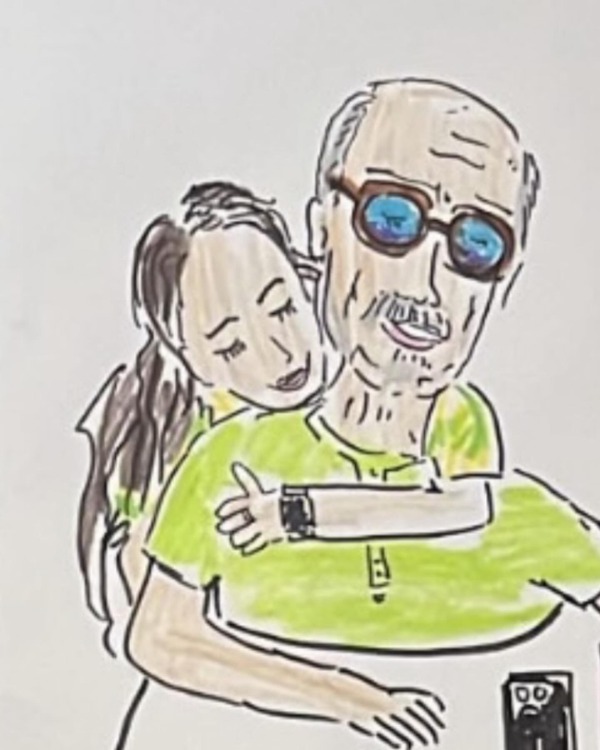
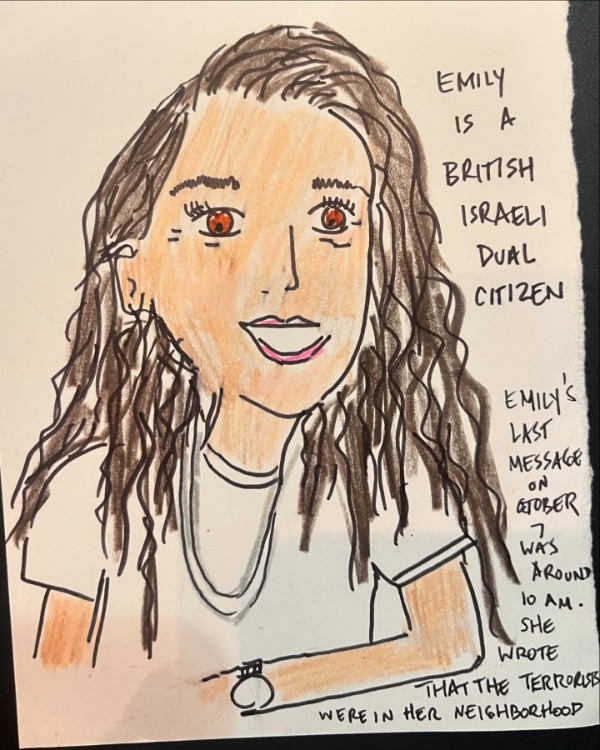
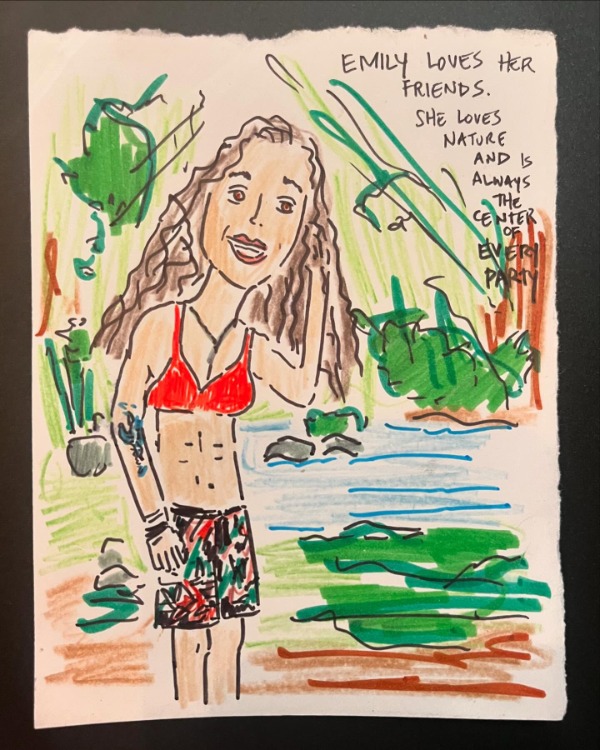
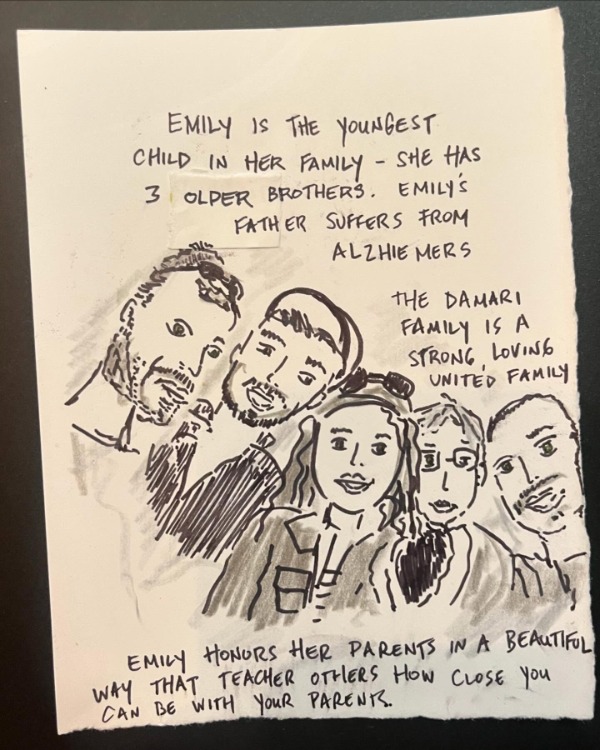
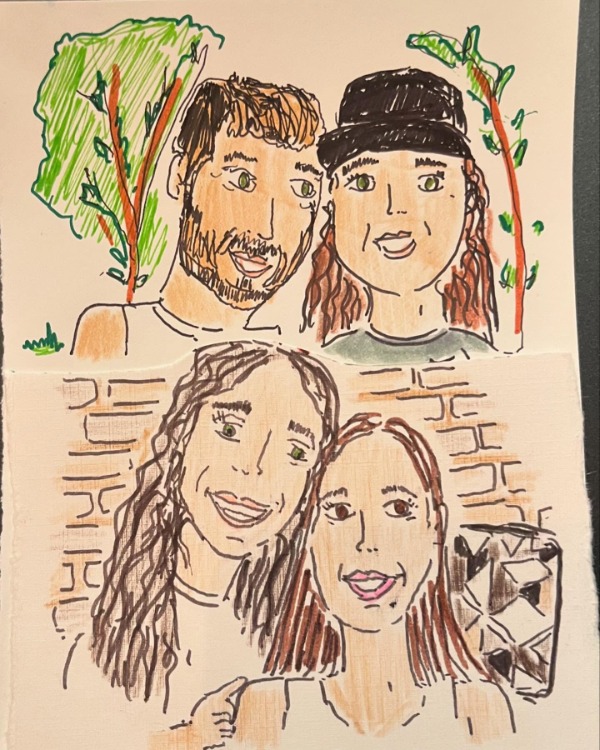
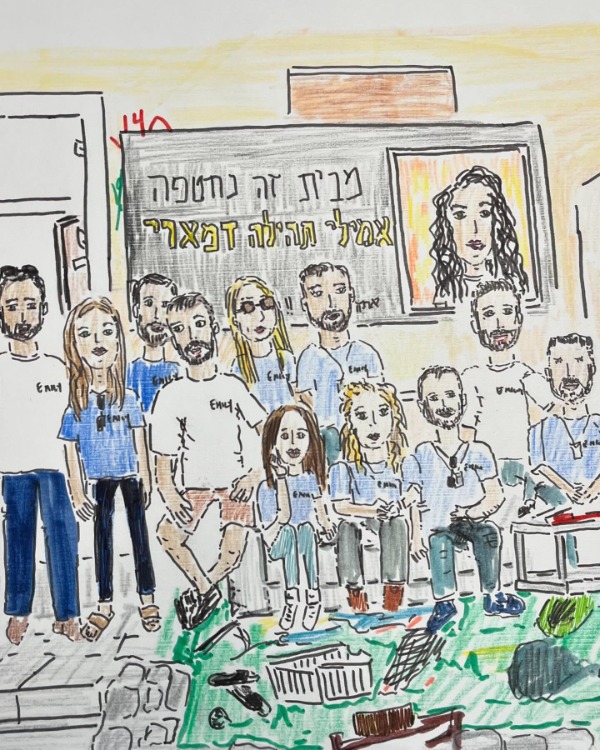
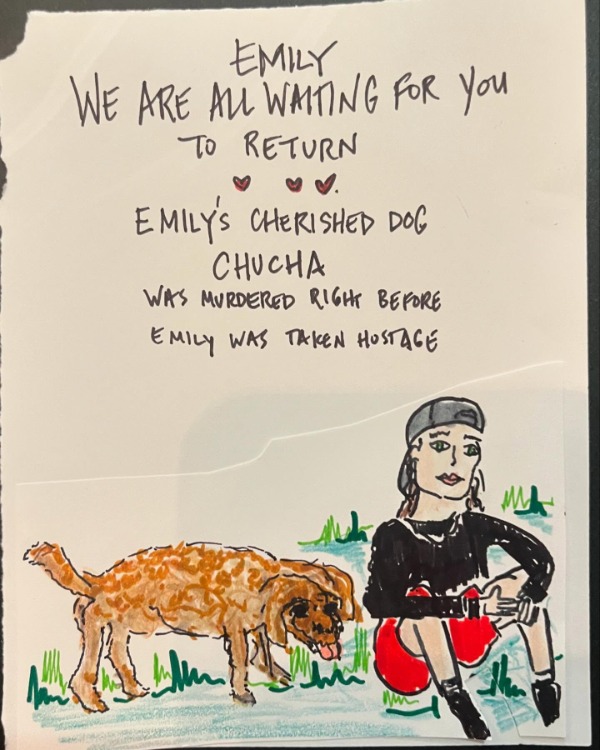
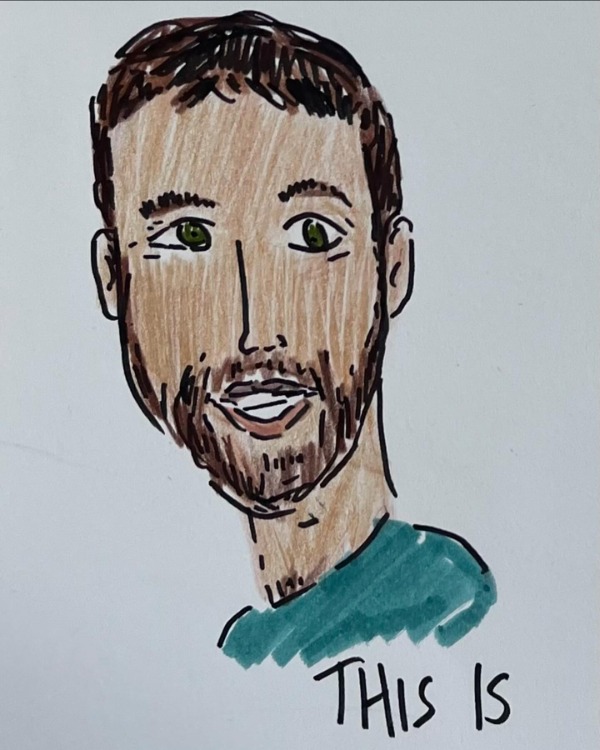
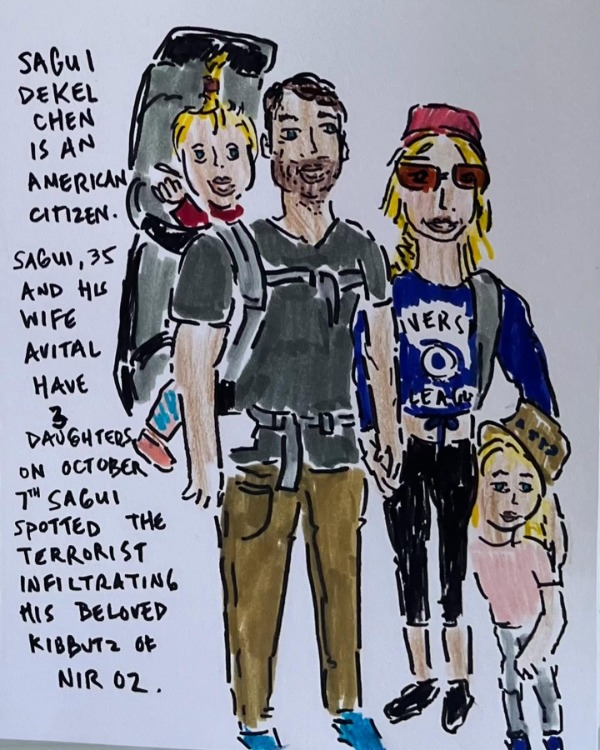
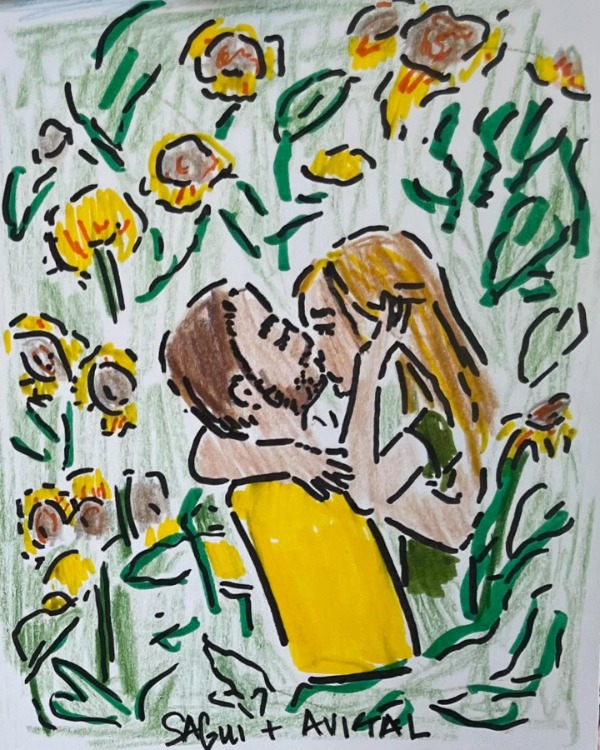
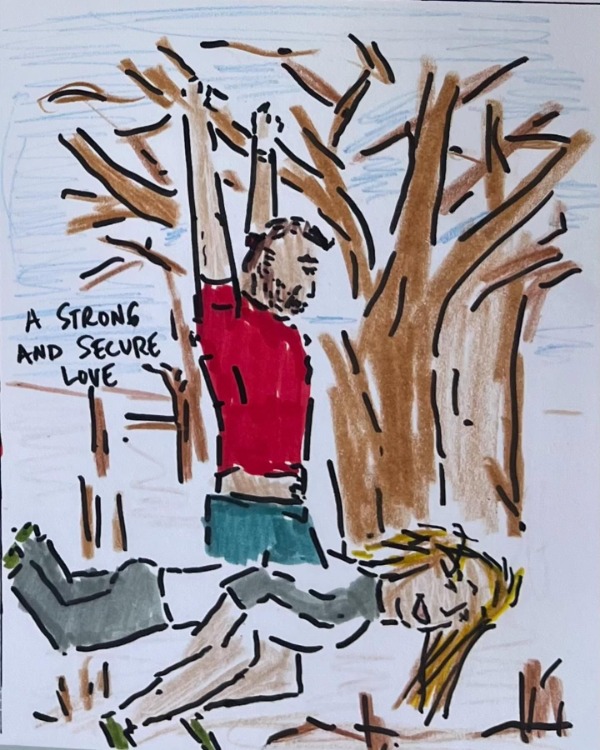
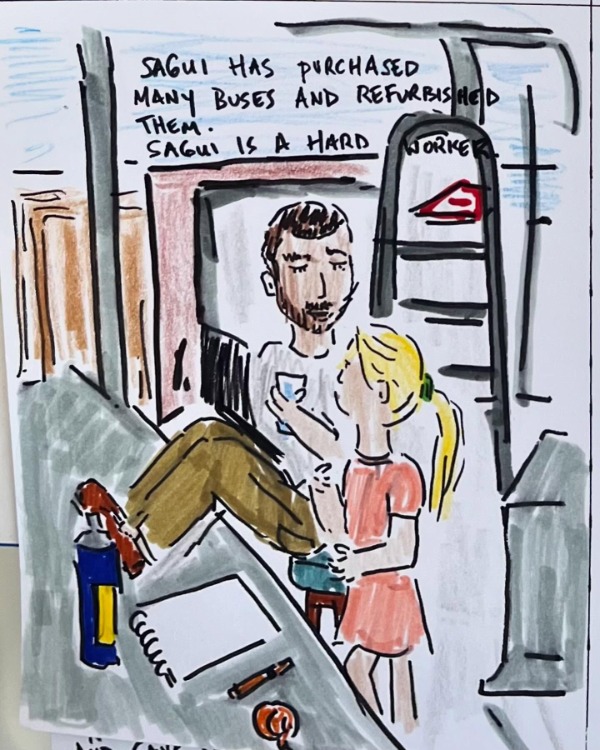
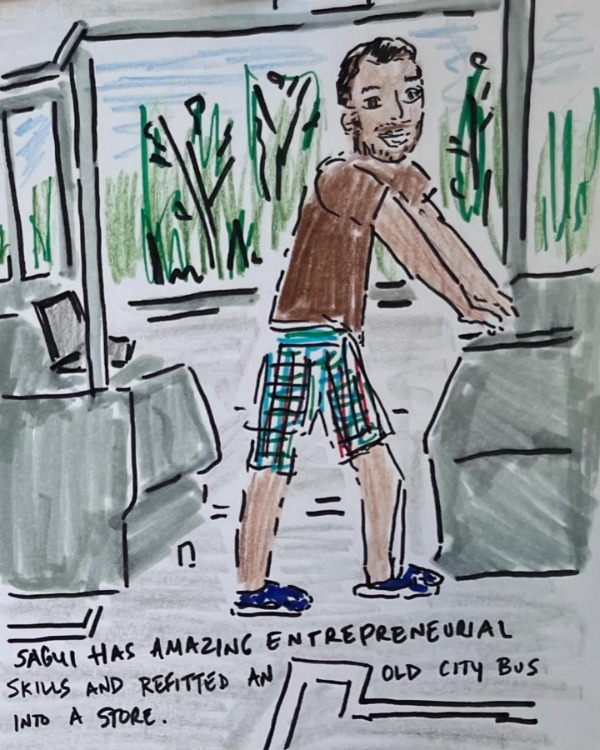
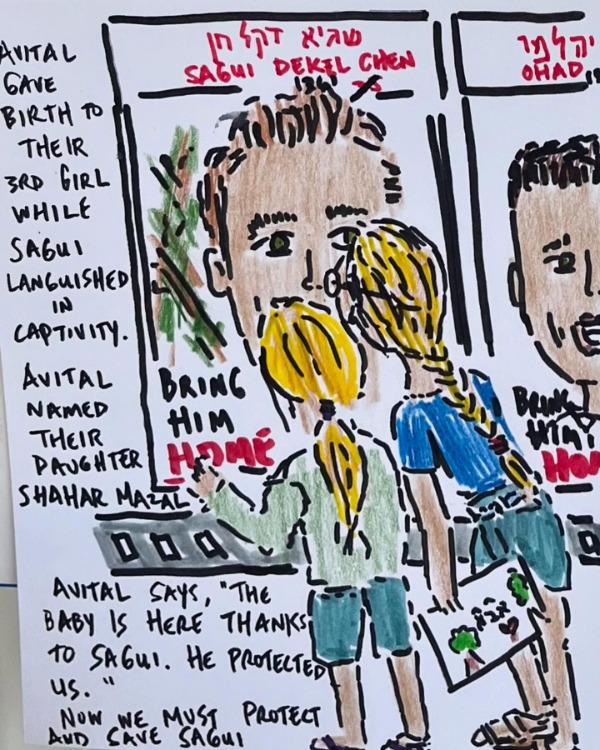
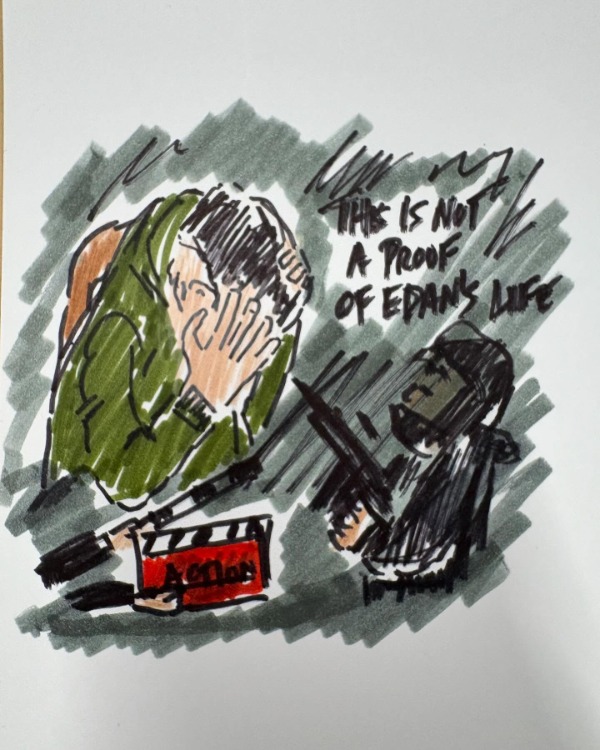
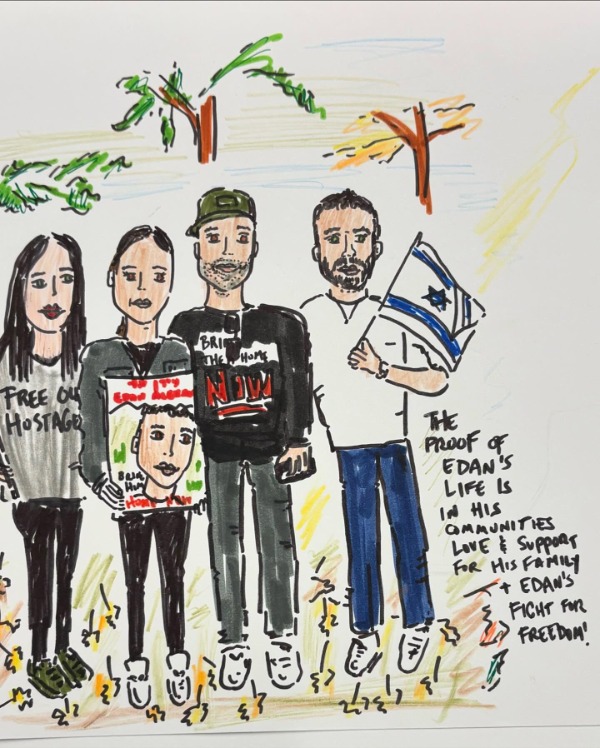
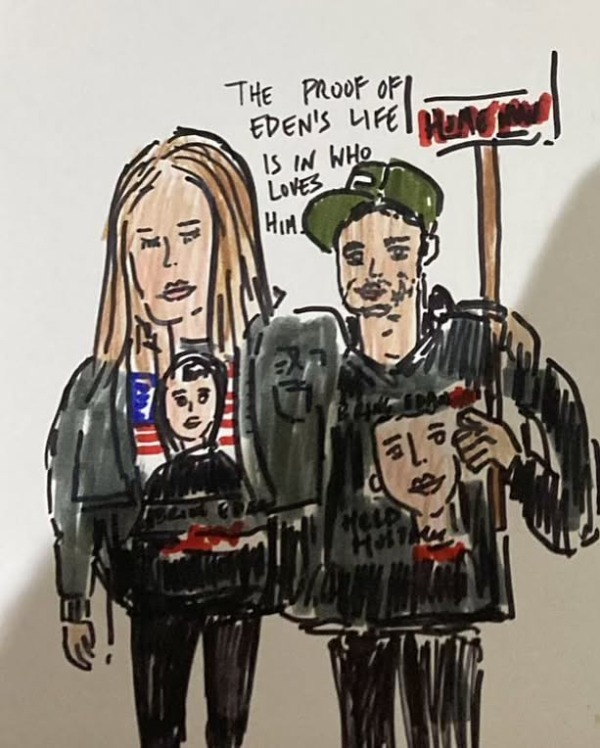
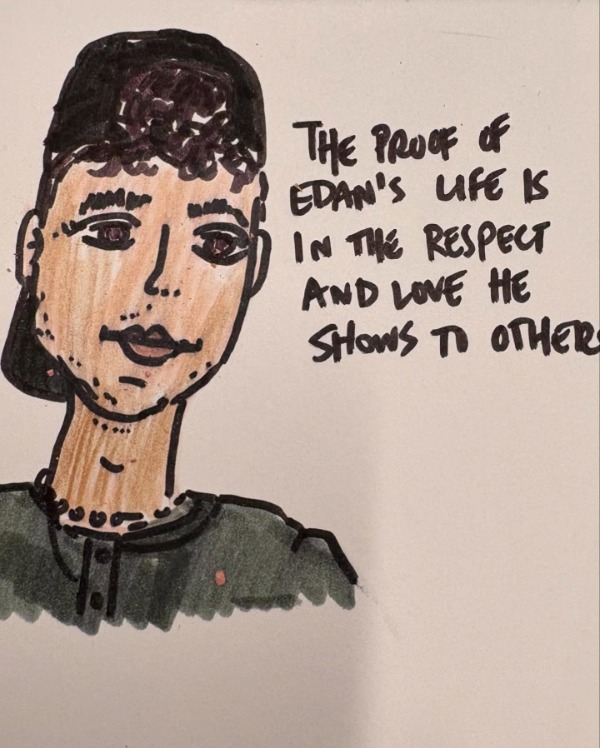
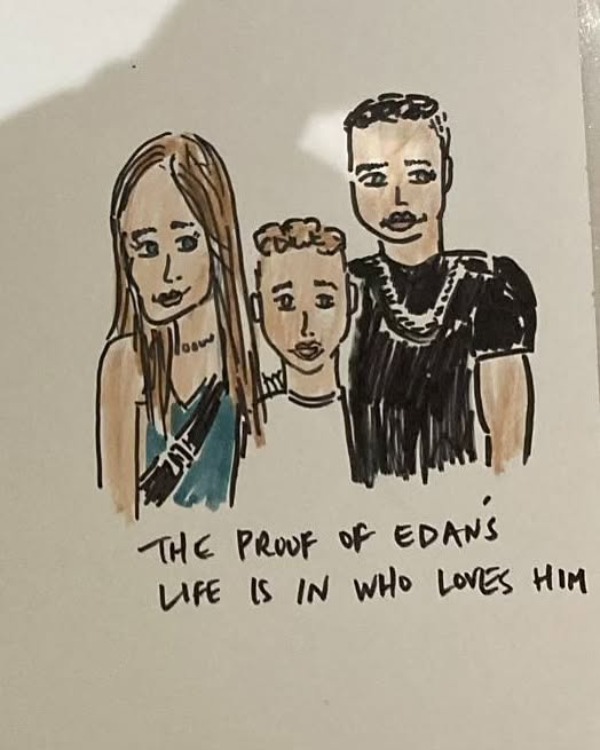
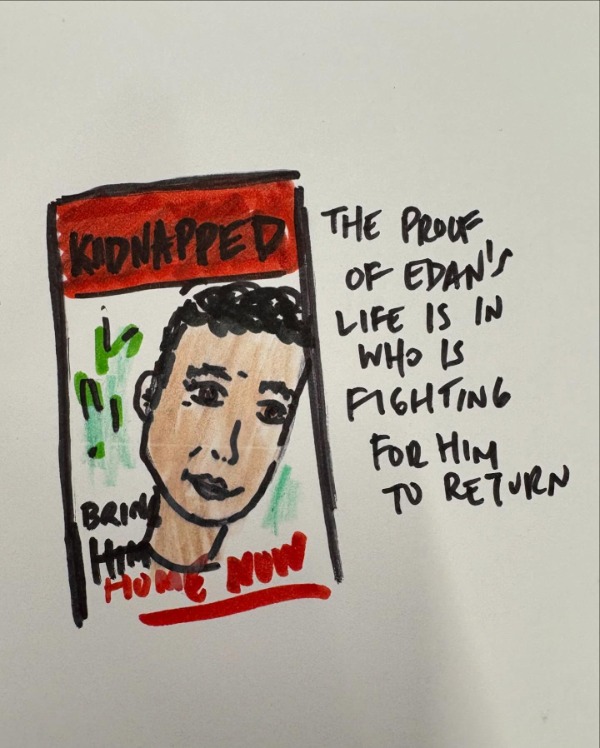
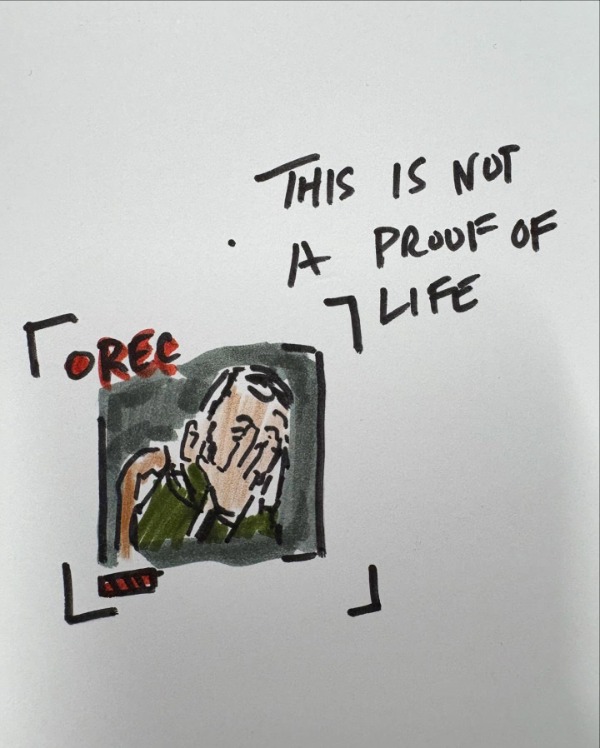
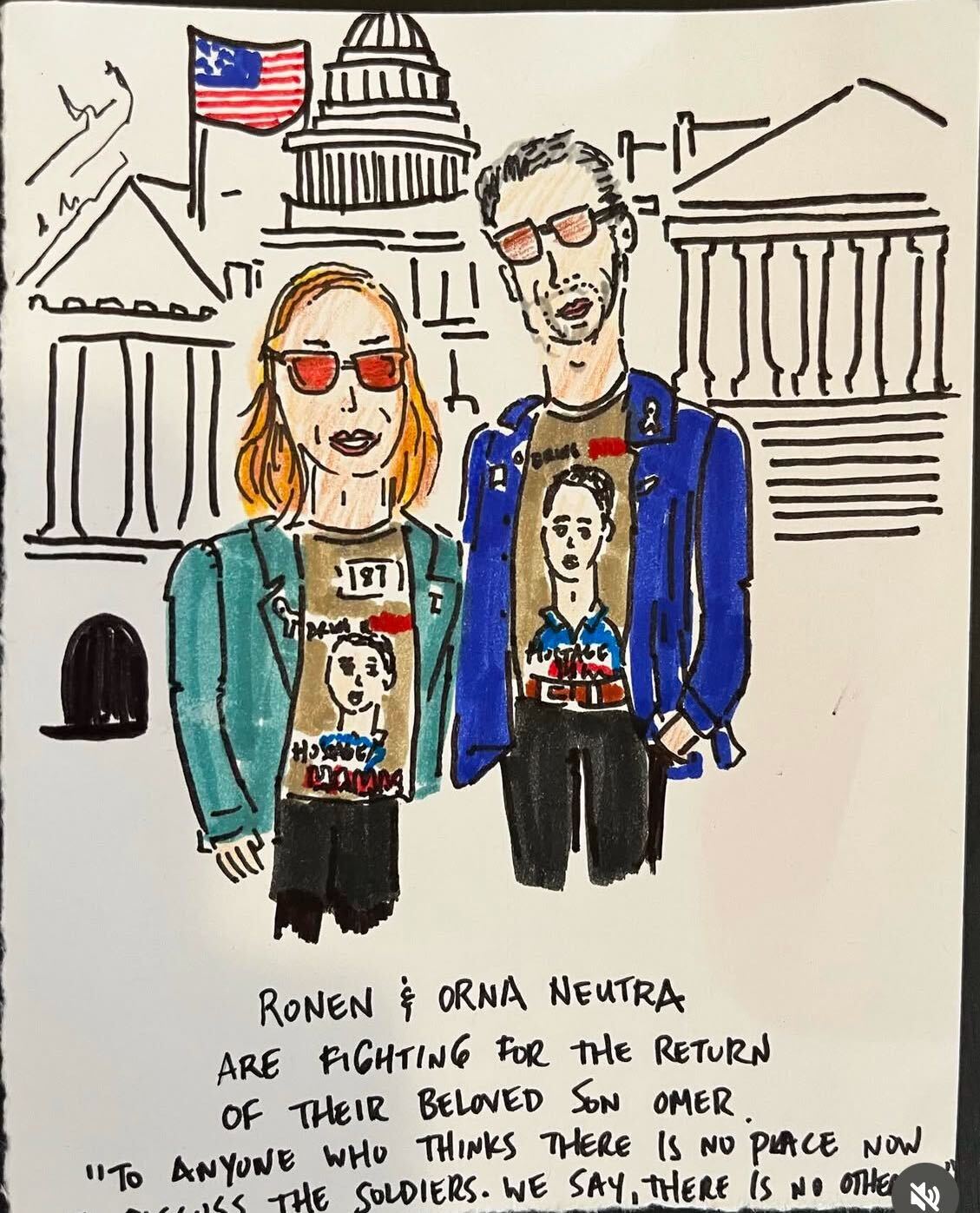
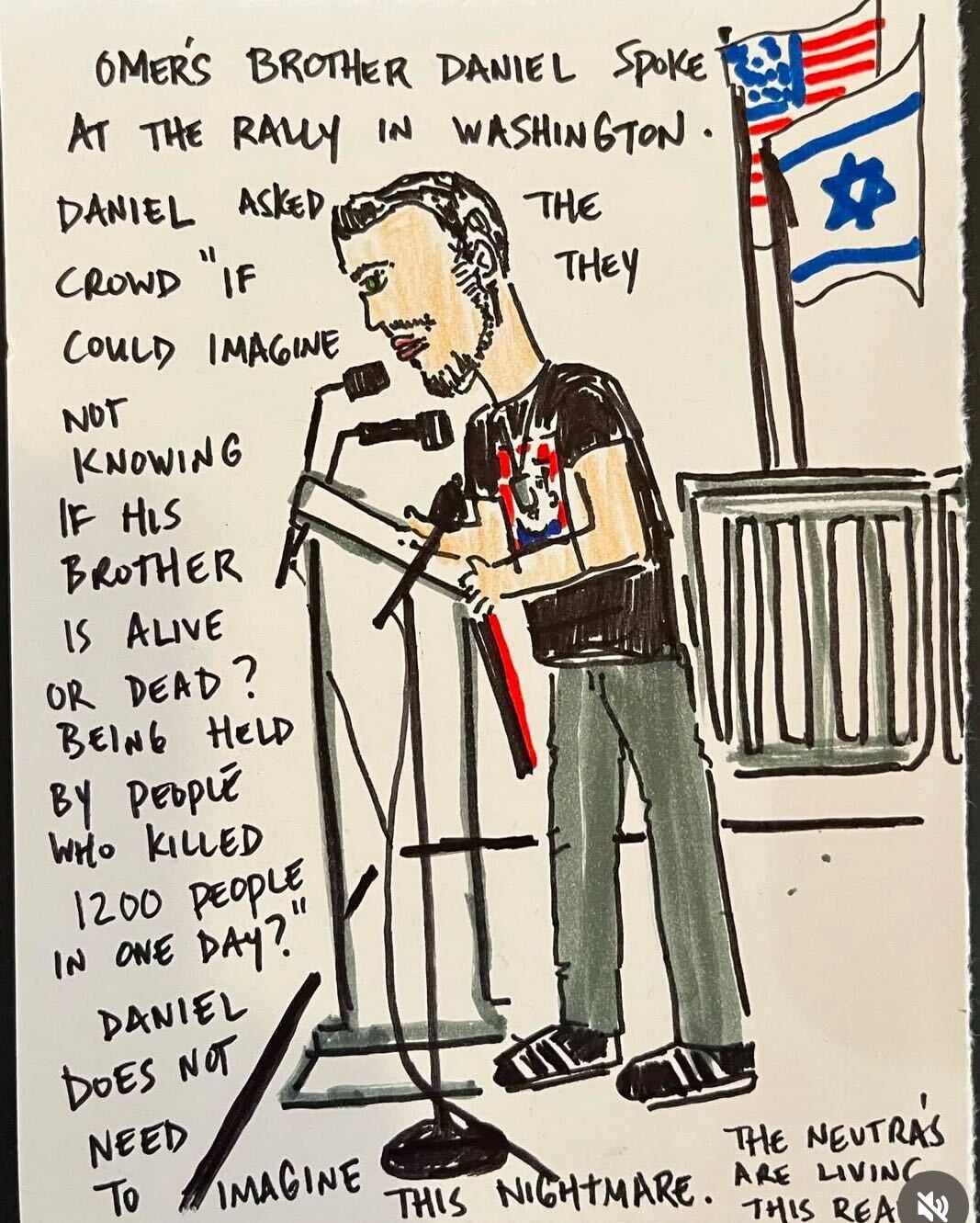
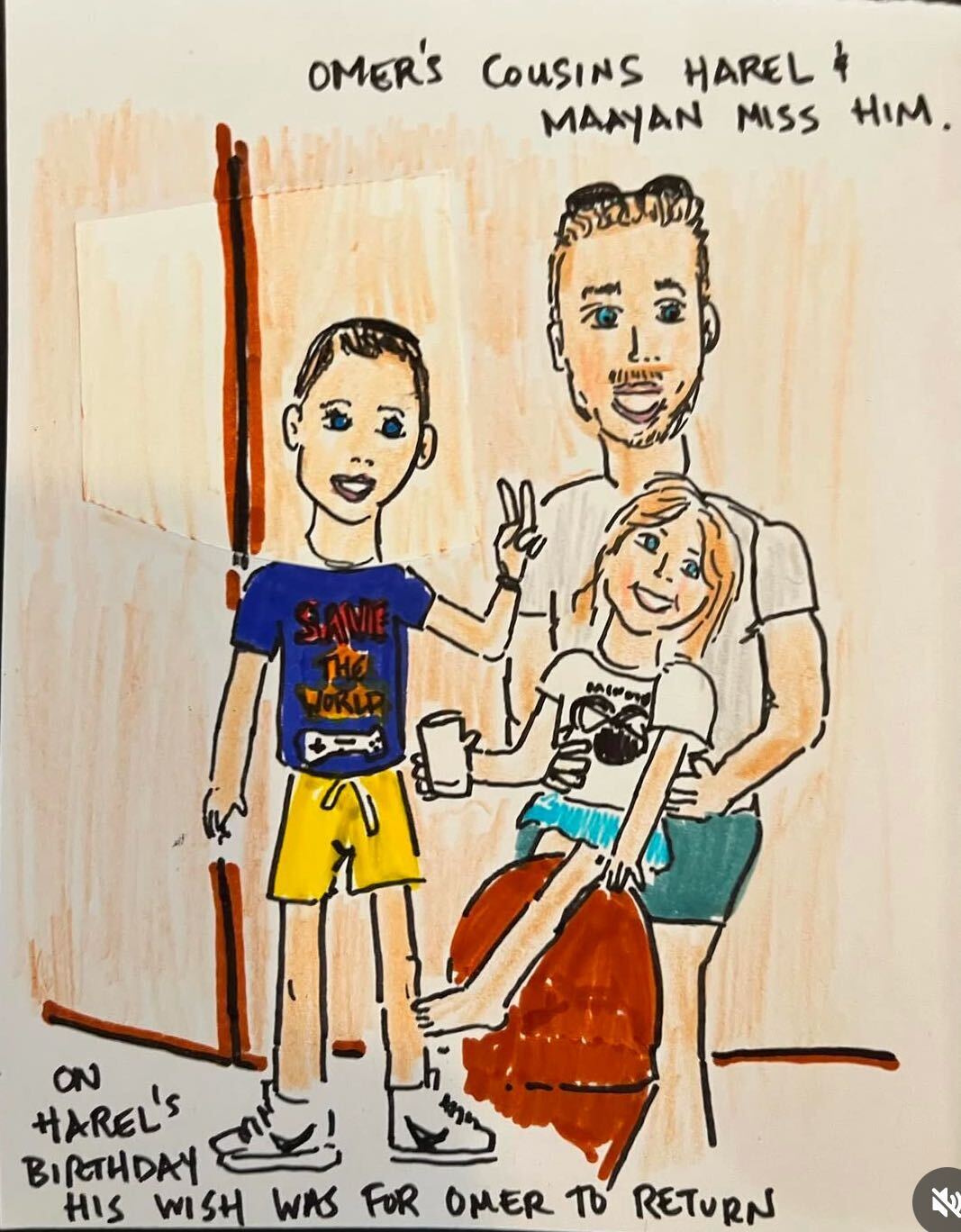
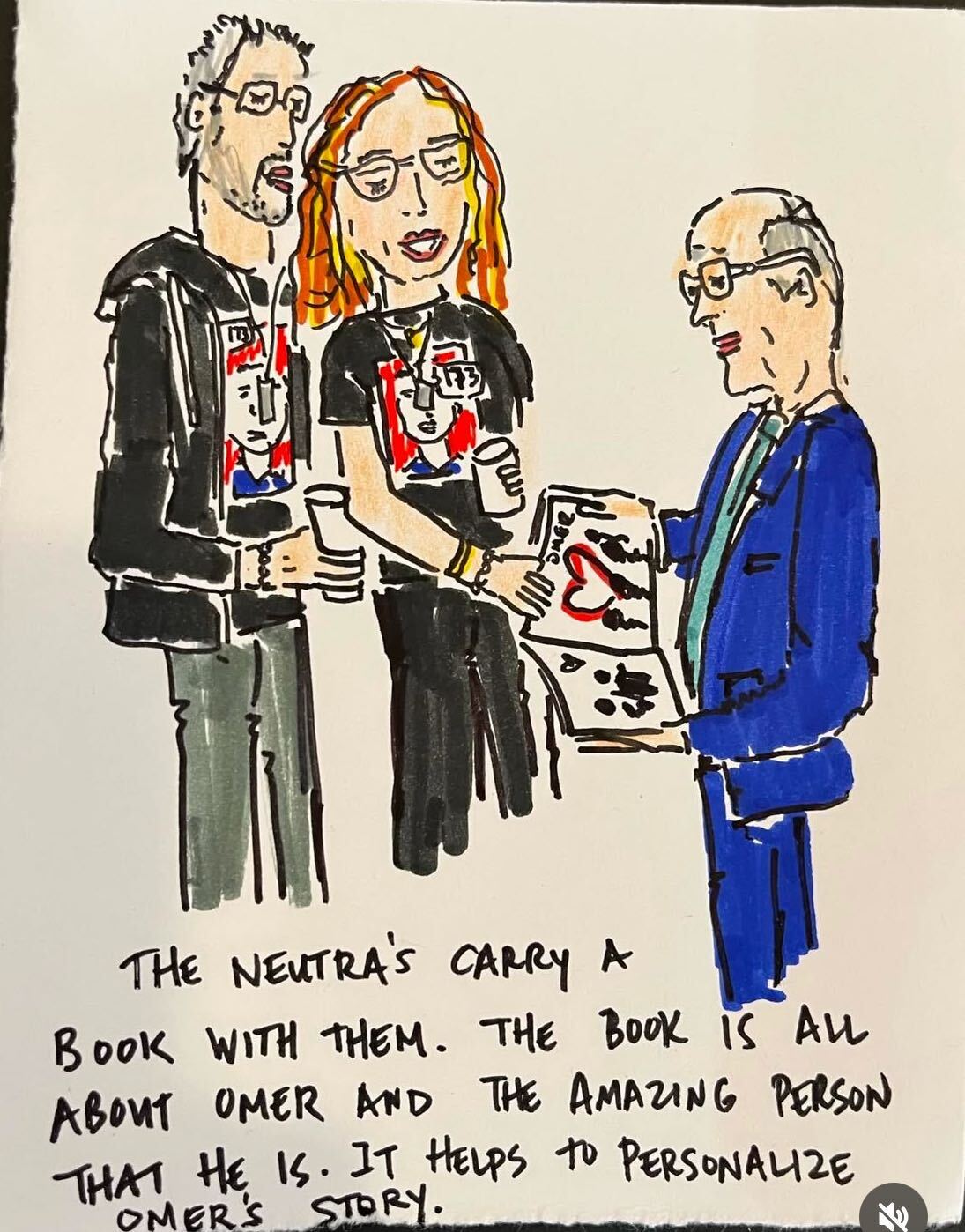
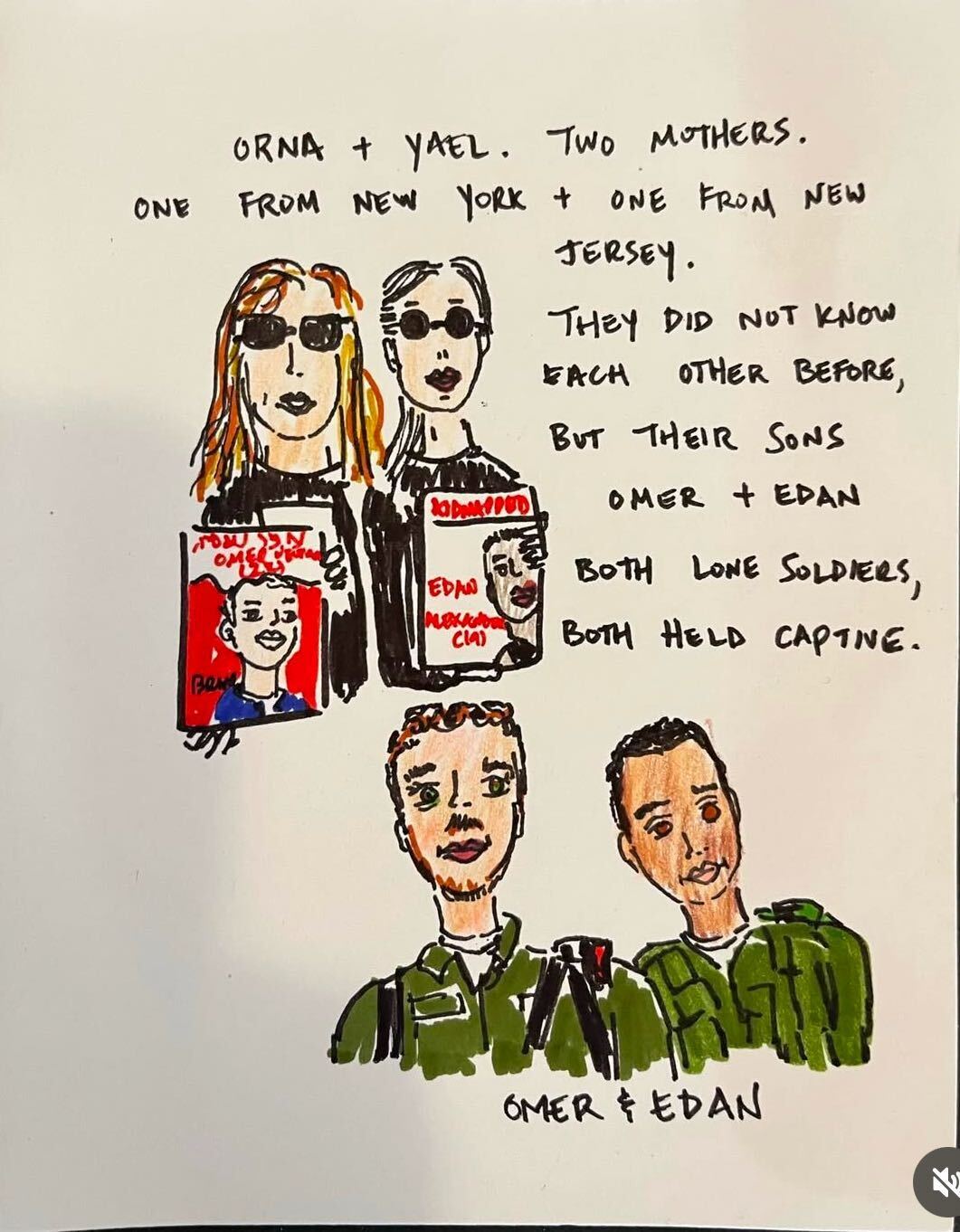
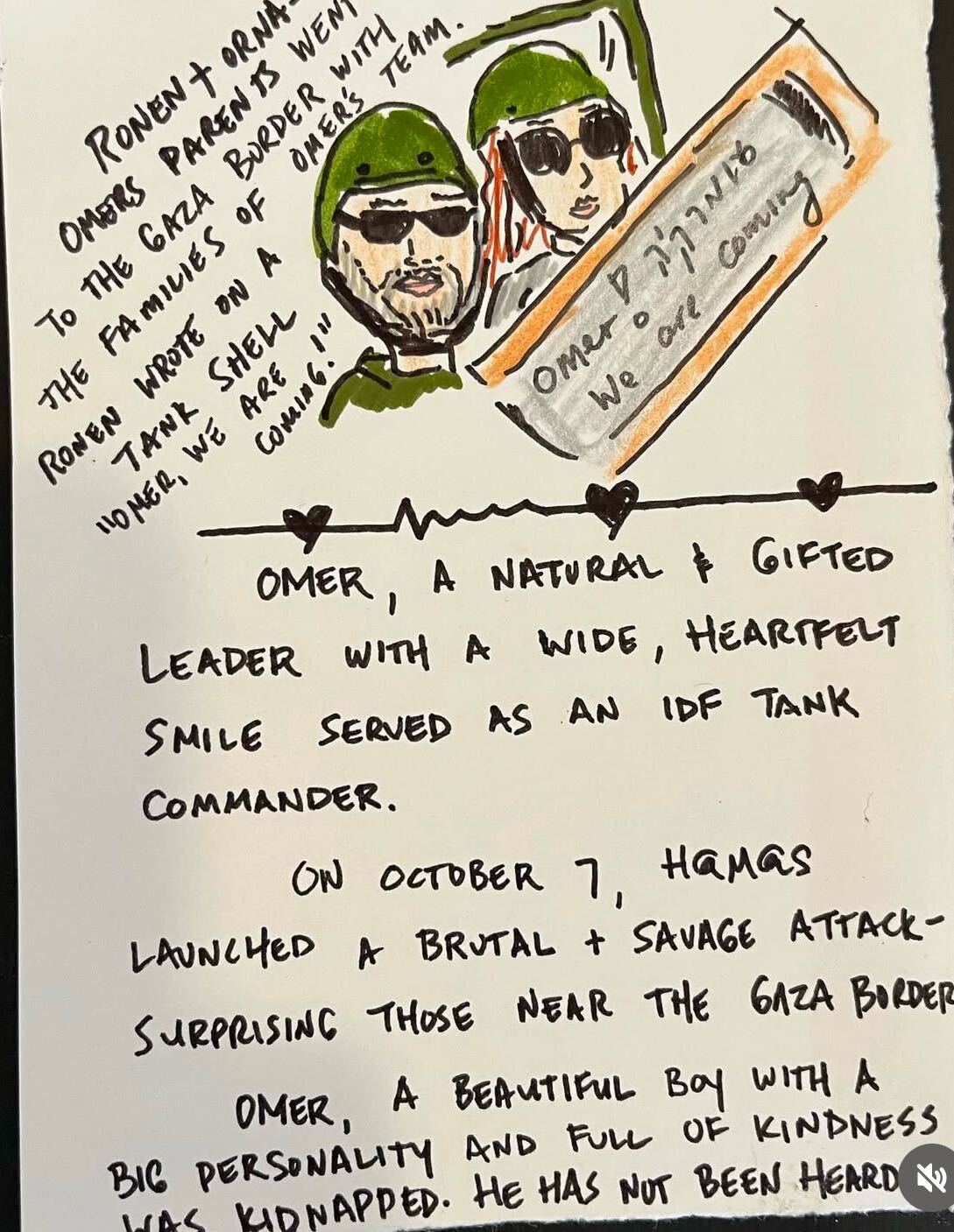
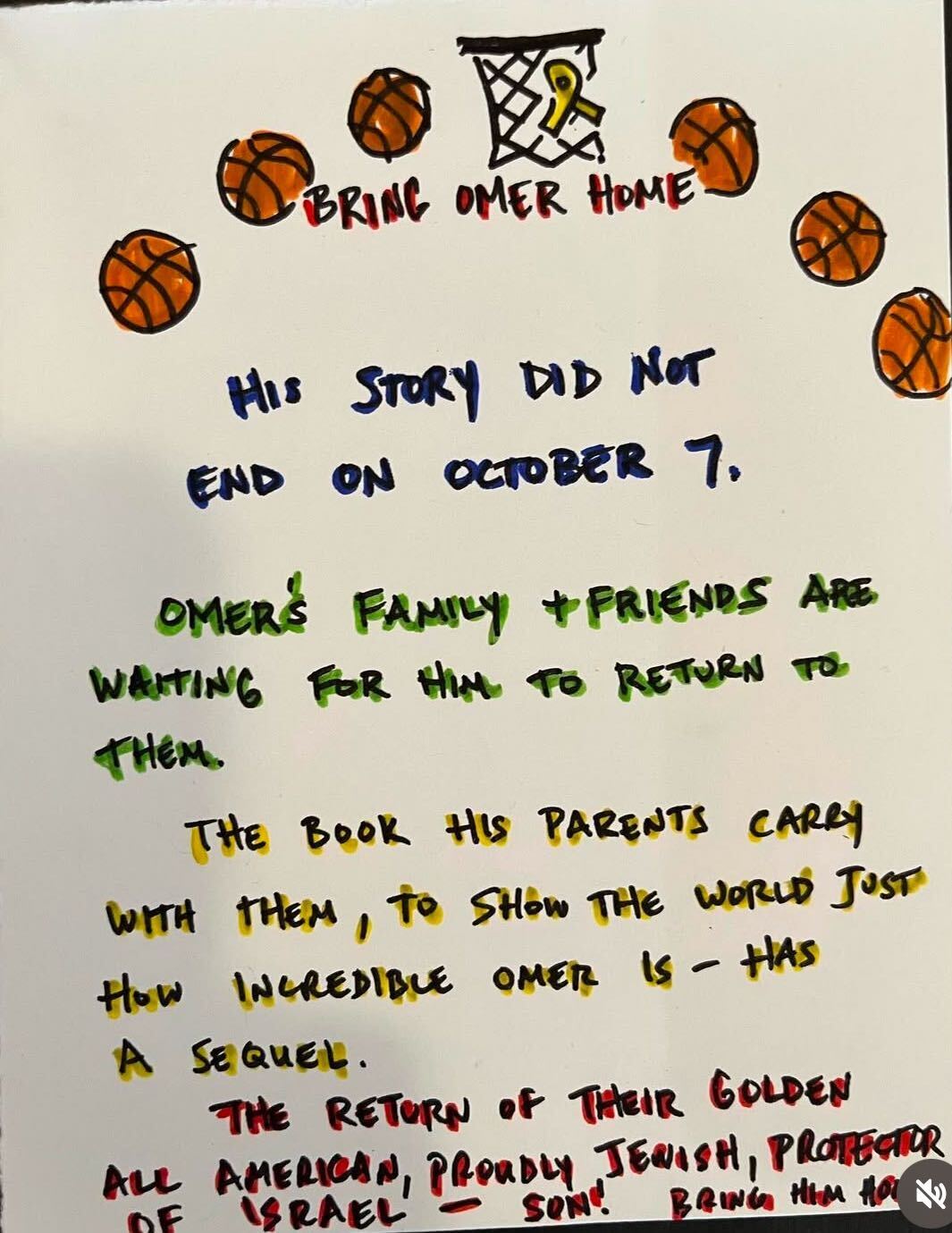
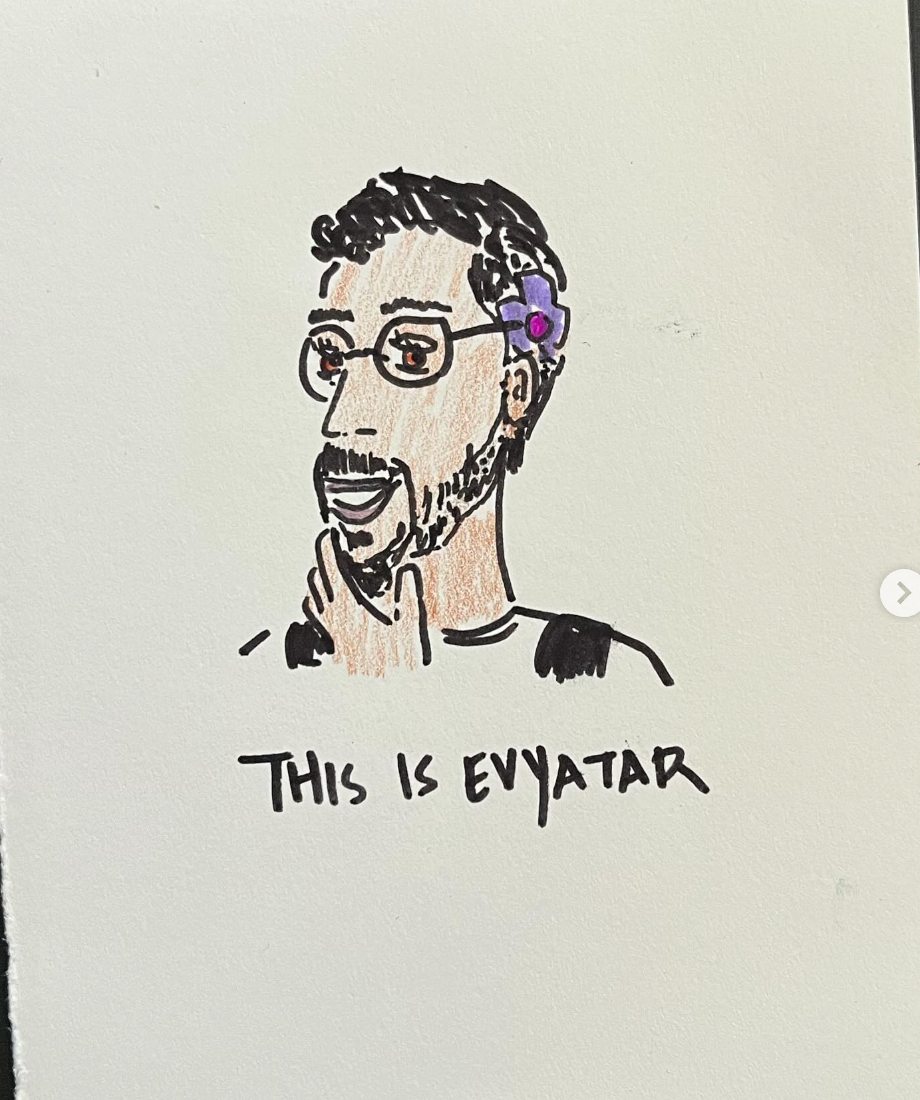
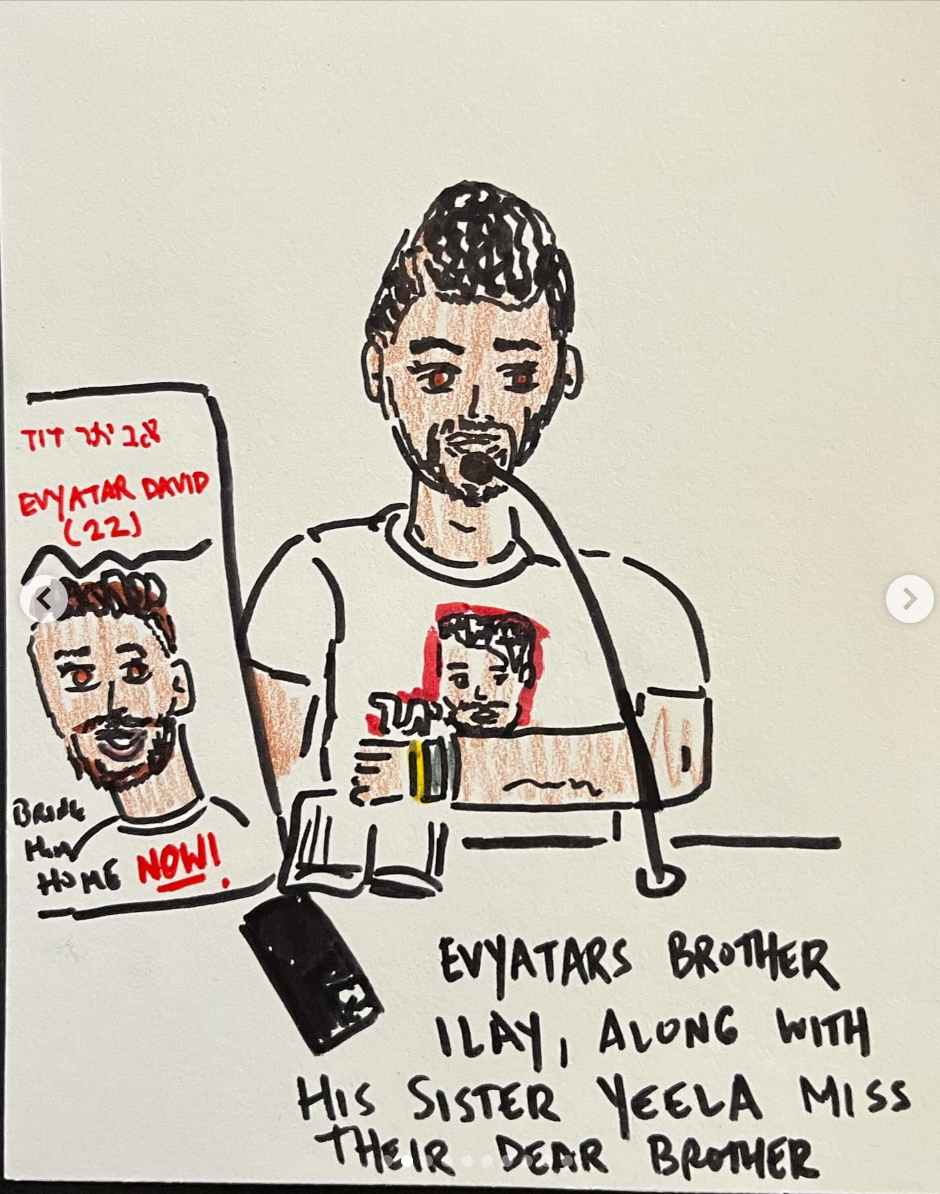
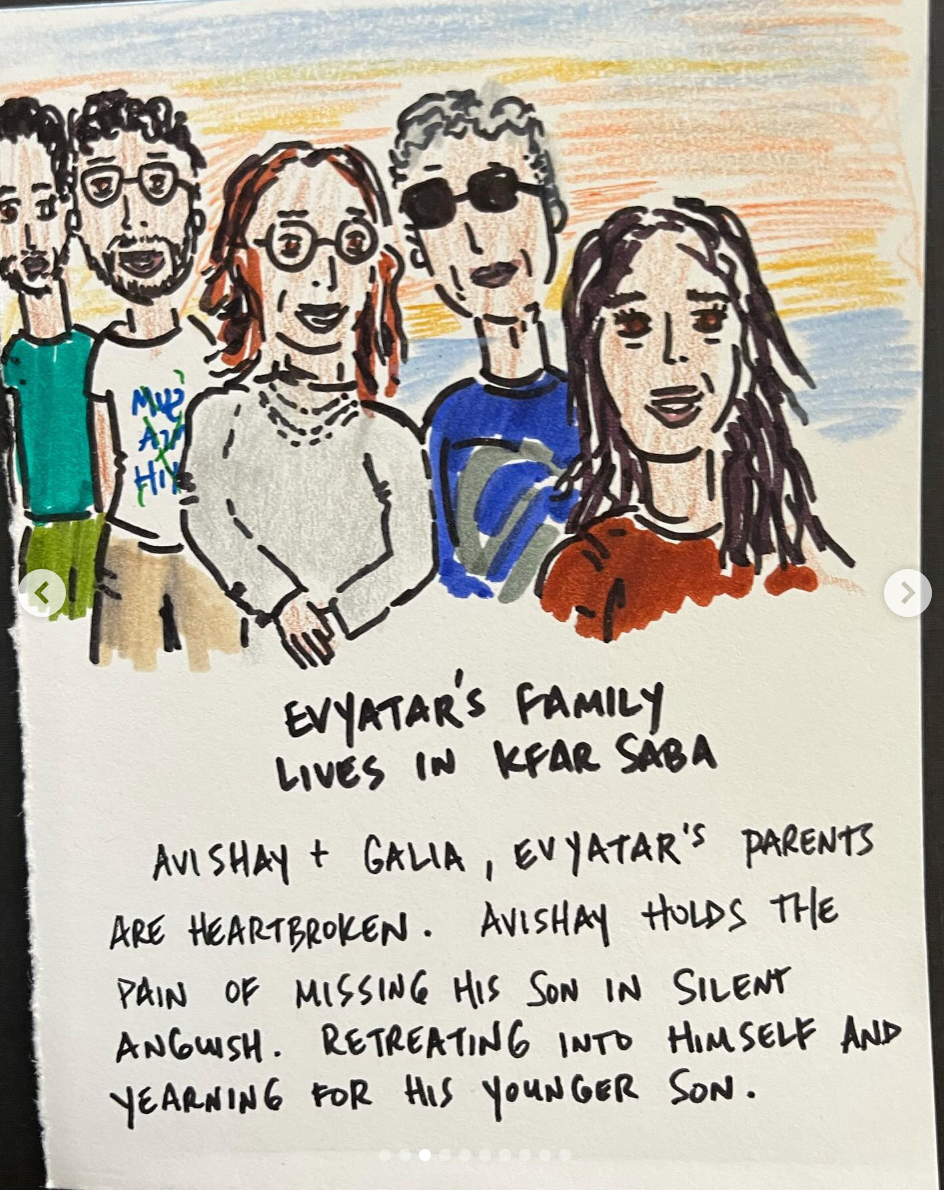
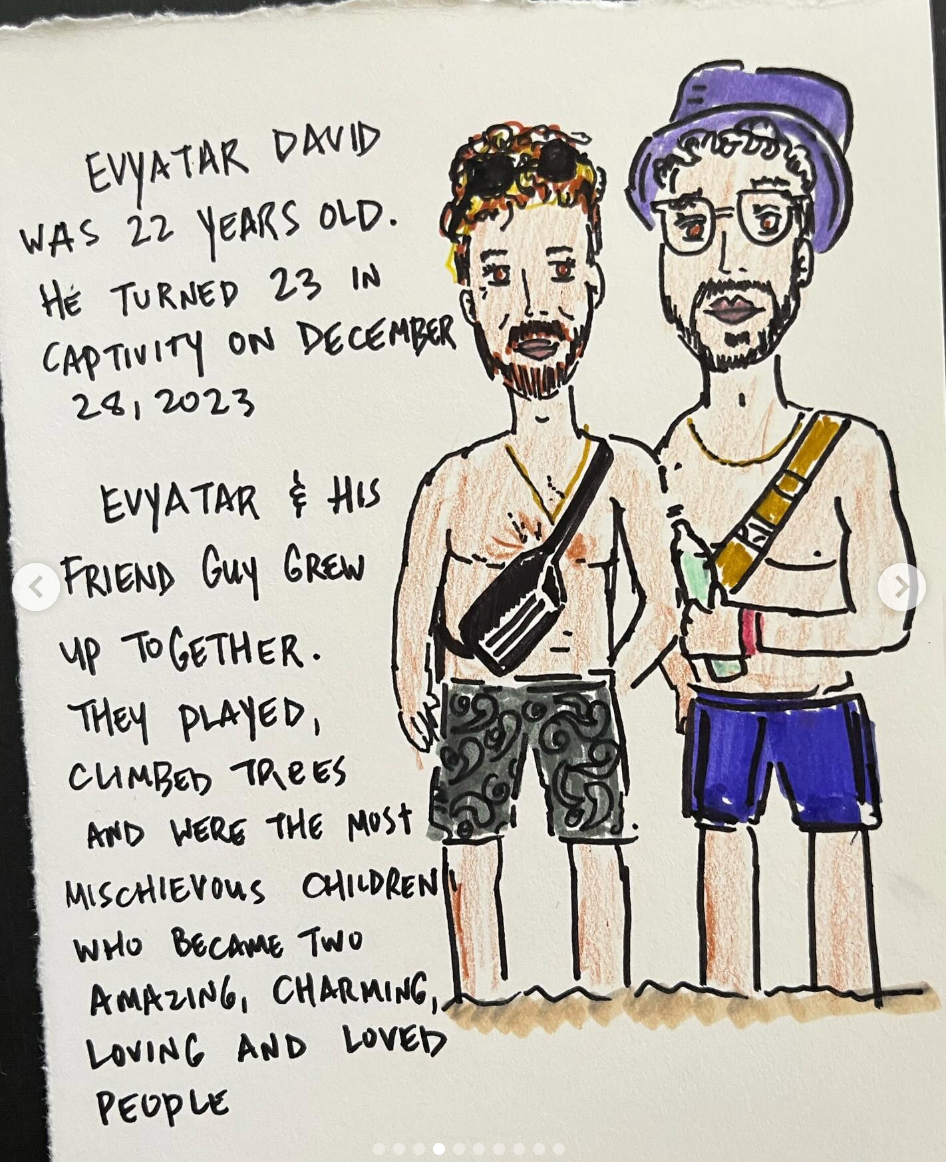
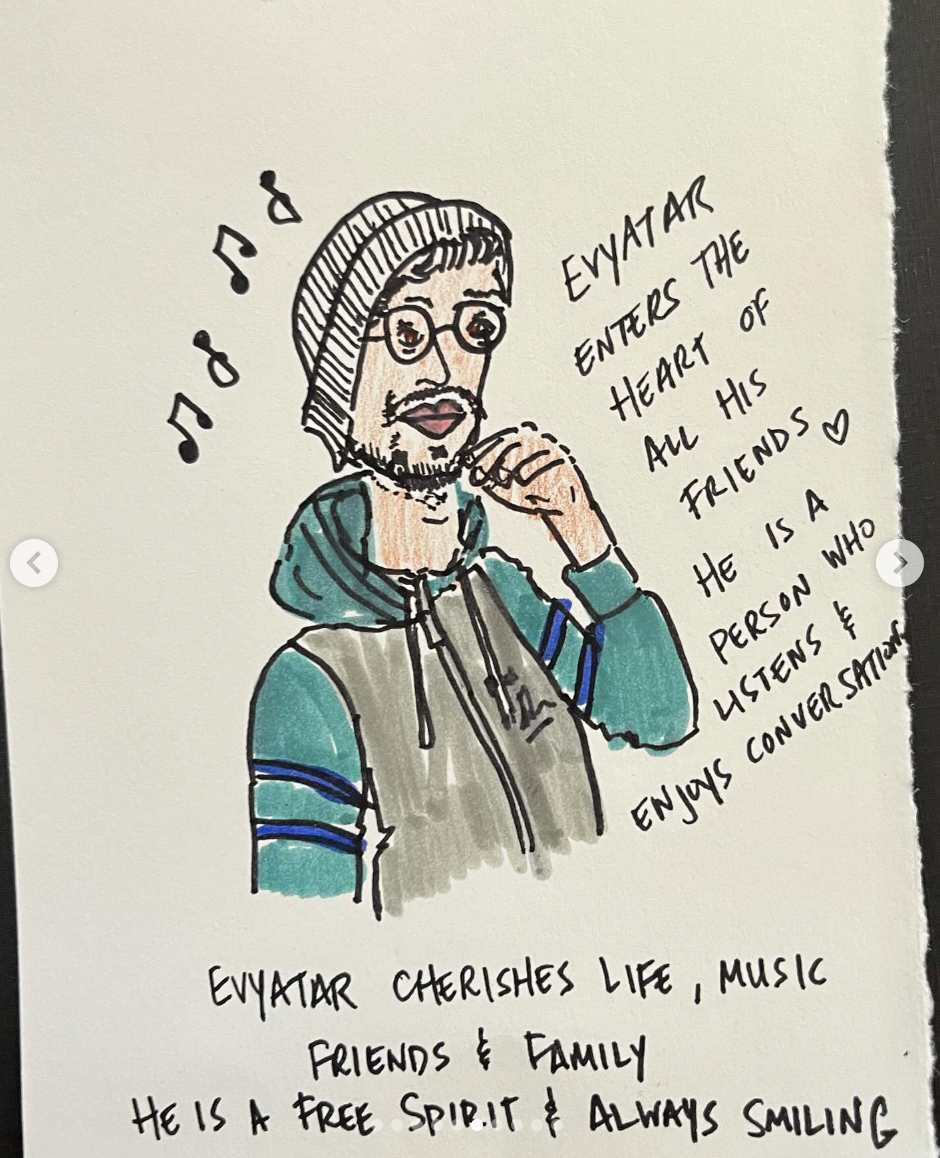
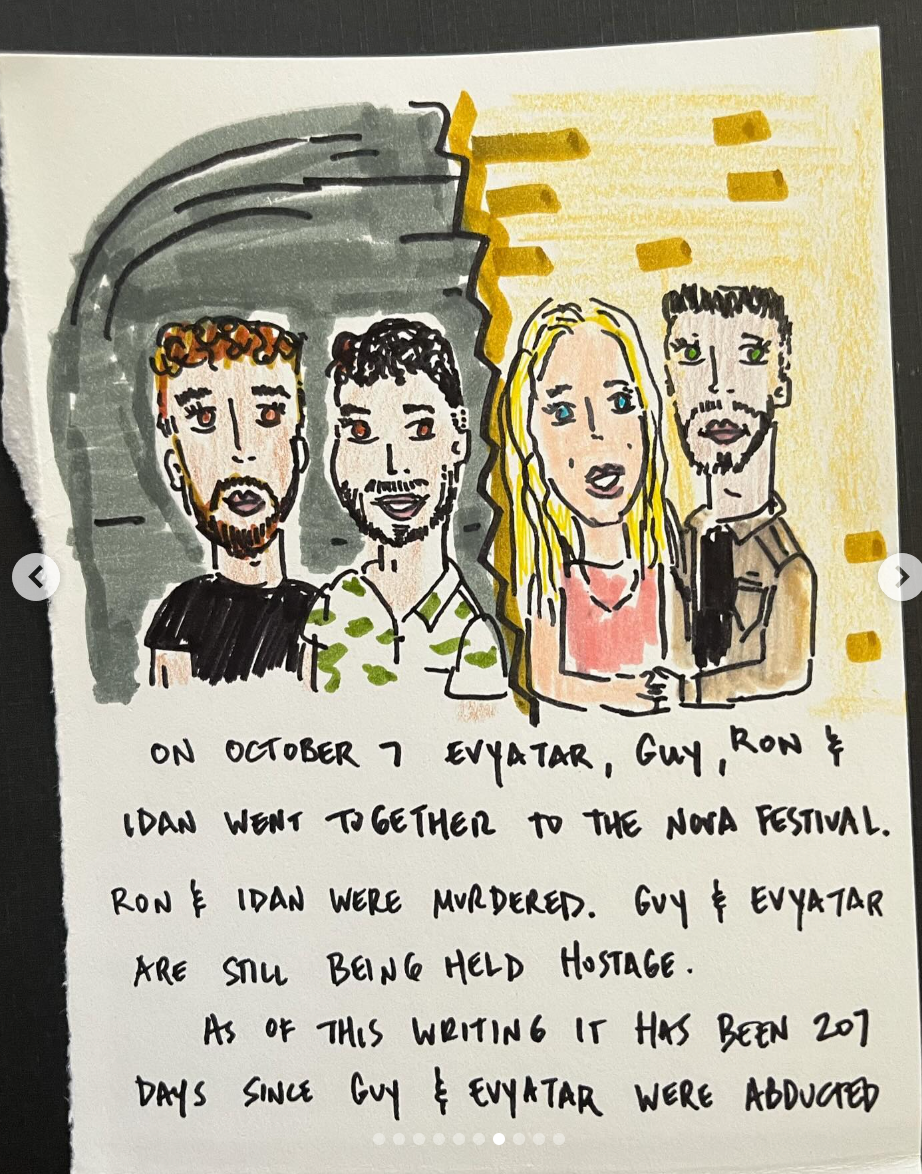
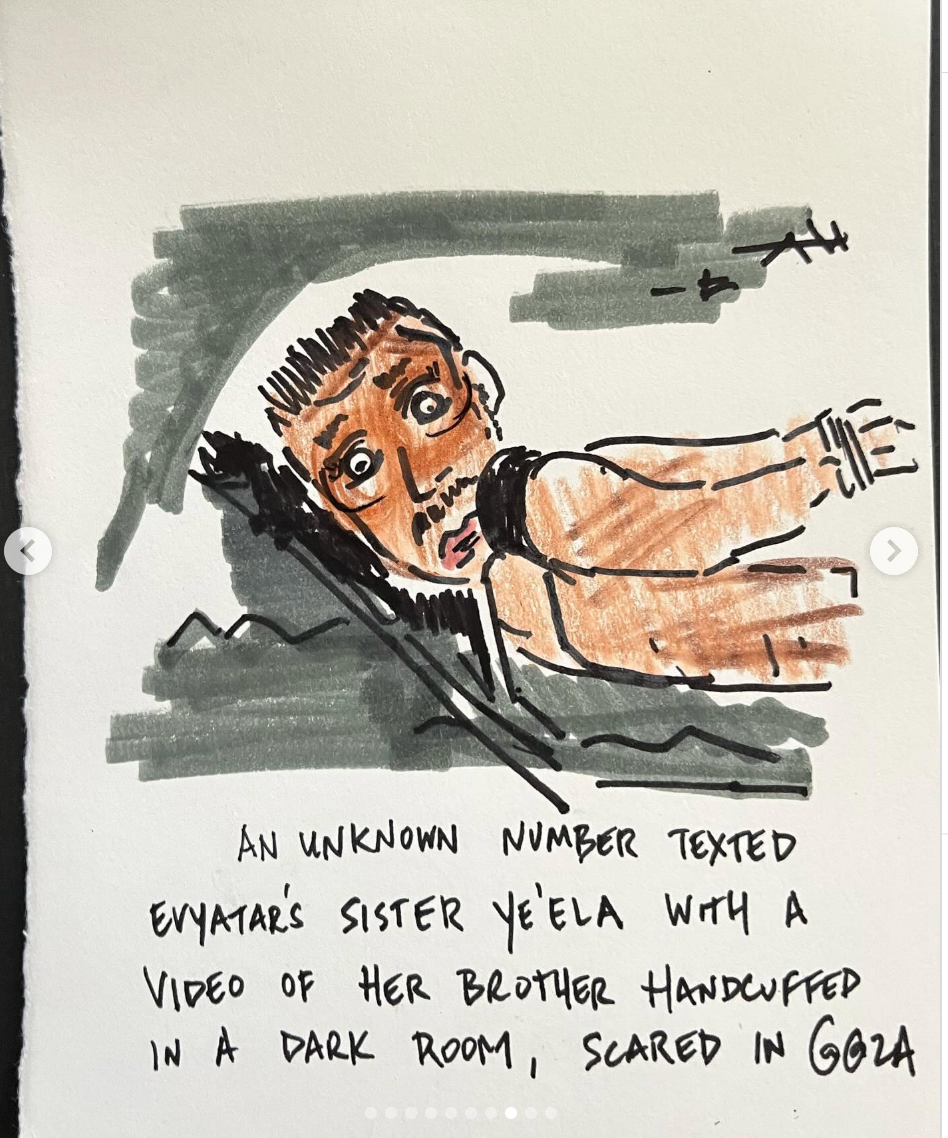
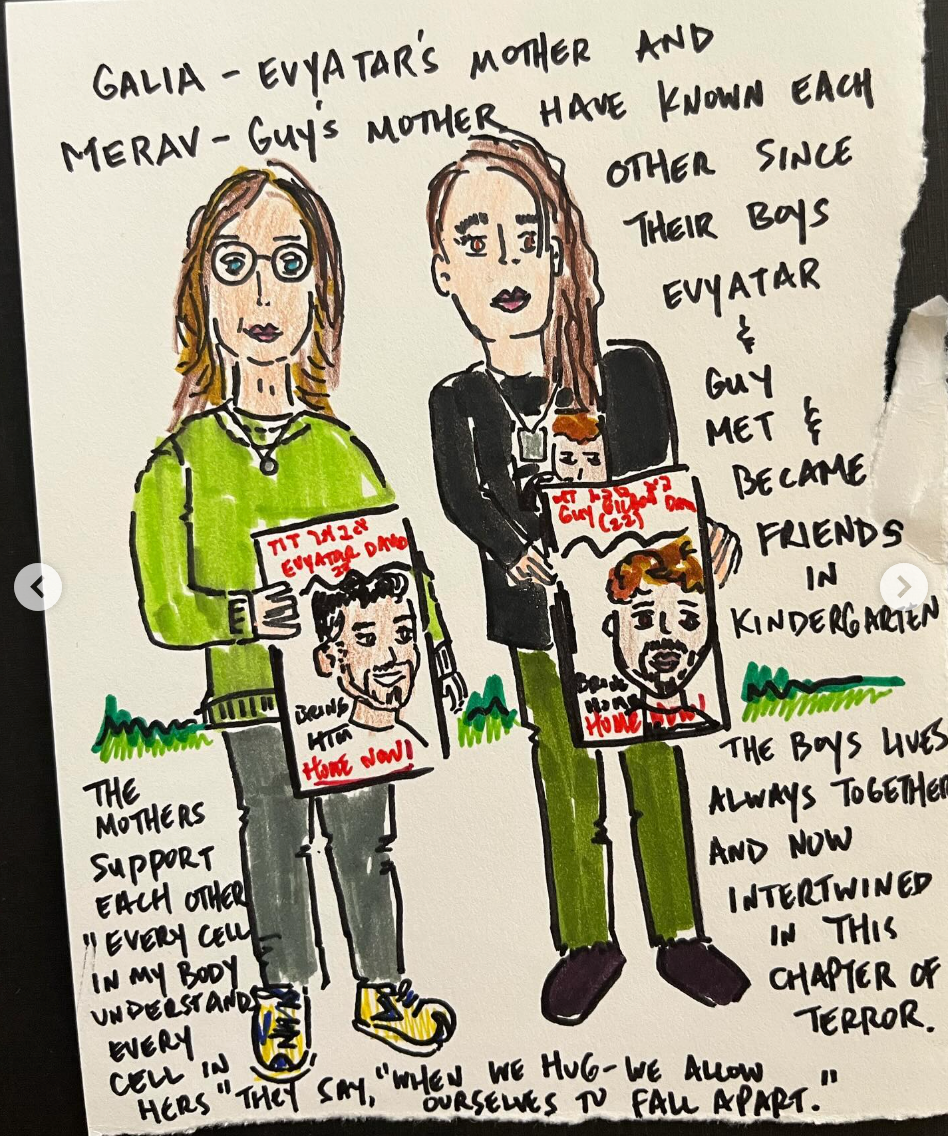
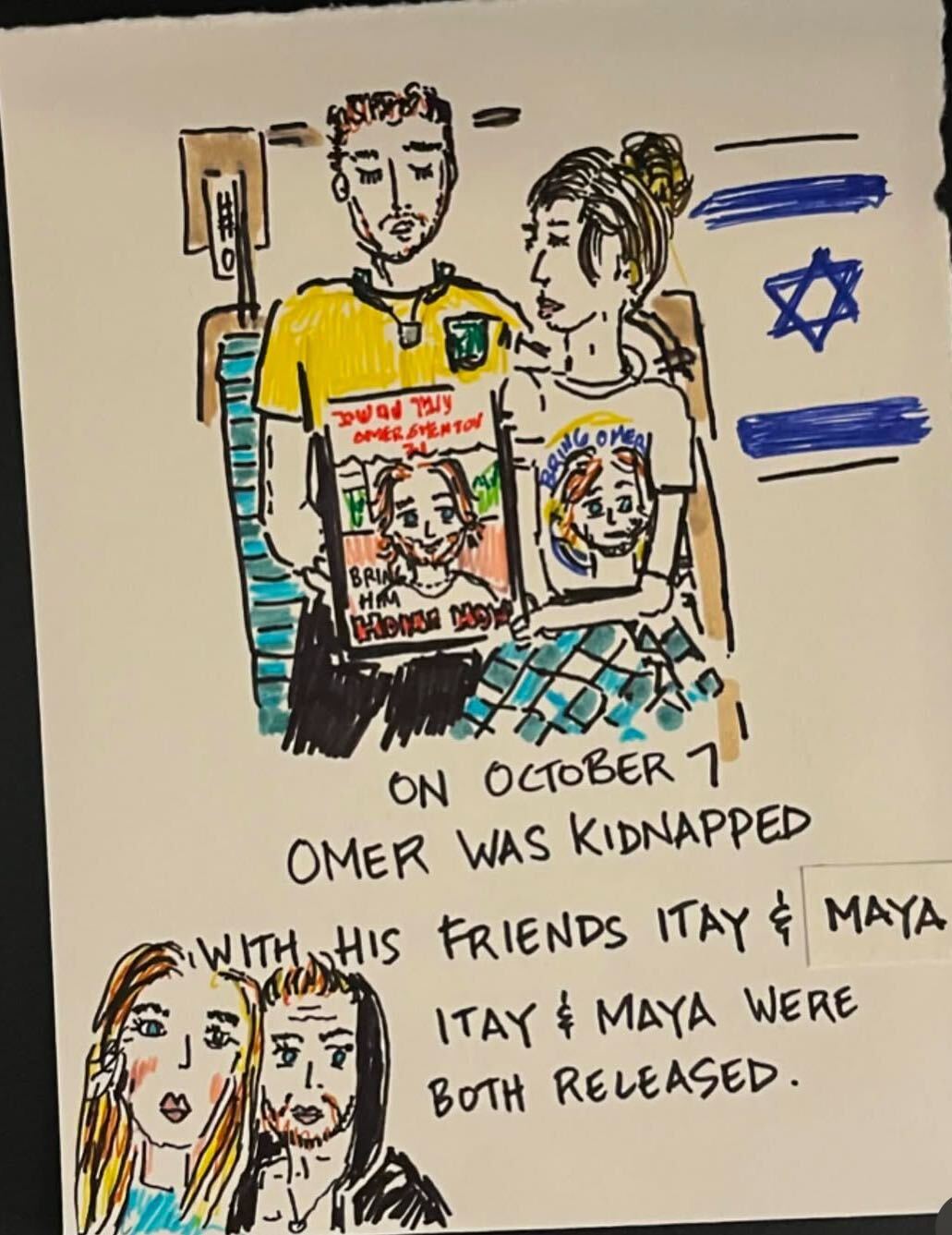
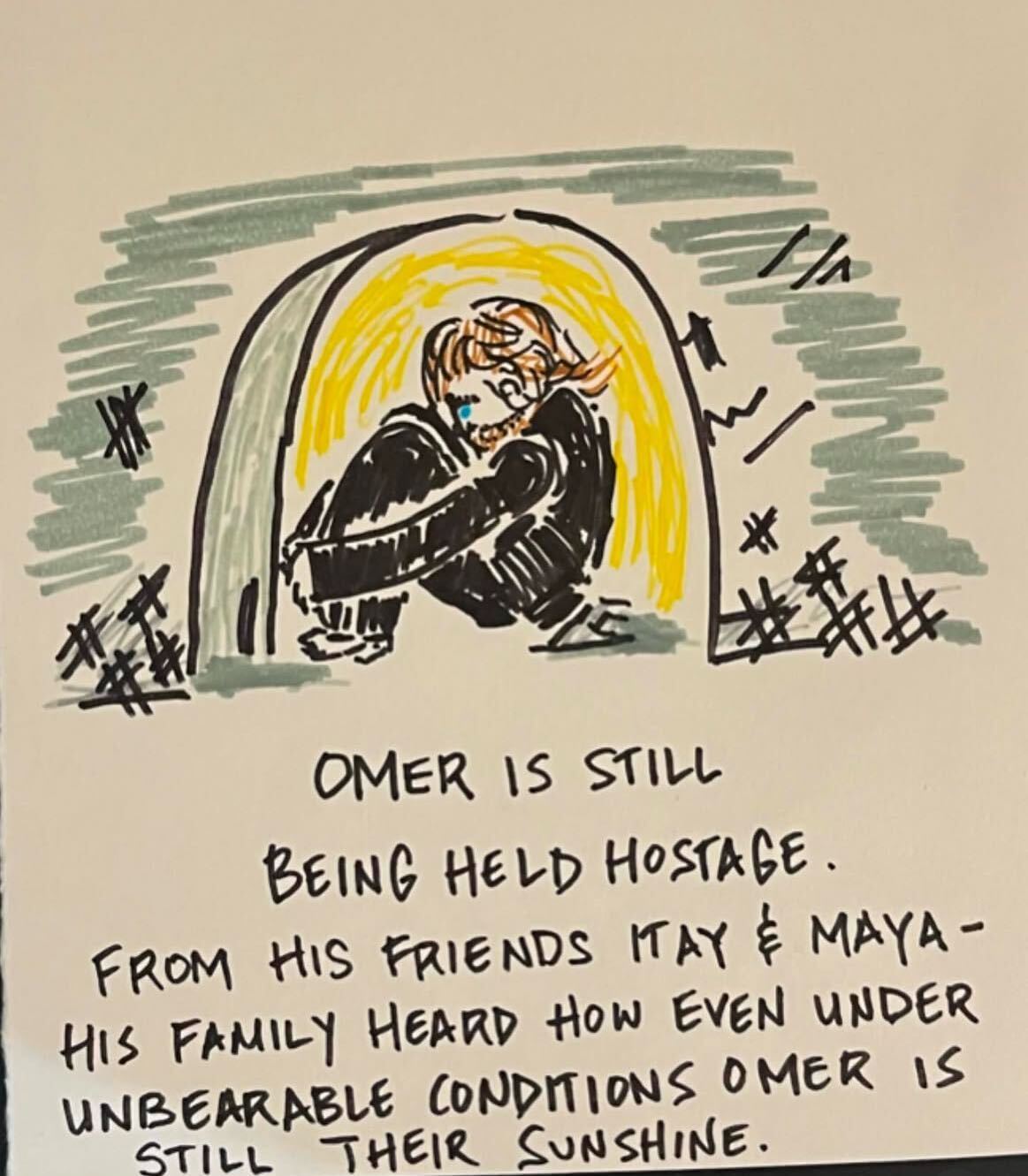
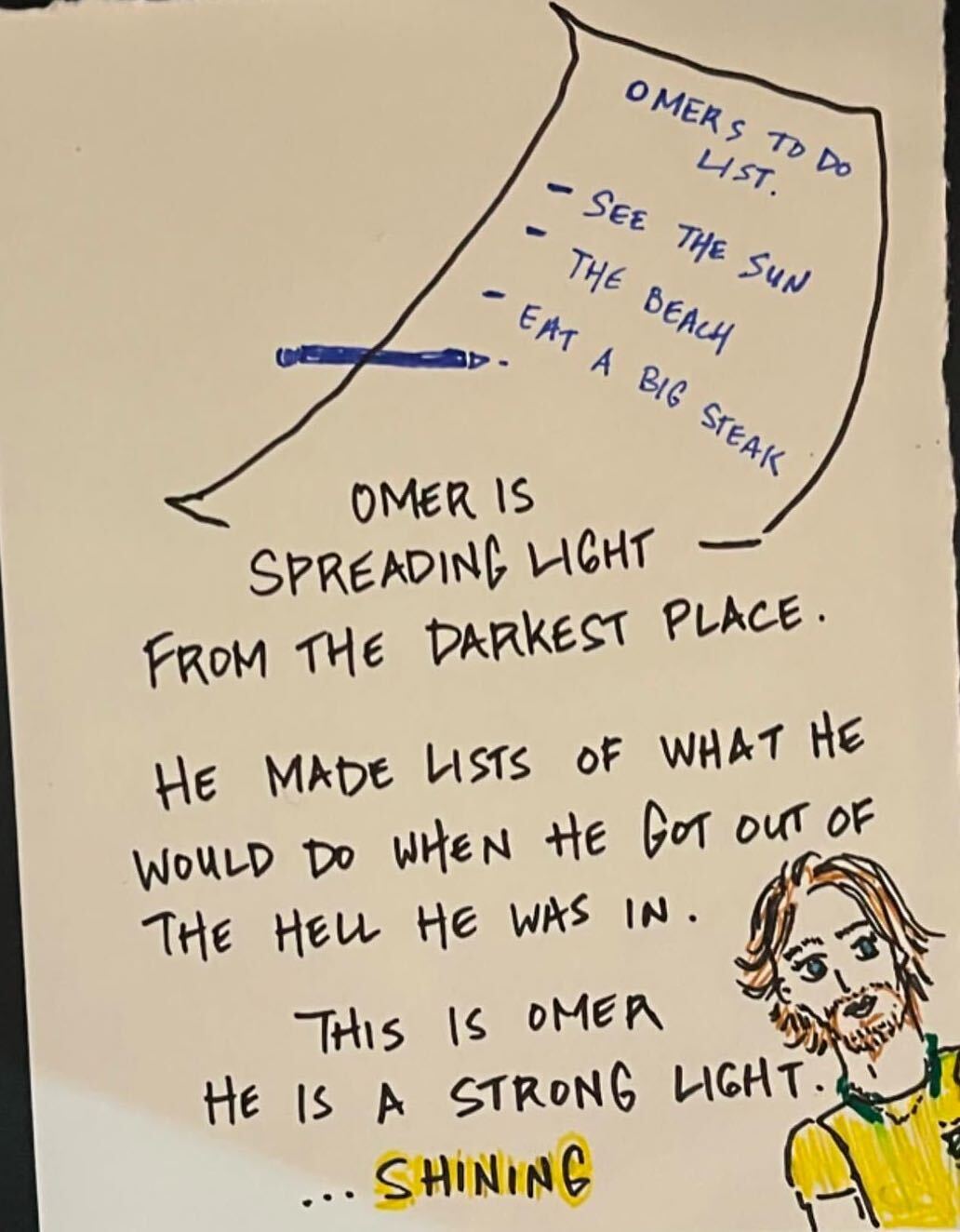
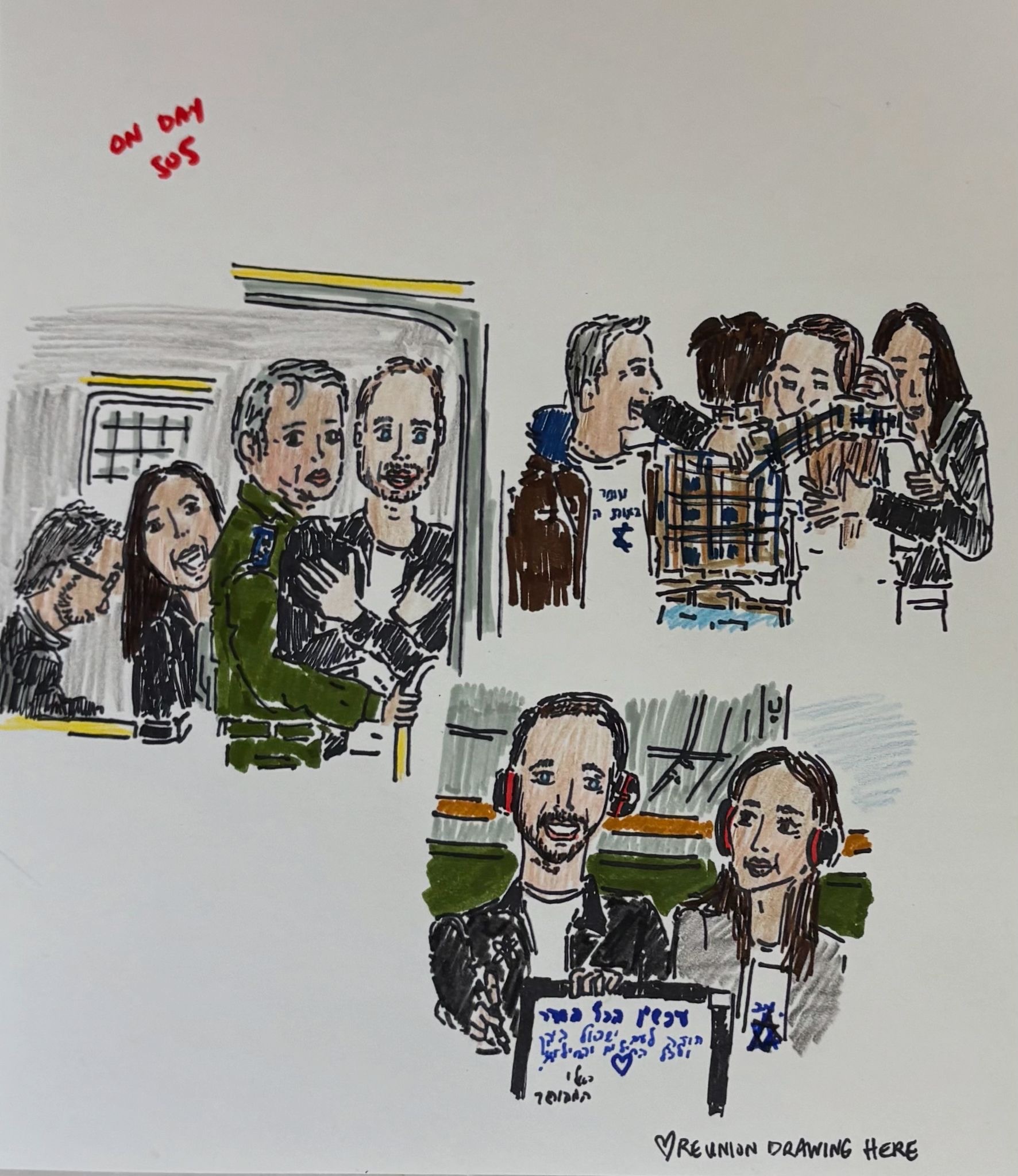
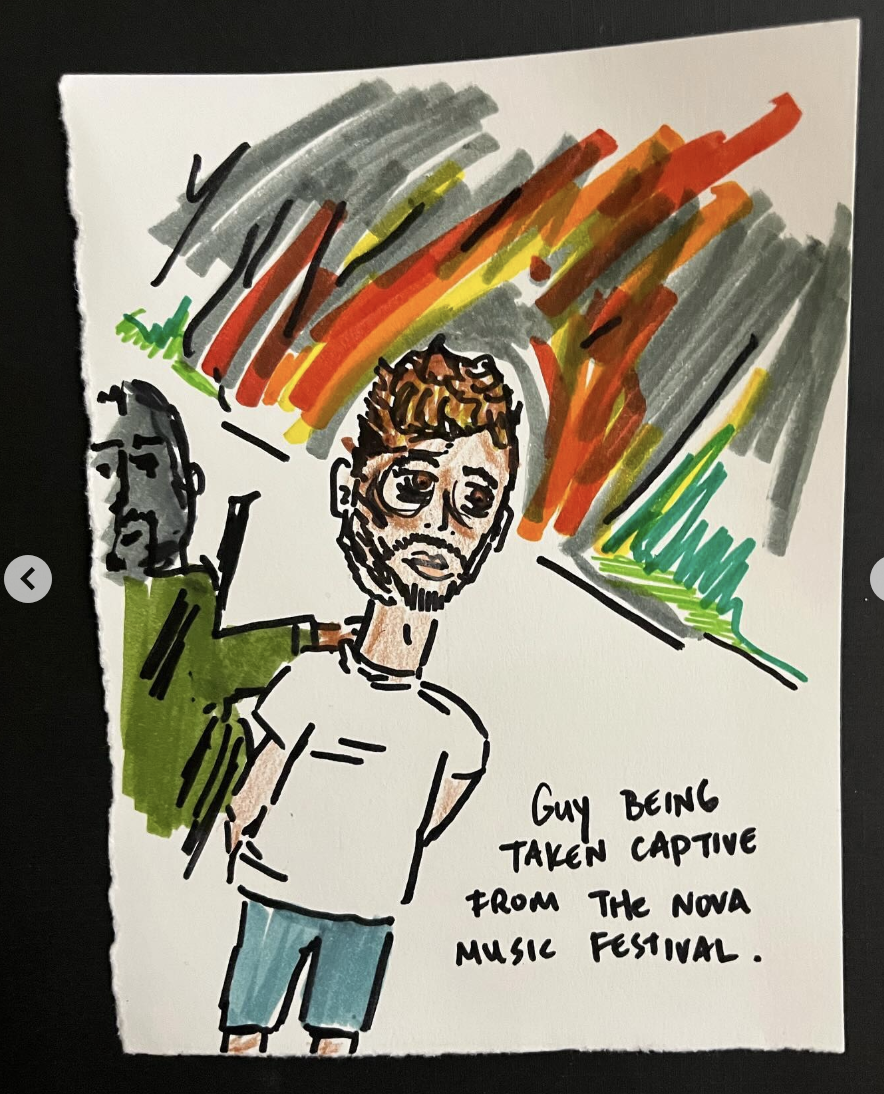
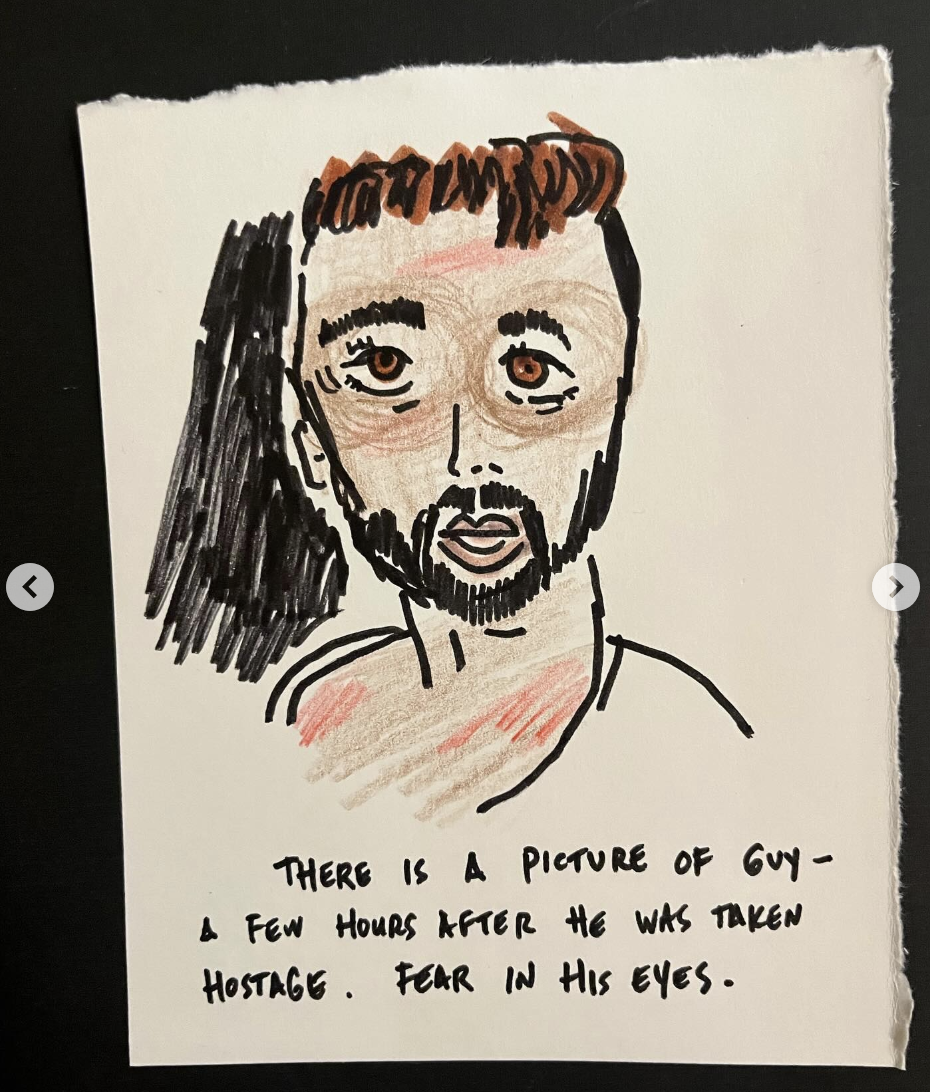
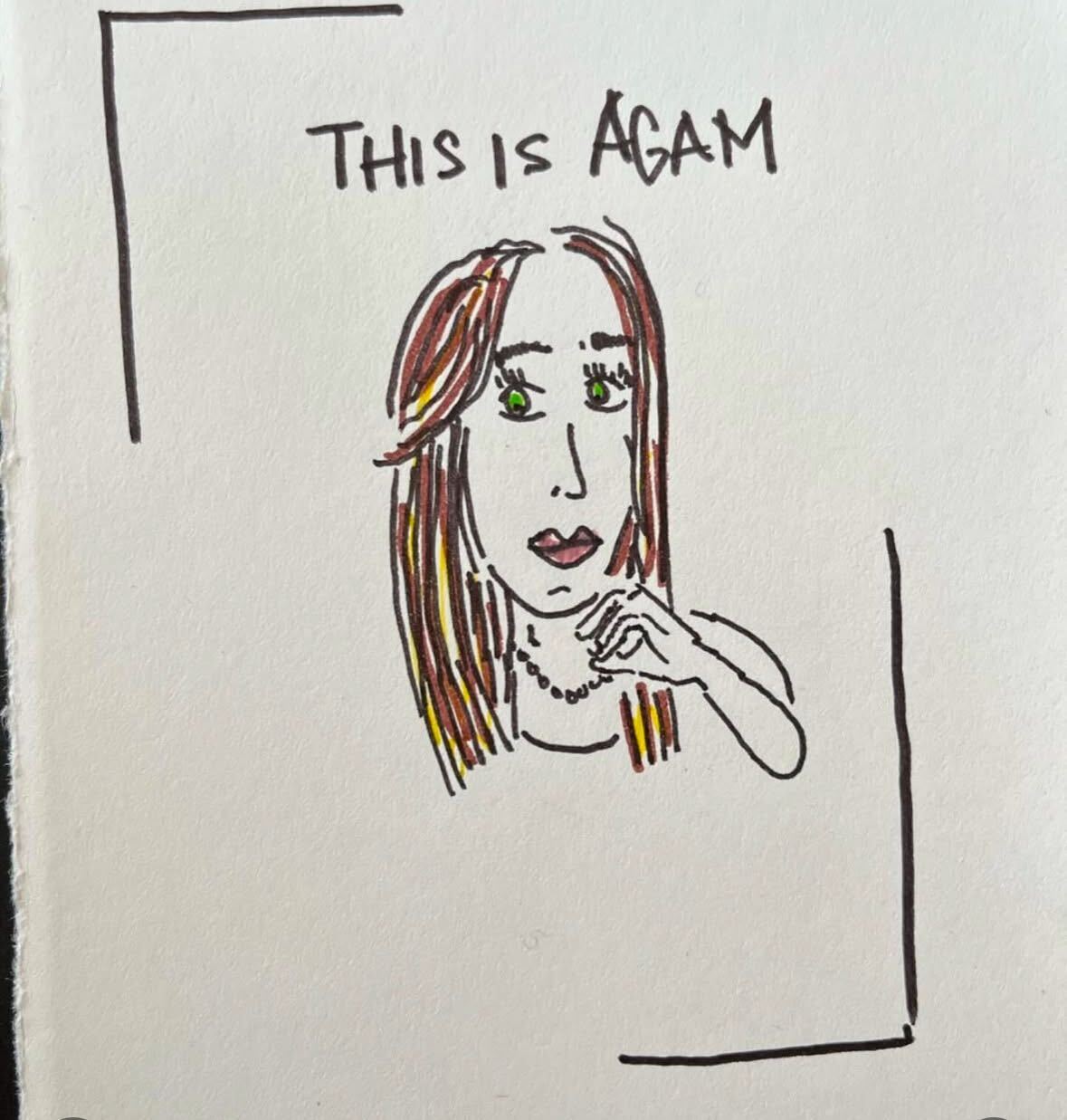
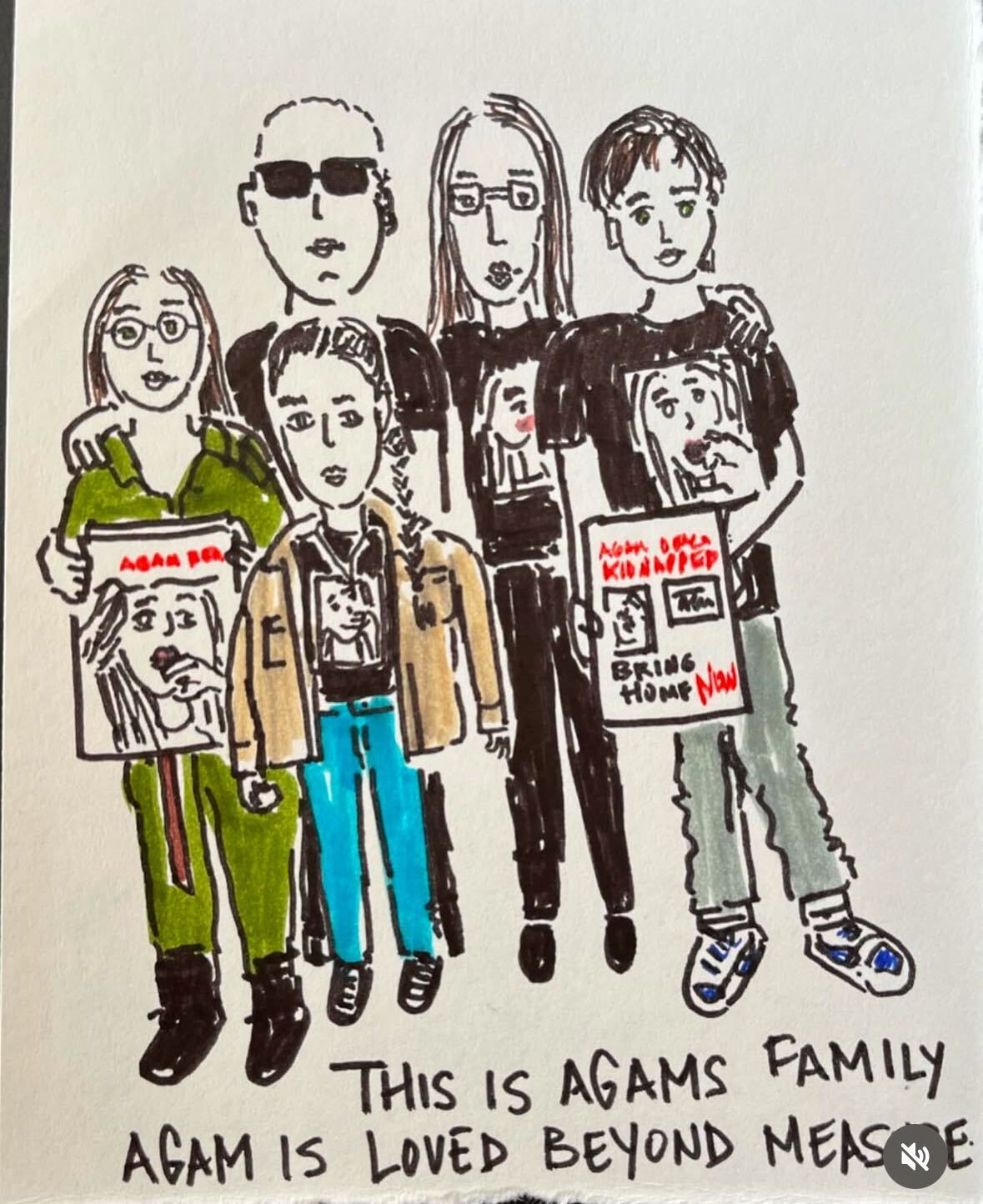
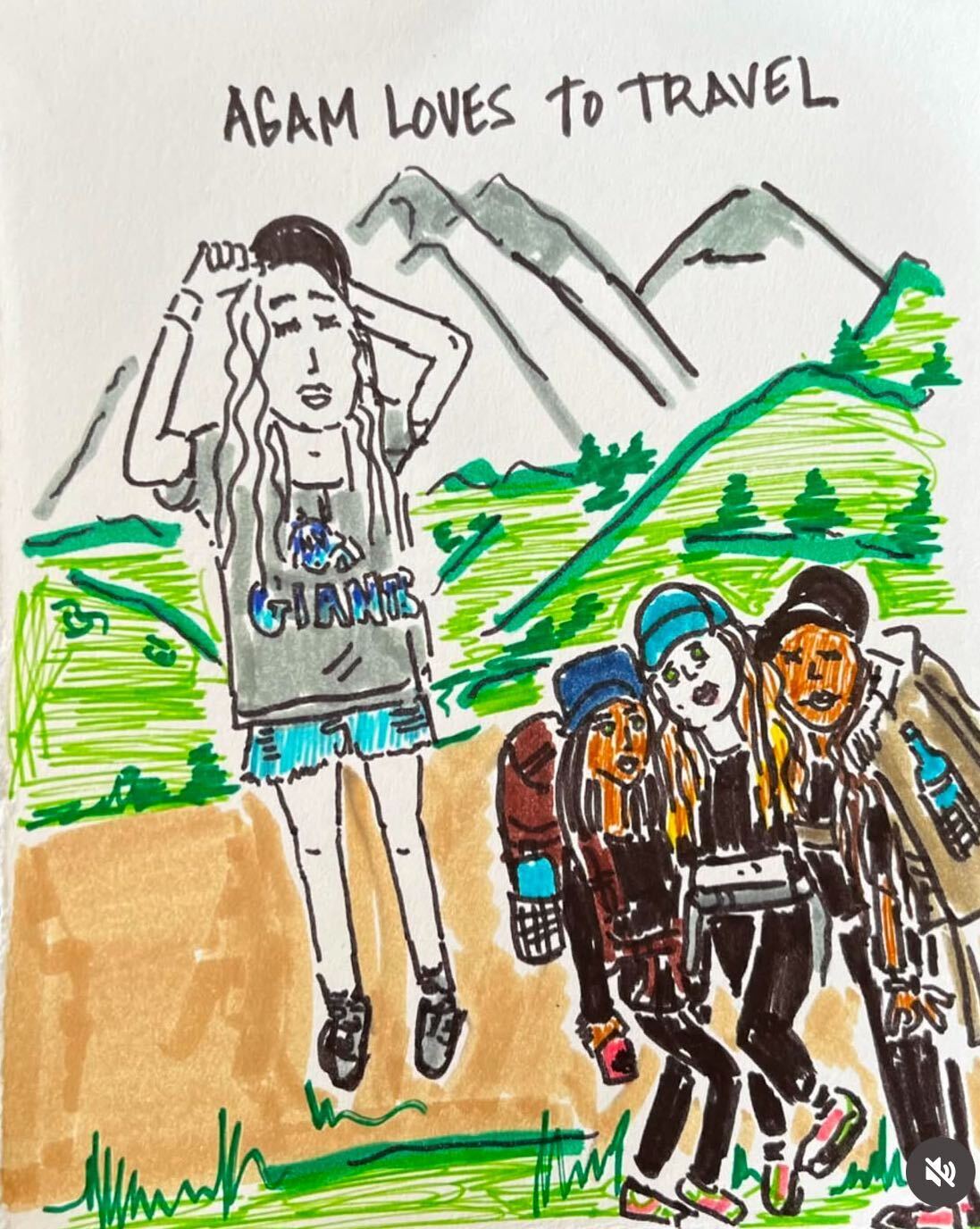
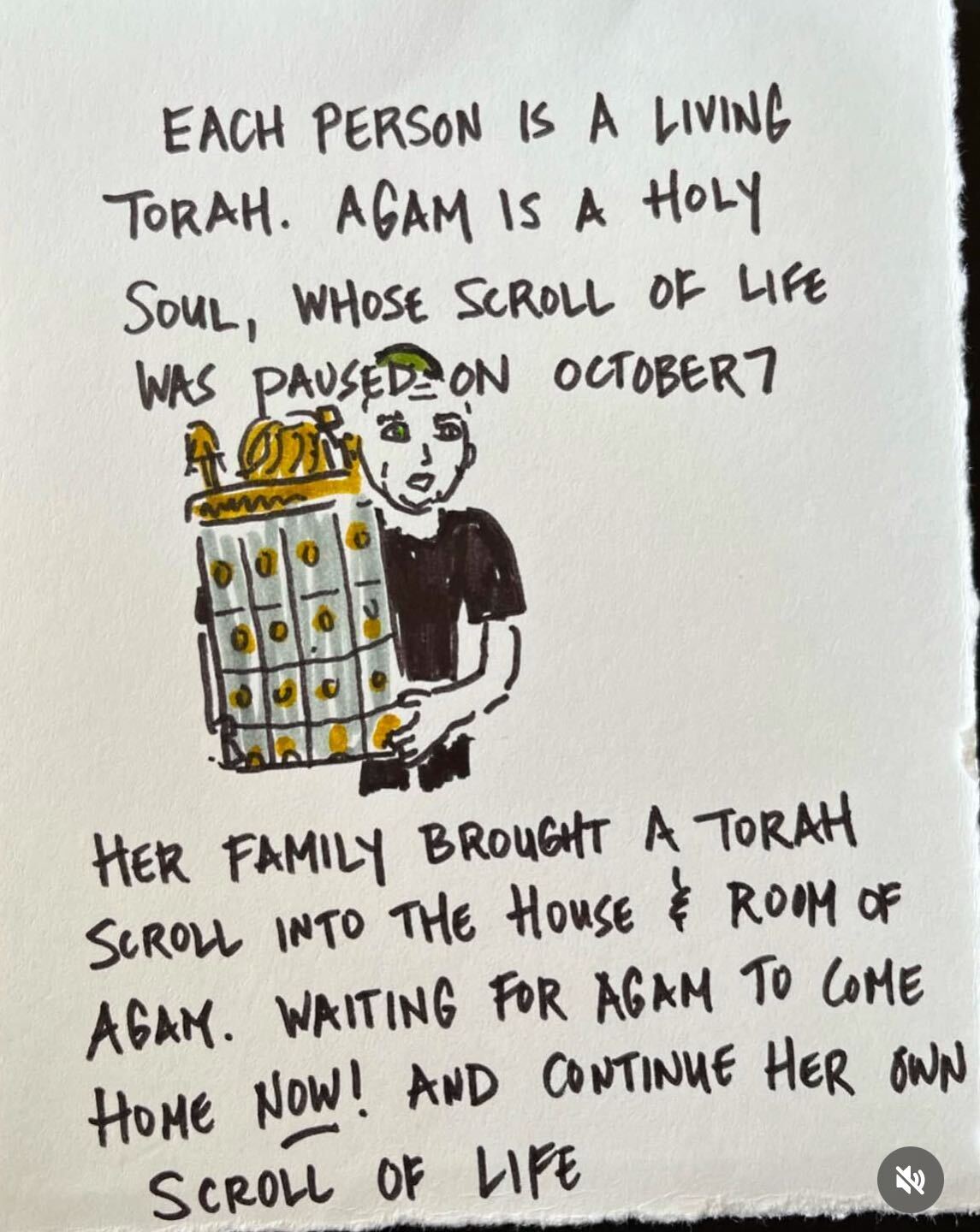
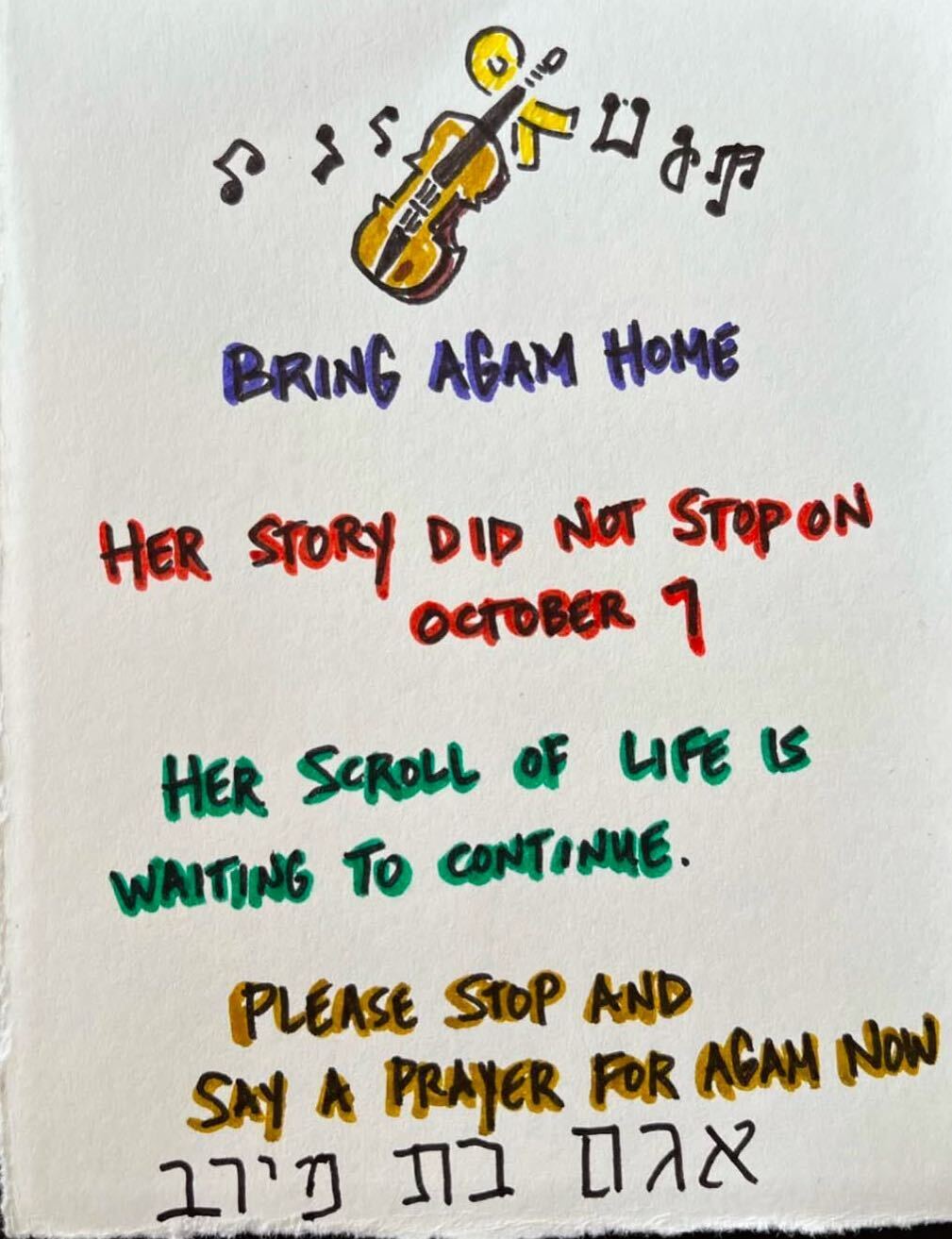
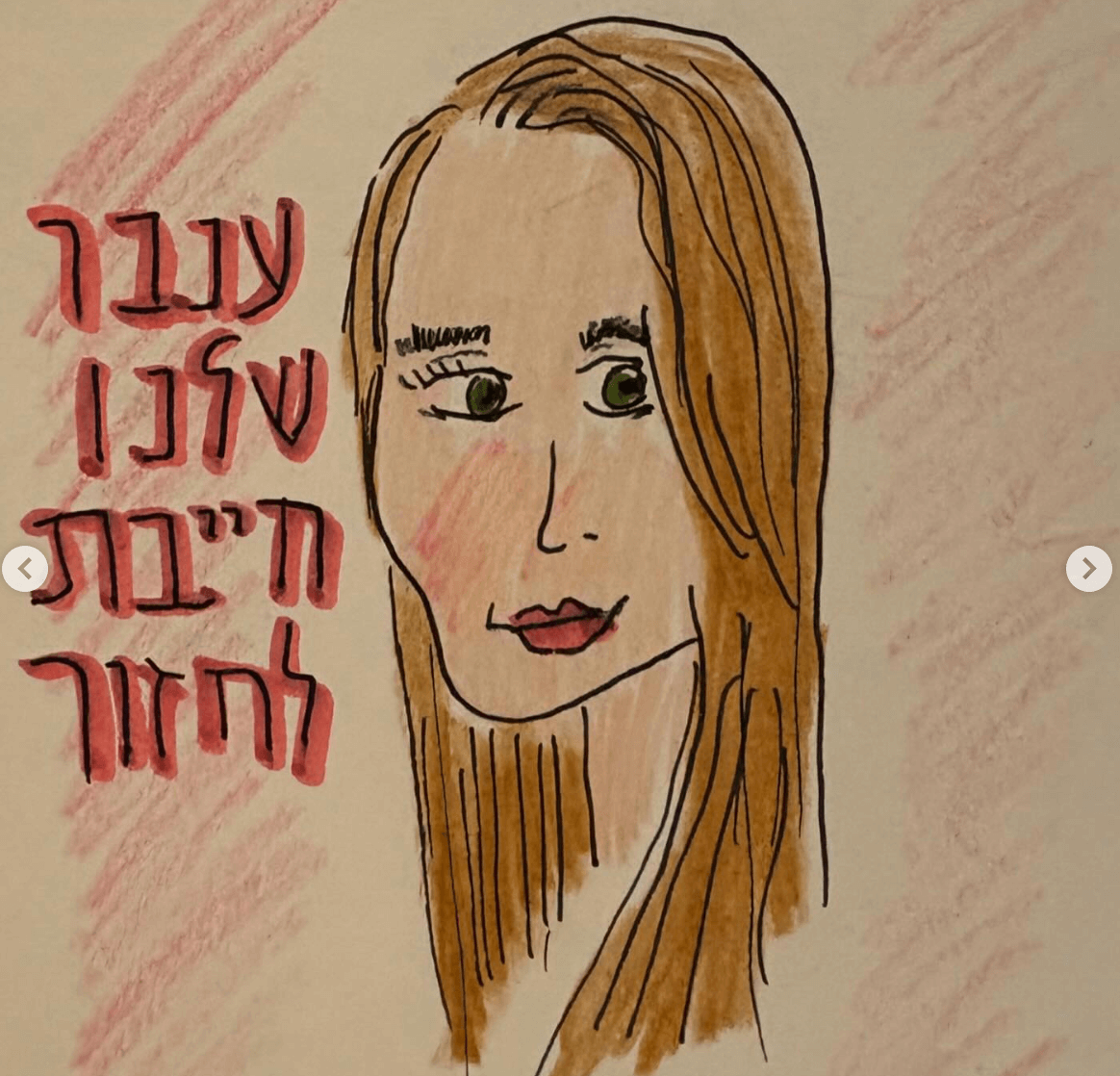
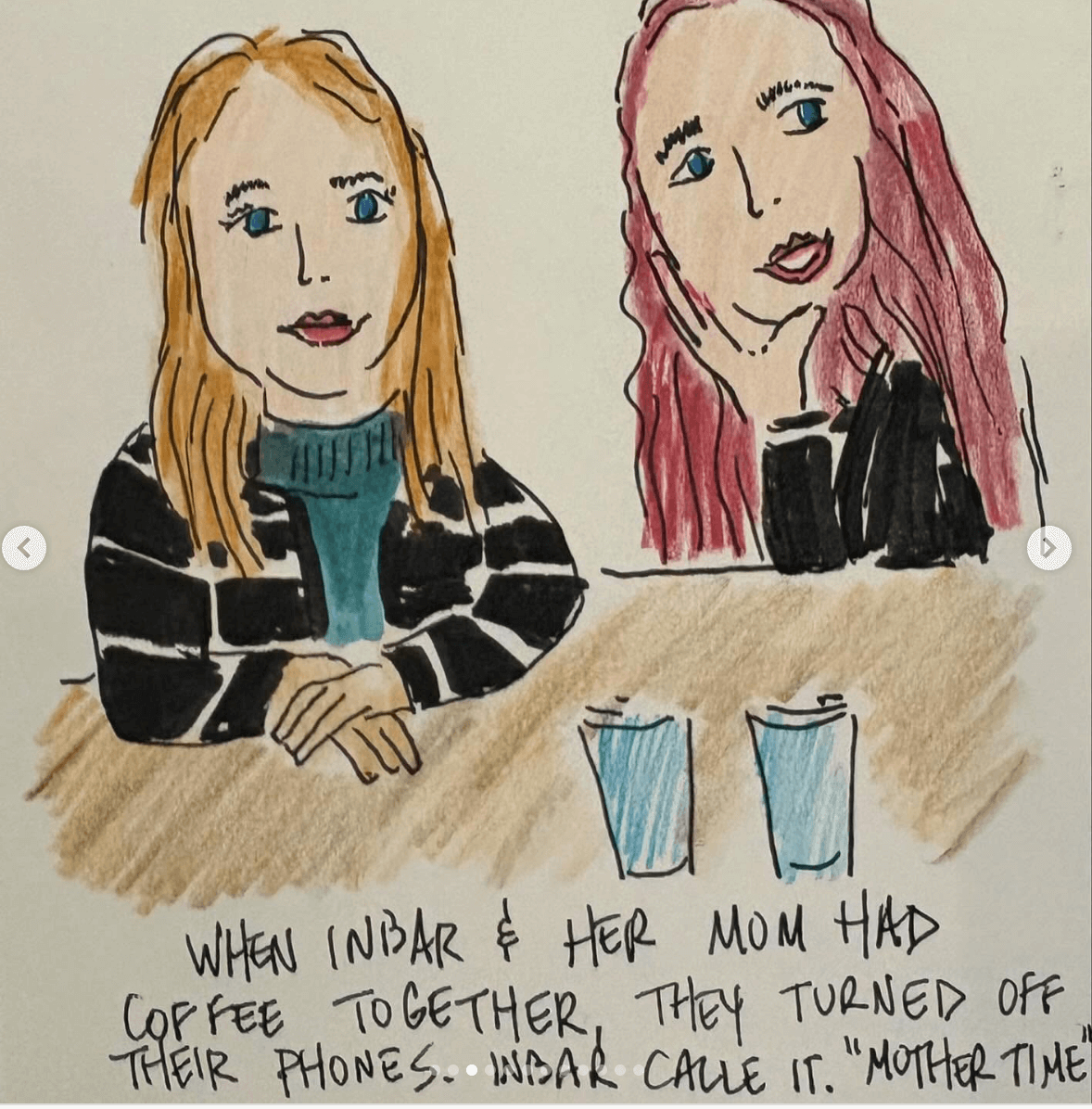
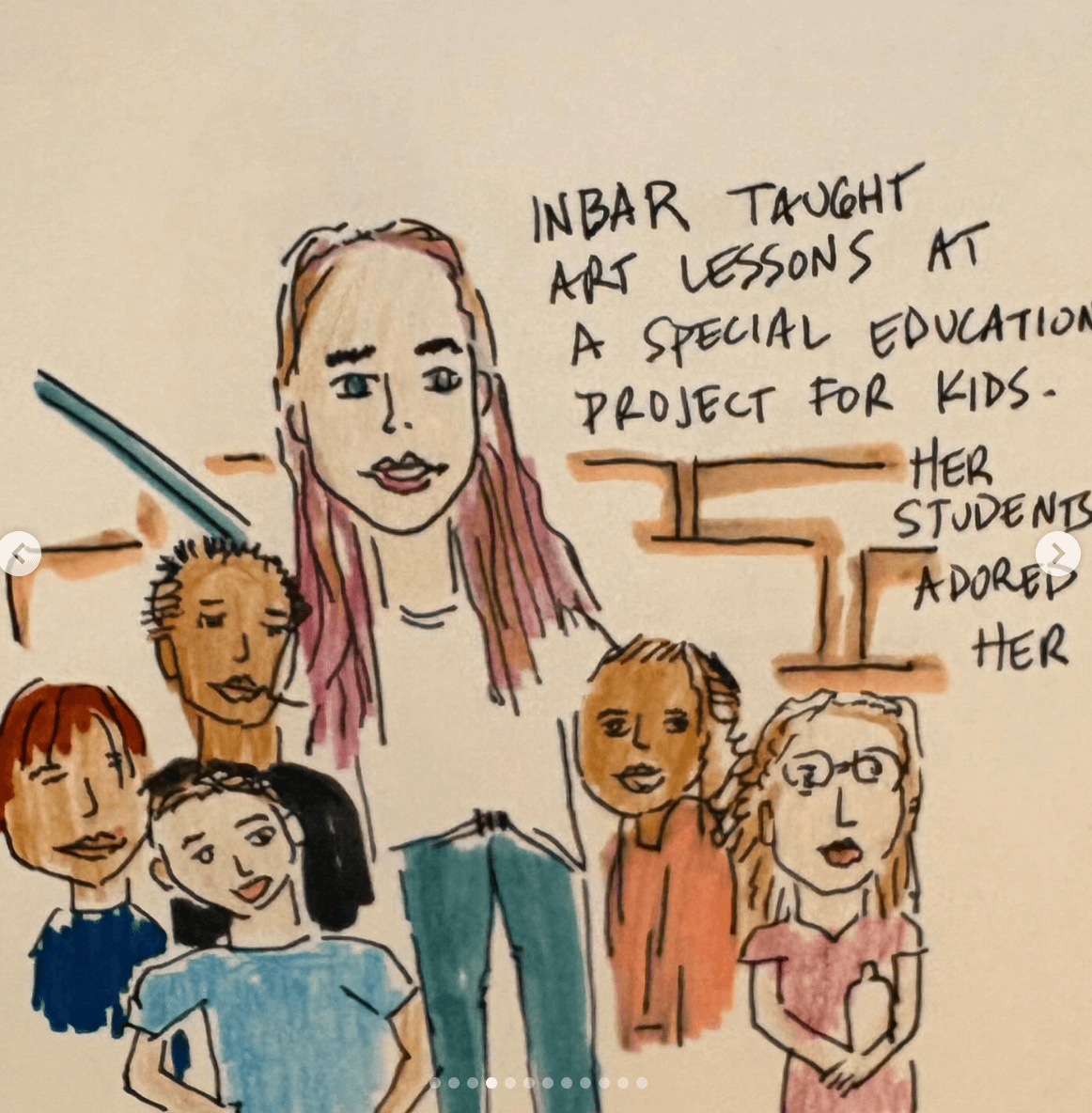
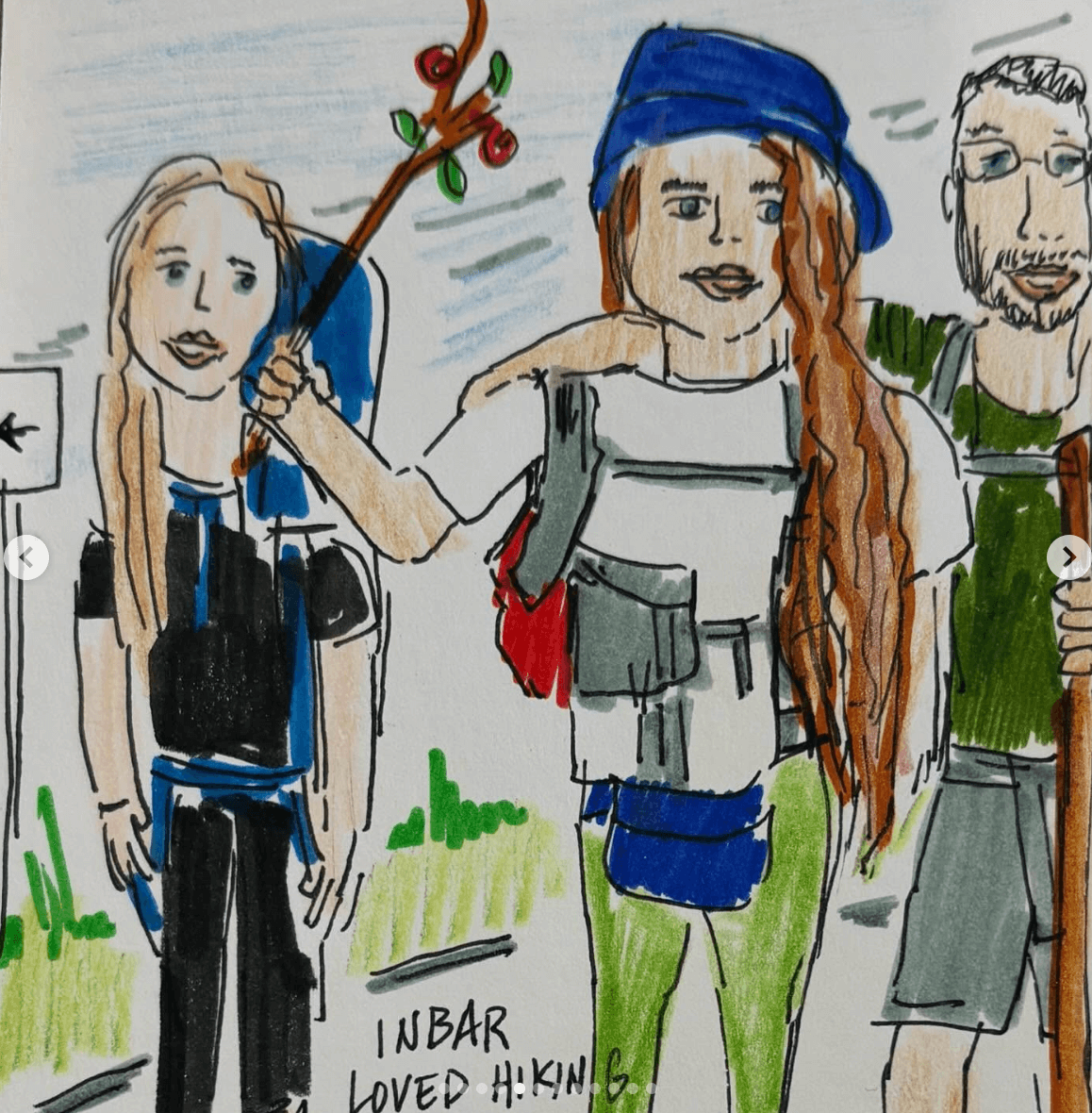
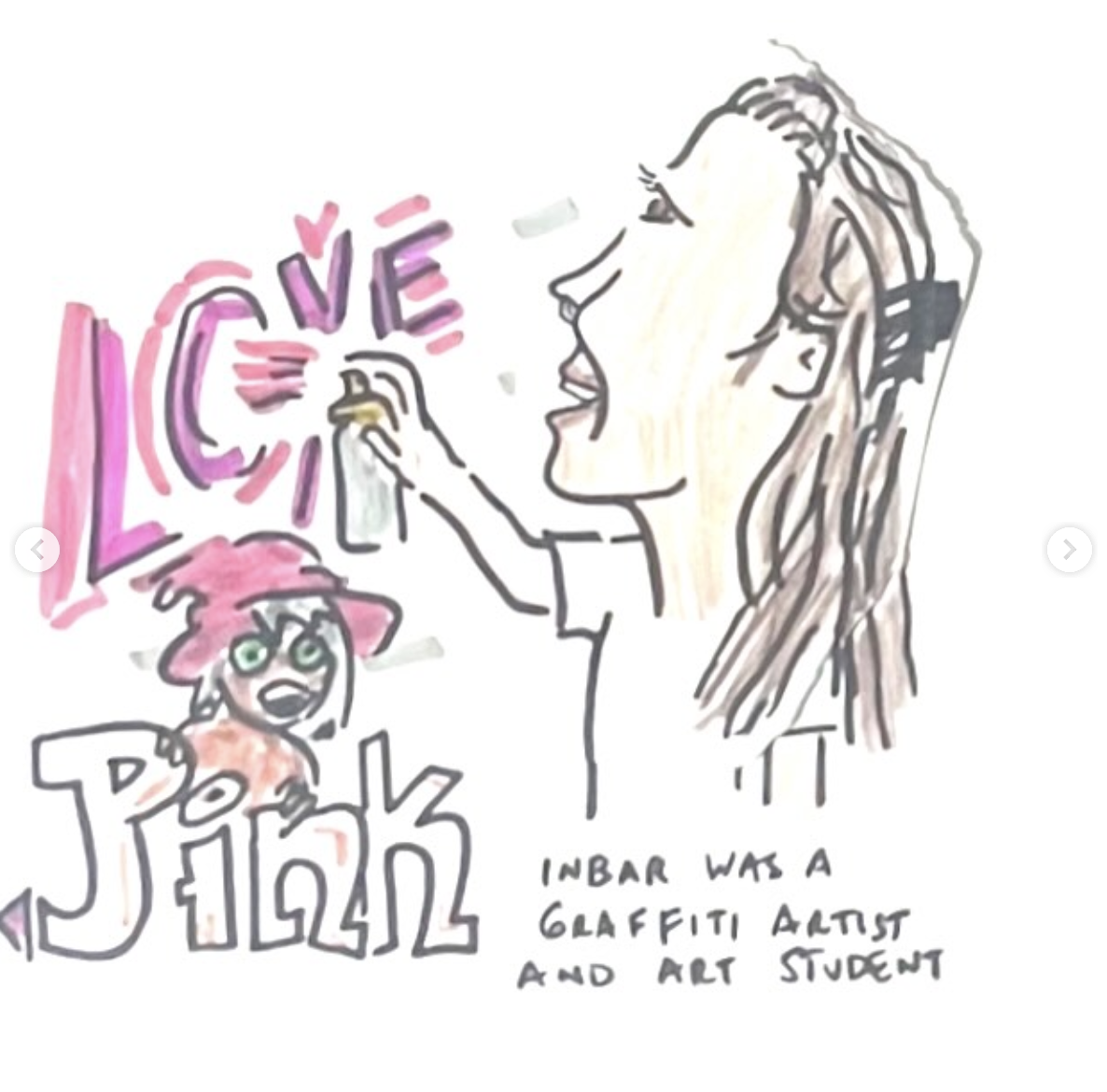
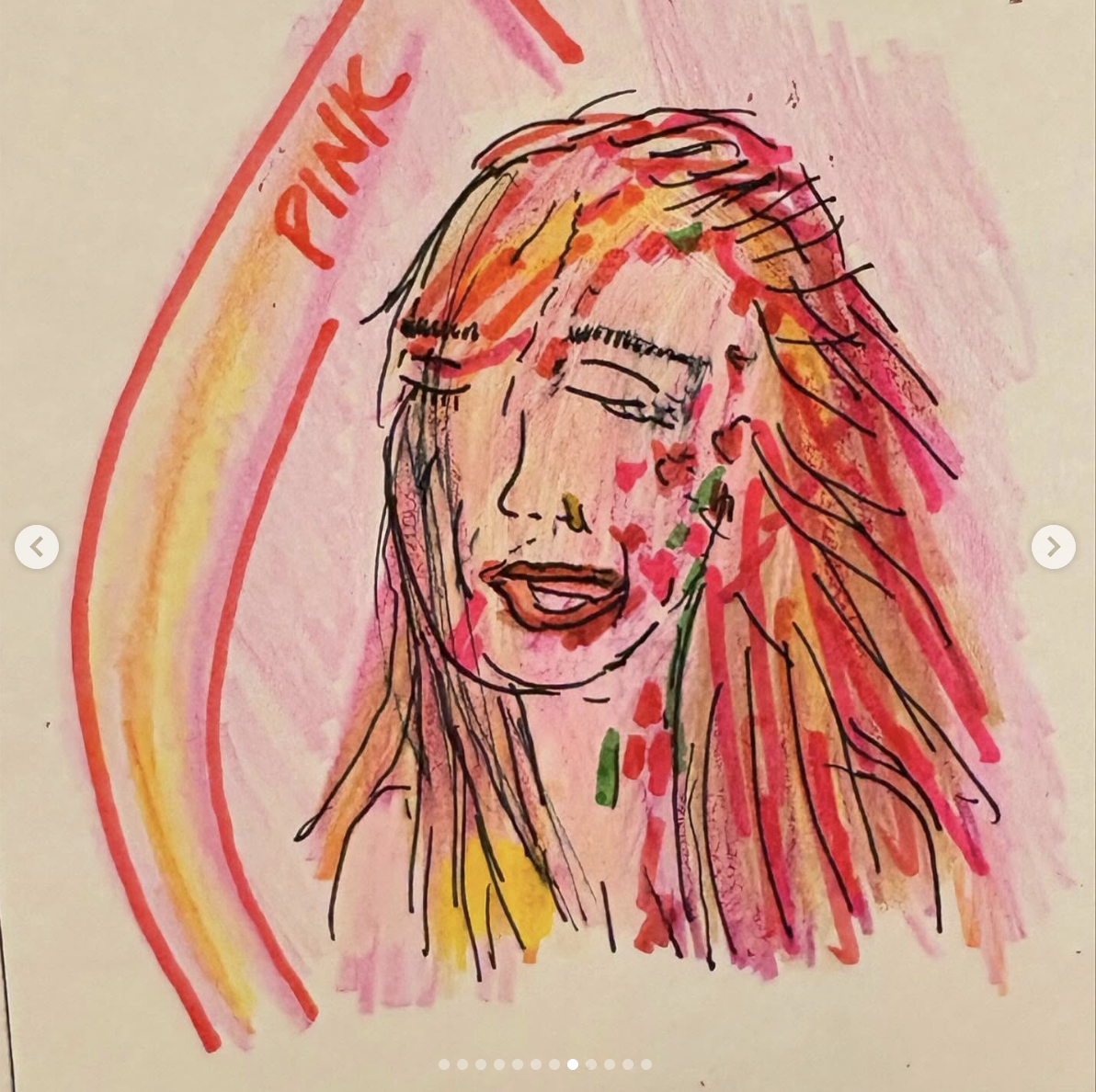
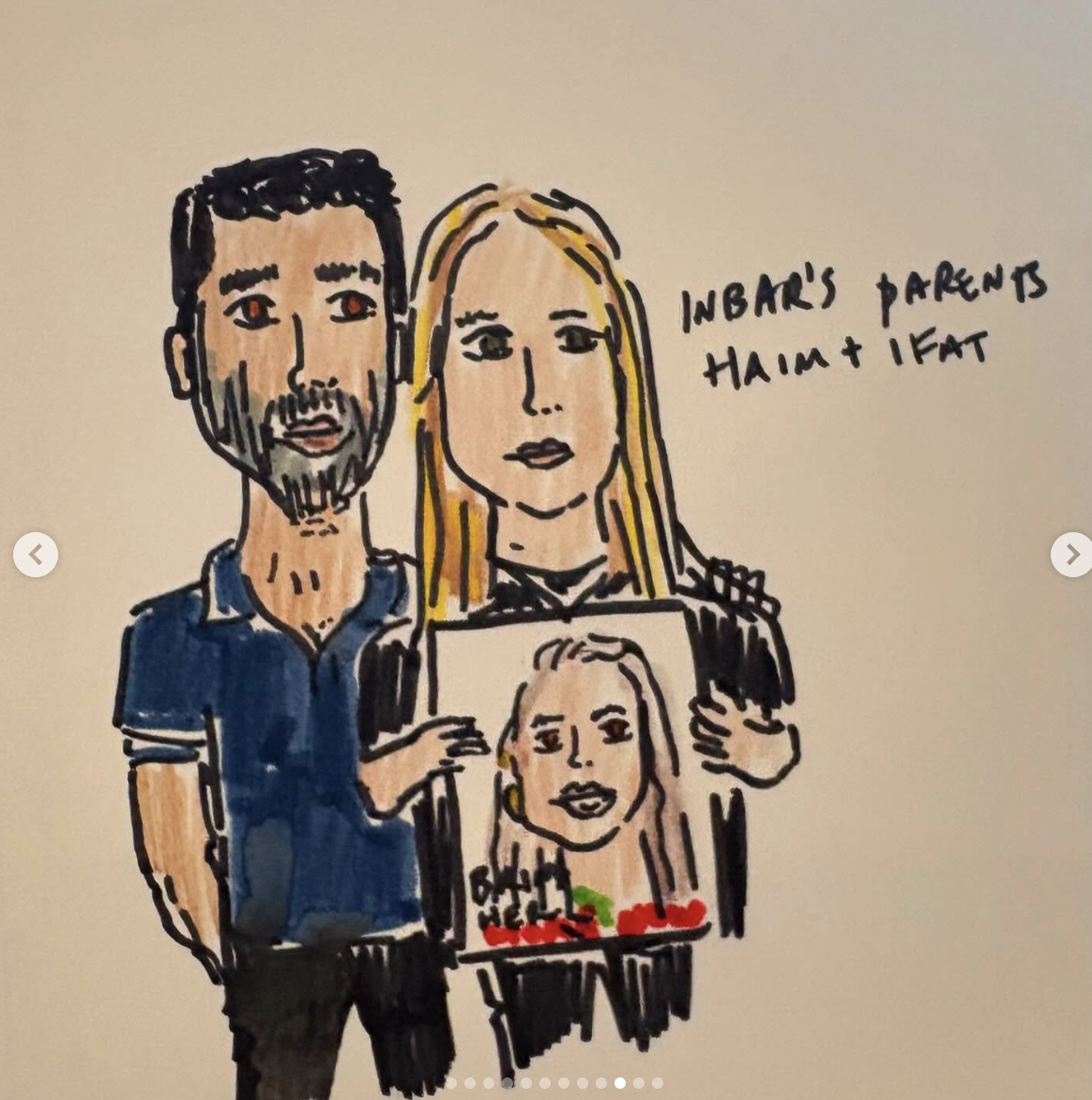
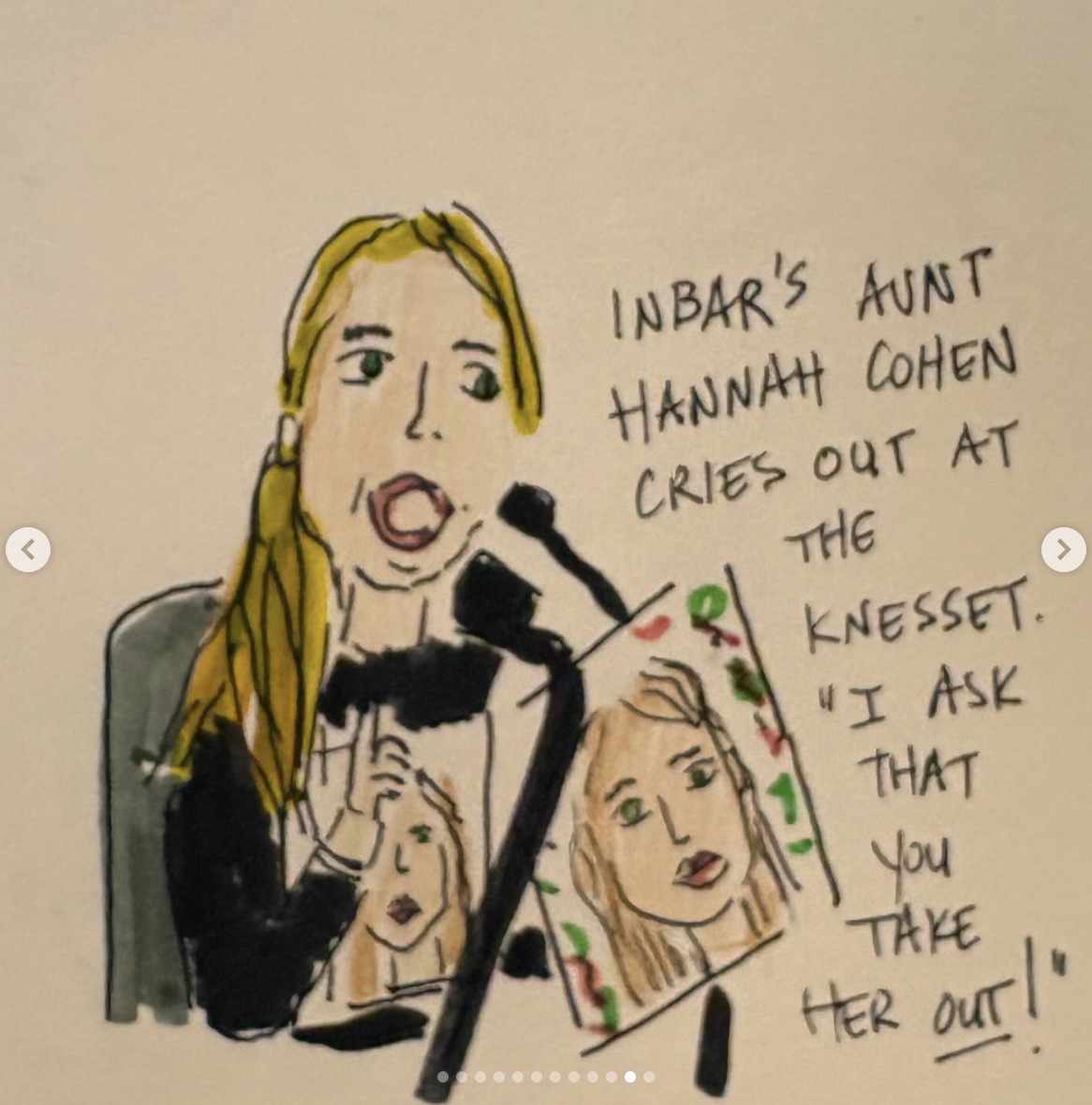
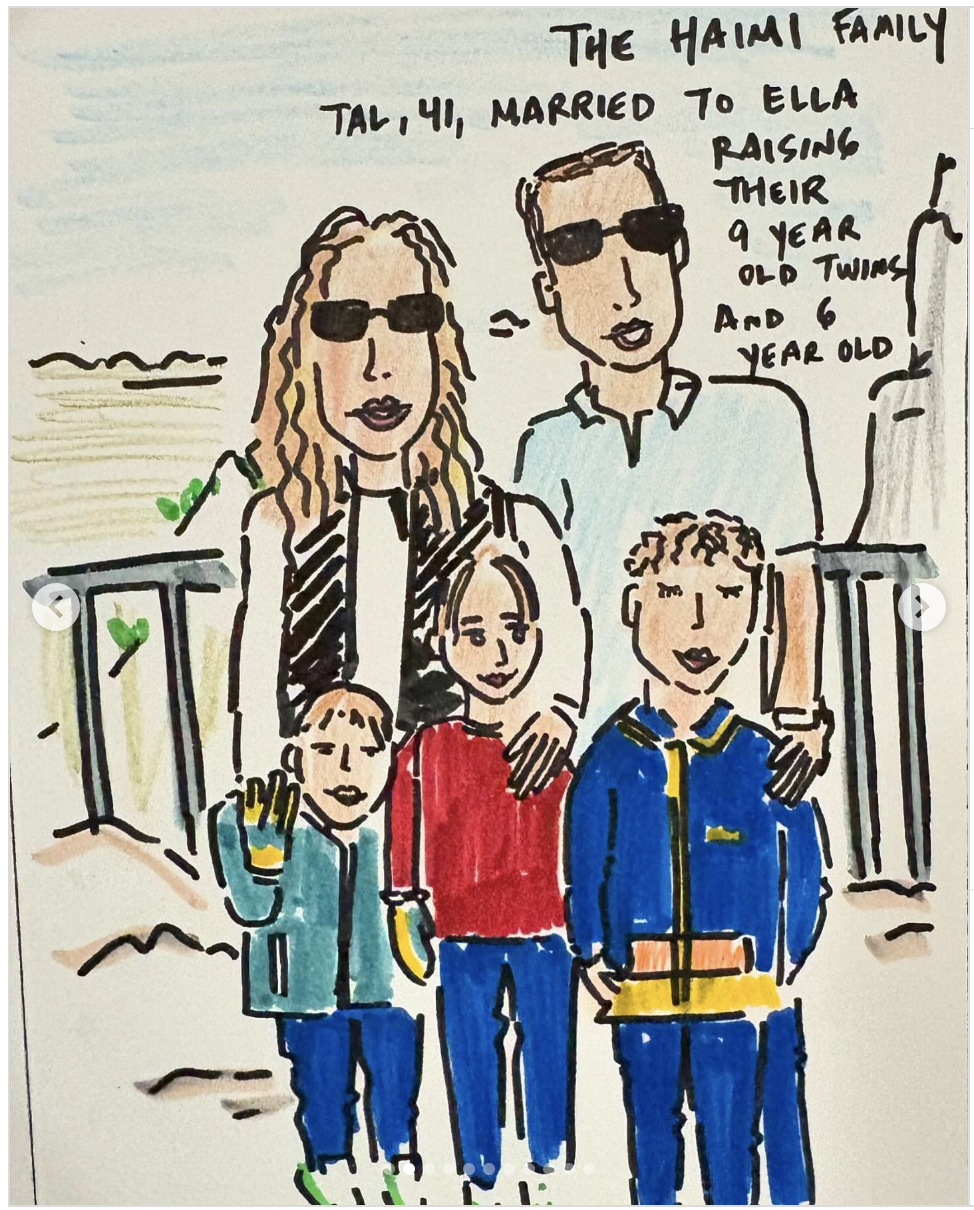
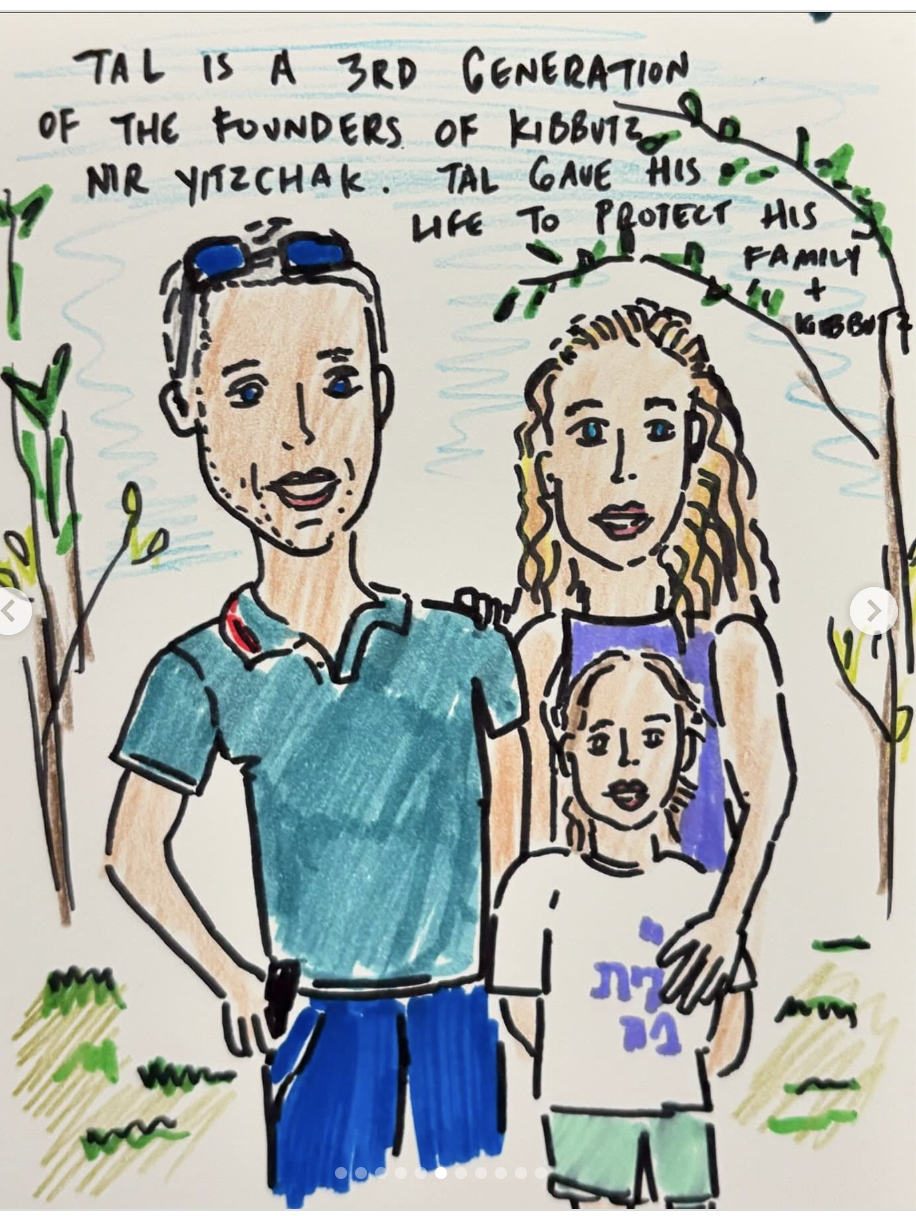
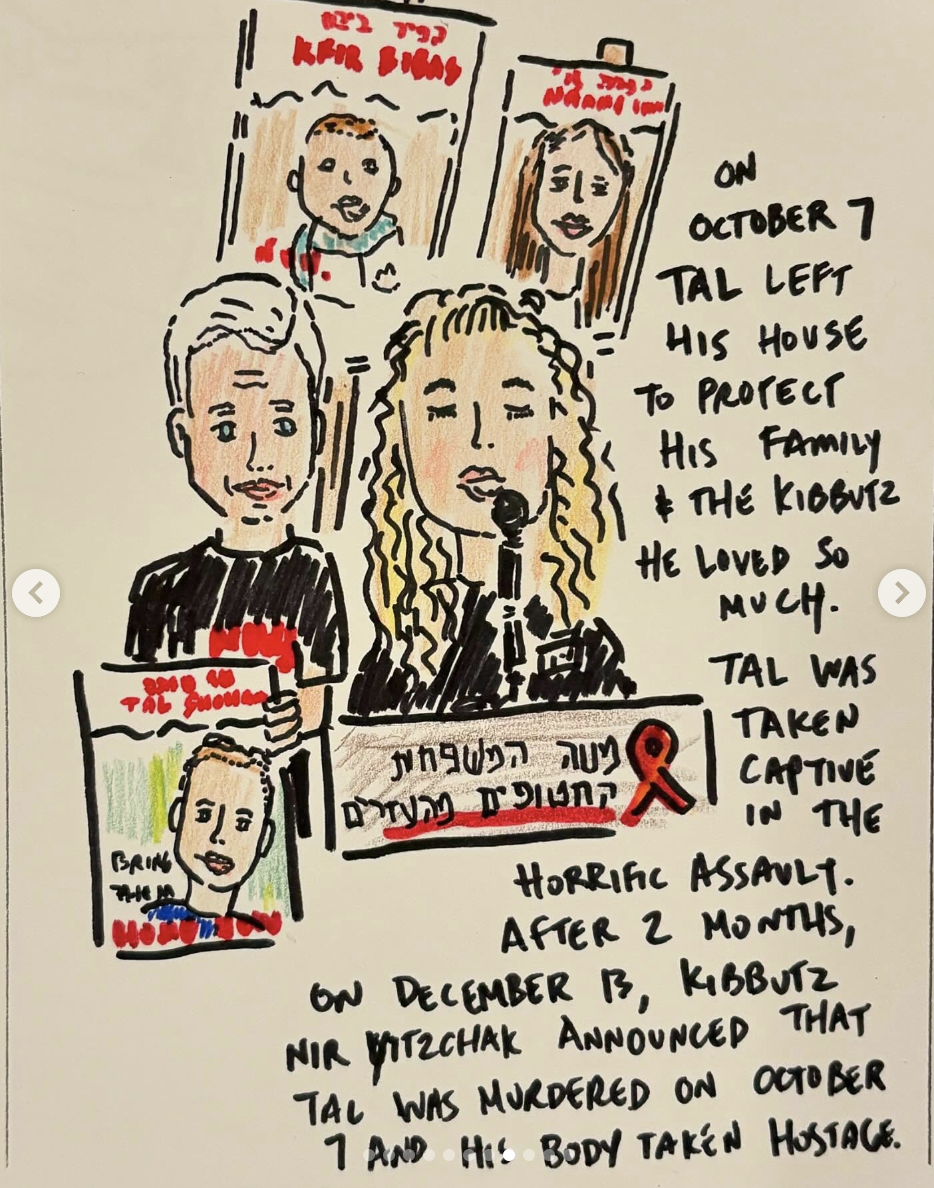
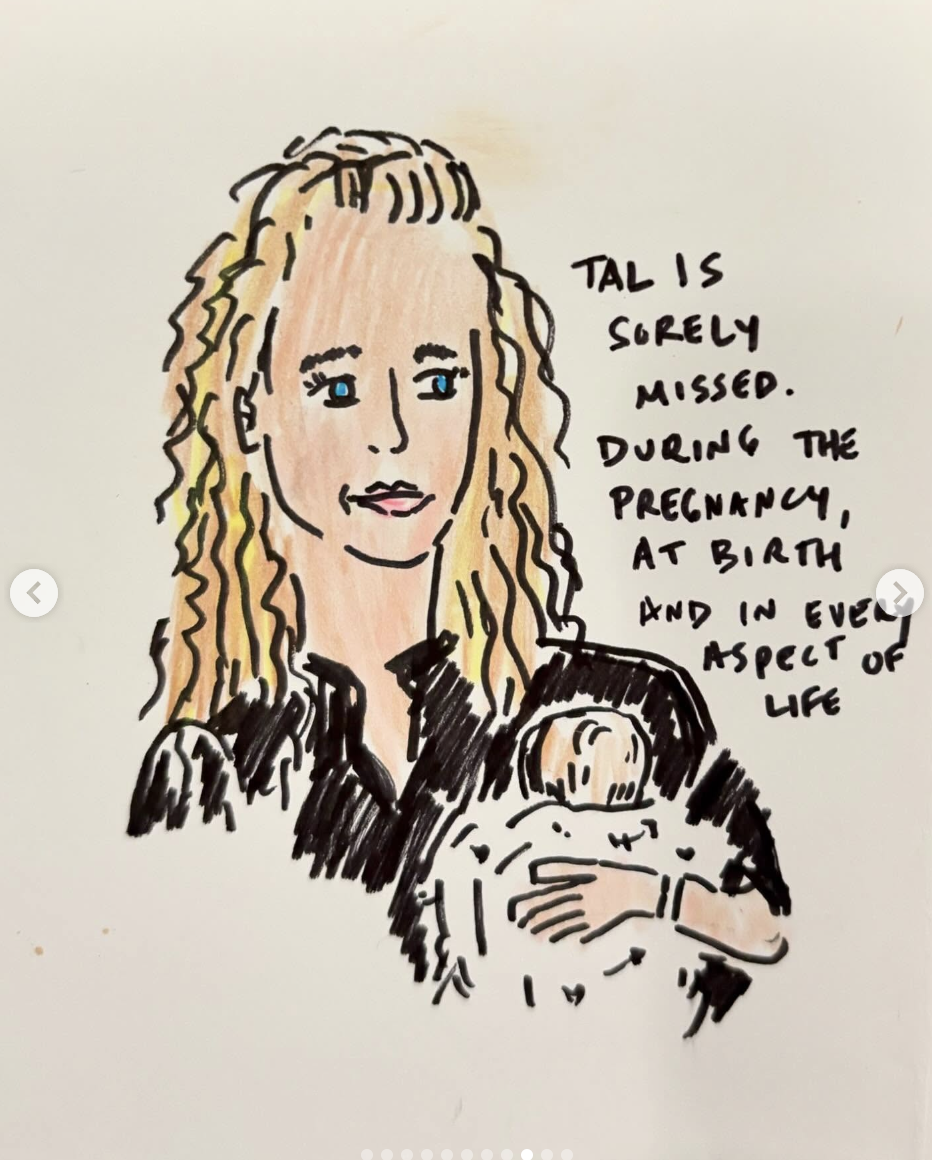
On day 100 of the hostages’ captivity, she began drawing images of them and their families, using simple markers to quickly capture their features on paper. She also sketched what she was watching in news reports.
“It was super-speed drawing, every single day,” said Gal, a religious stay-at-home mother, who hadn’t spent much time creating art before October 7. “I draw in real time.”
She has now exhibited her work in Herzliya and will soon also display it in Barcelona, along with dozens of speaking engagements to publicize her mammoth project.
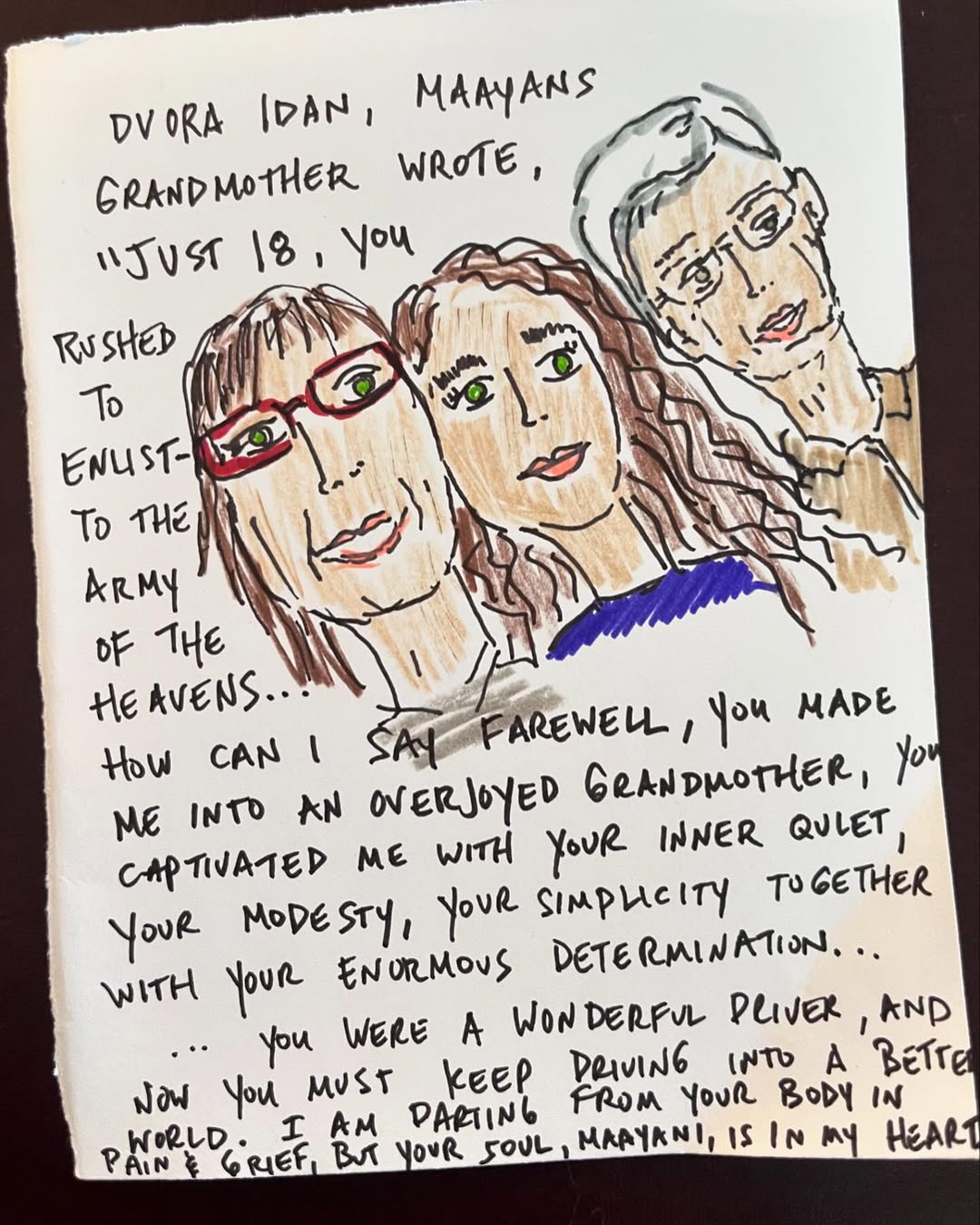
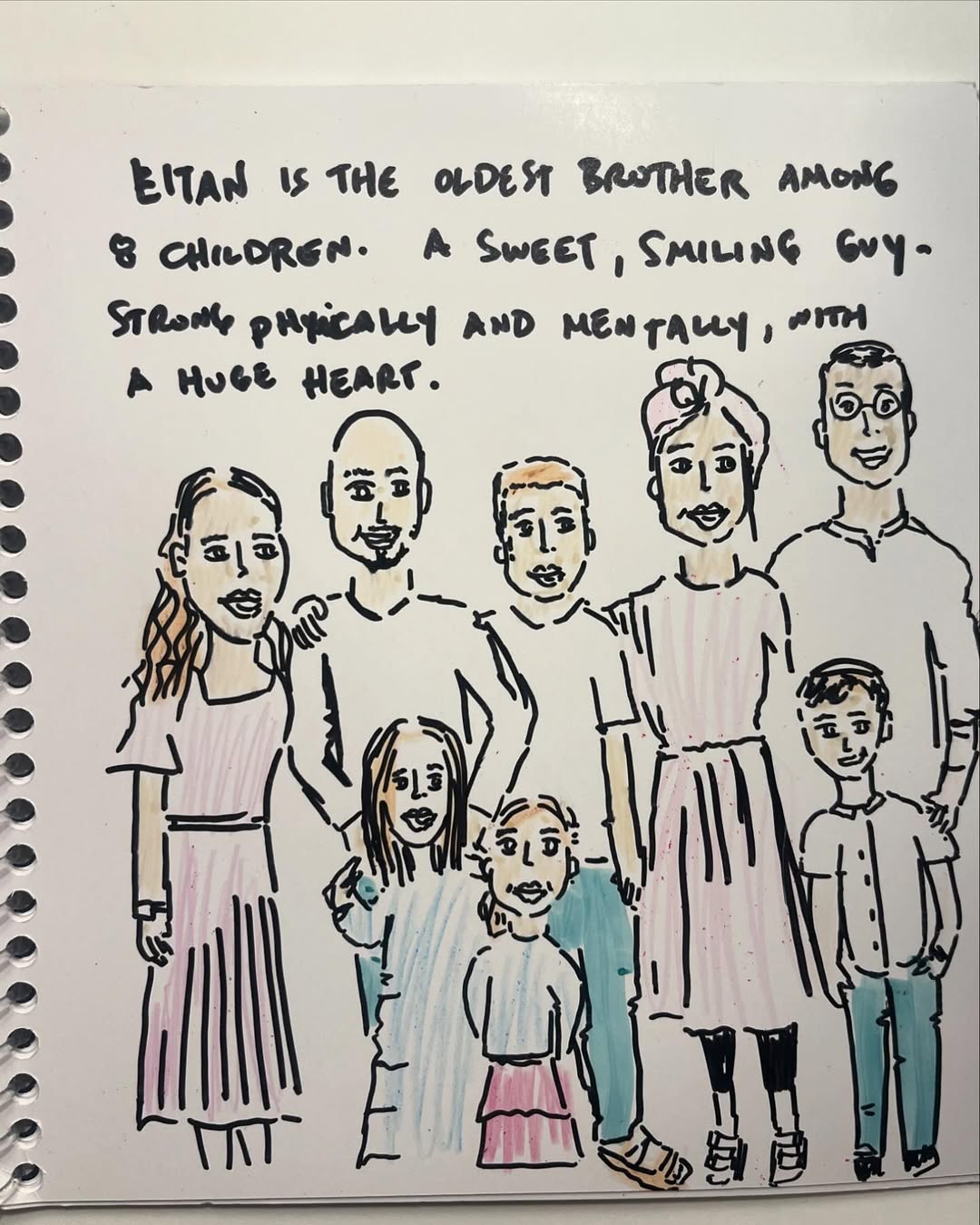
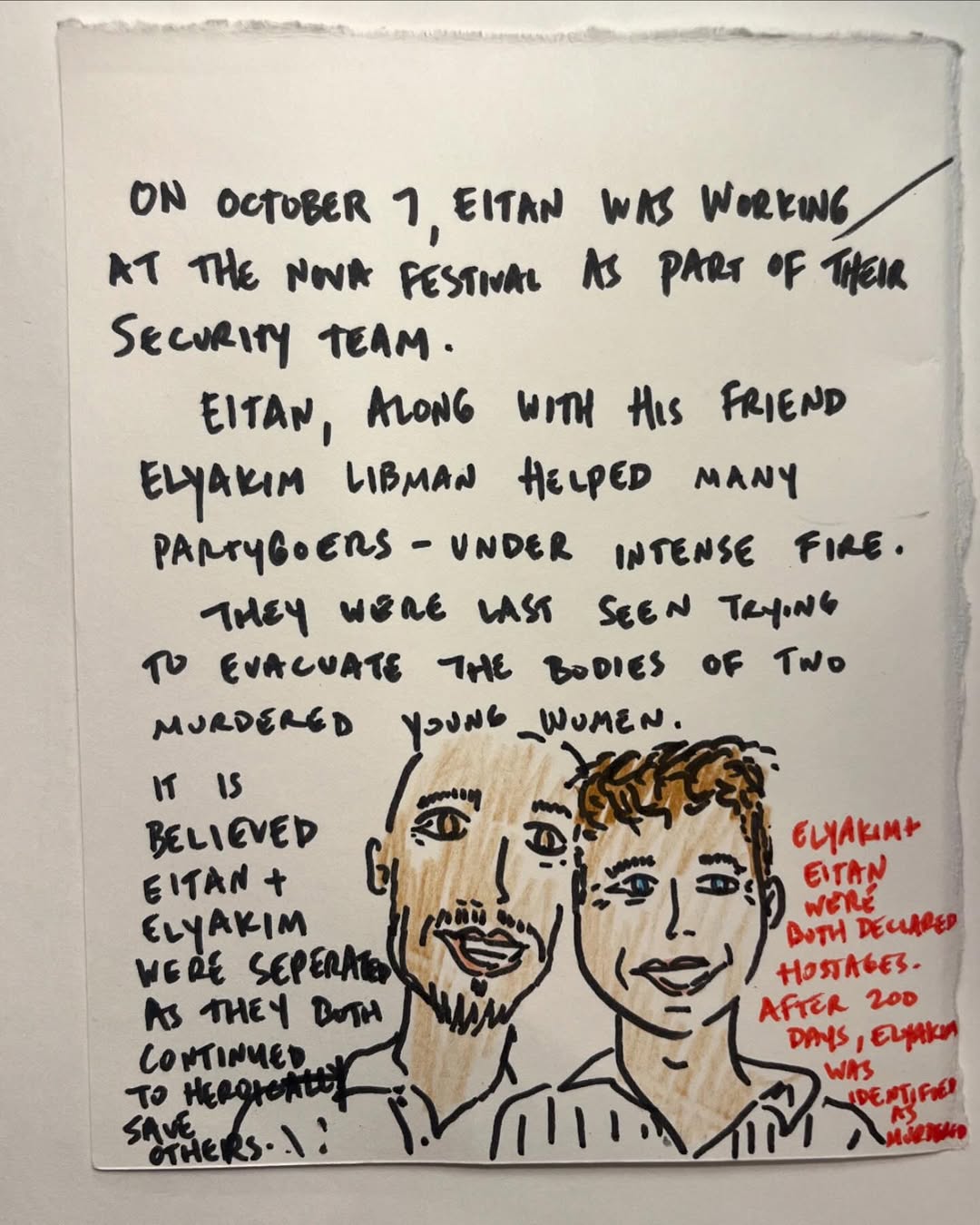
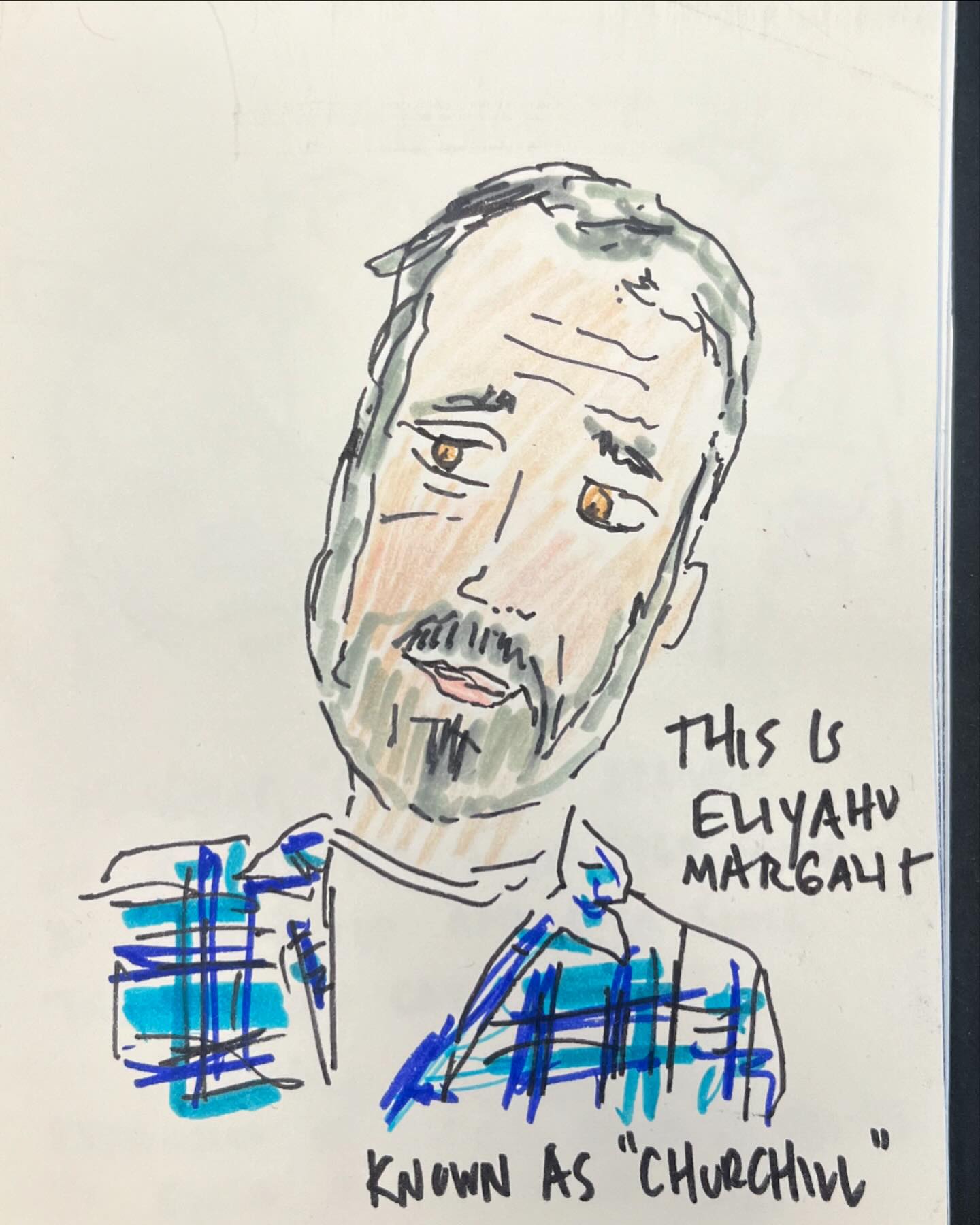
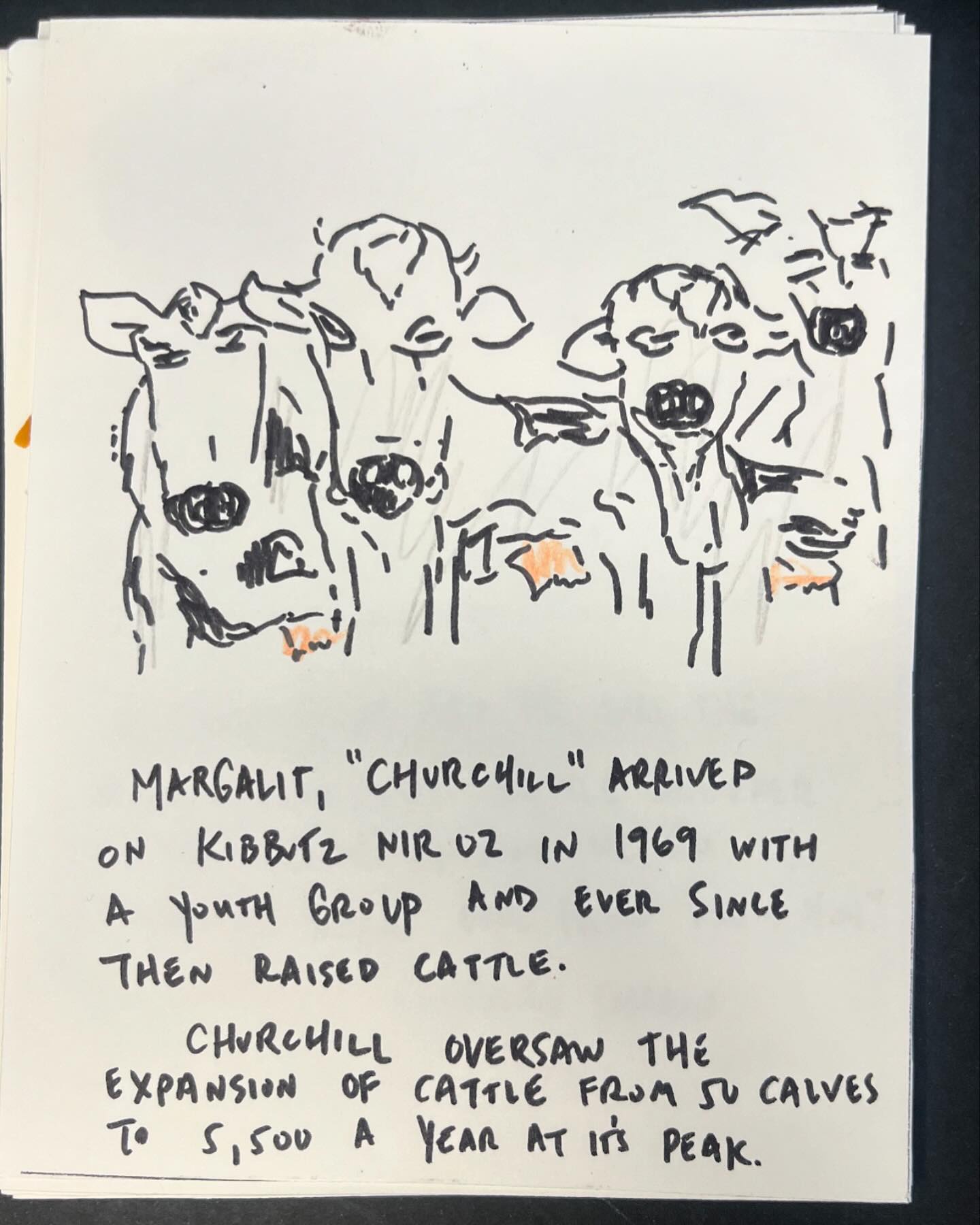
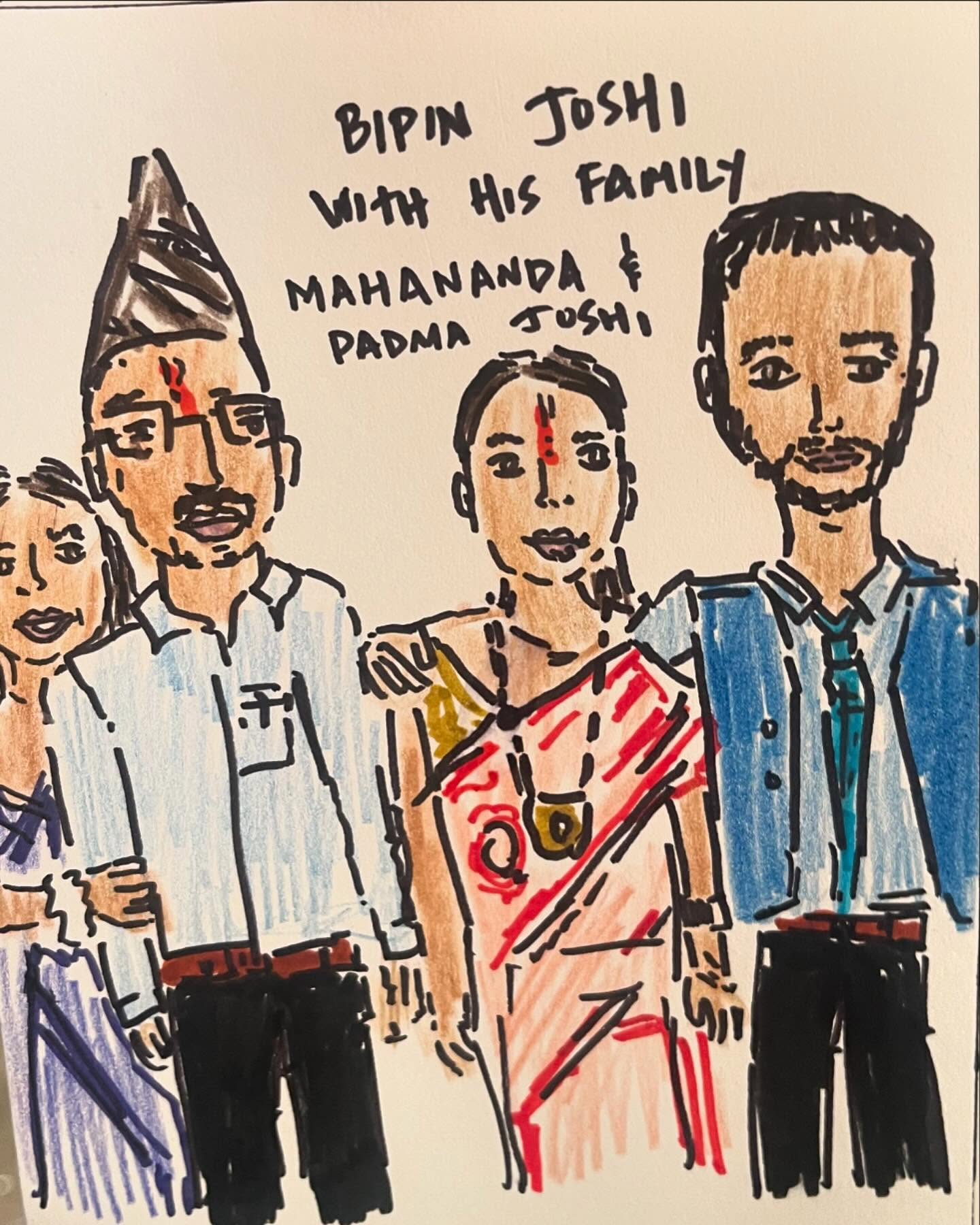
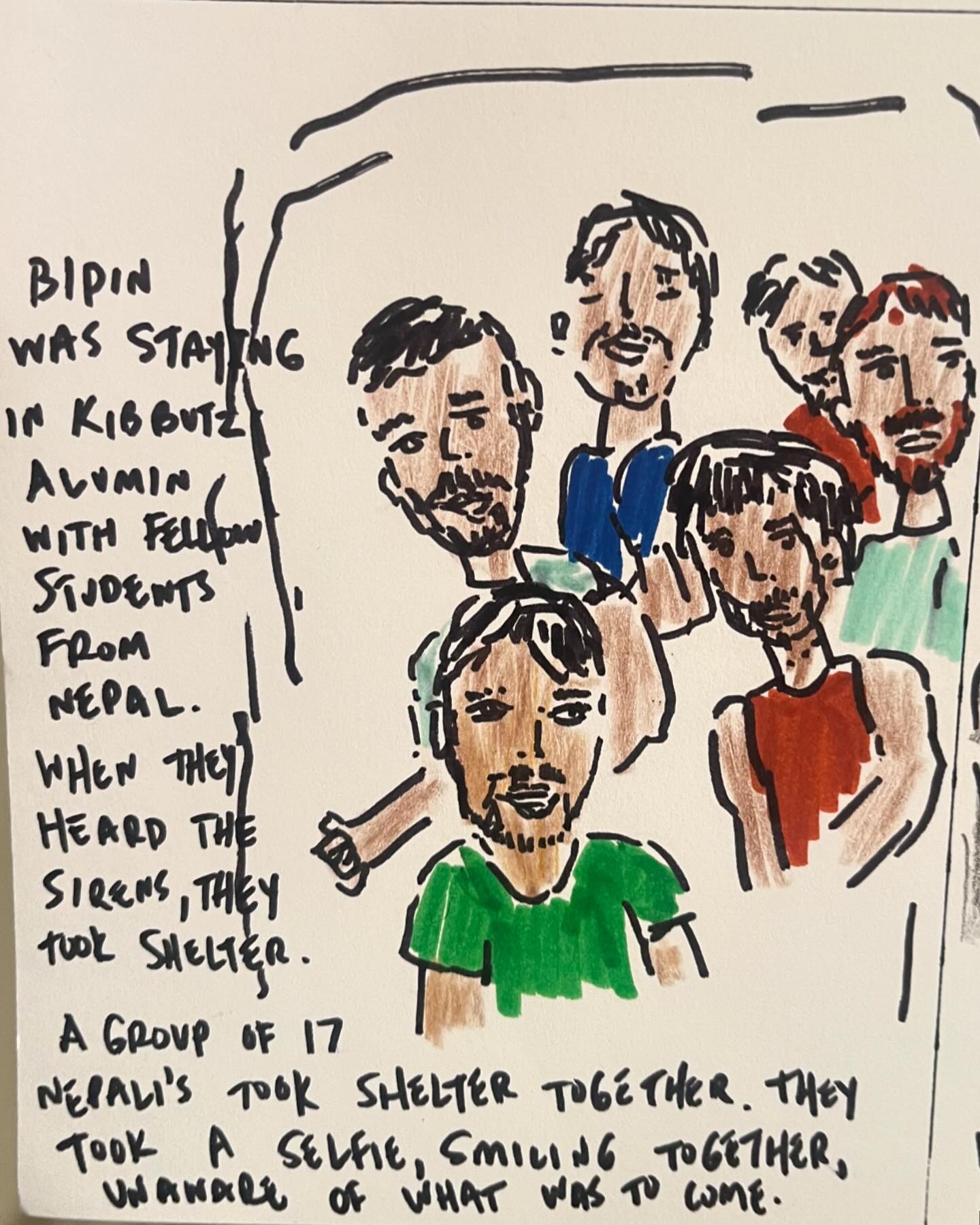
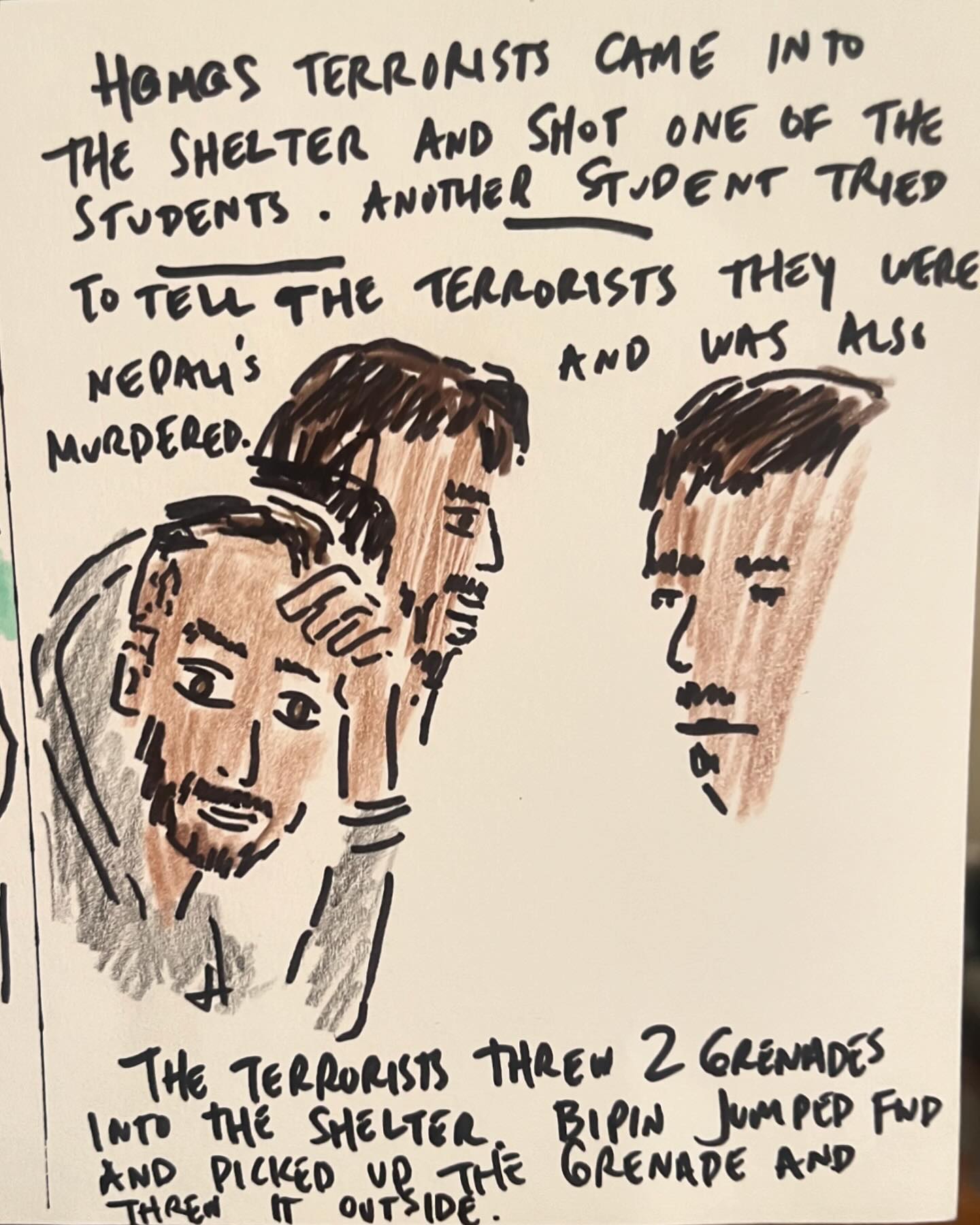
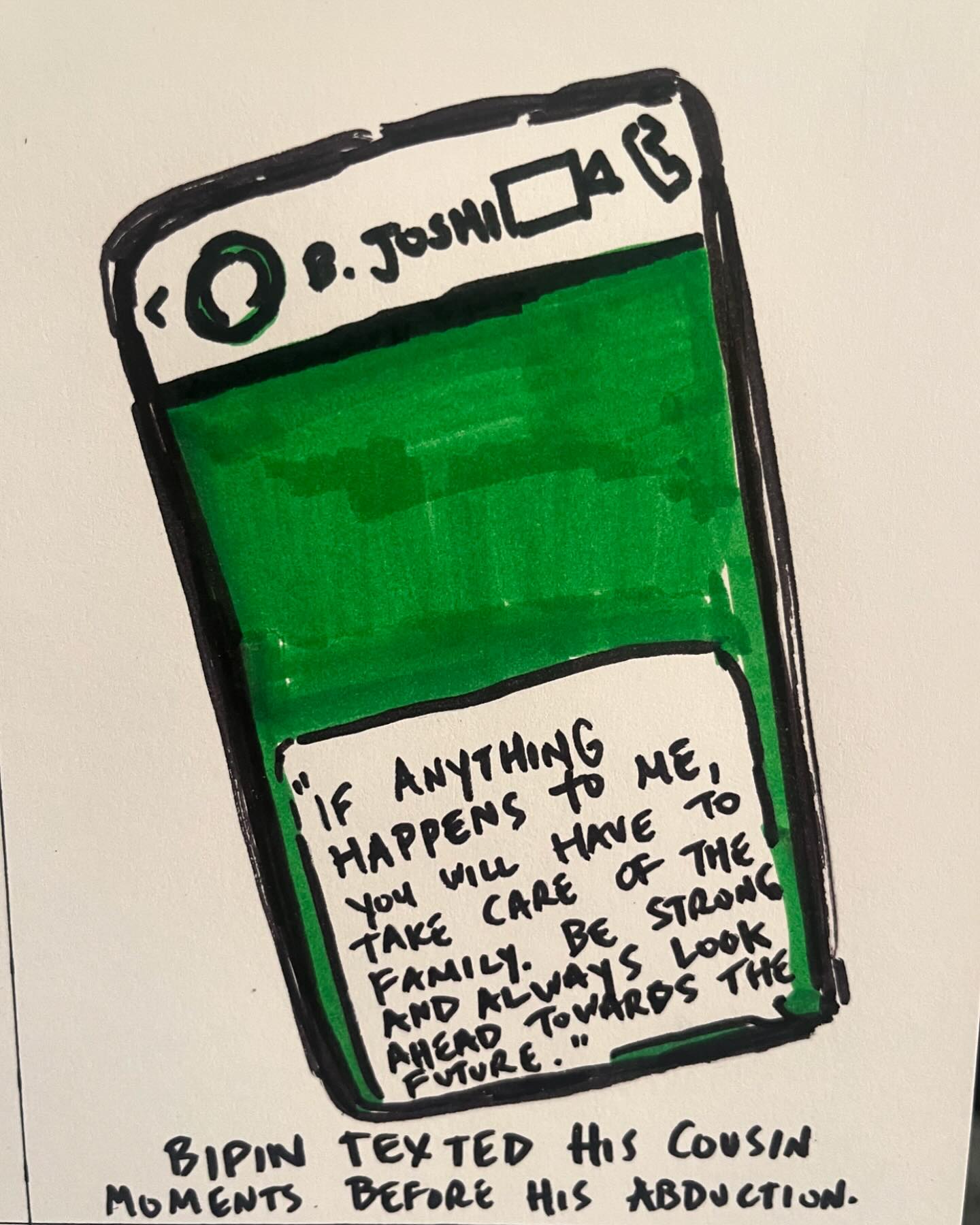
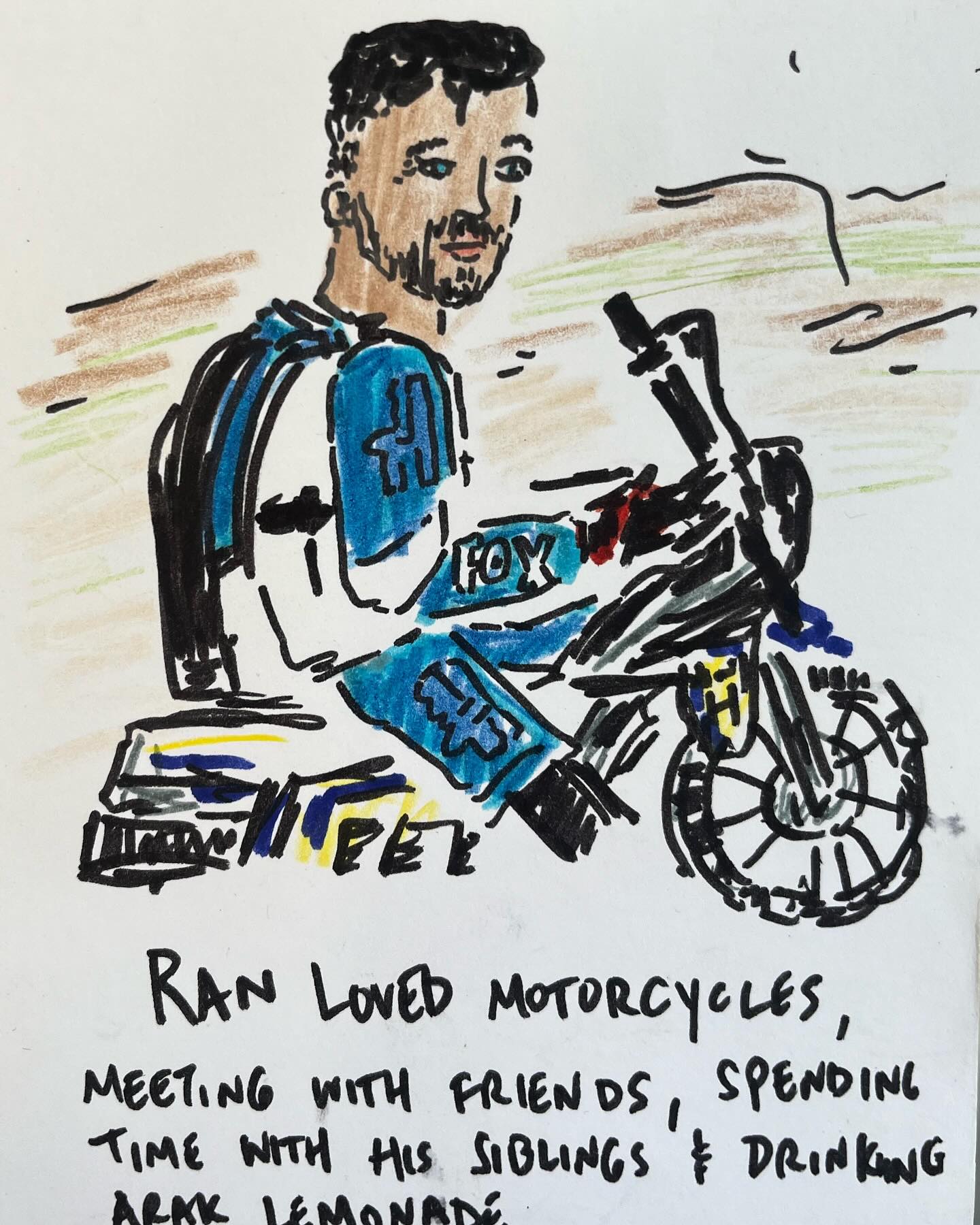
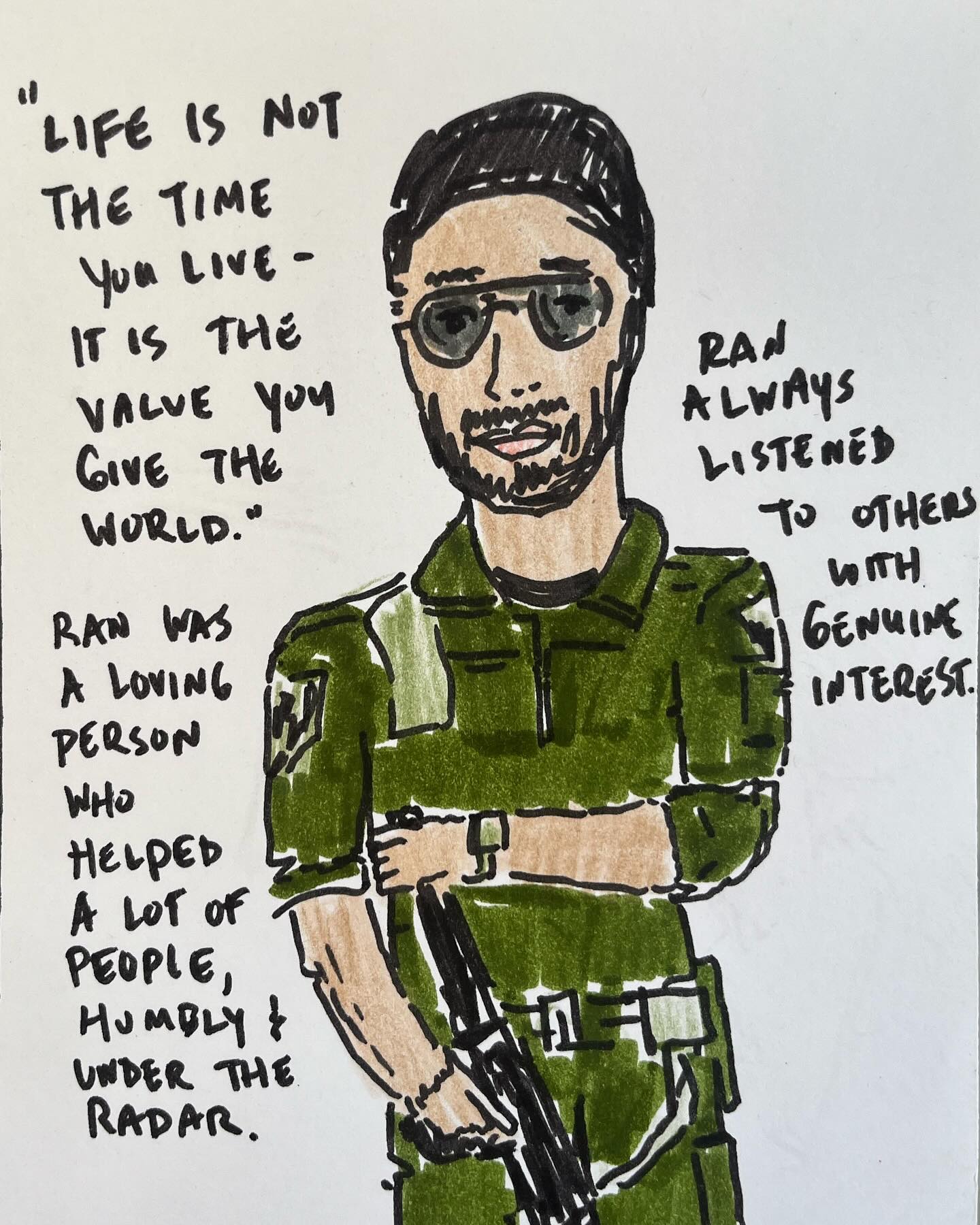
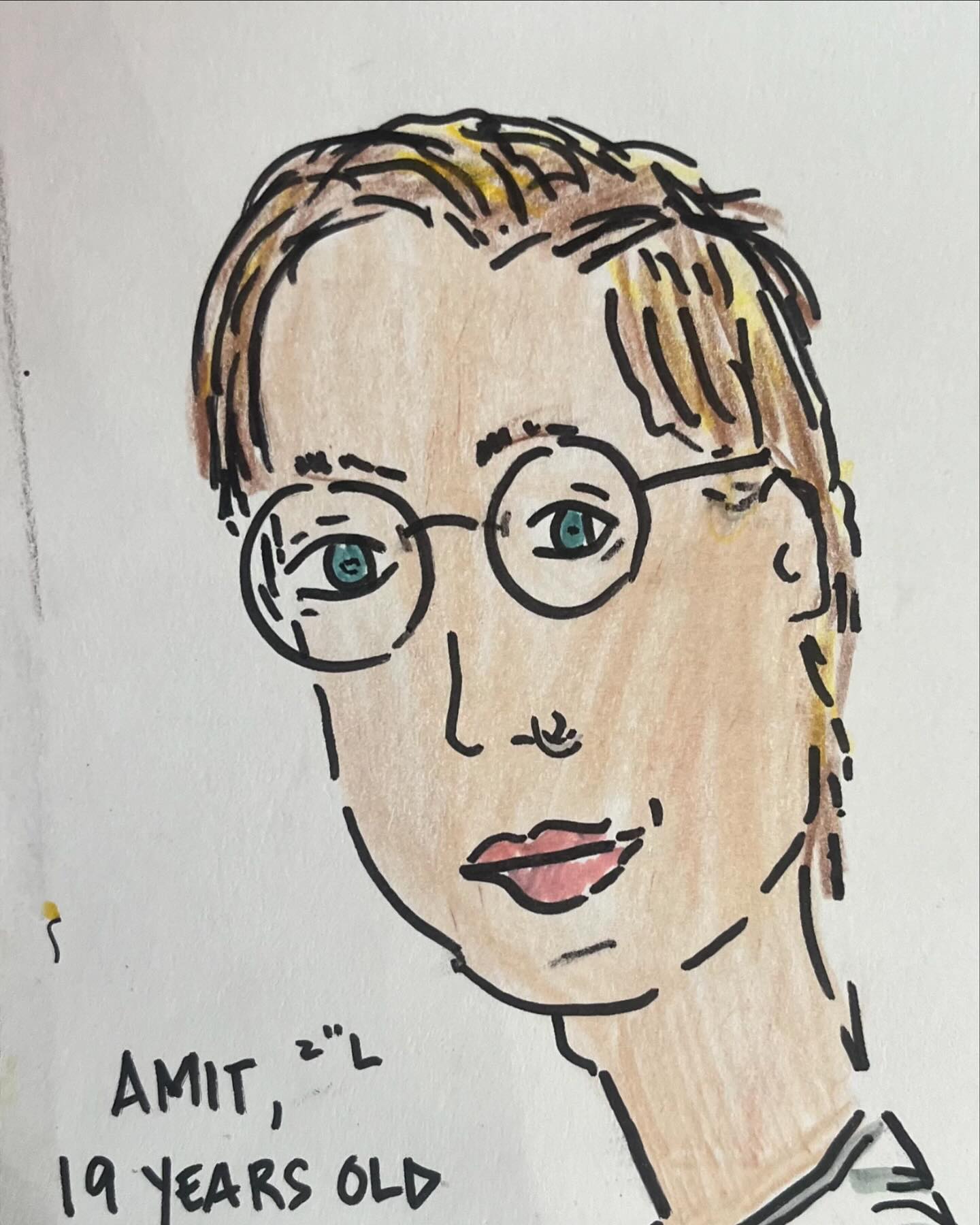
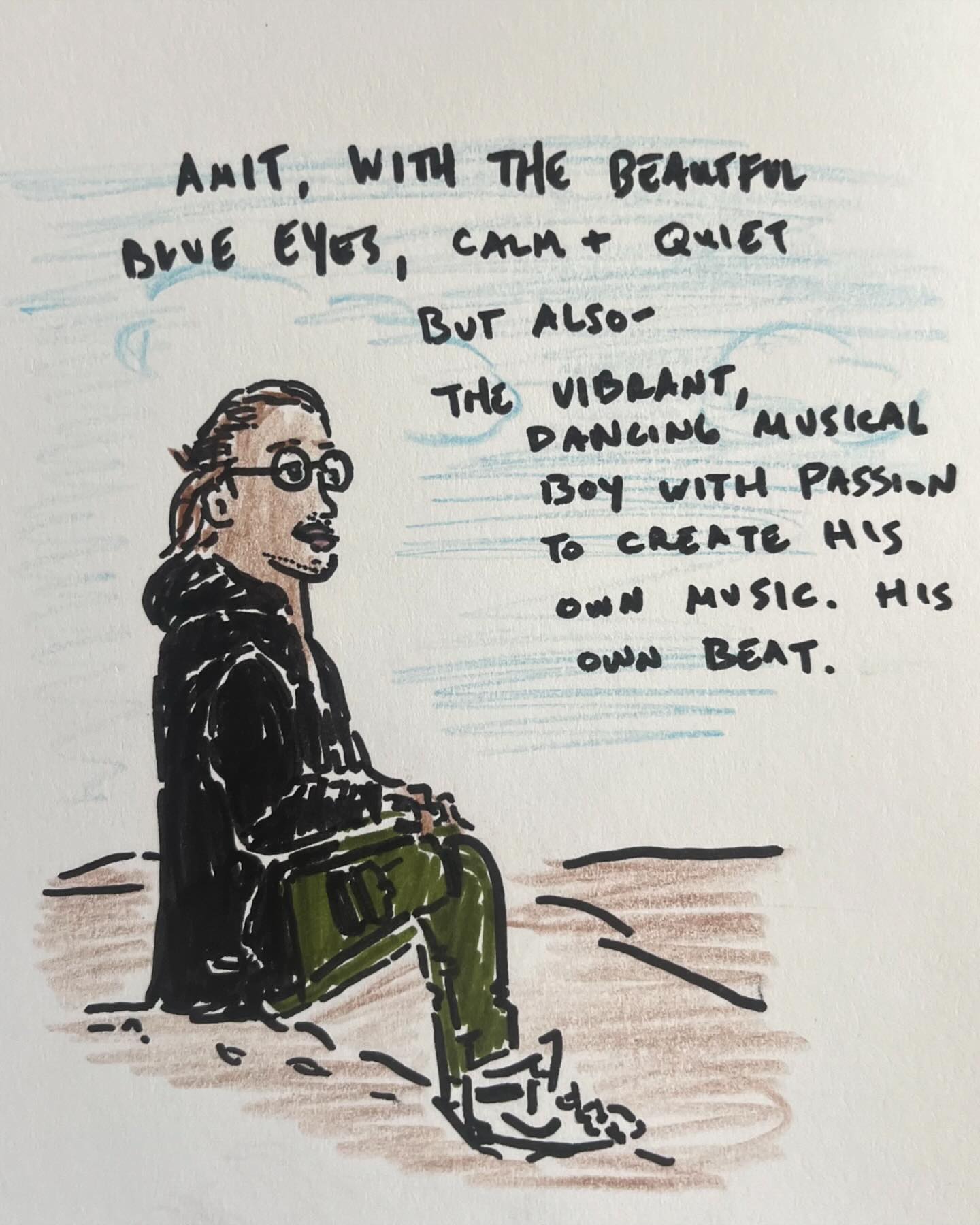
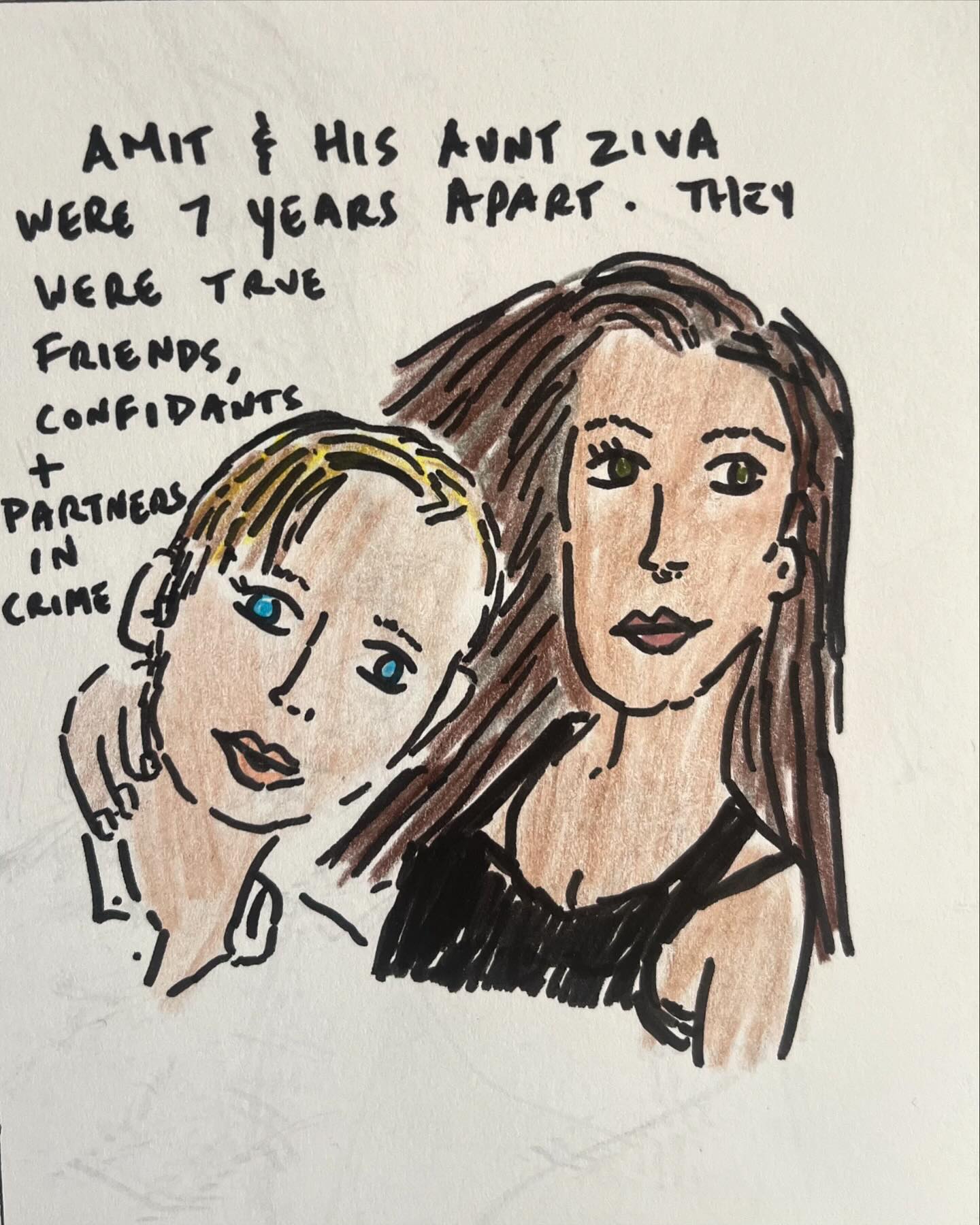
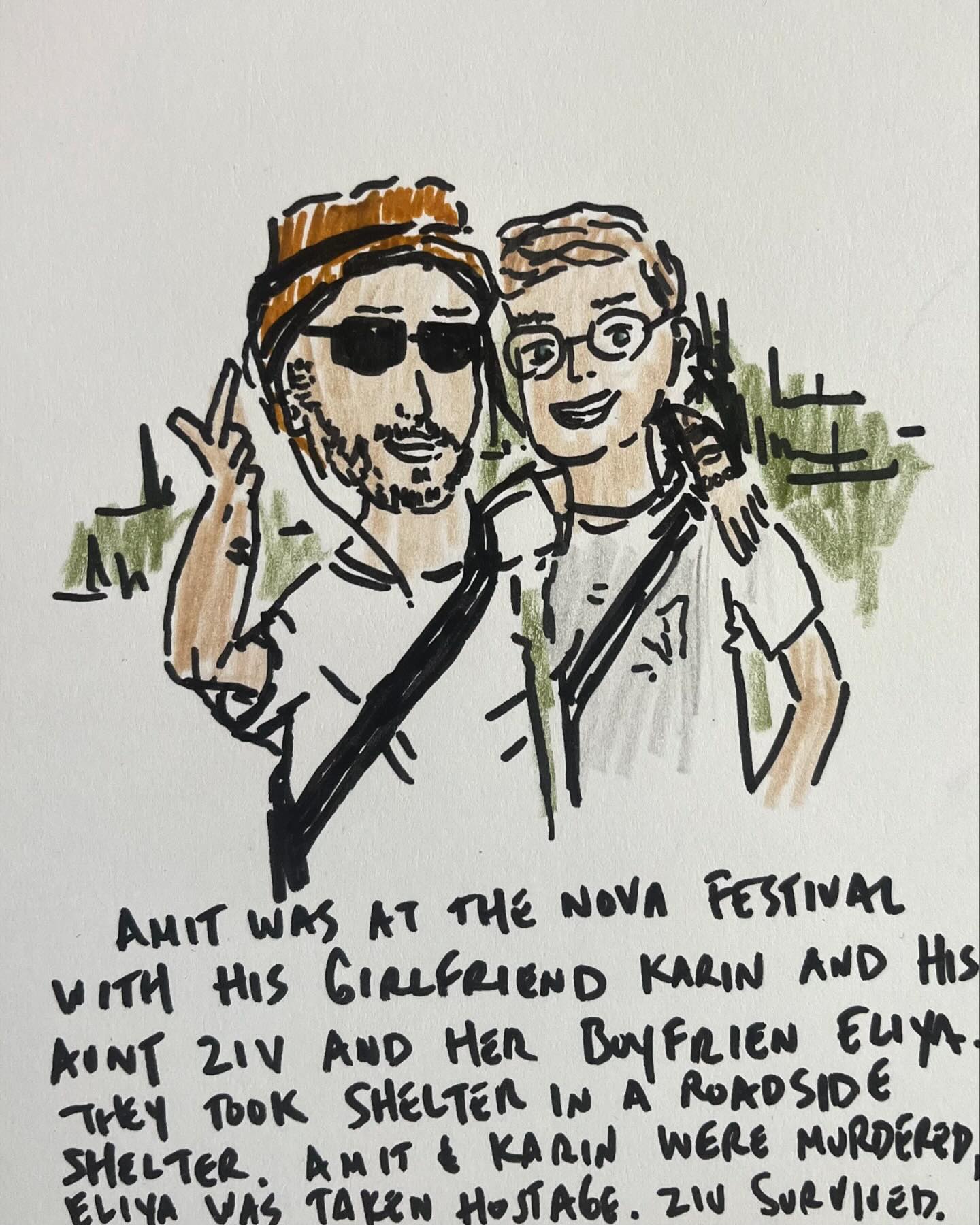
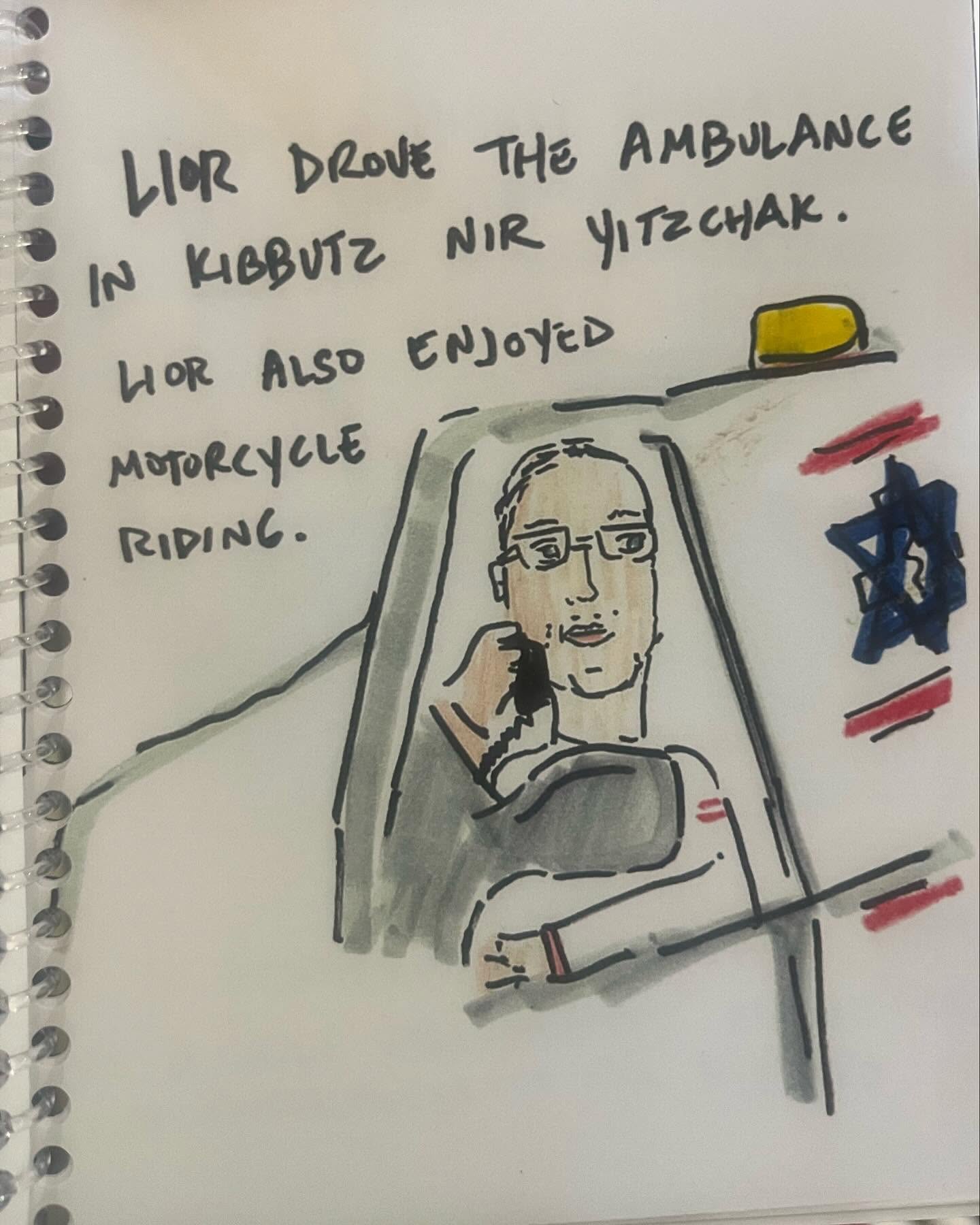
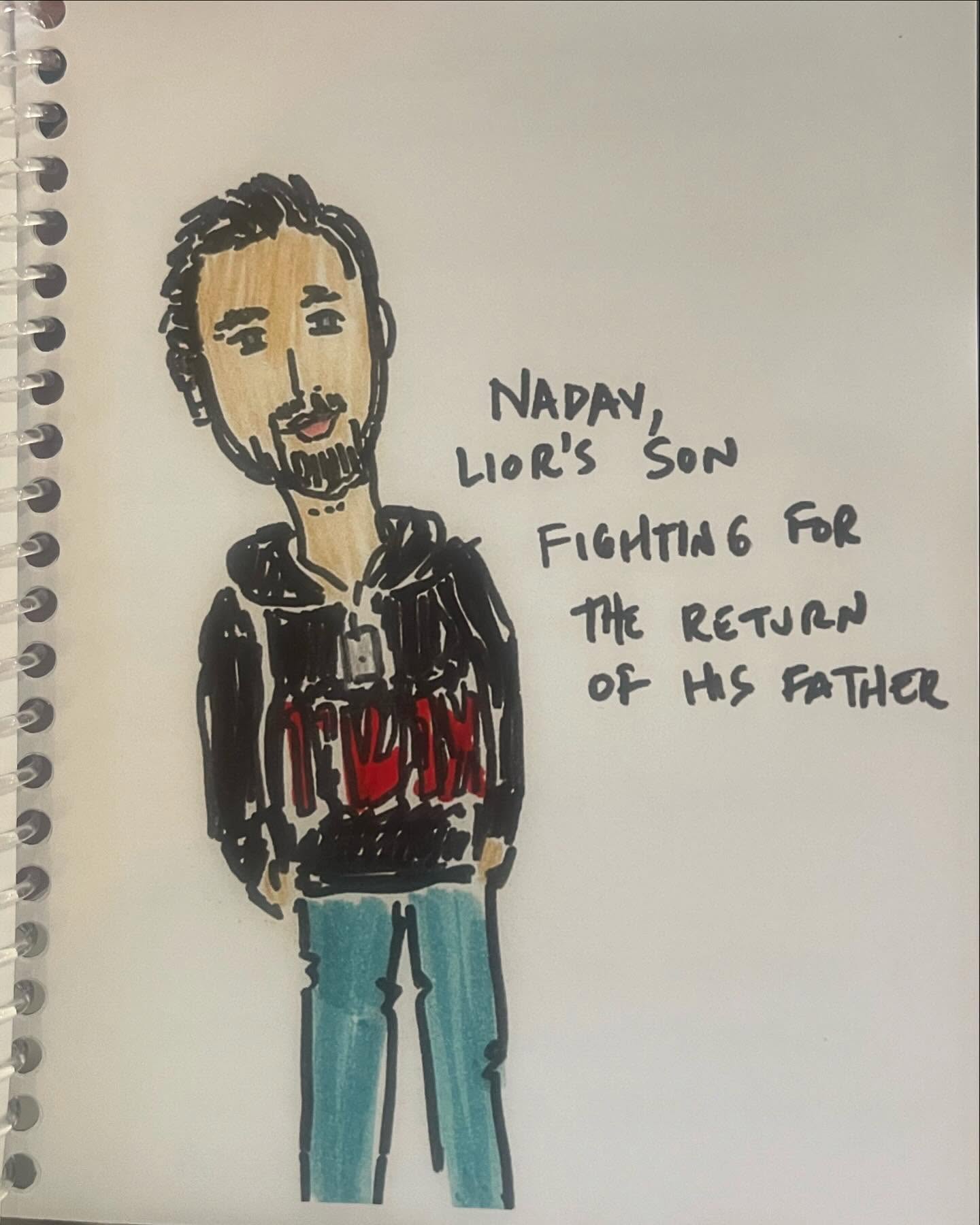
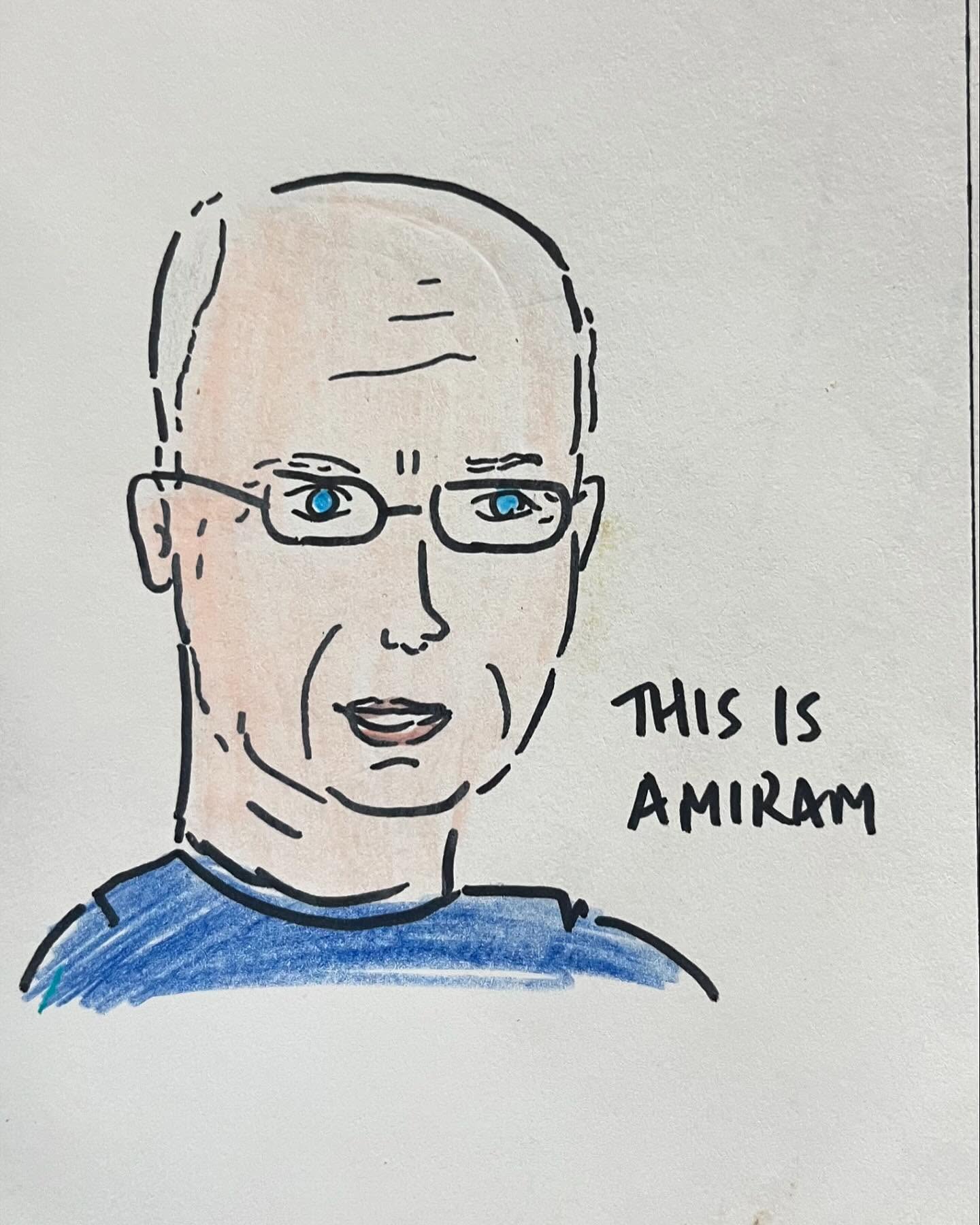
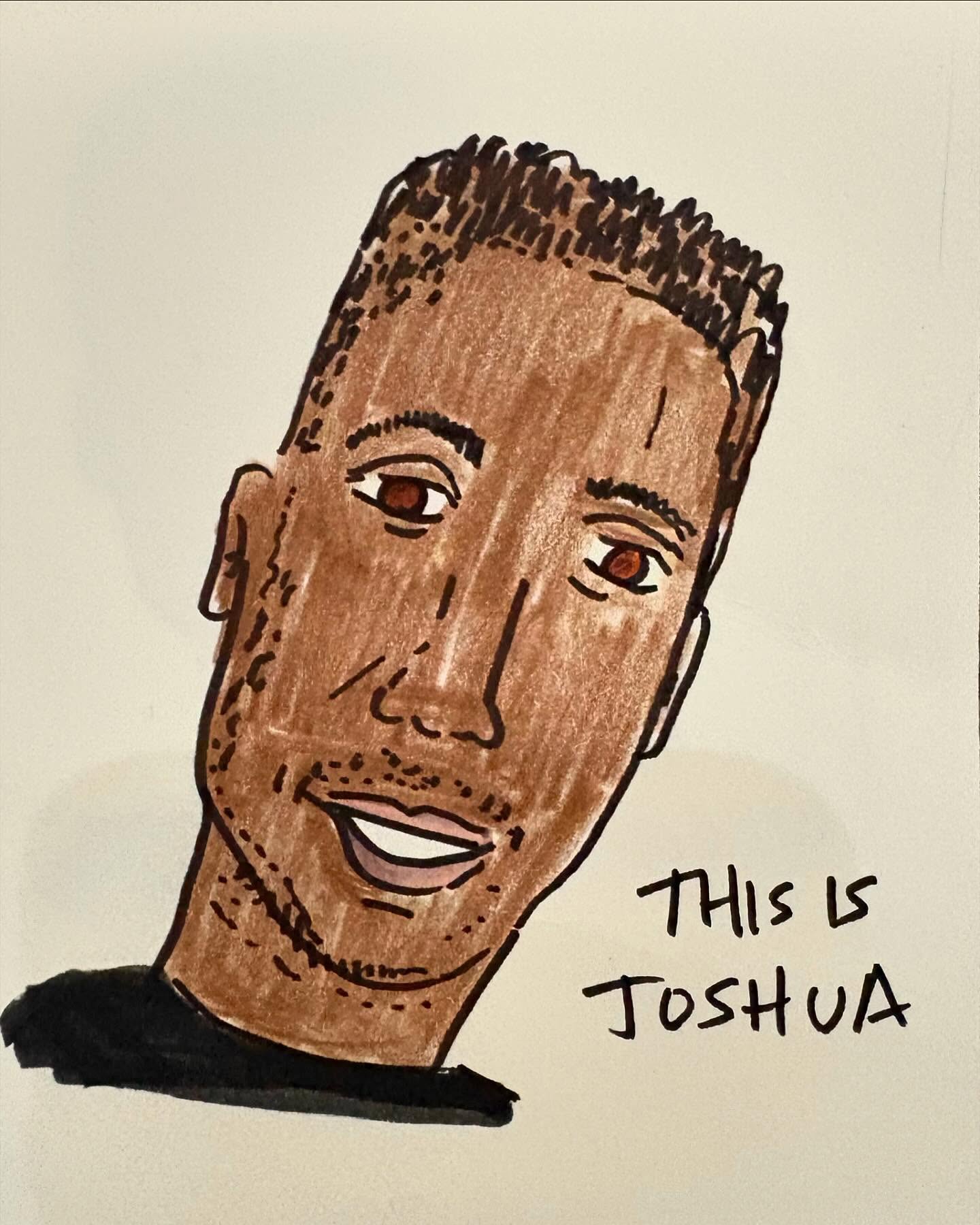
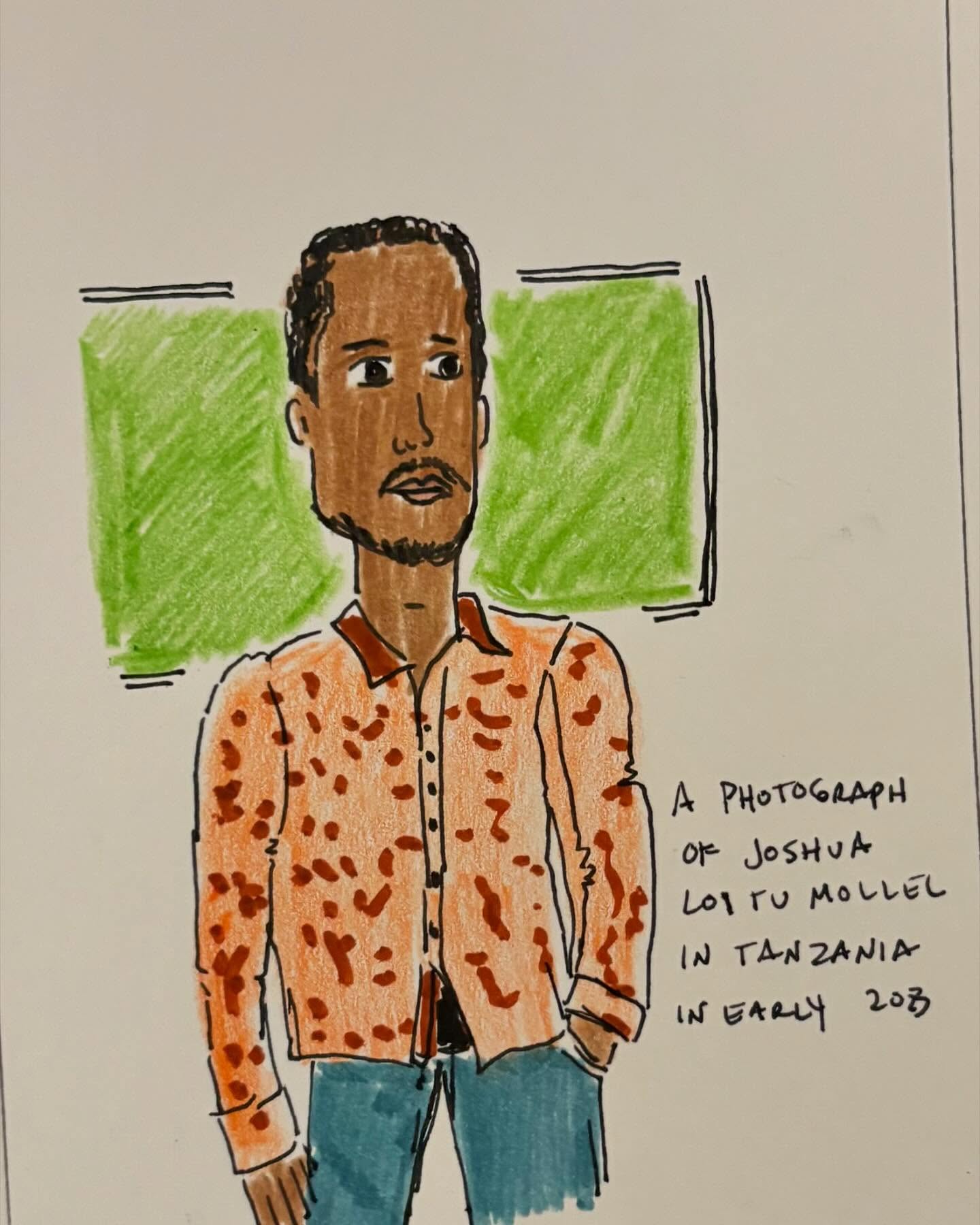
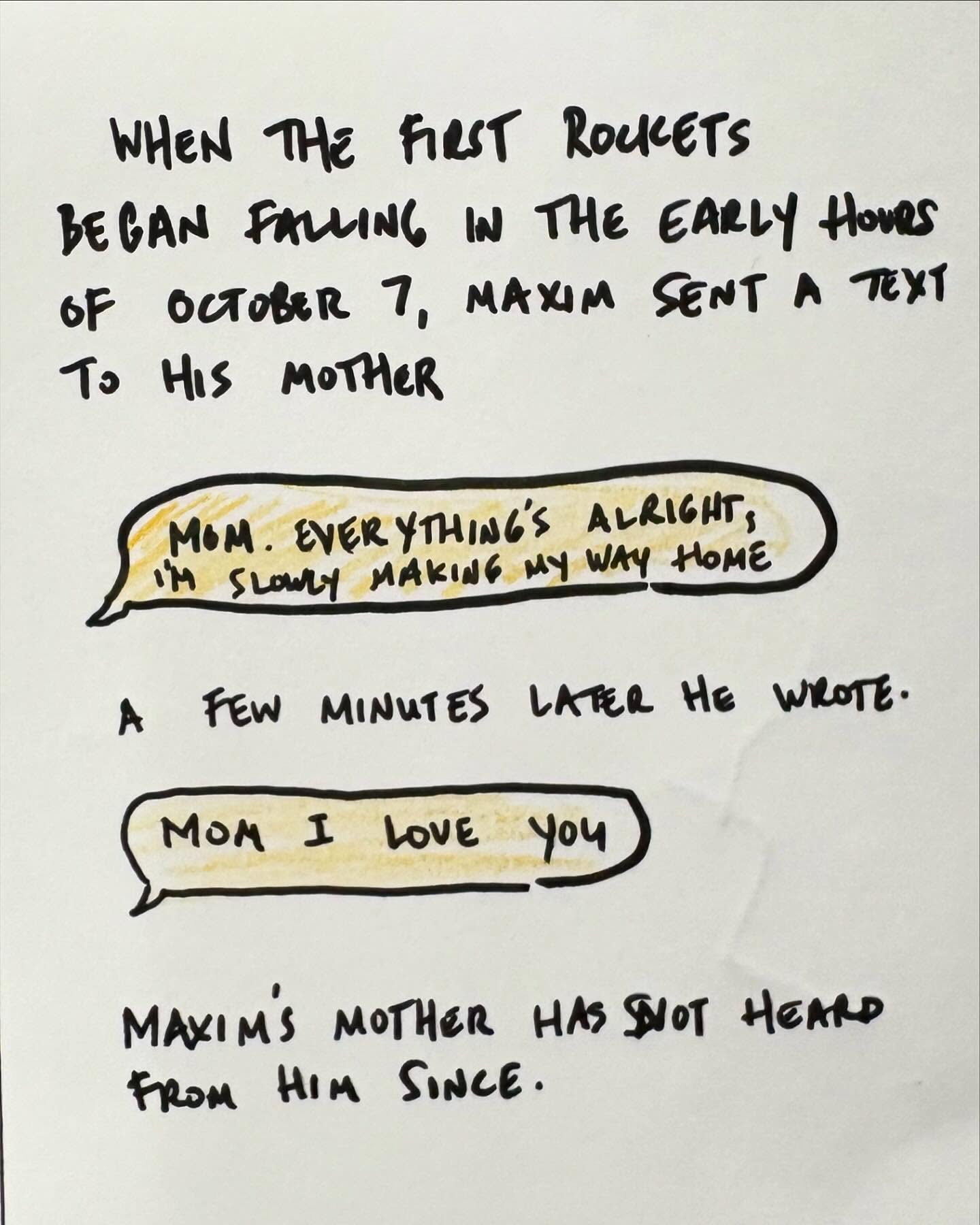
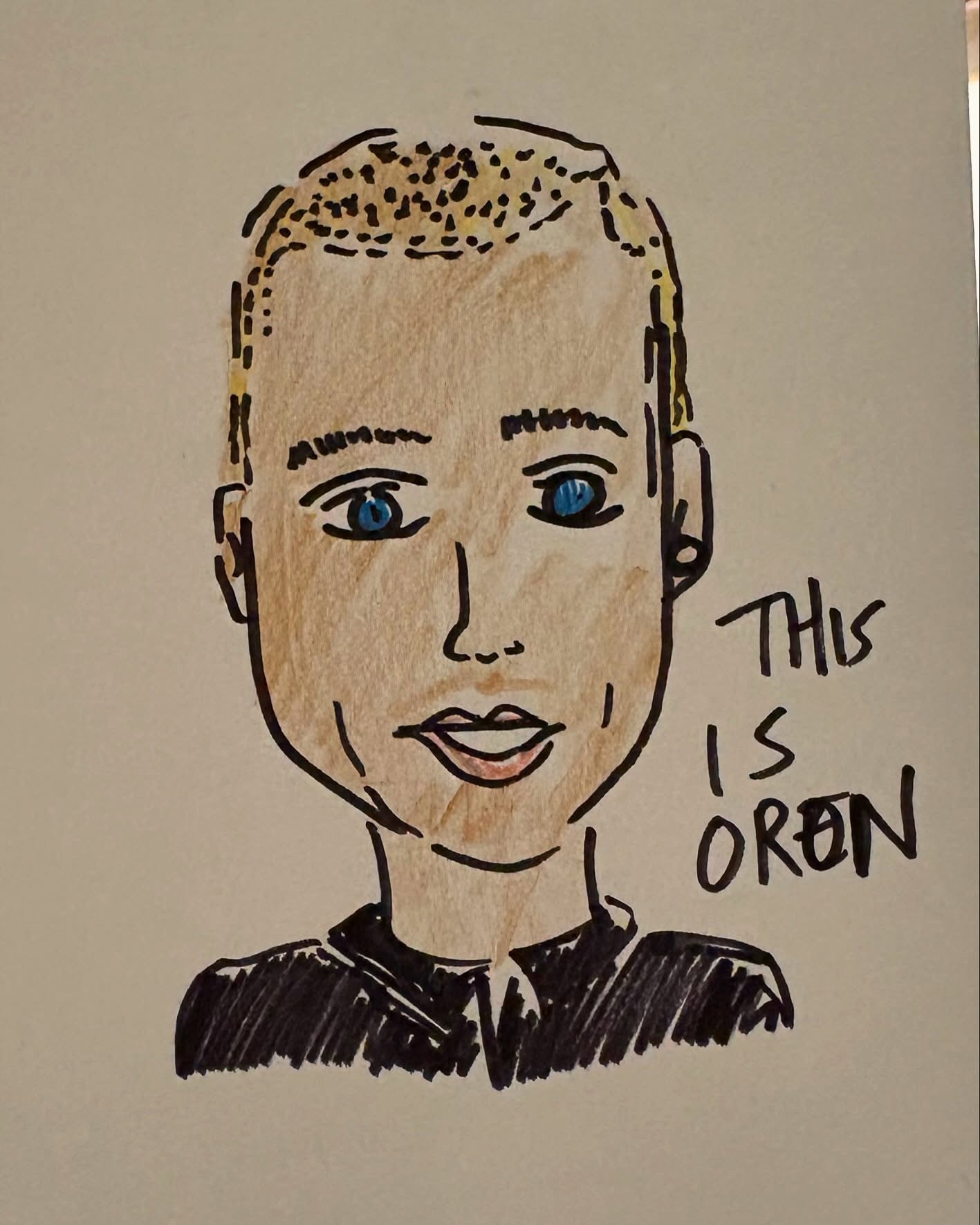
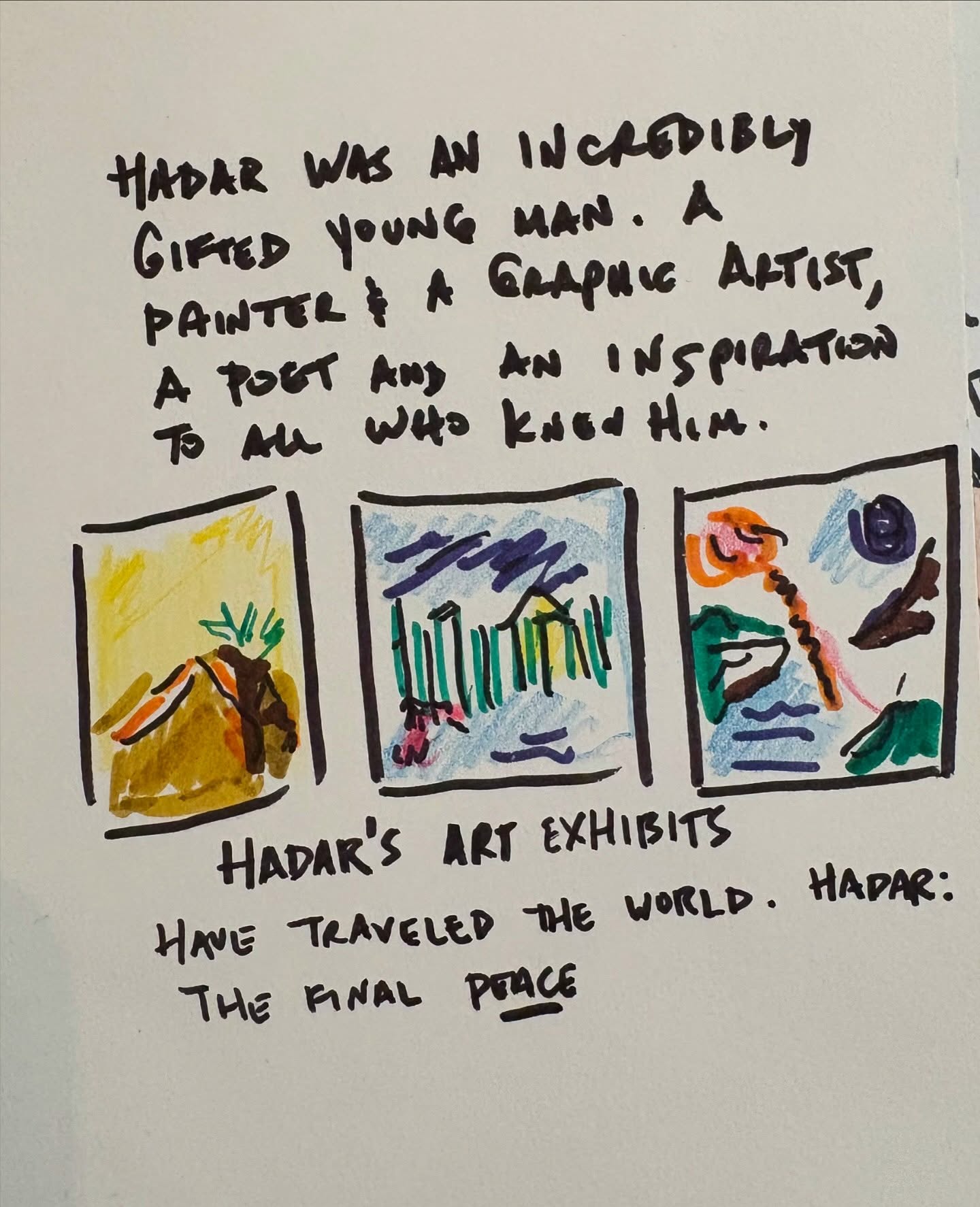
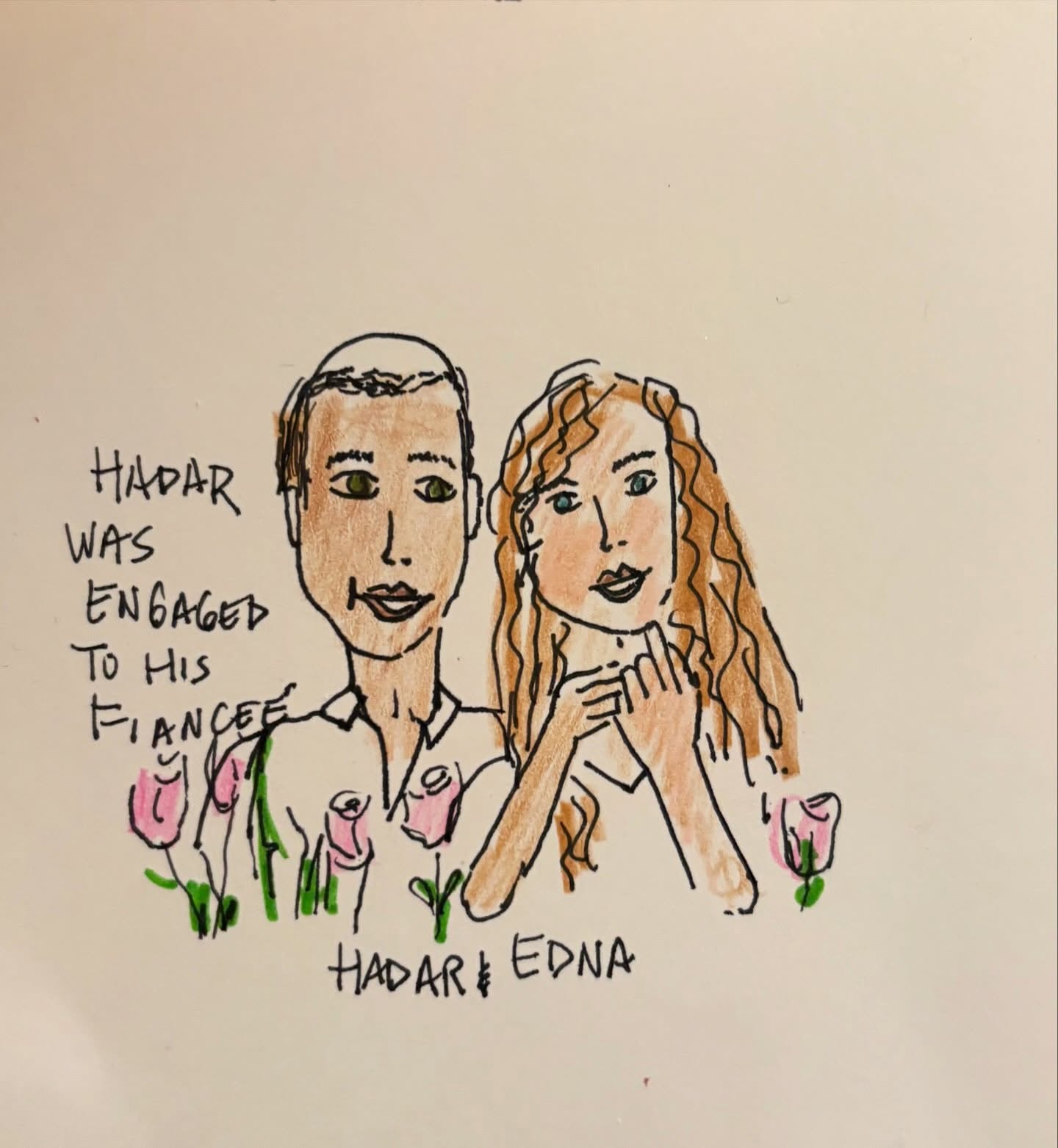
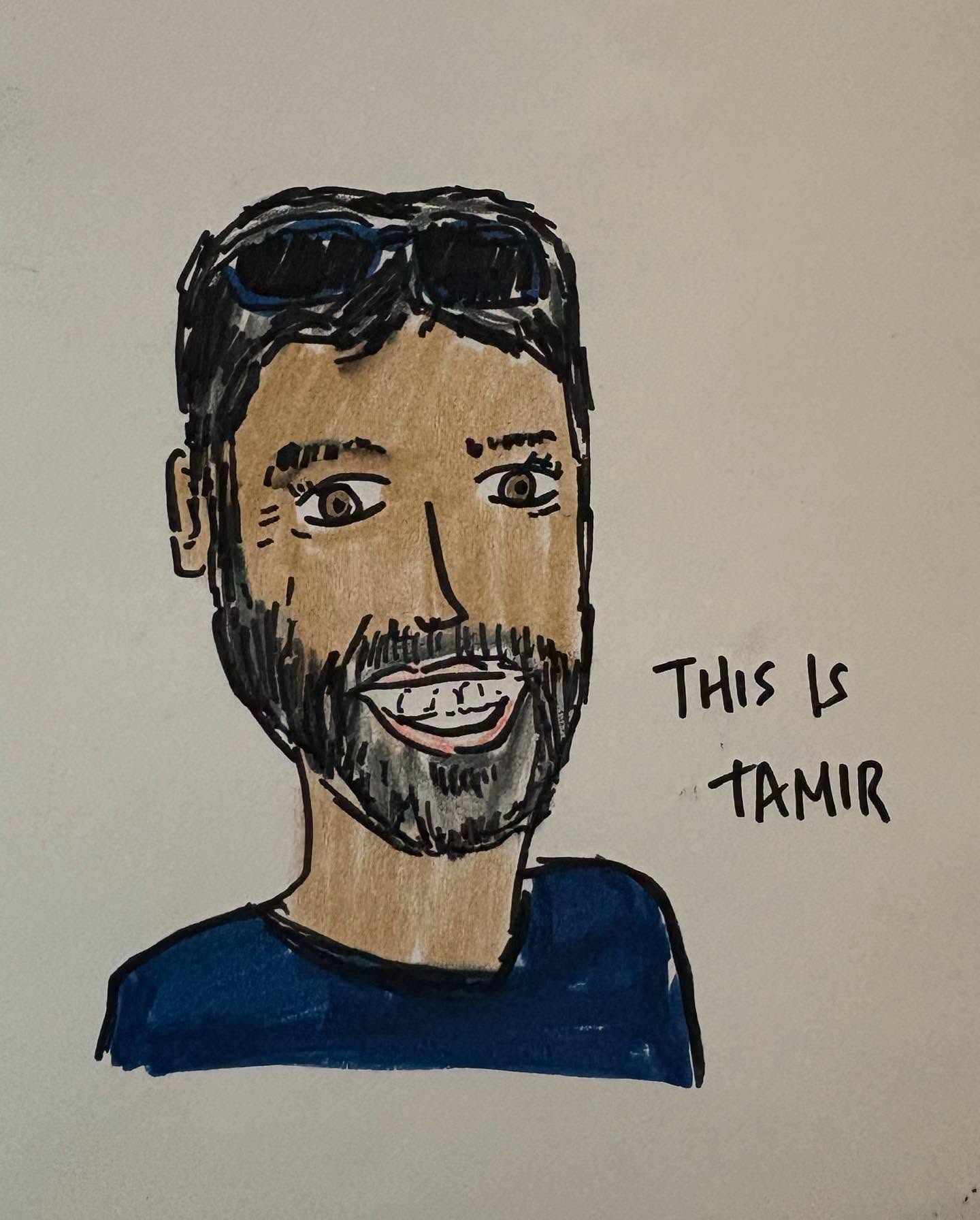
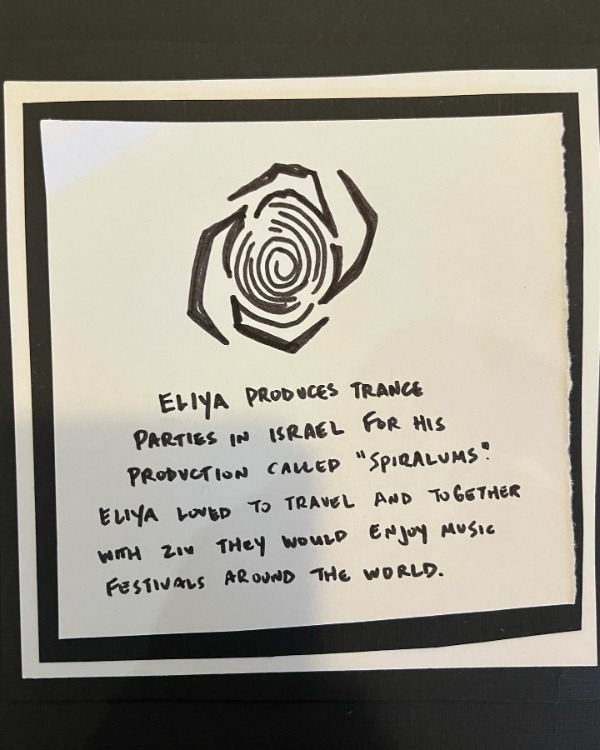
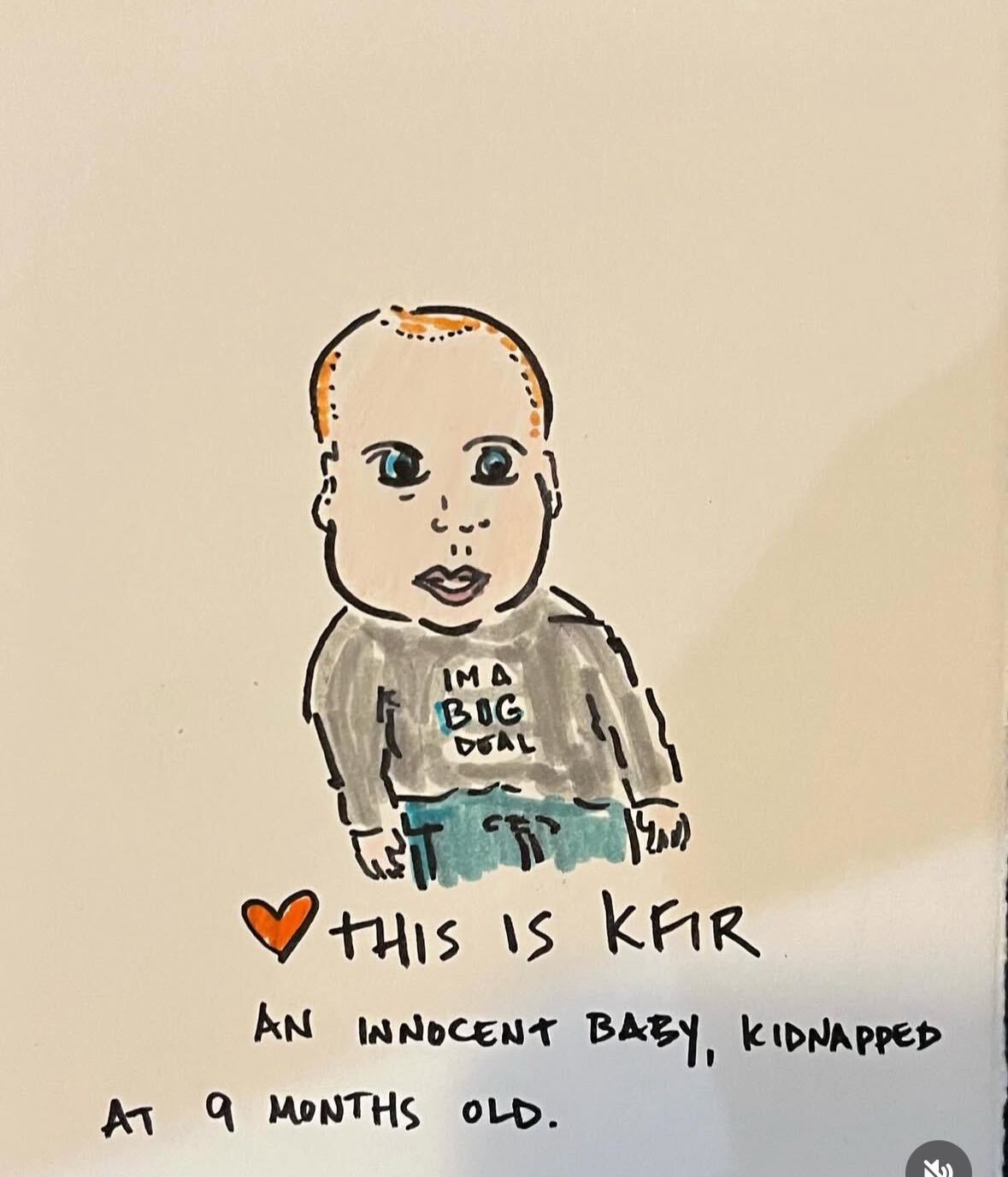
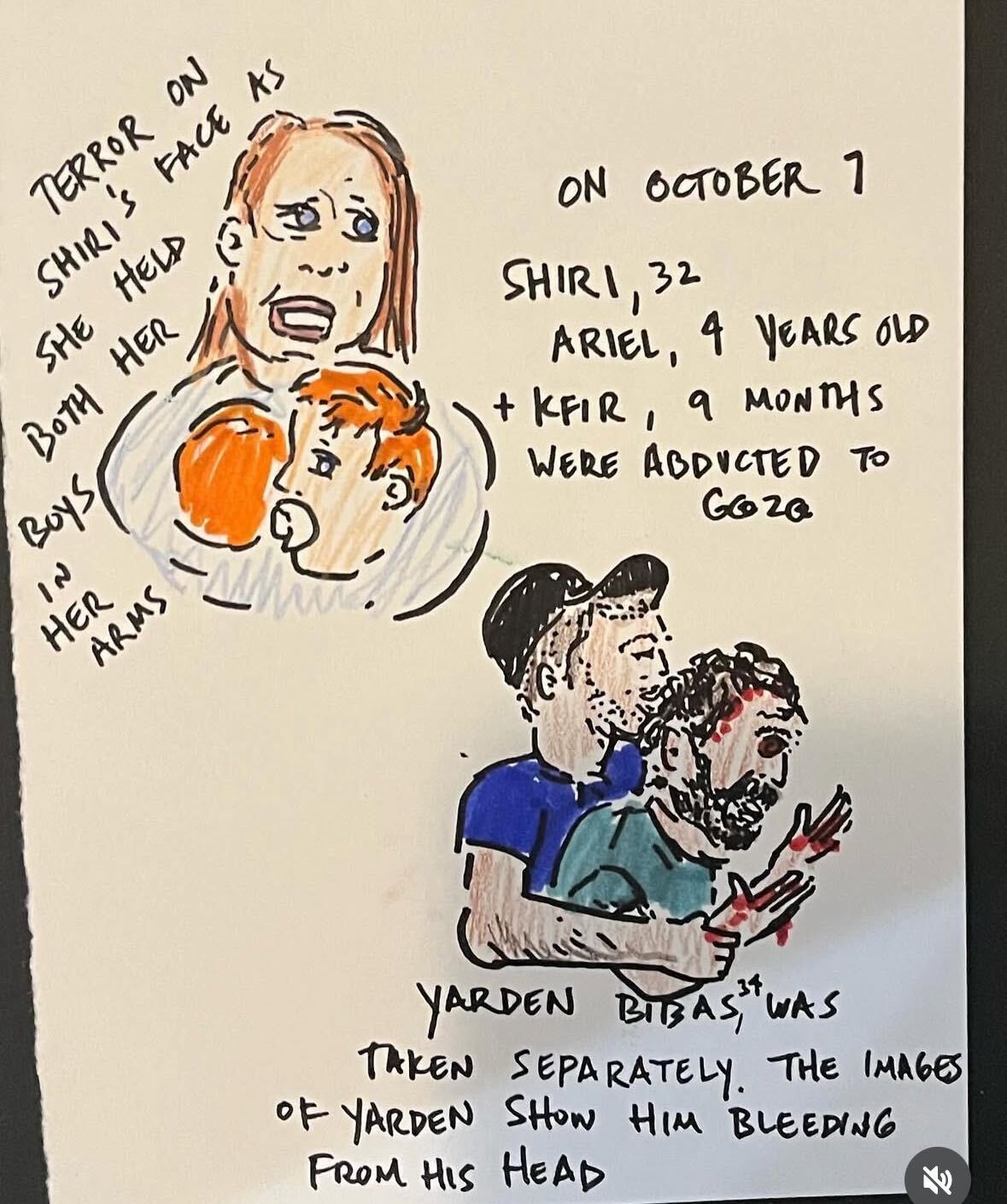
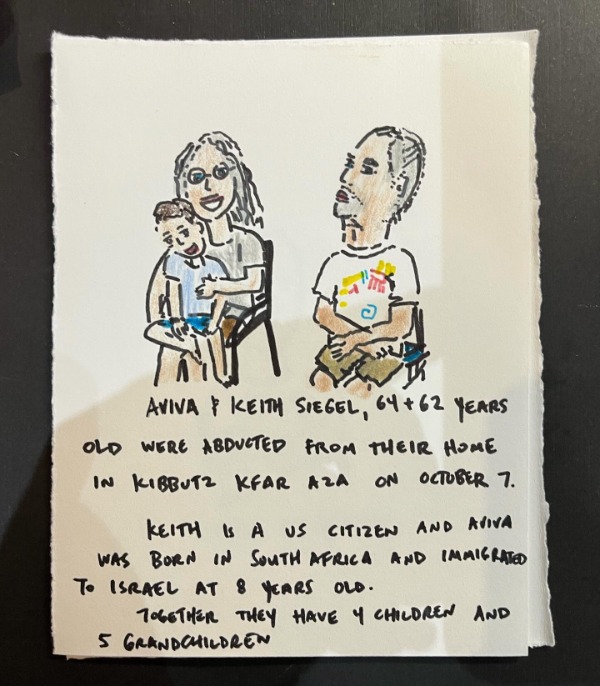
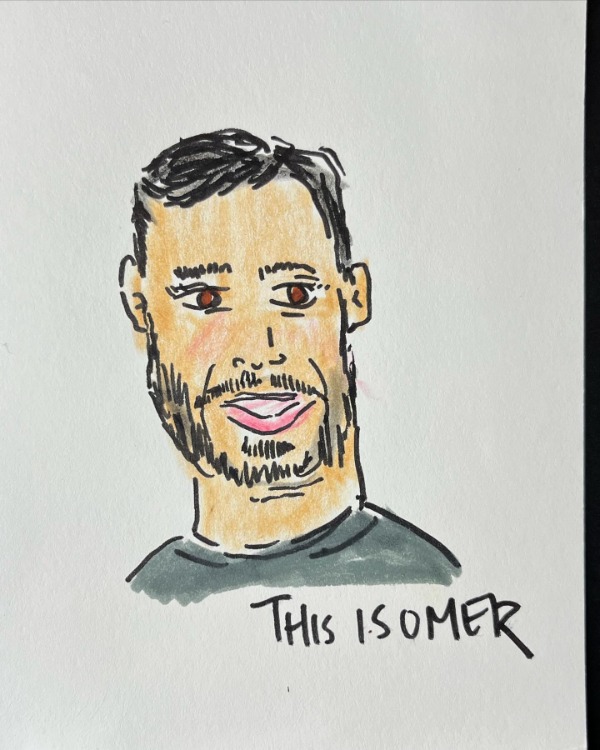
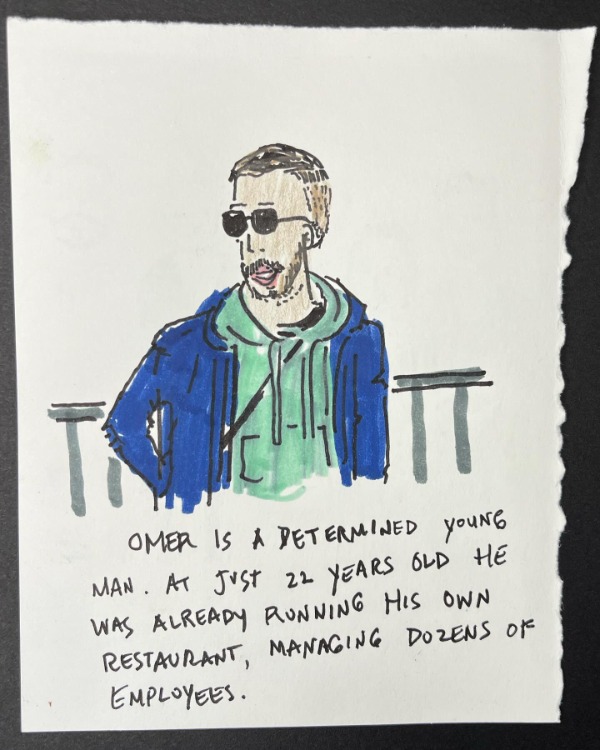
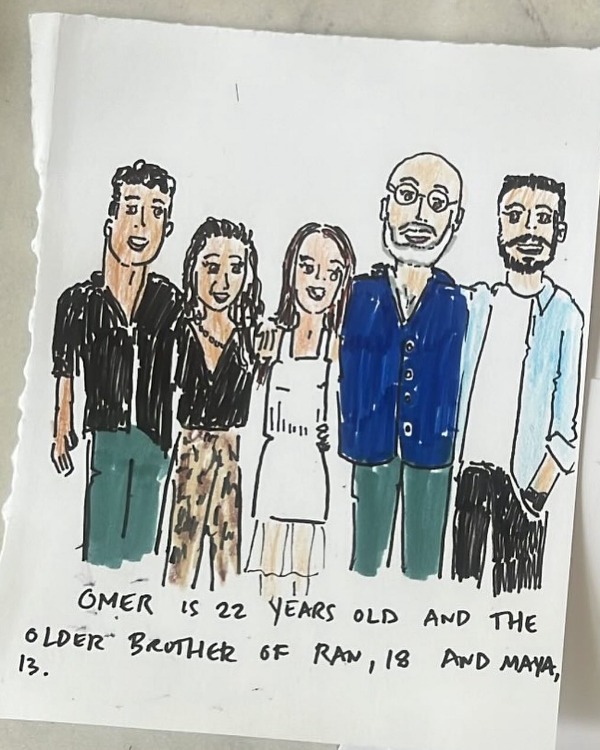
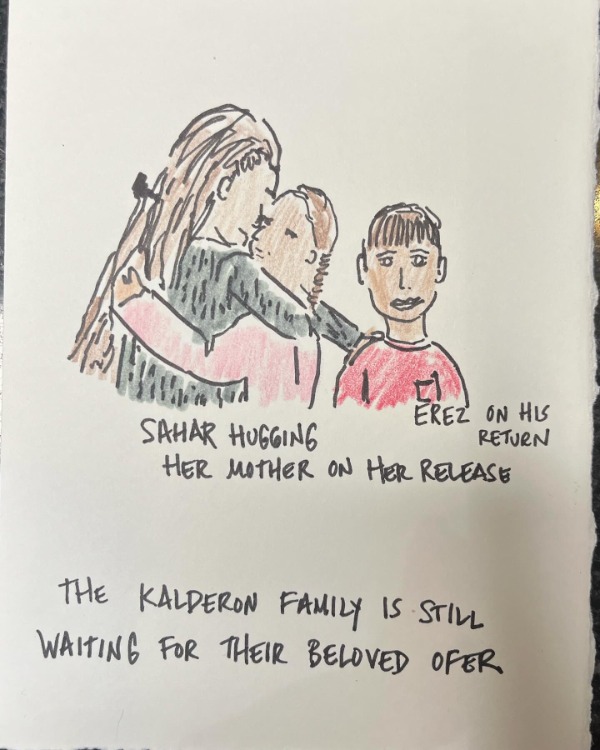
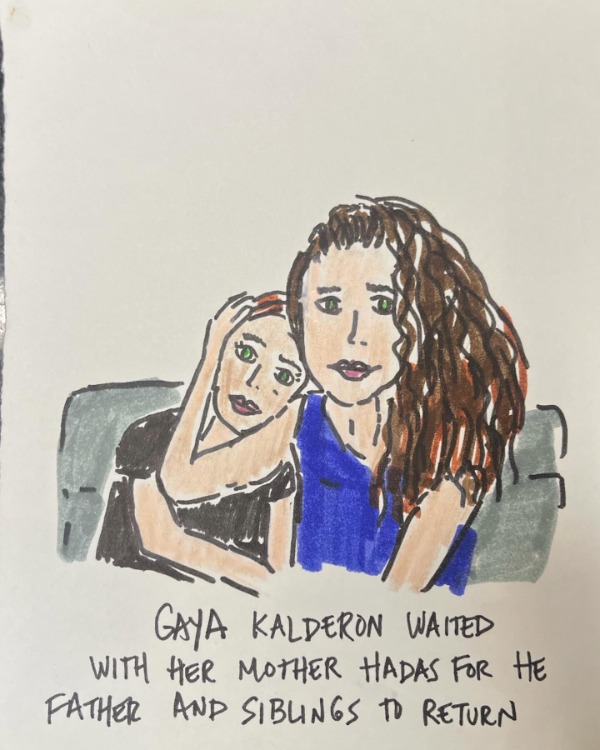
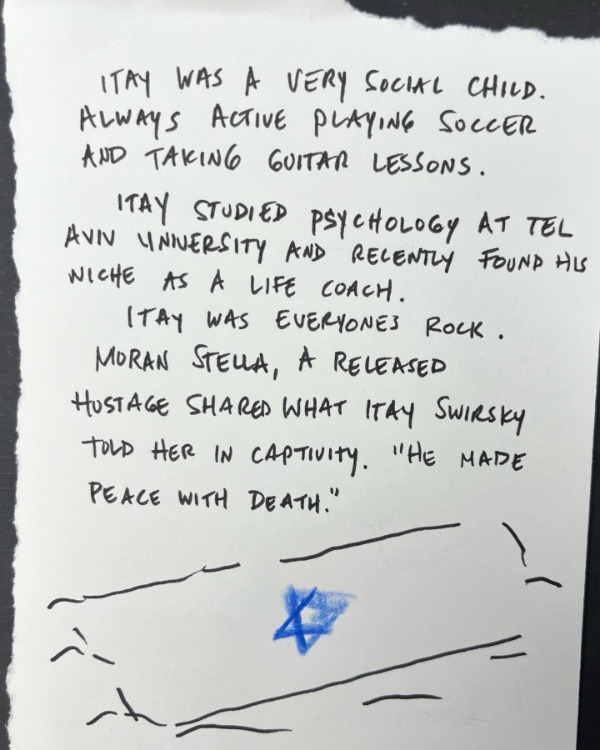
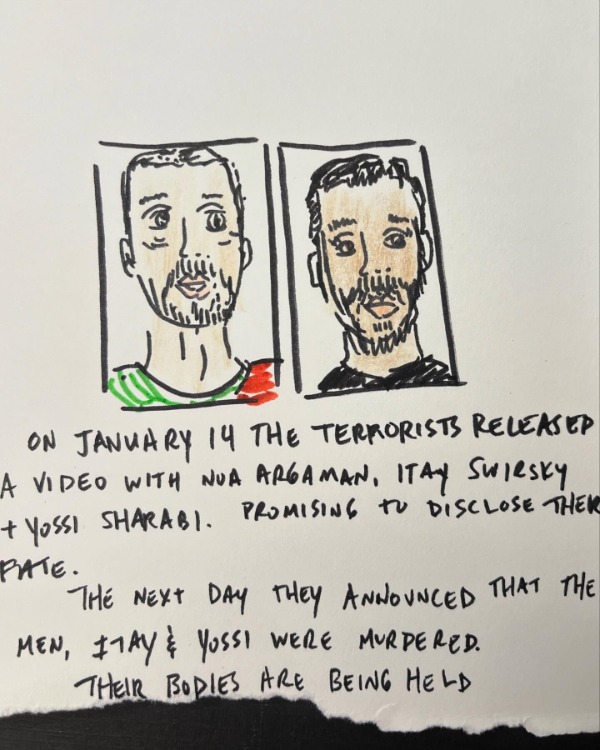
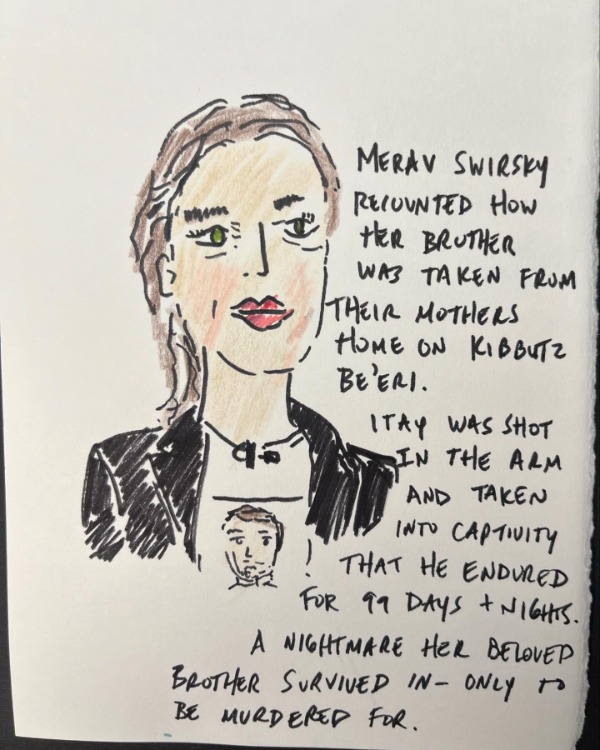
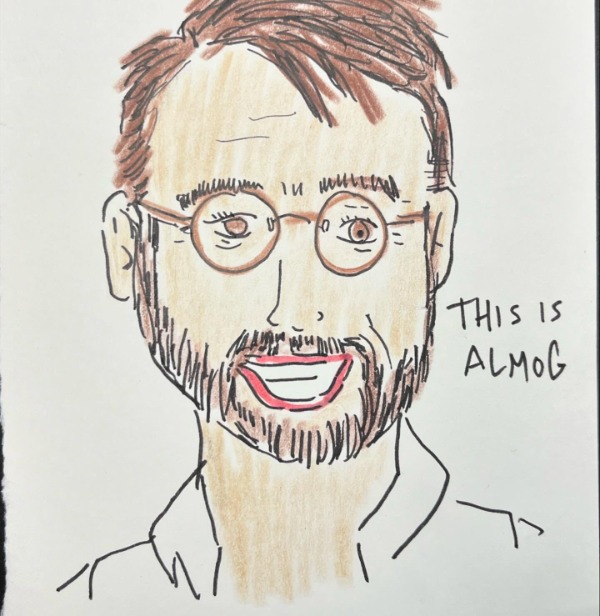
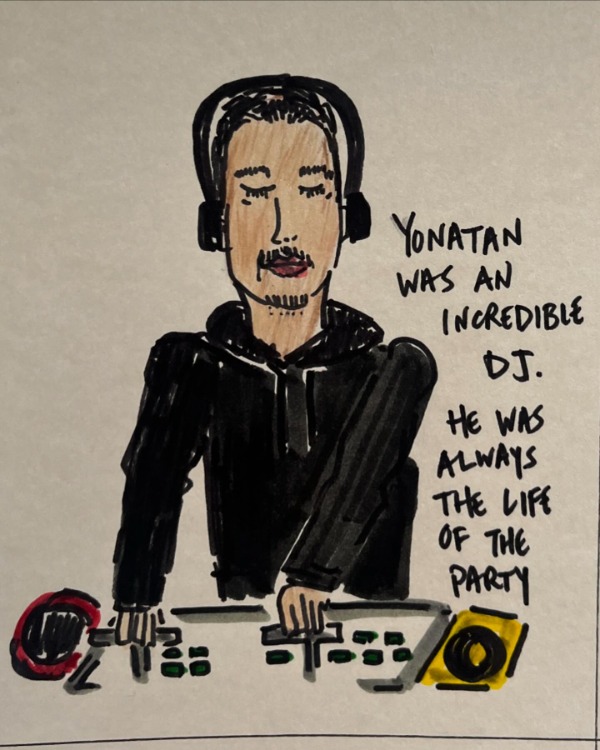
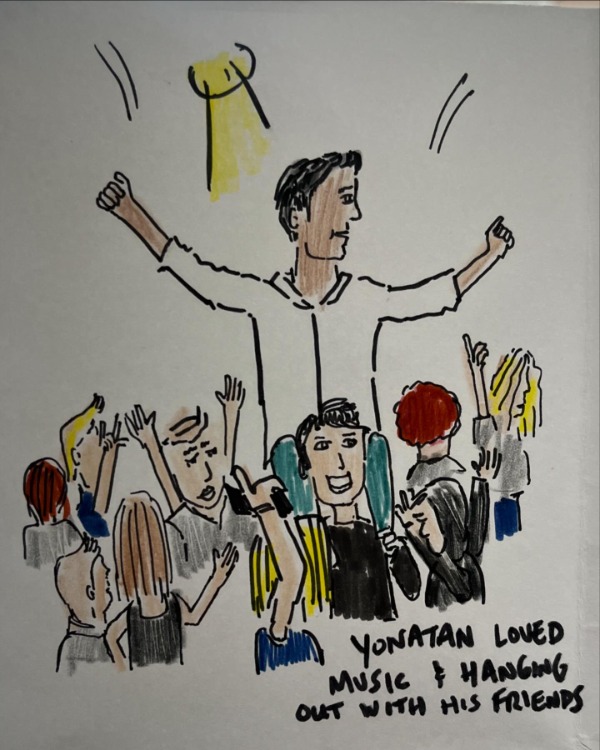
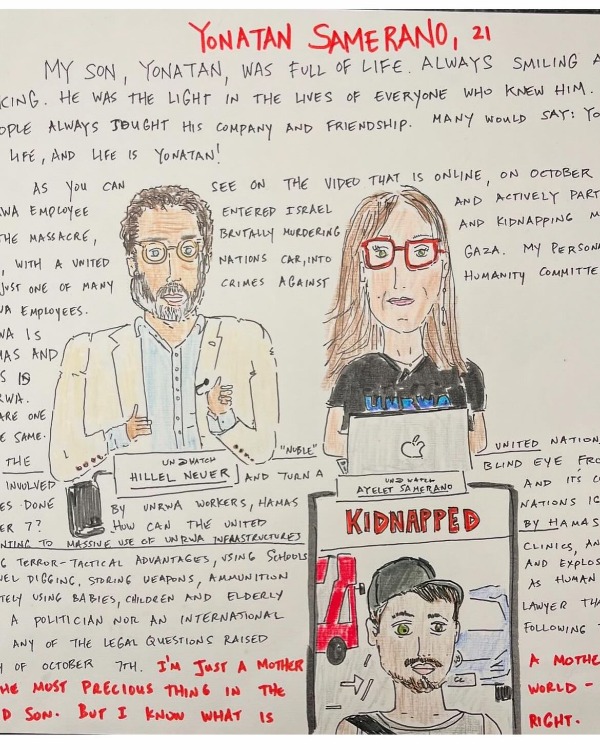
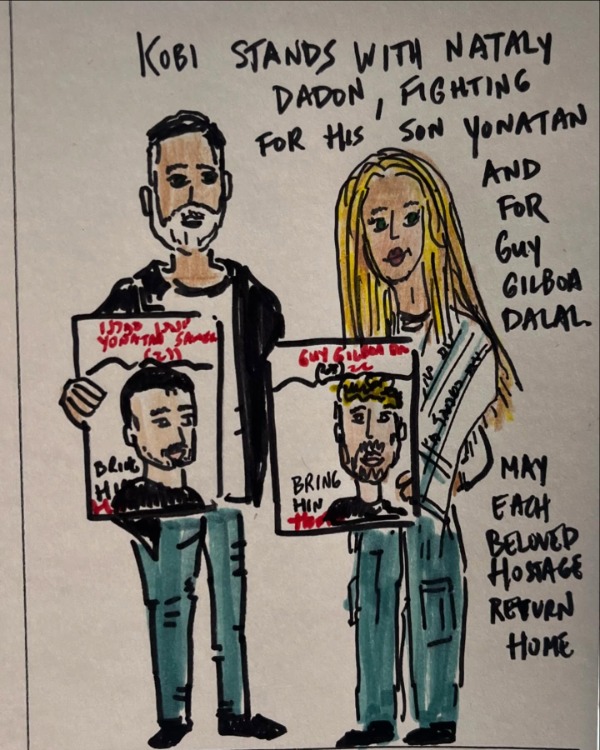
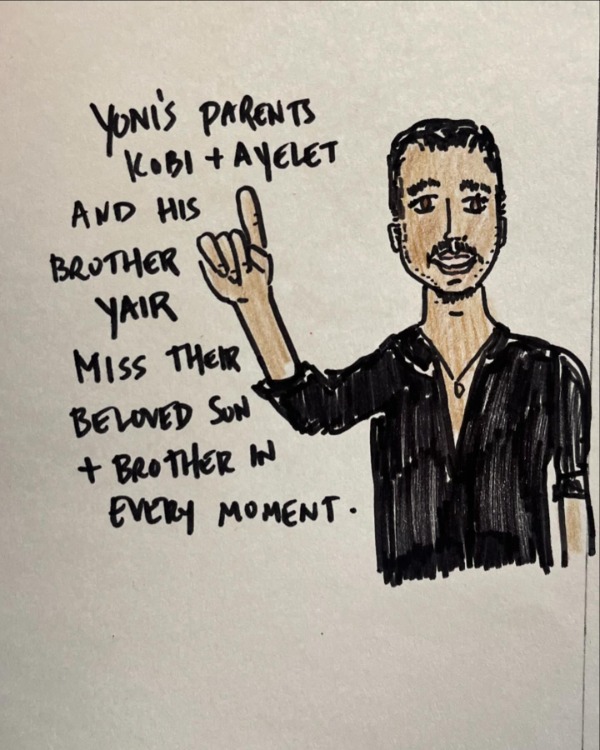
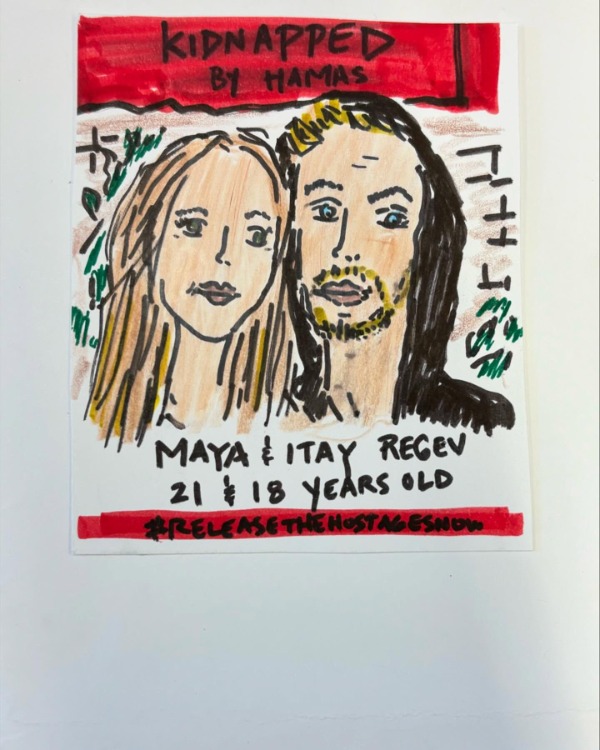
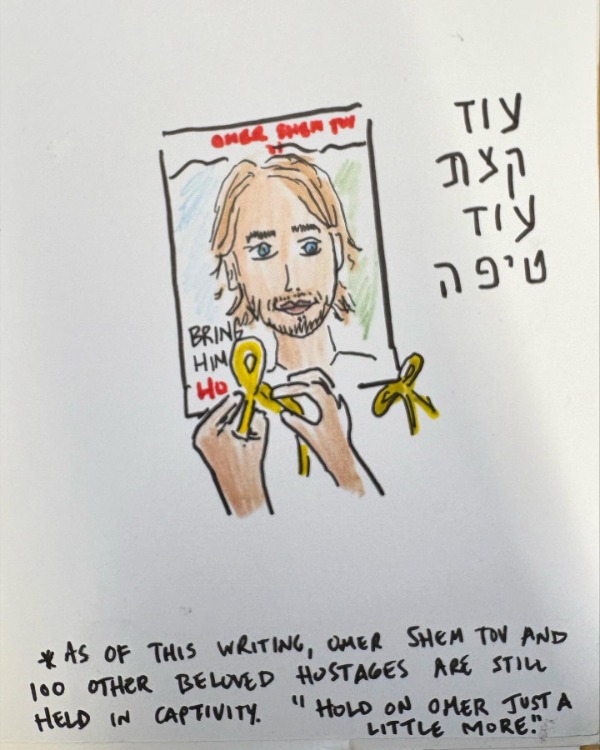
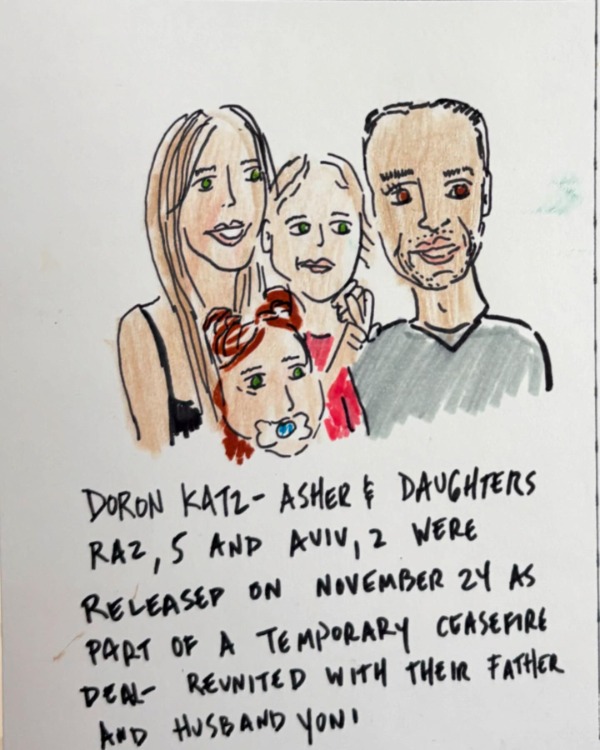
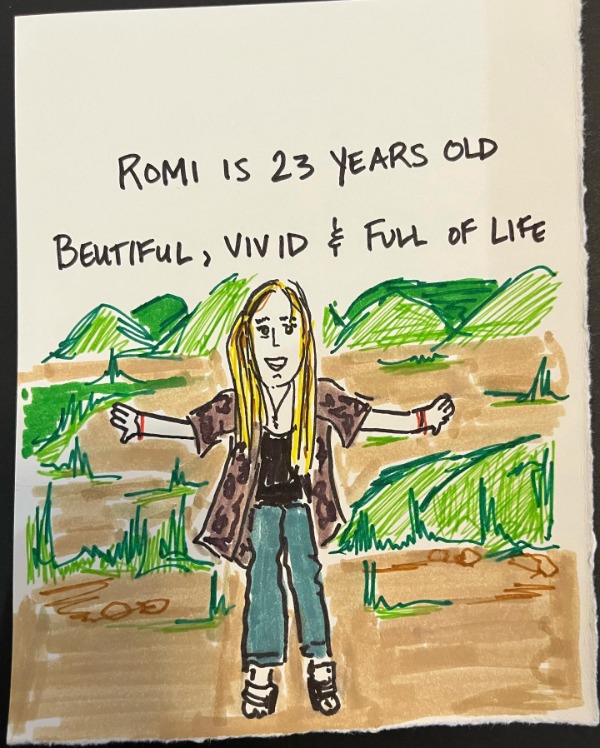
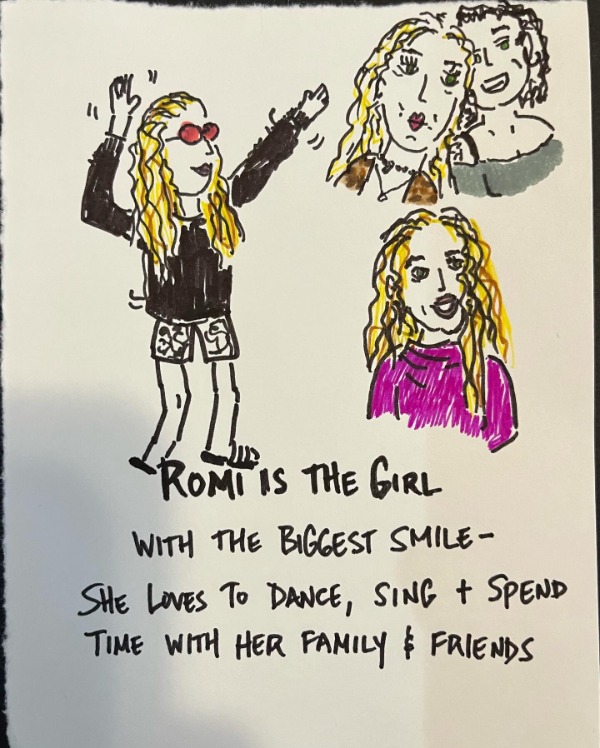
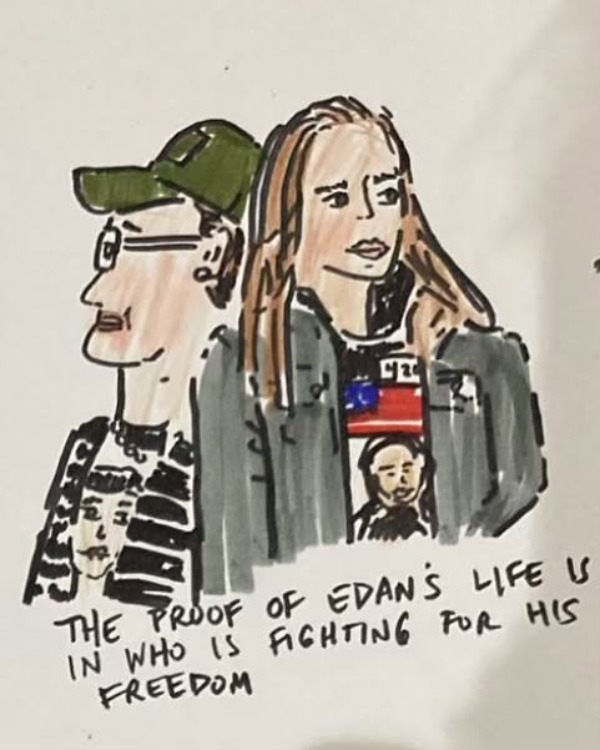
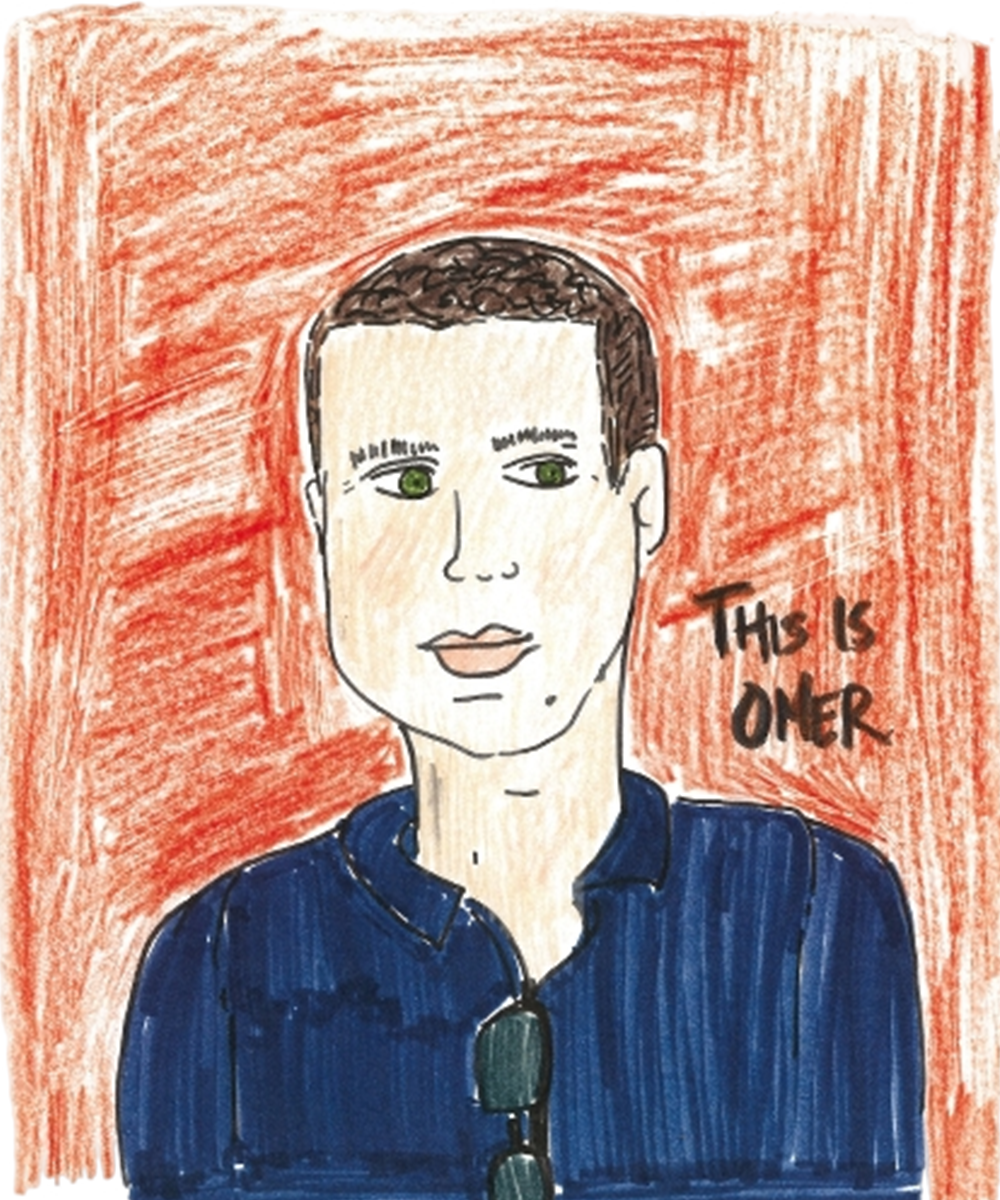
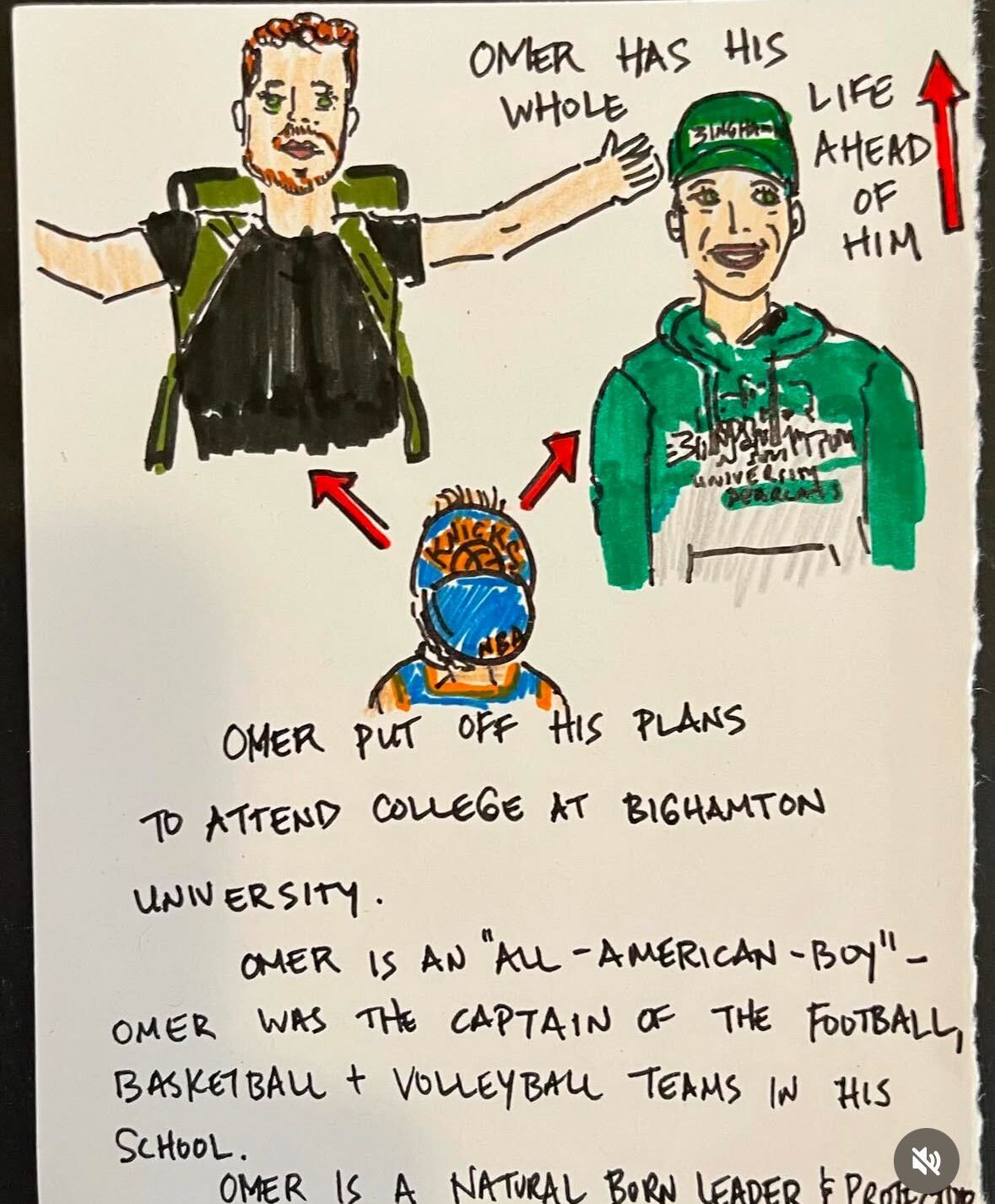
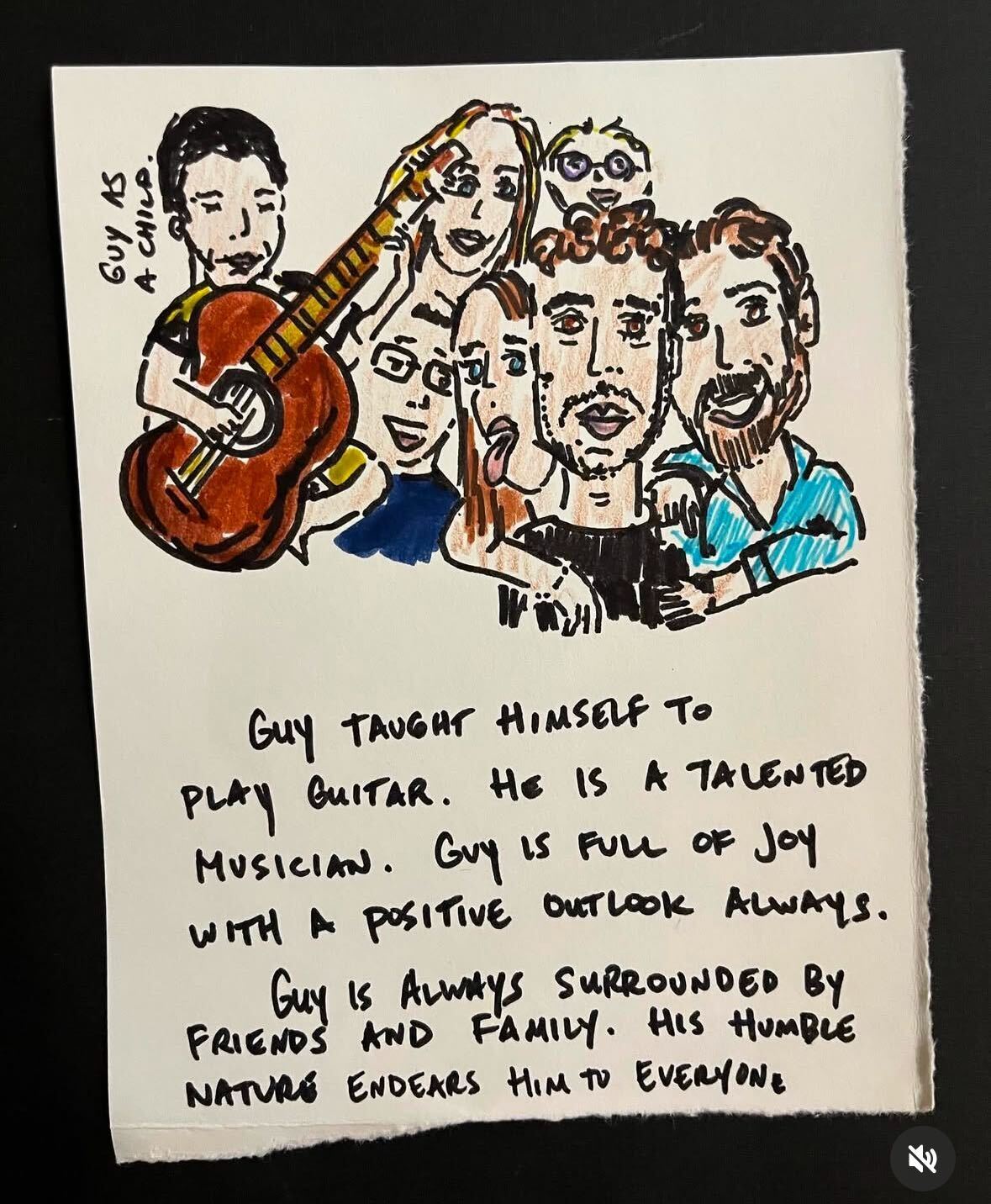
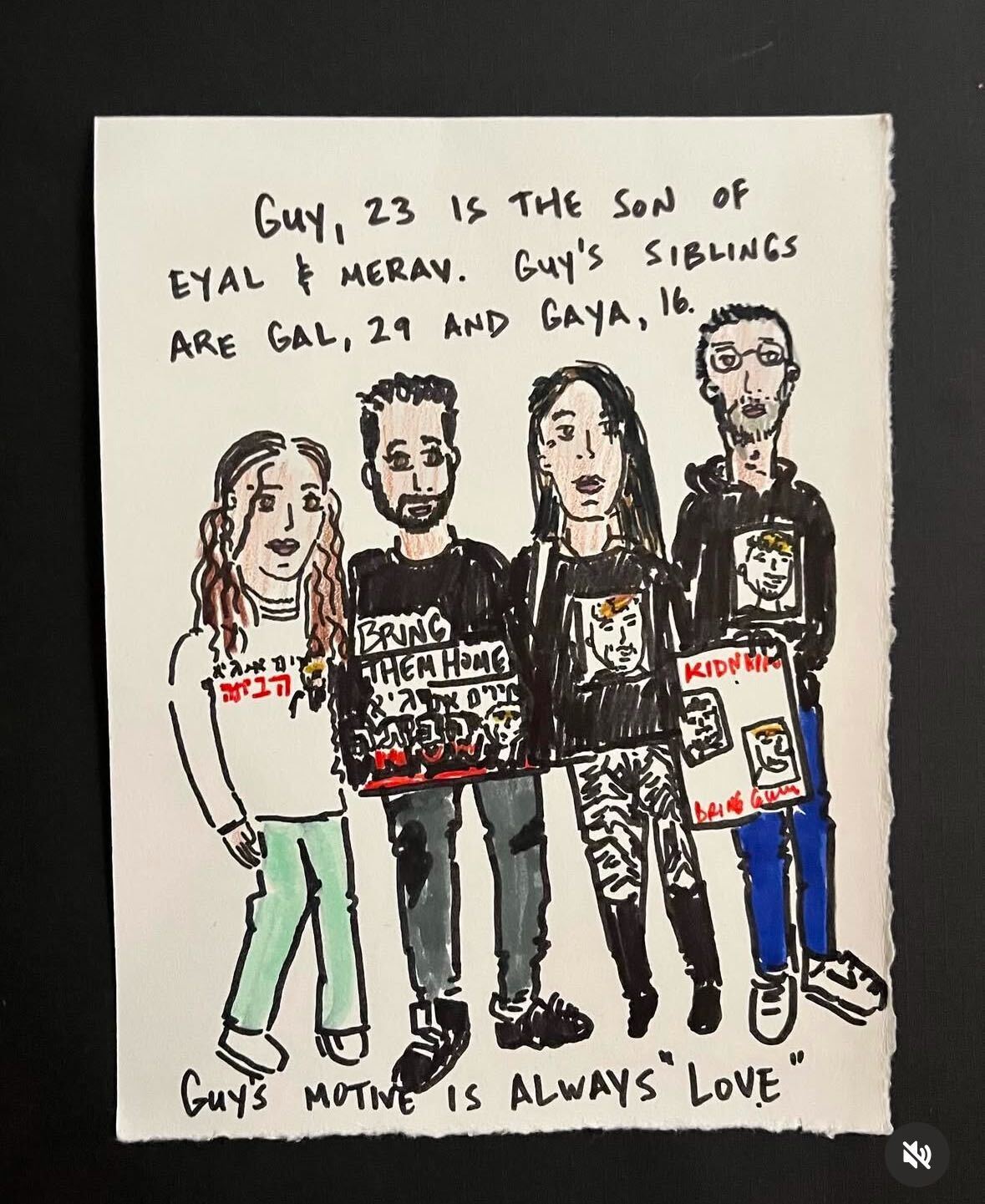
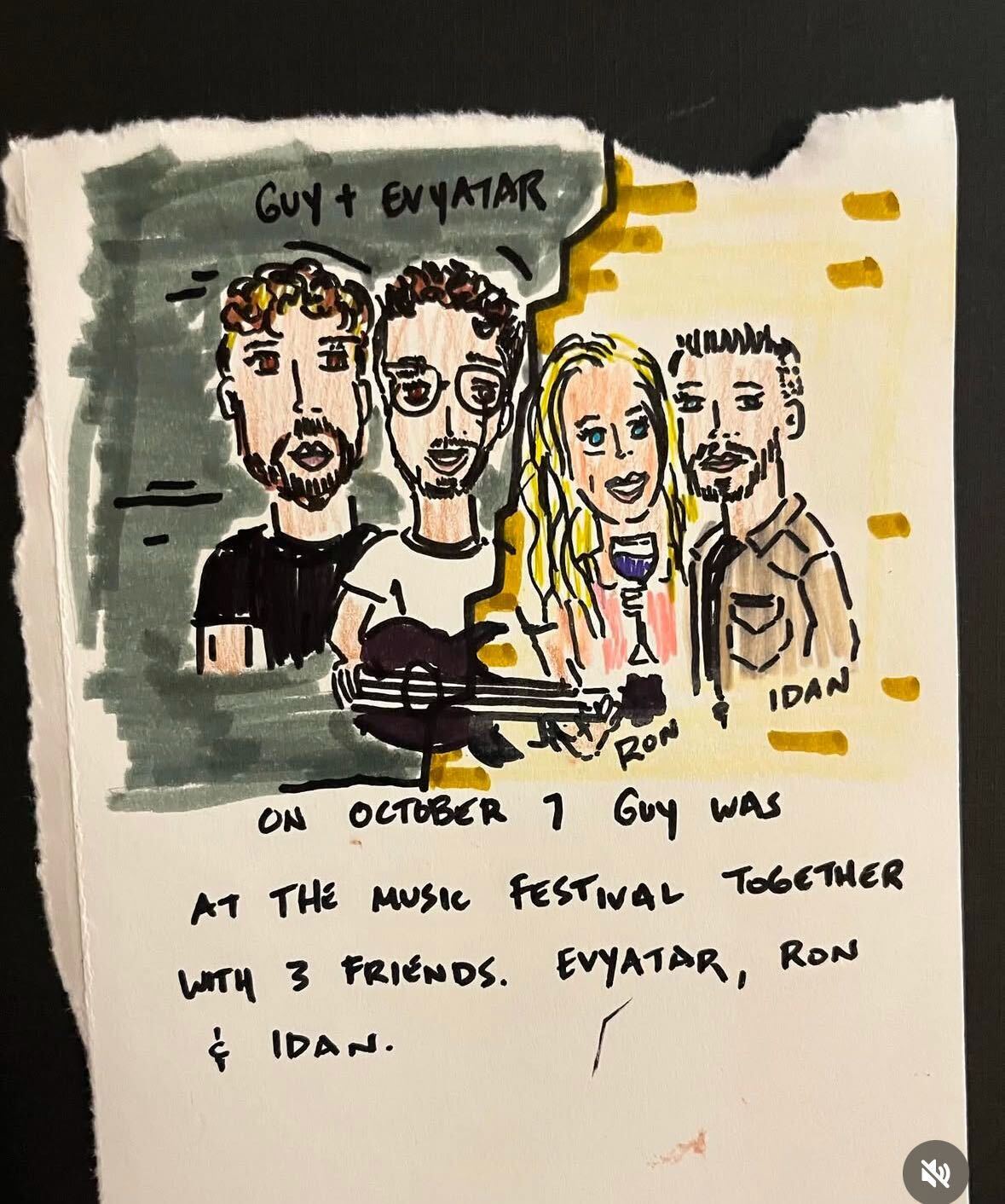
The etchings are rough but realistic, featuring the names and faces of the hostages, many of whom have become household names in Israel.
The speed with which she does all of this is new to her, and she said she had not possessed that skill beforehand.

“It’s in honor of them, it’s in their merit,” said Gal, referring to the hostages and those killed.
Now, 20 months later, Gal has sketched thousands of images of those most affected by October 7, both the bereaved and the hostages, and their families. She tends to keep Israeli hours, not getting much sleep, relying on her husband to be her driver when needed due to her lack of rest.
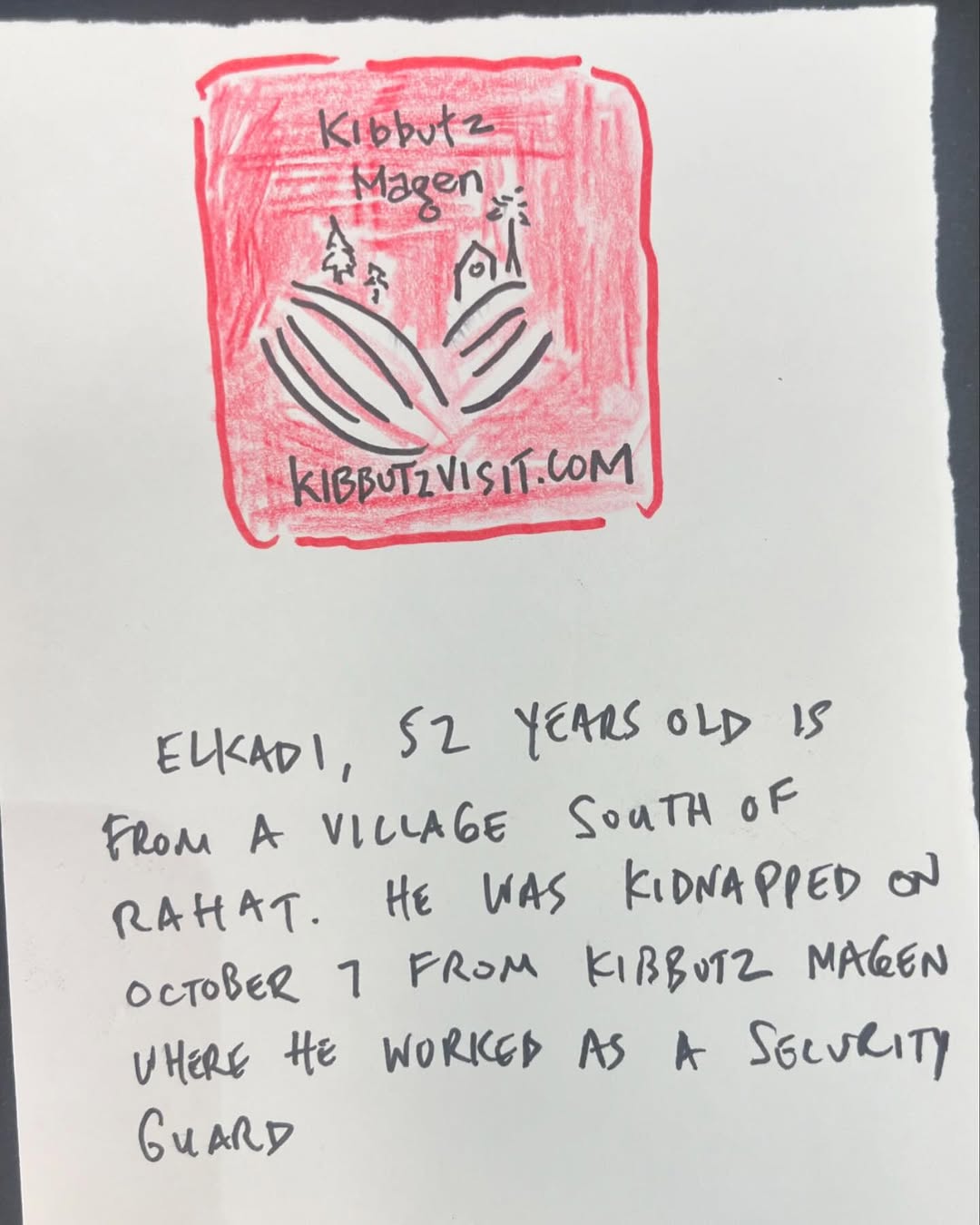
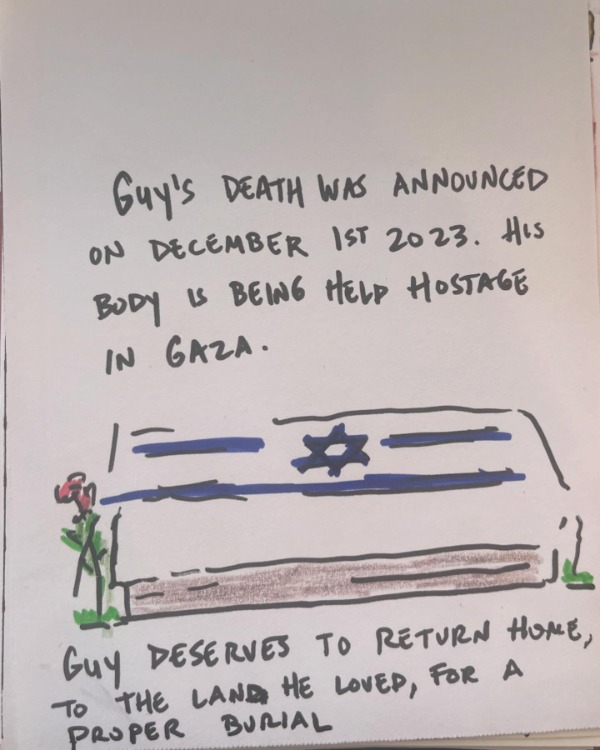
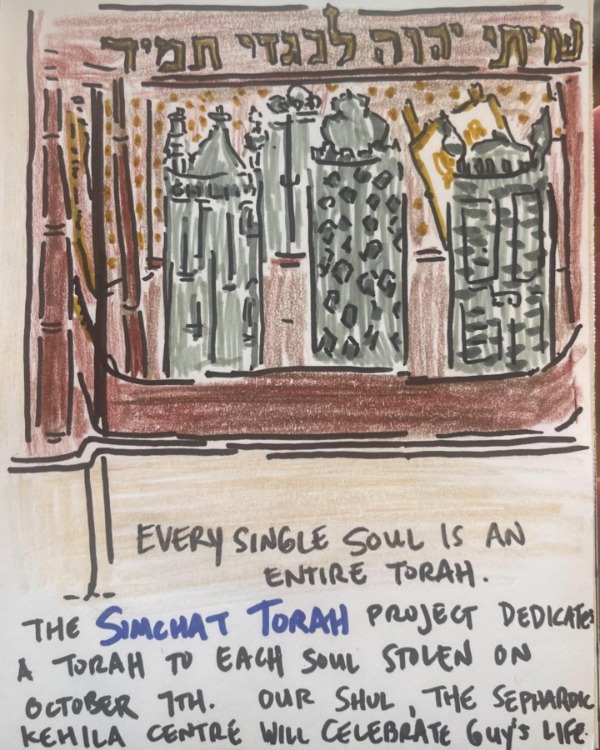
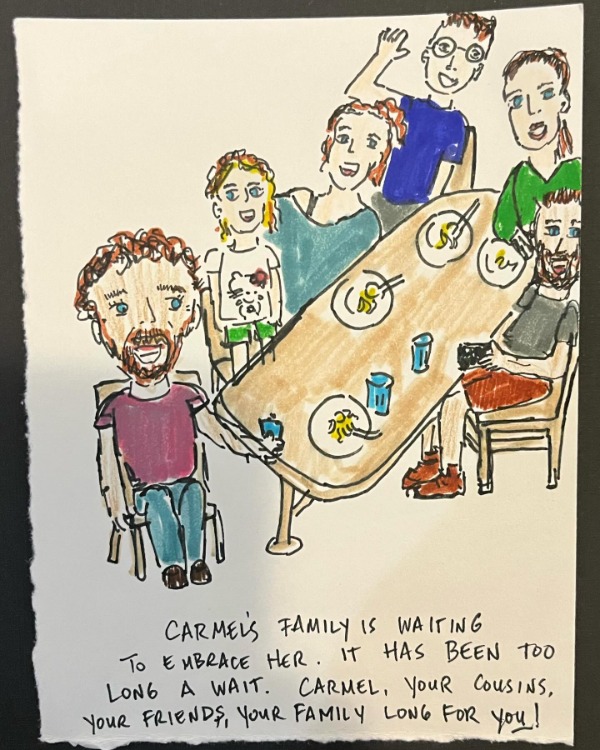
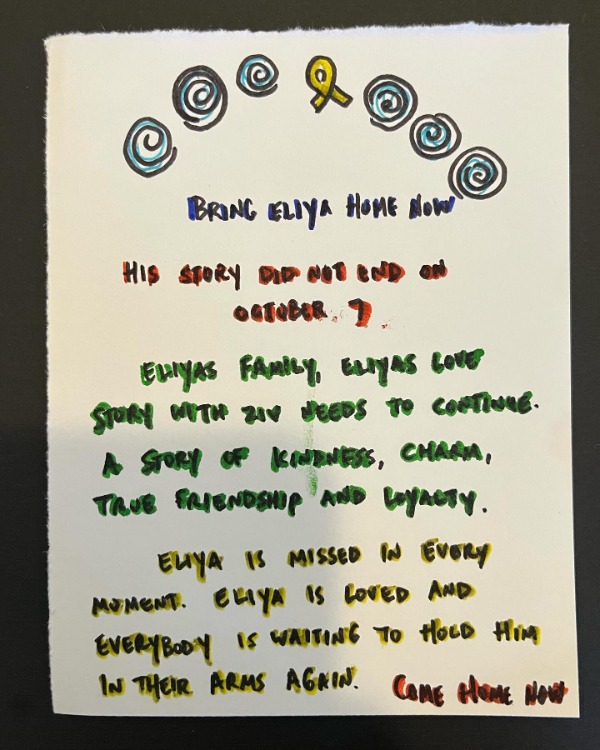
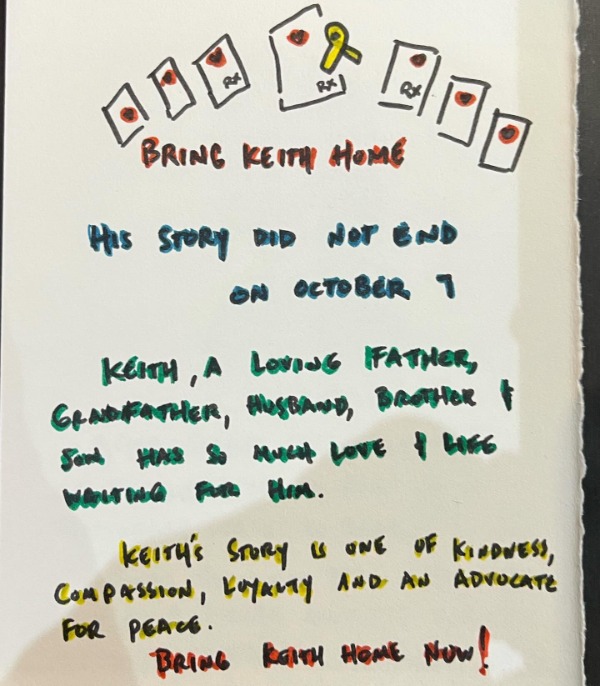
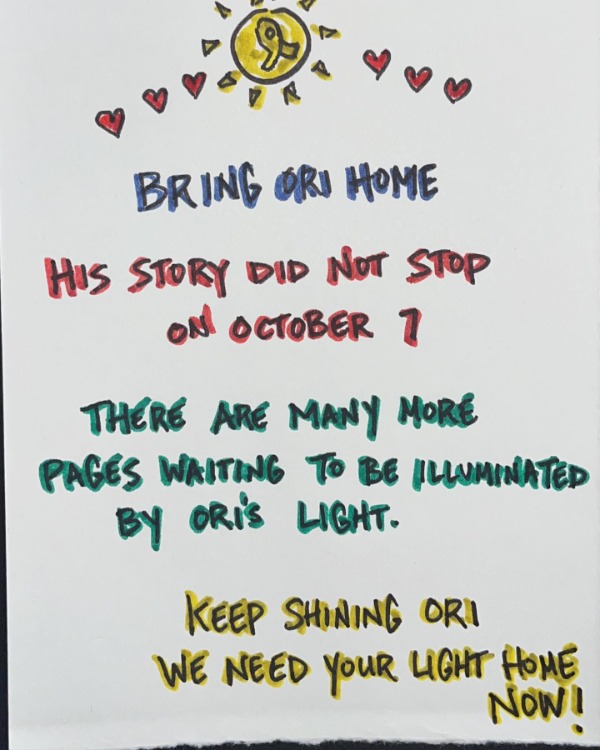
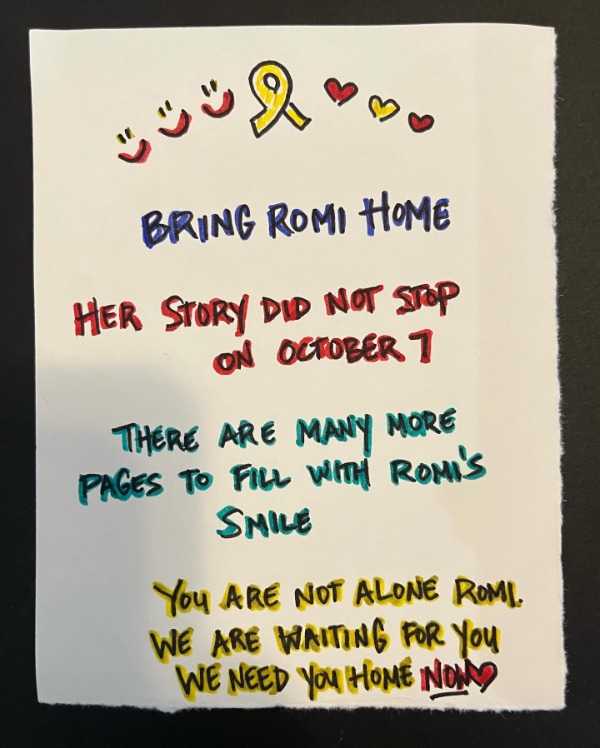
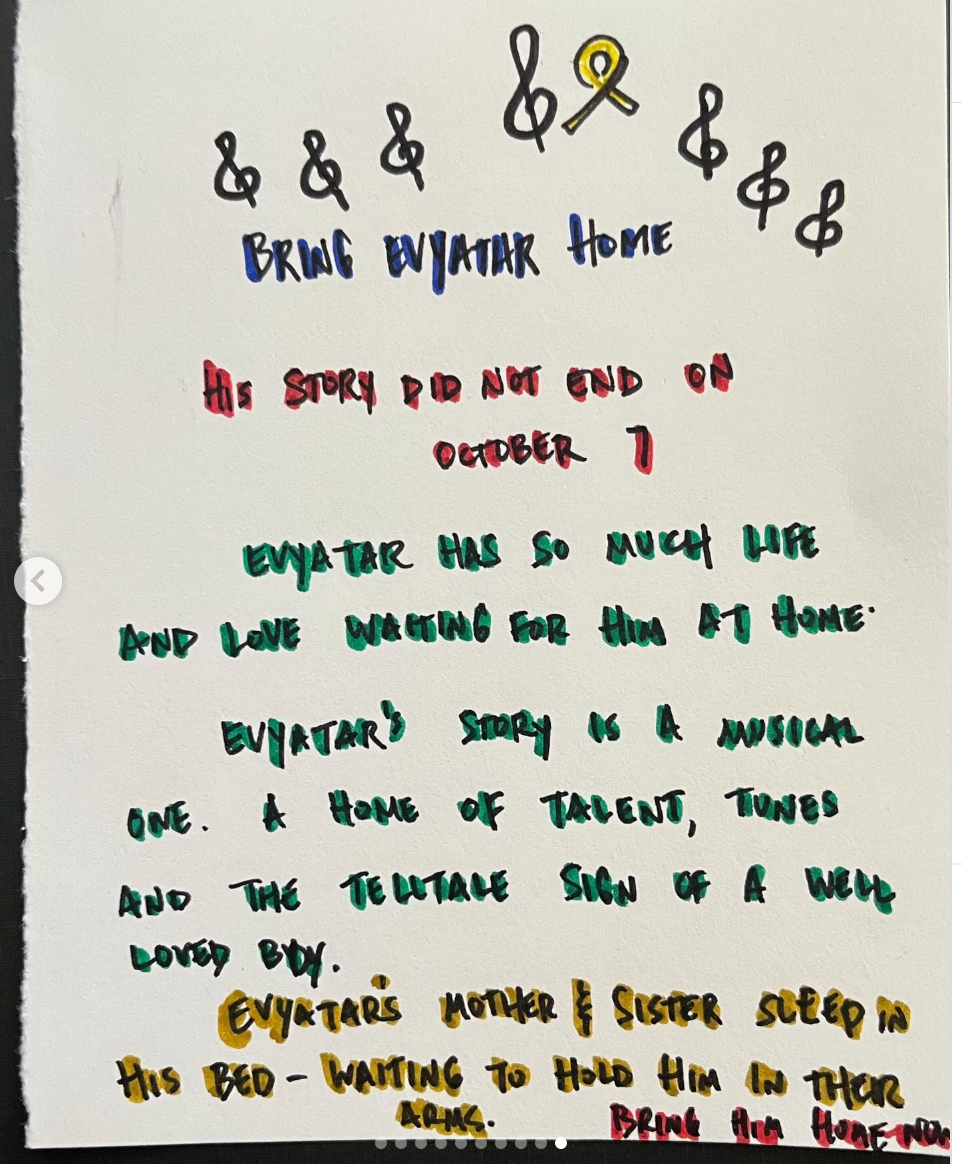
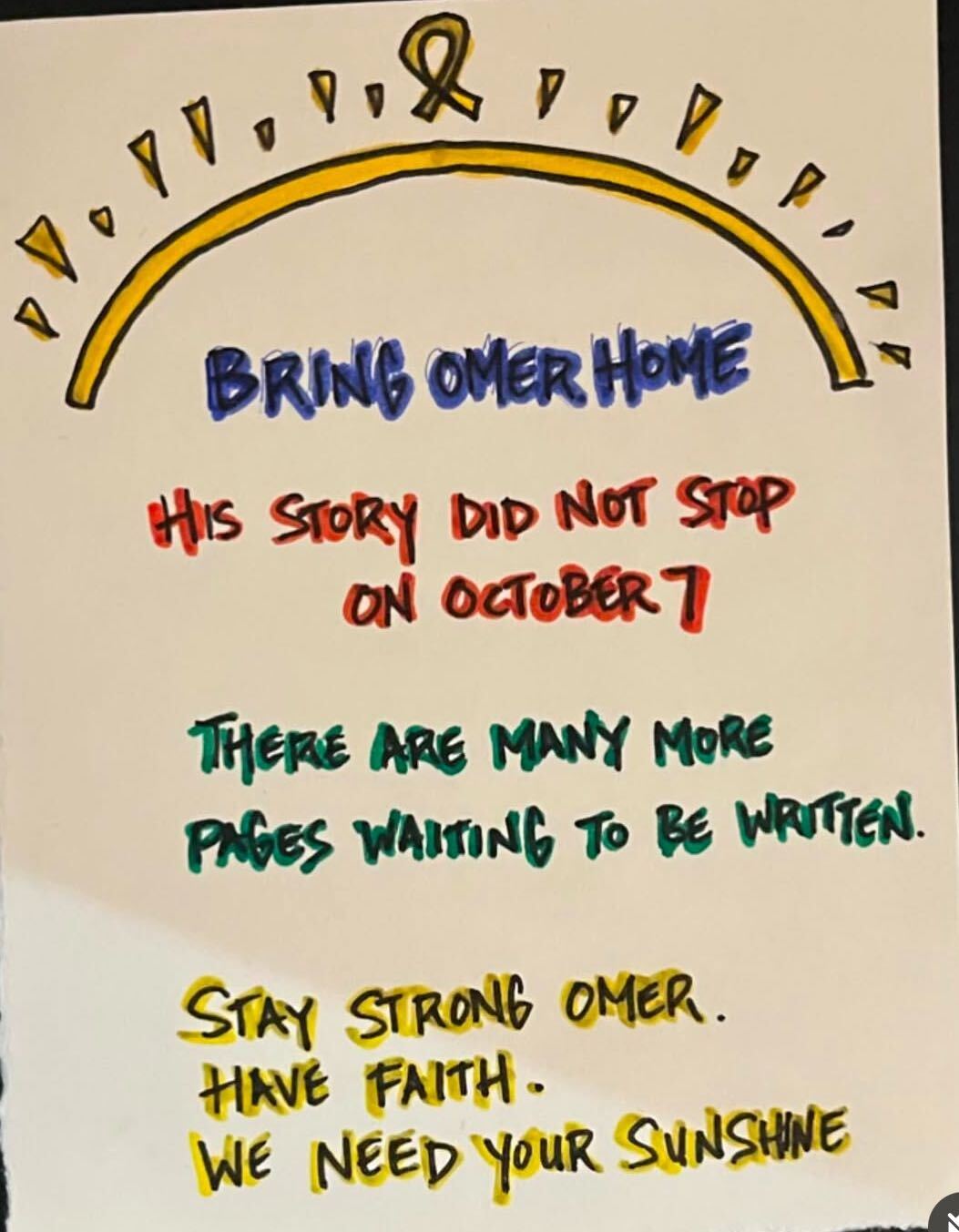
She creates 10-page booklets about each hostage, printing multiple copies of each one and gifting the original to the families.
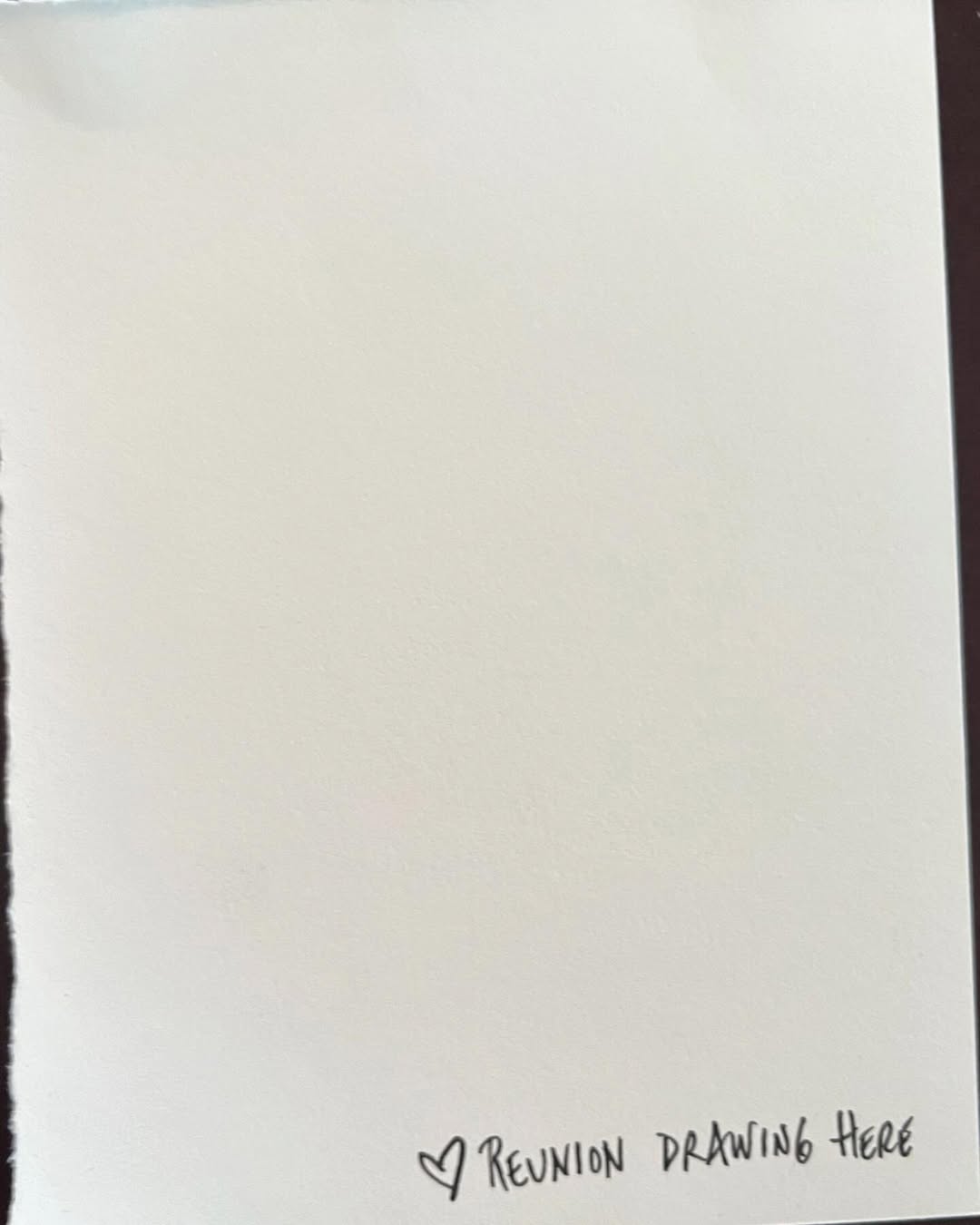
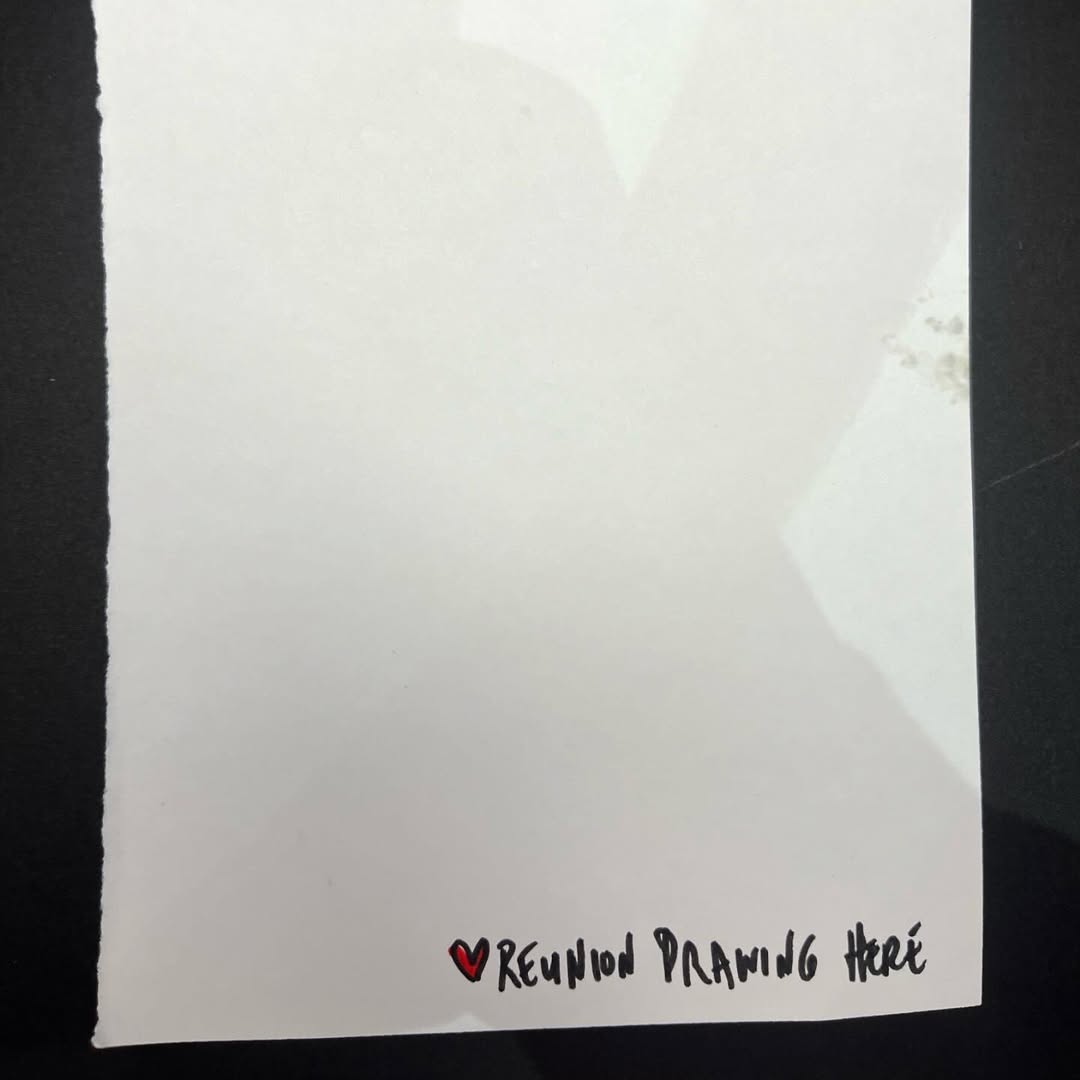
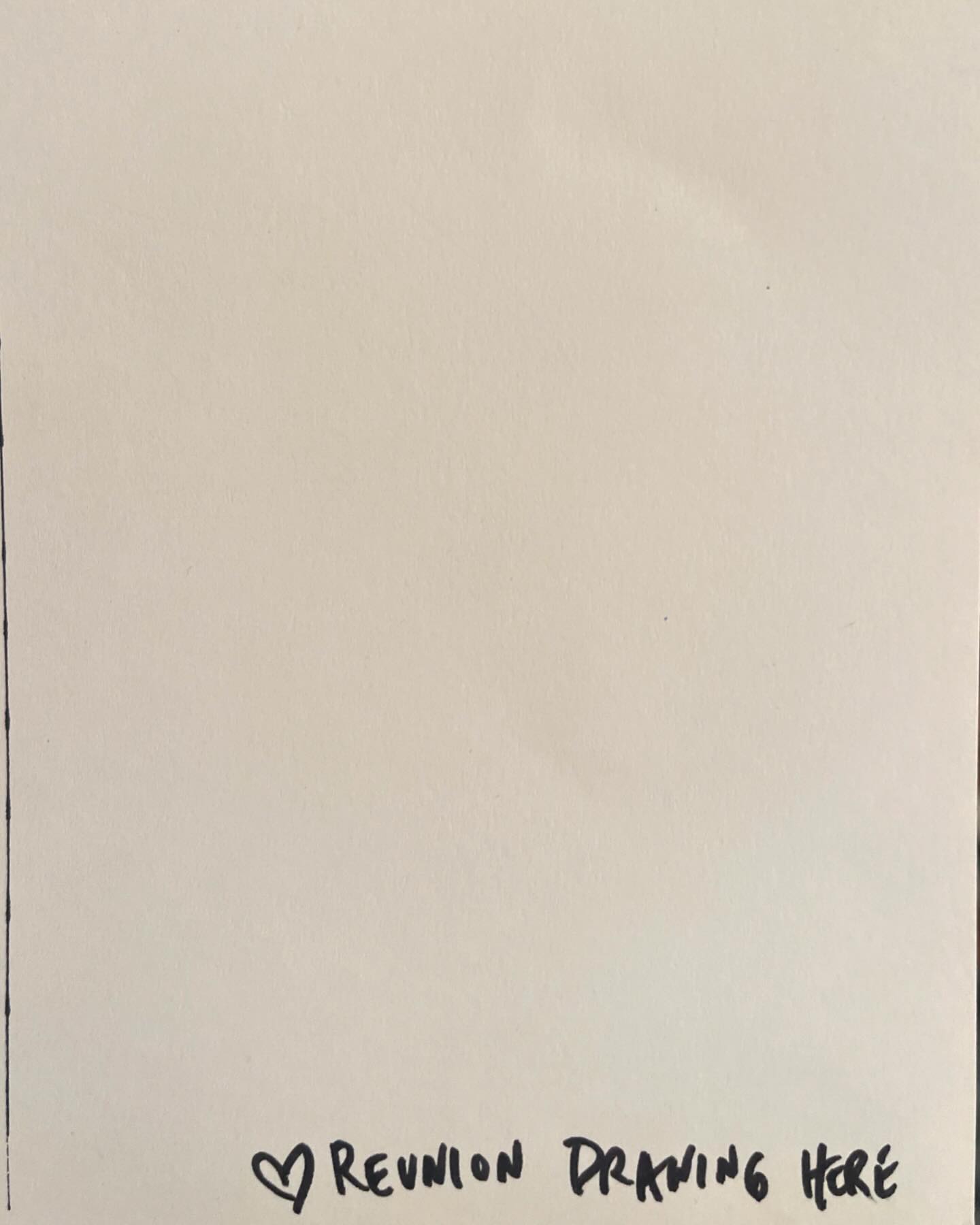
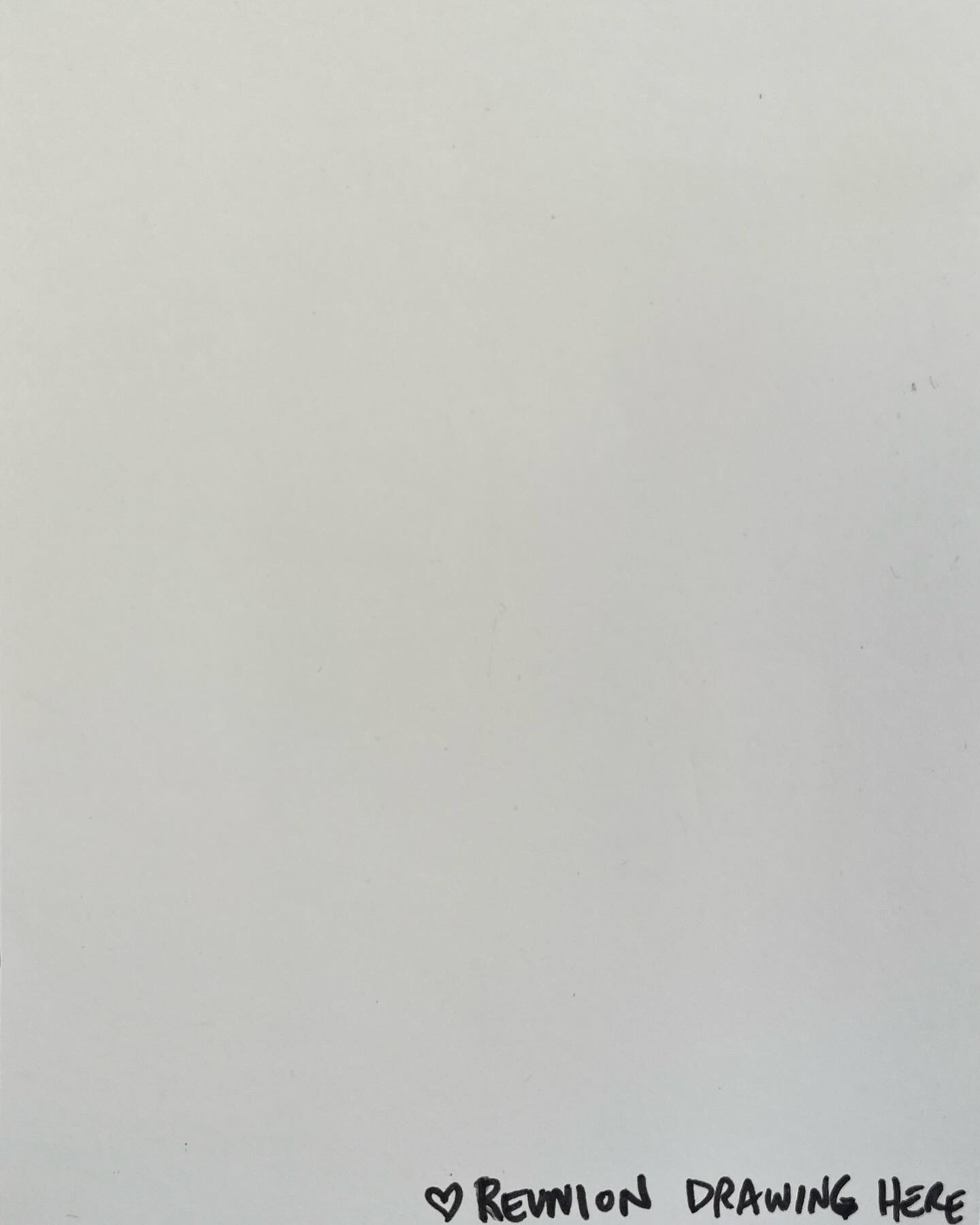
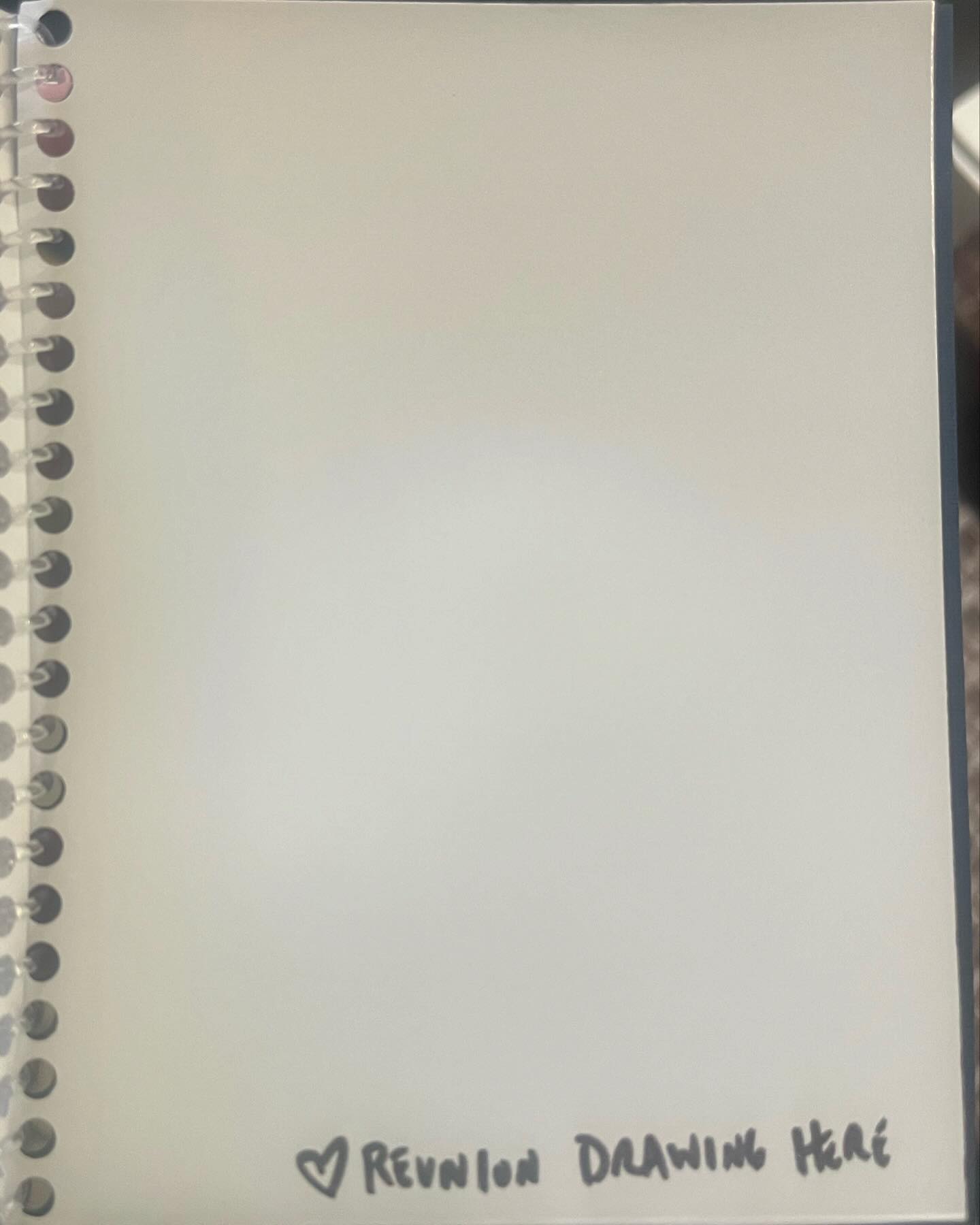
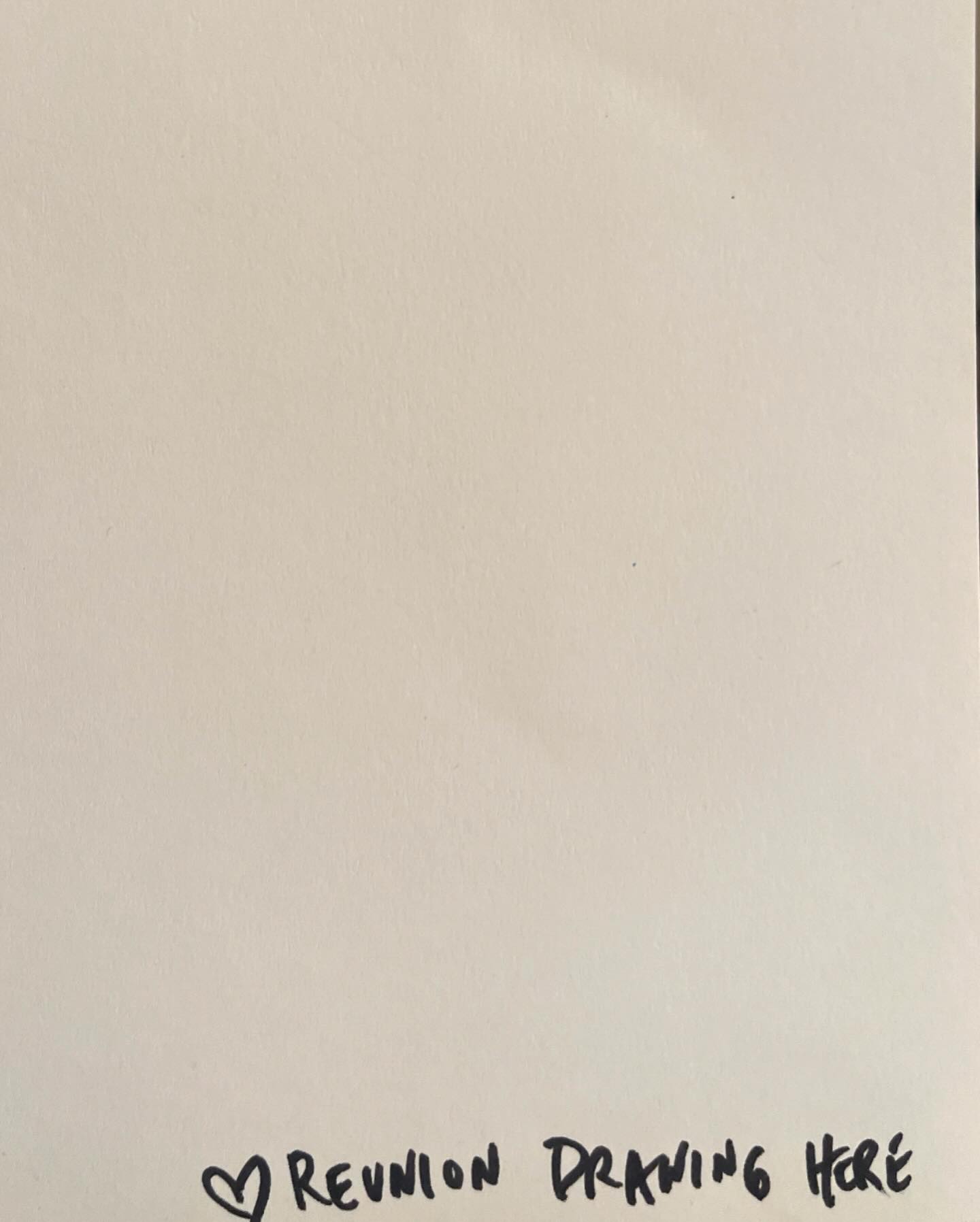
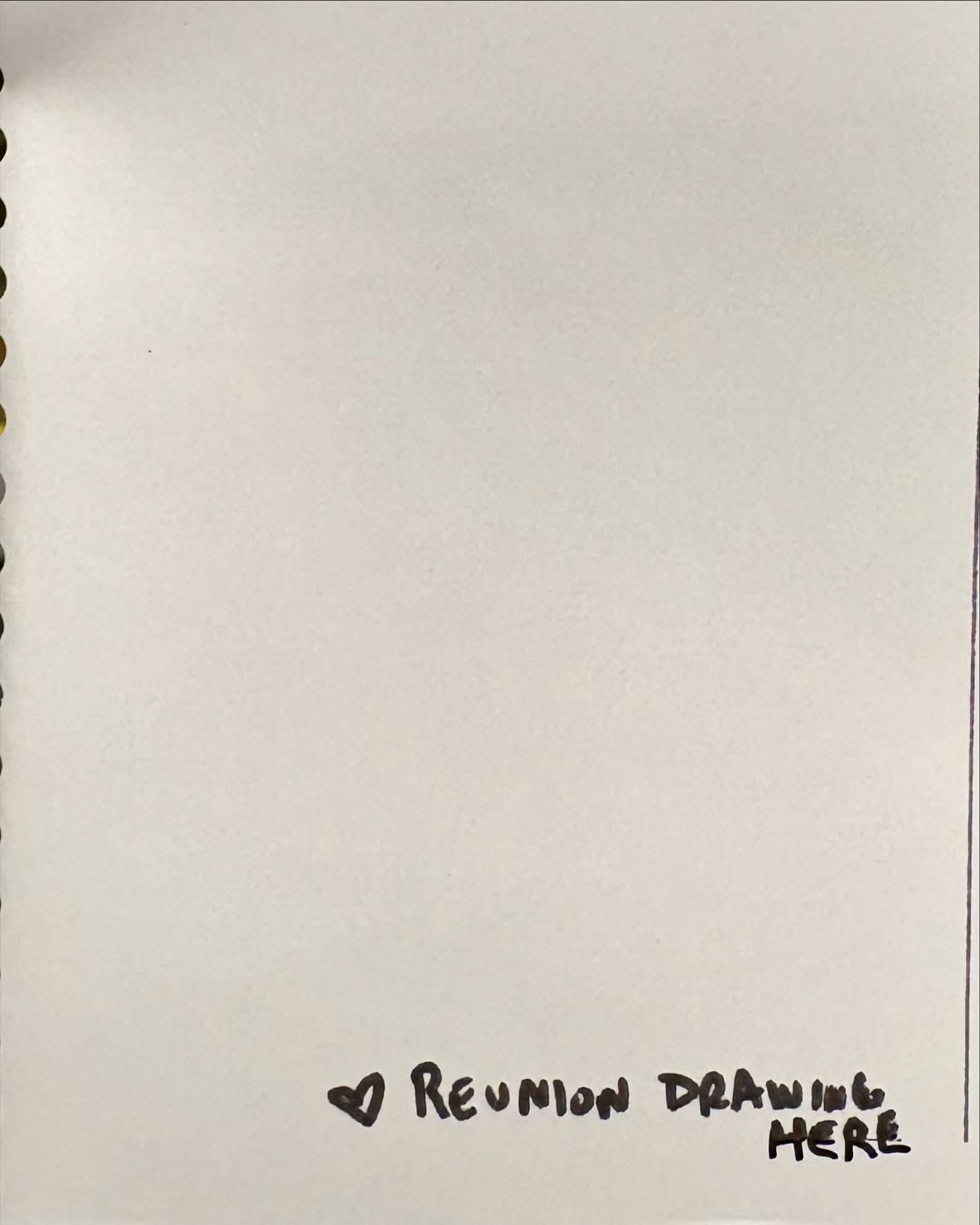
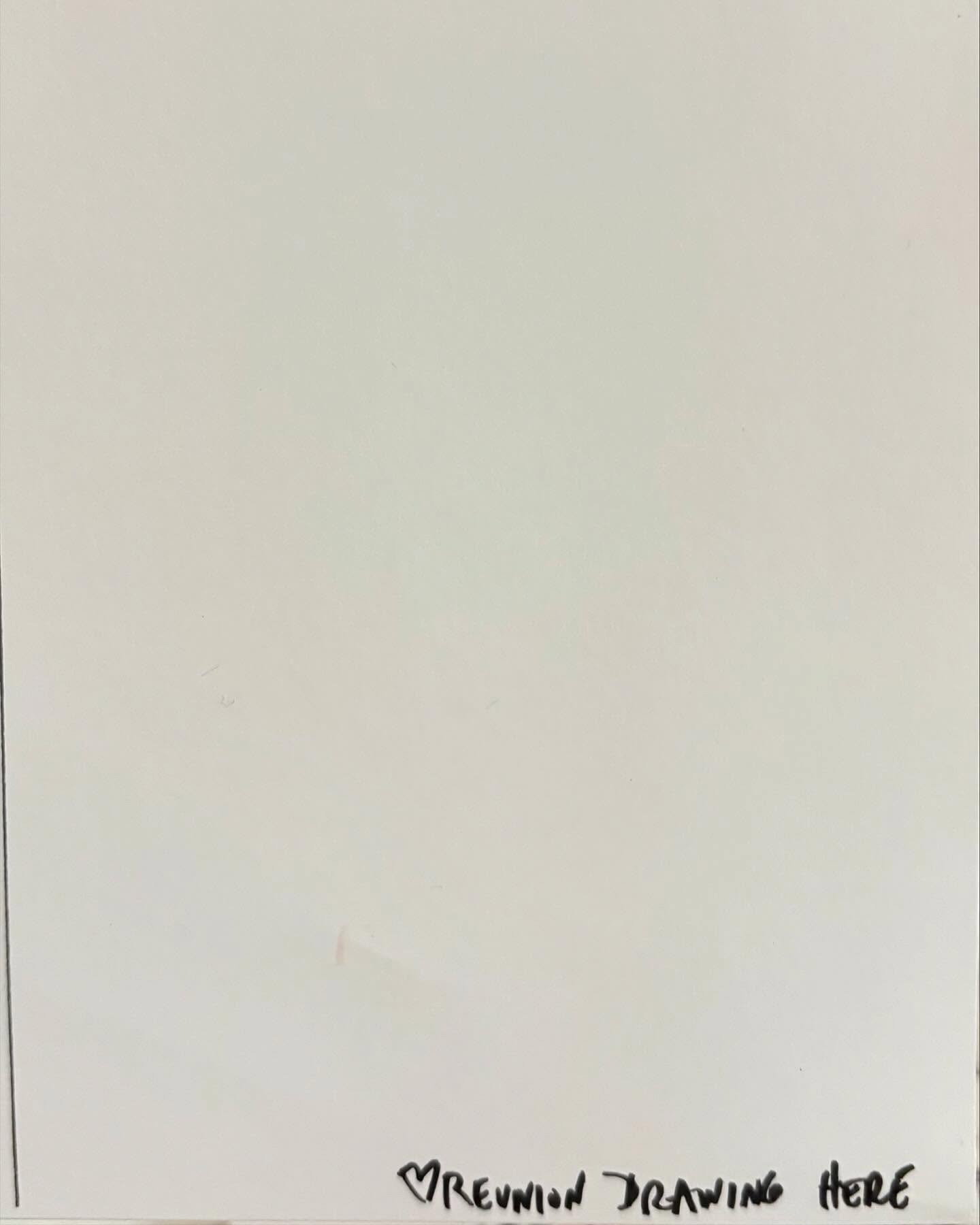
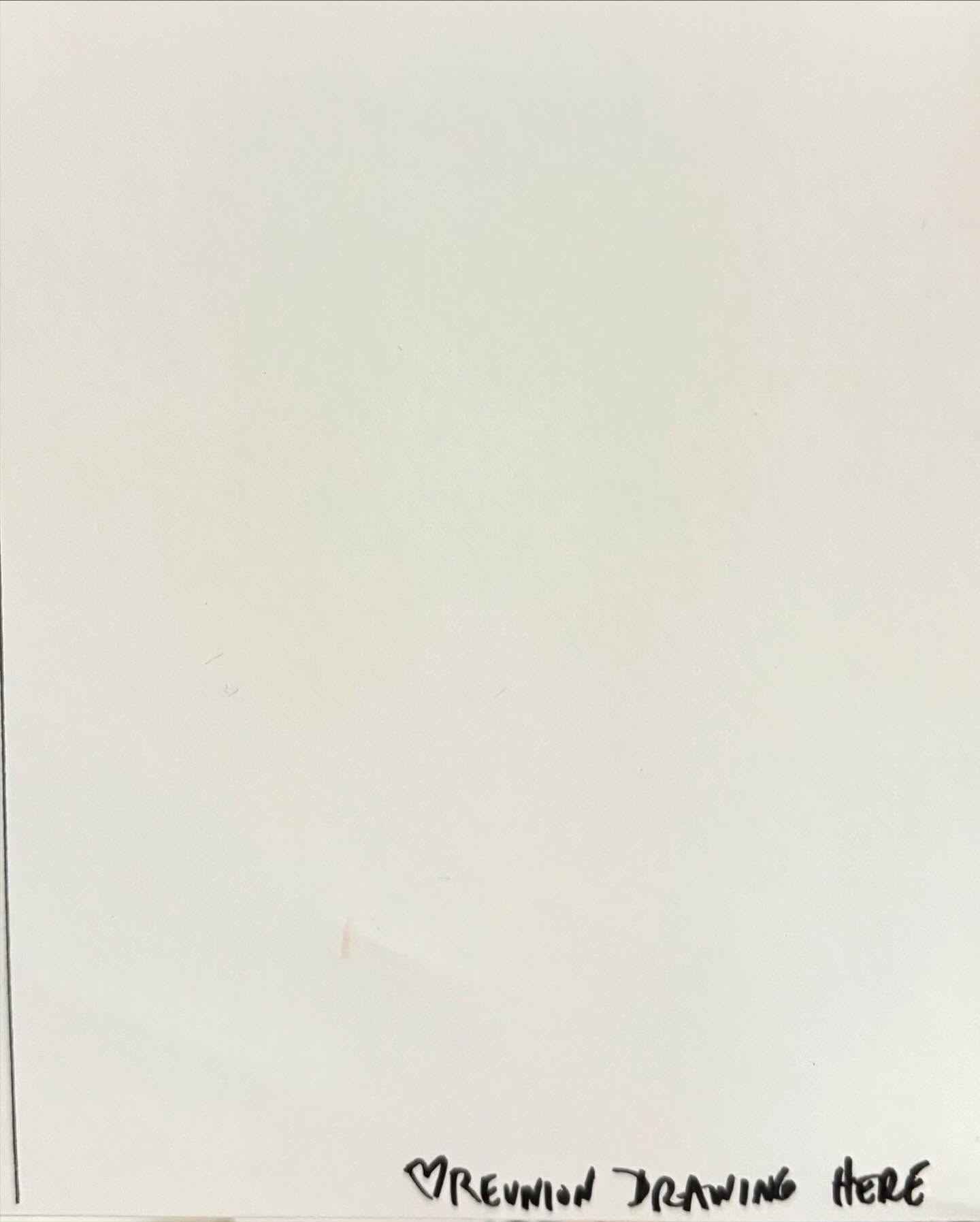
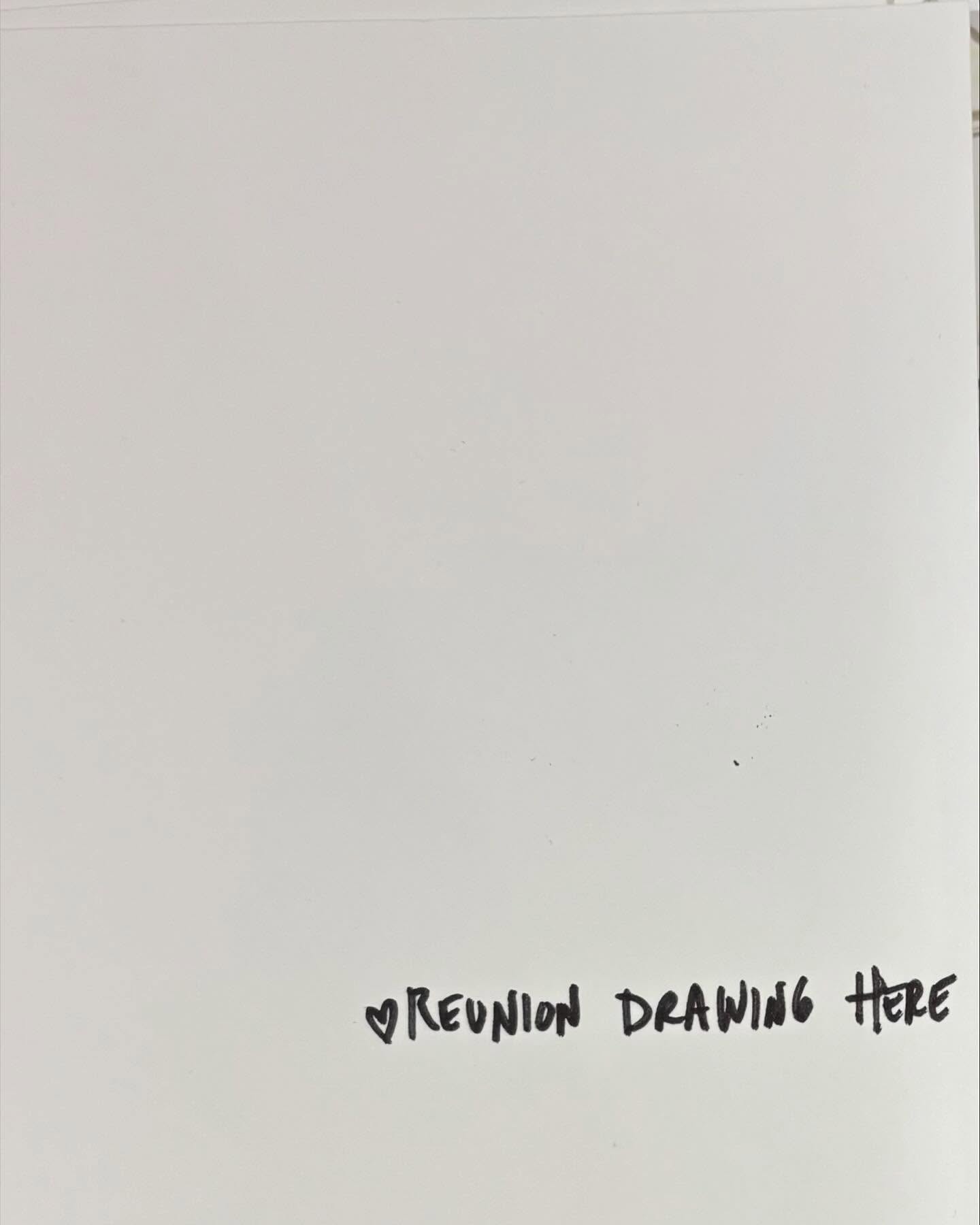
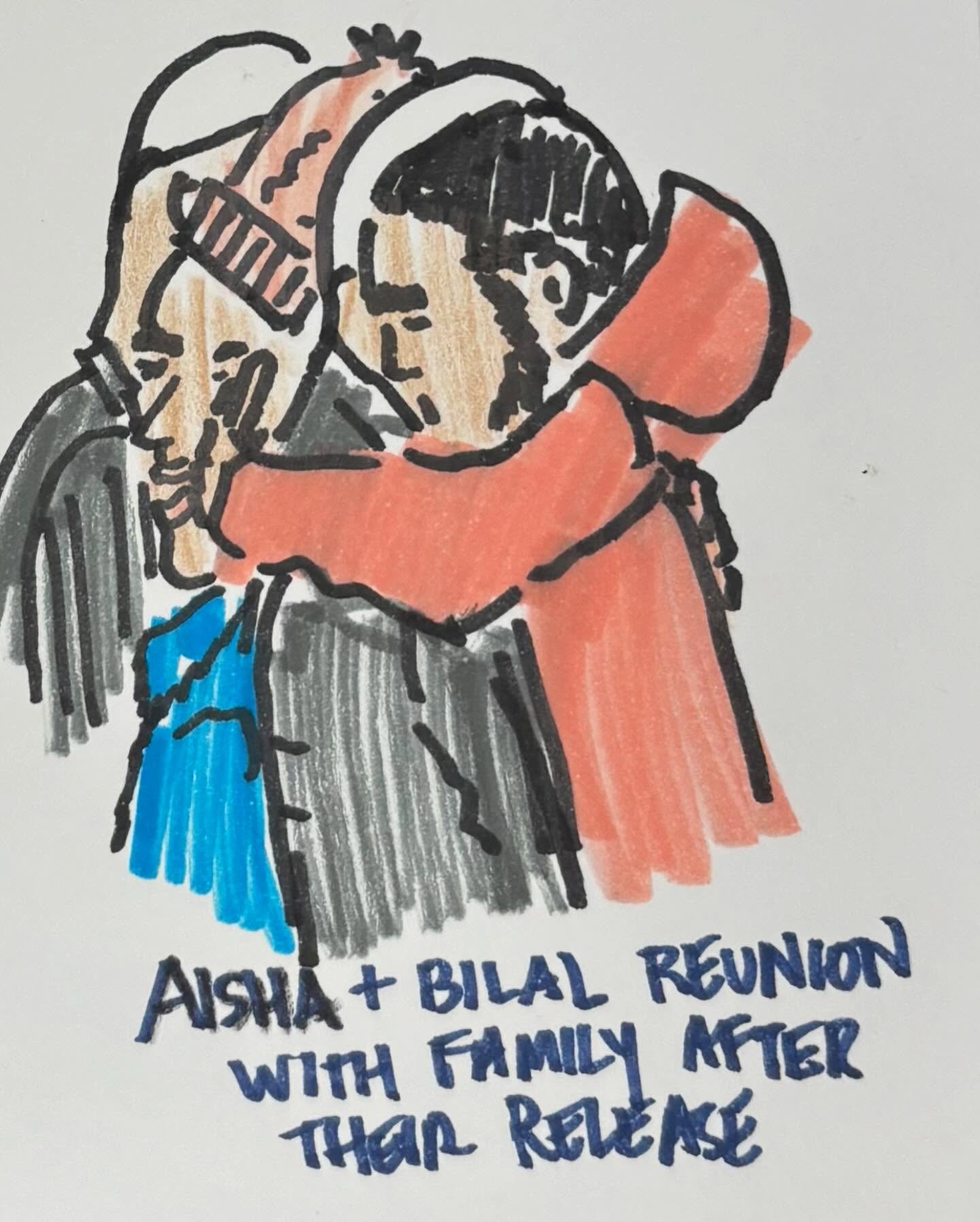
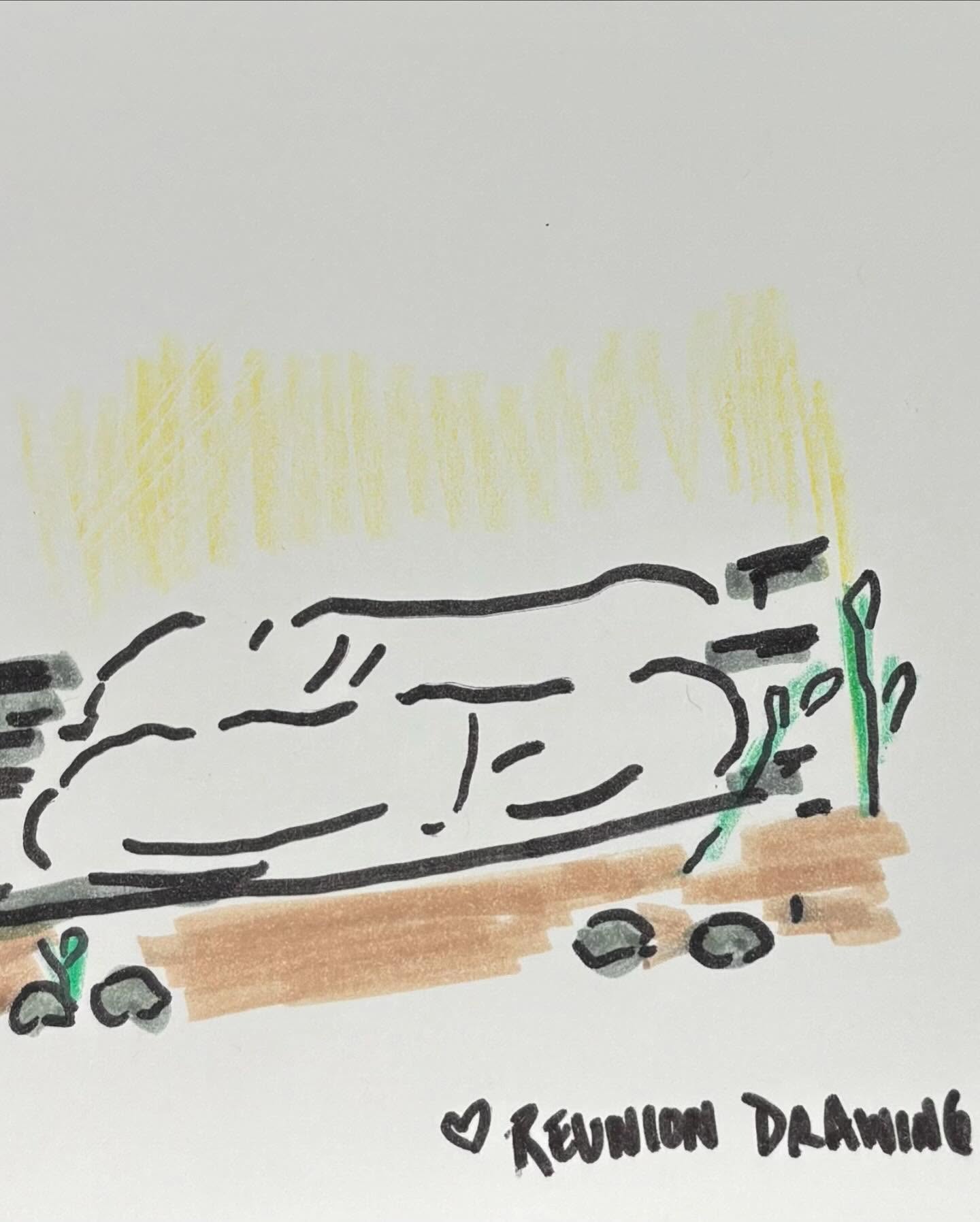
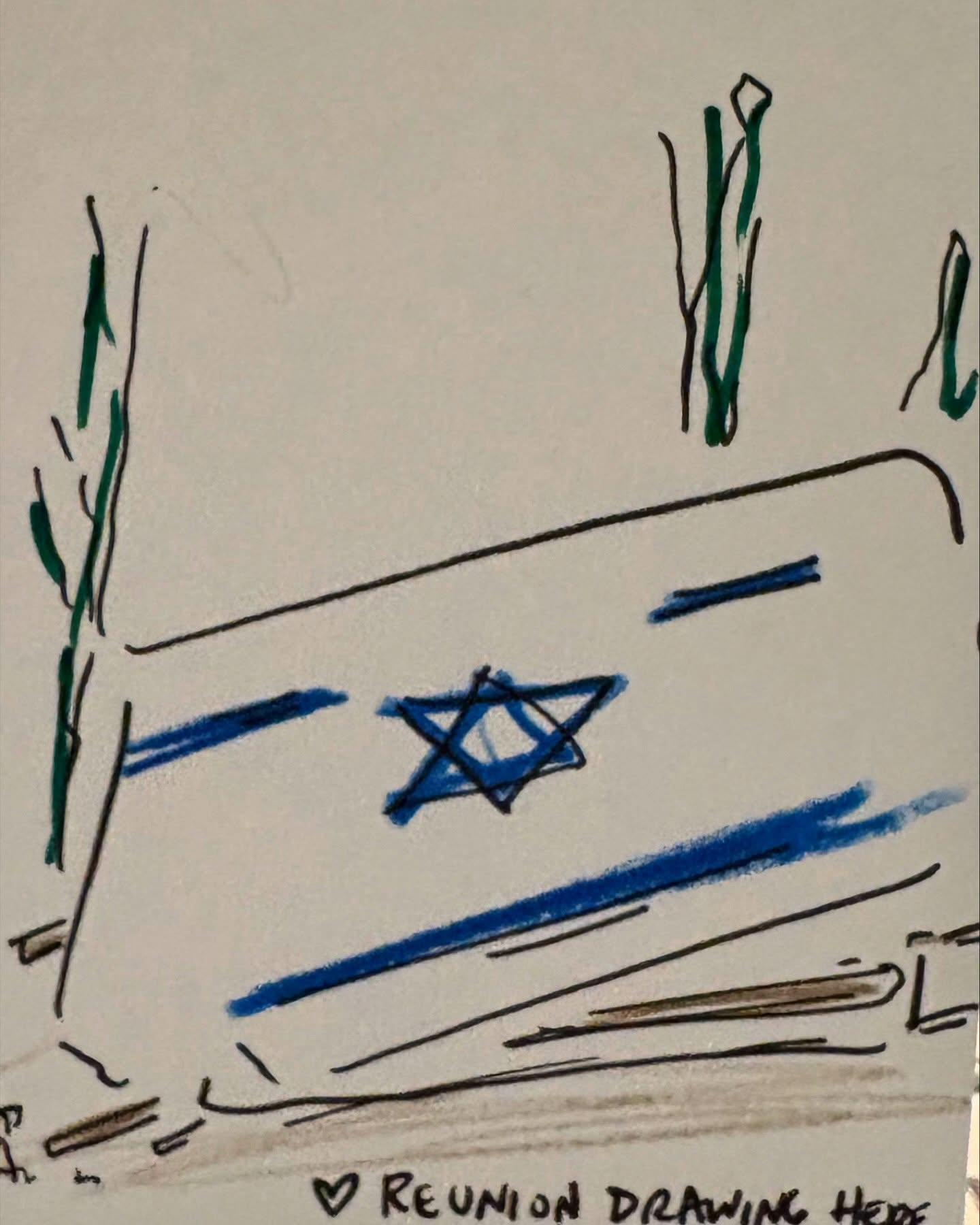
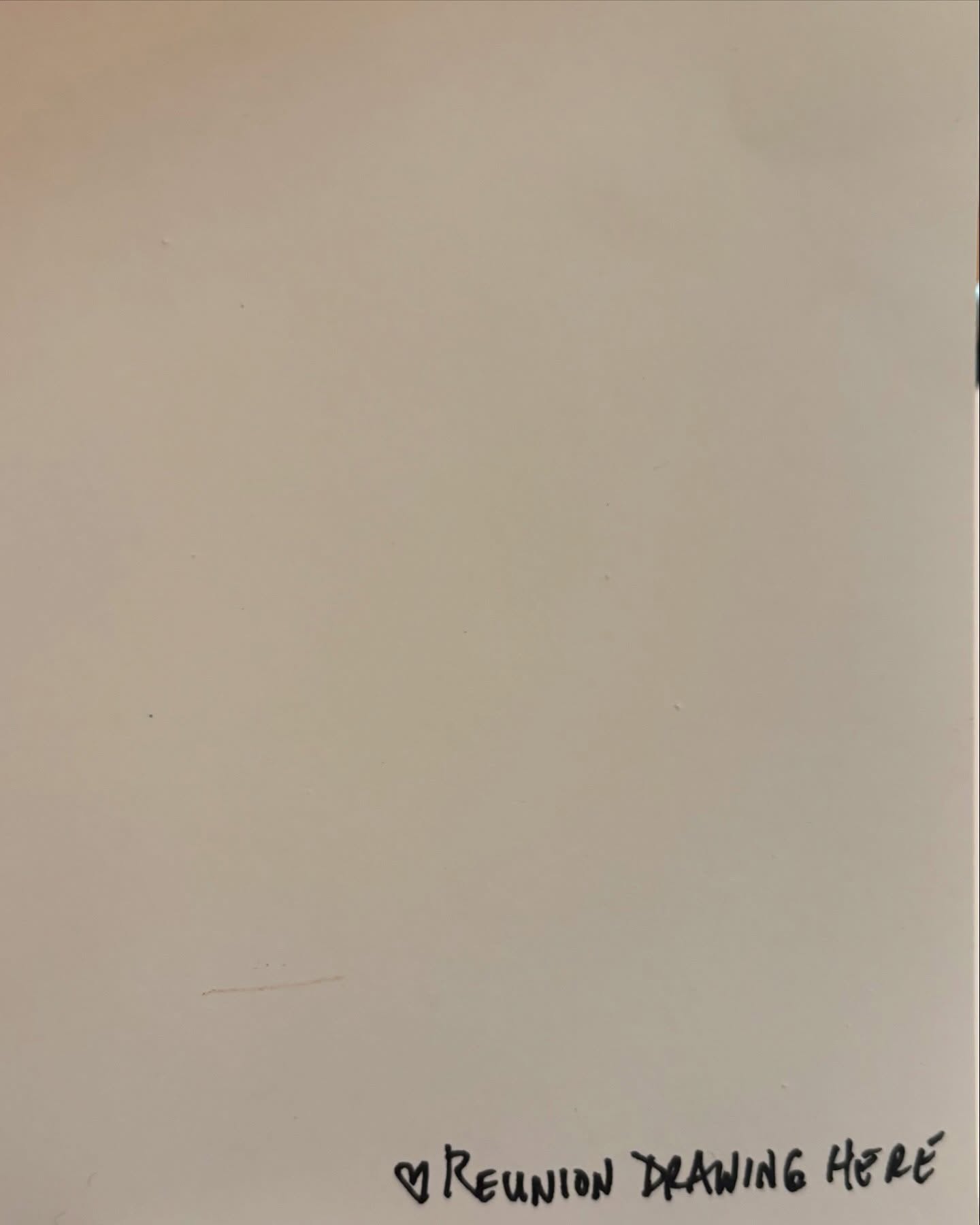
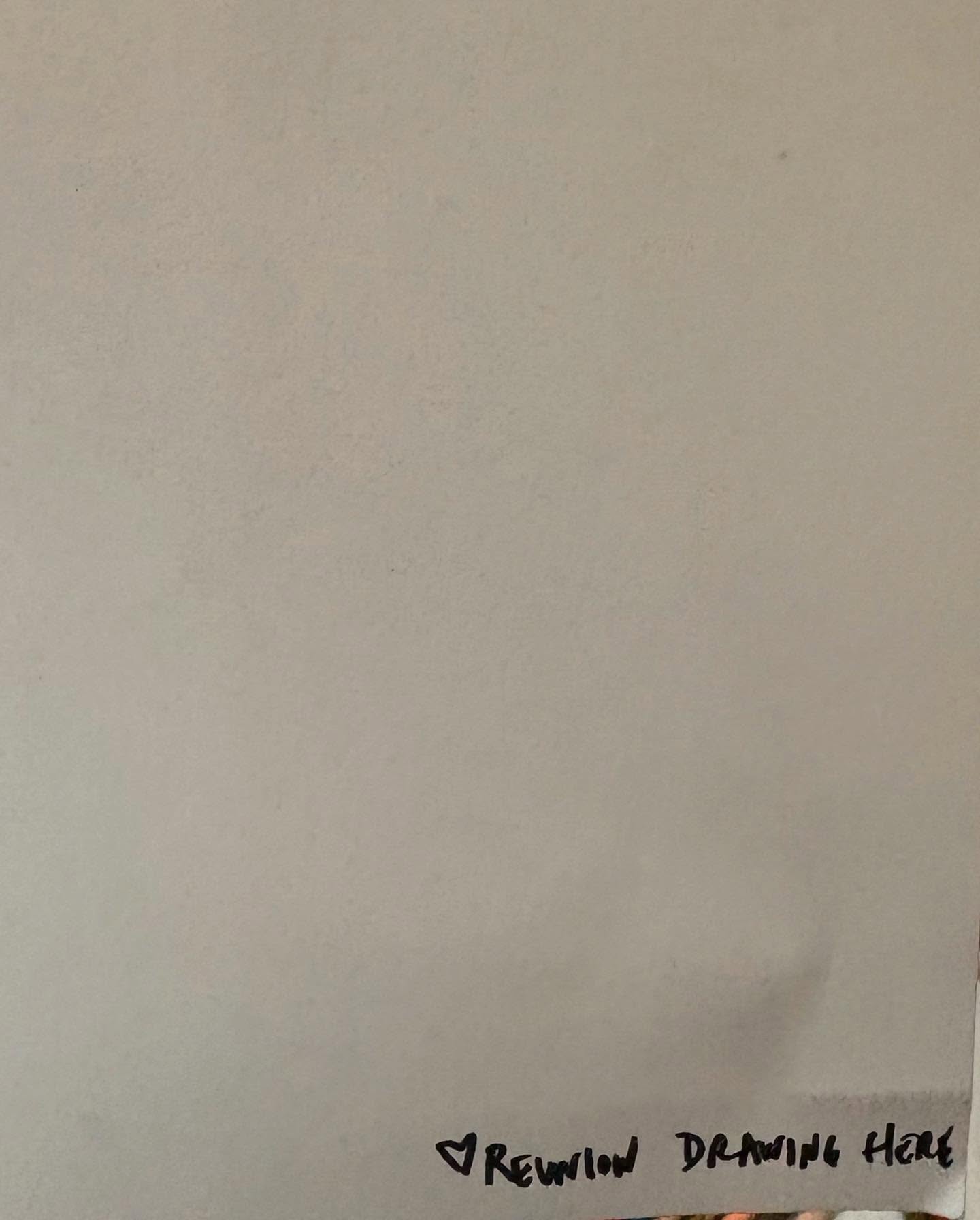
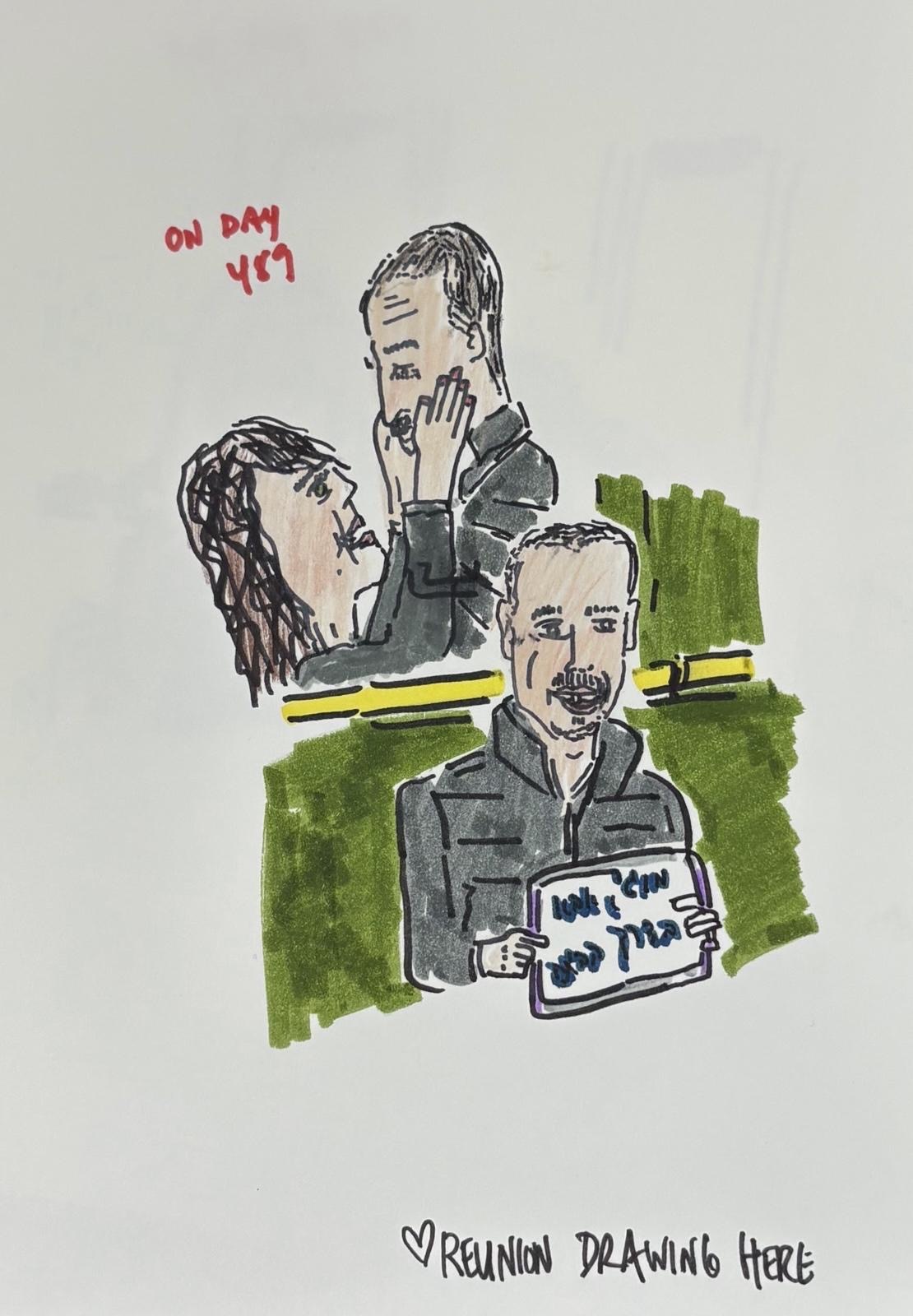
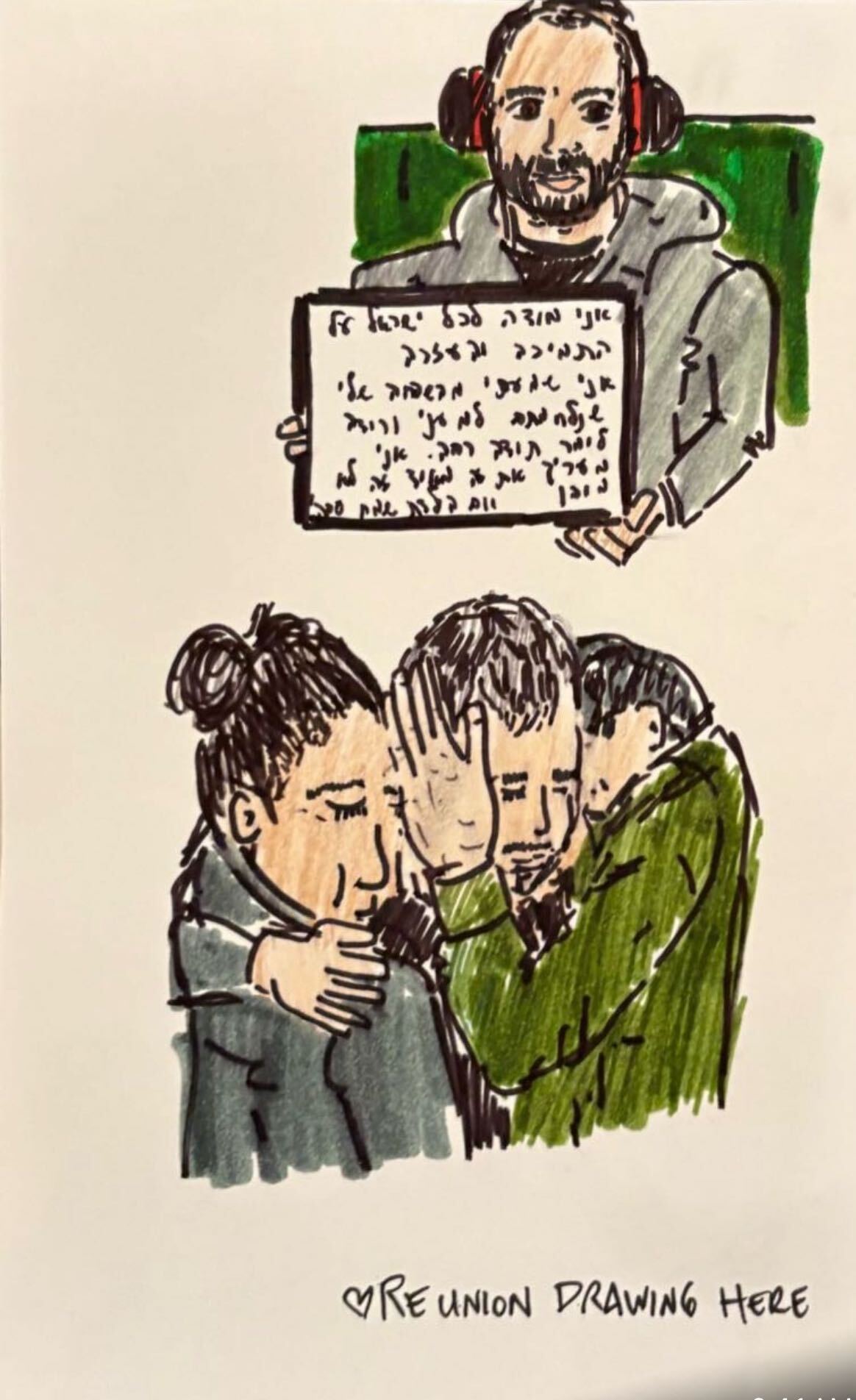
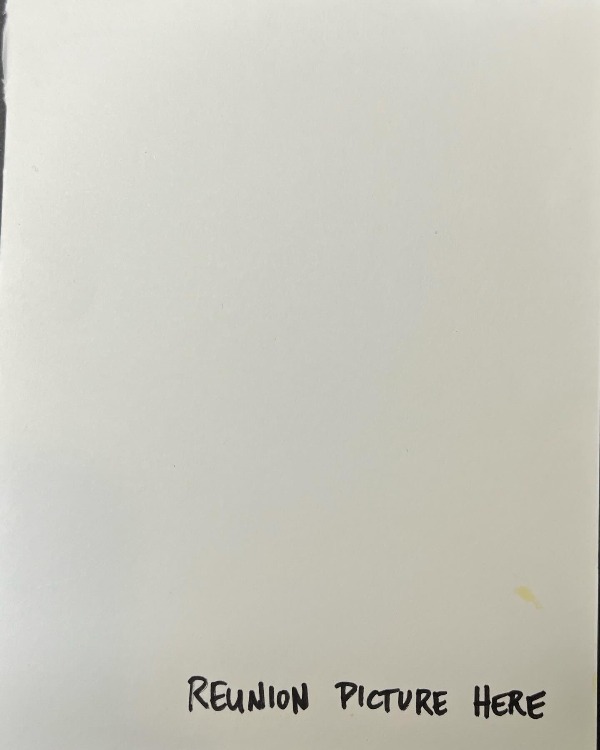
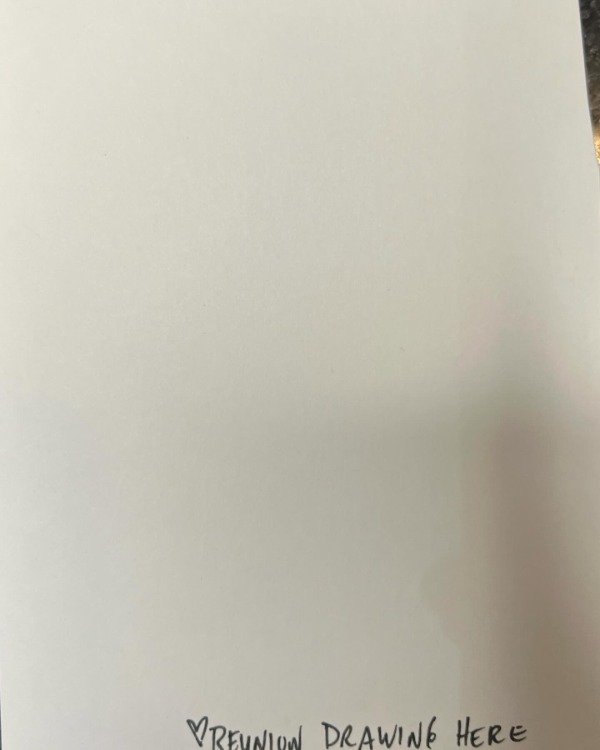
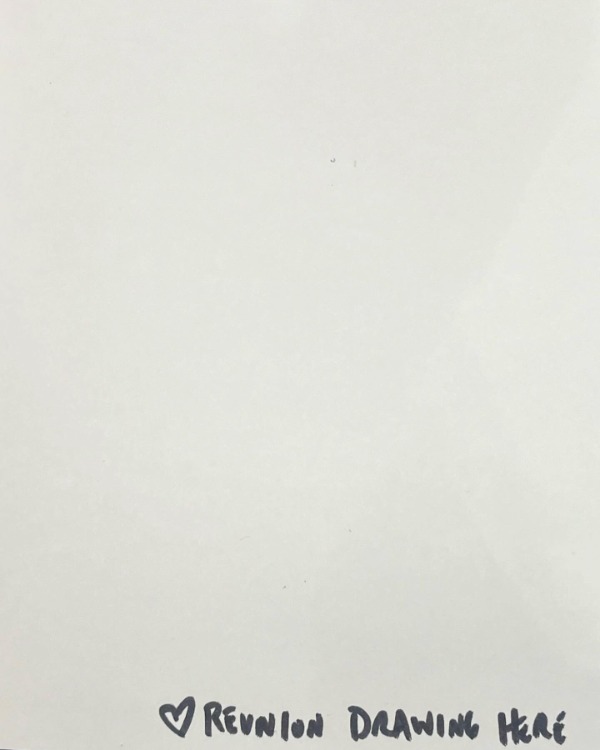
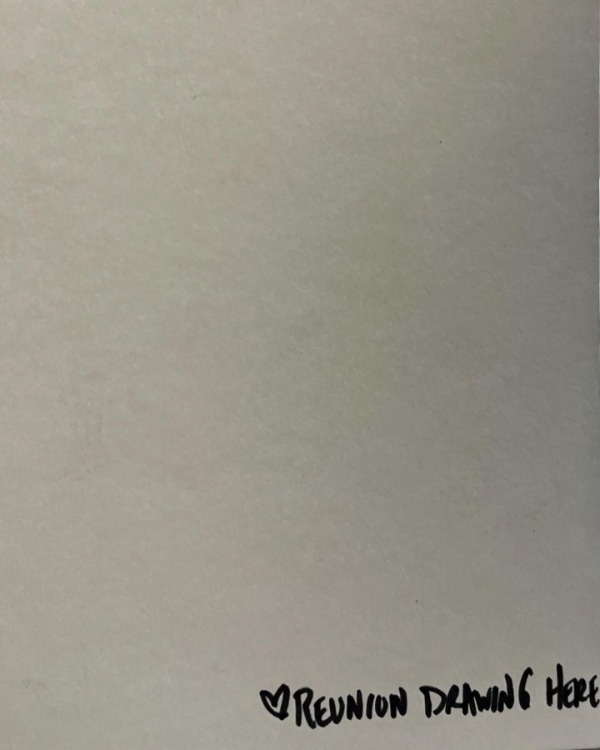
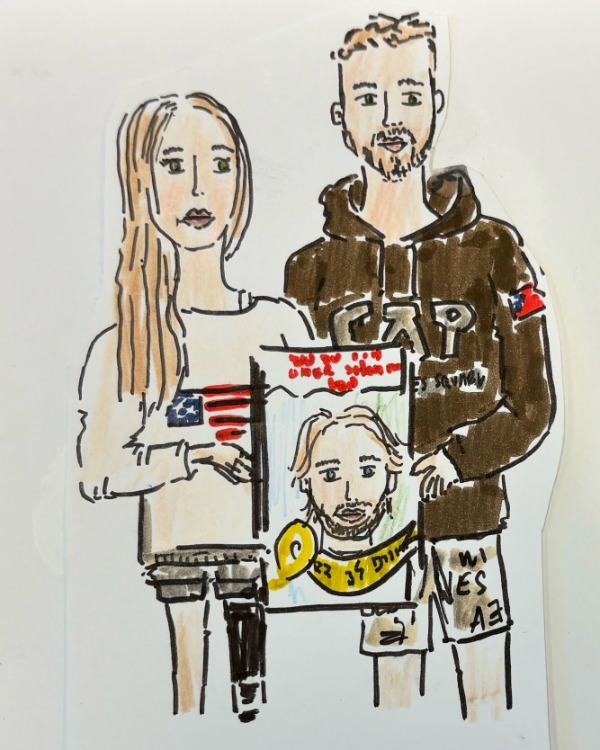
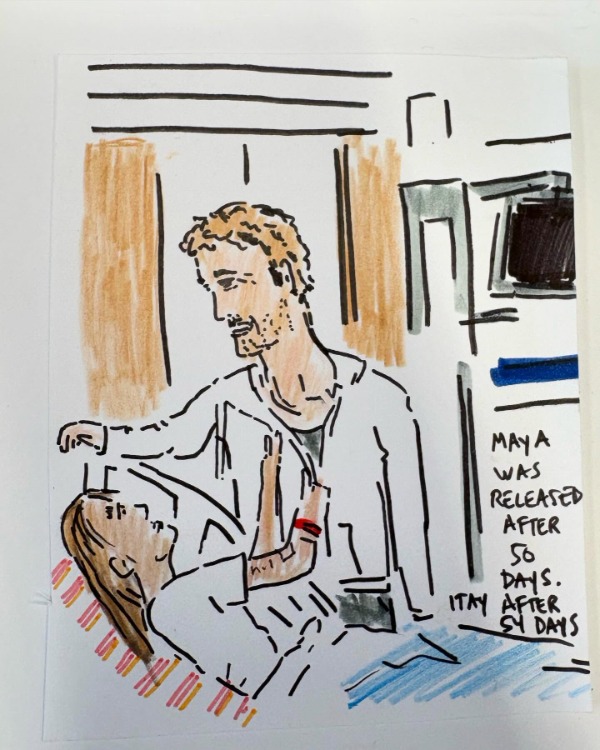
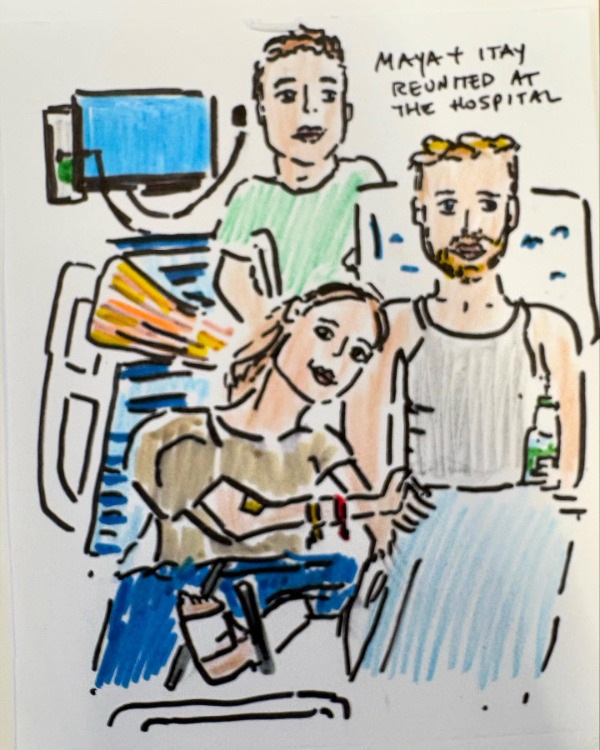
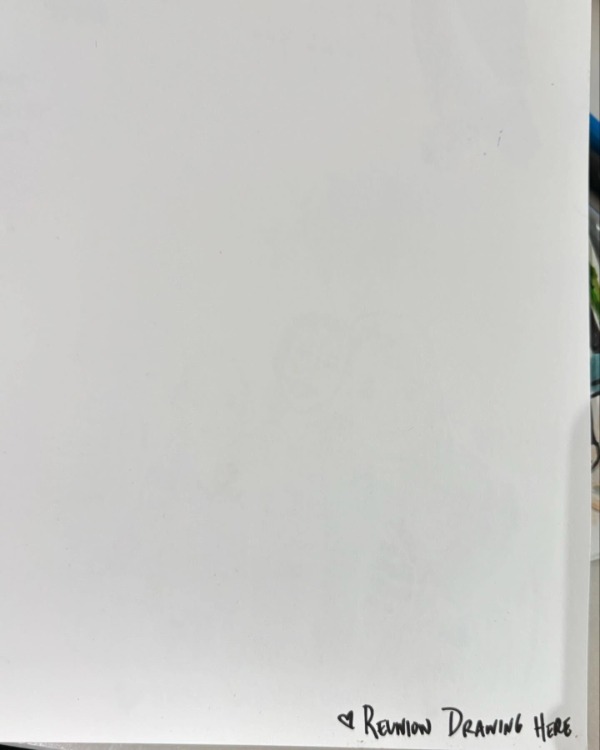
The end page of each booklet is what Gal calls a reunion page, left blank for filling in a picture of when a hostage is released home, alive or dead.
“There always is an end, whatever kind it ends up being,” said Gal. “It’s amazing to draw those reunions. I pretty much draw nonstop when a hostage is being released home.”
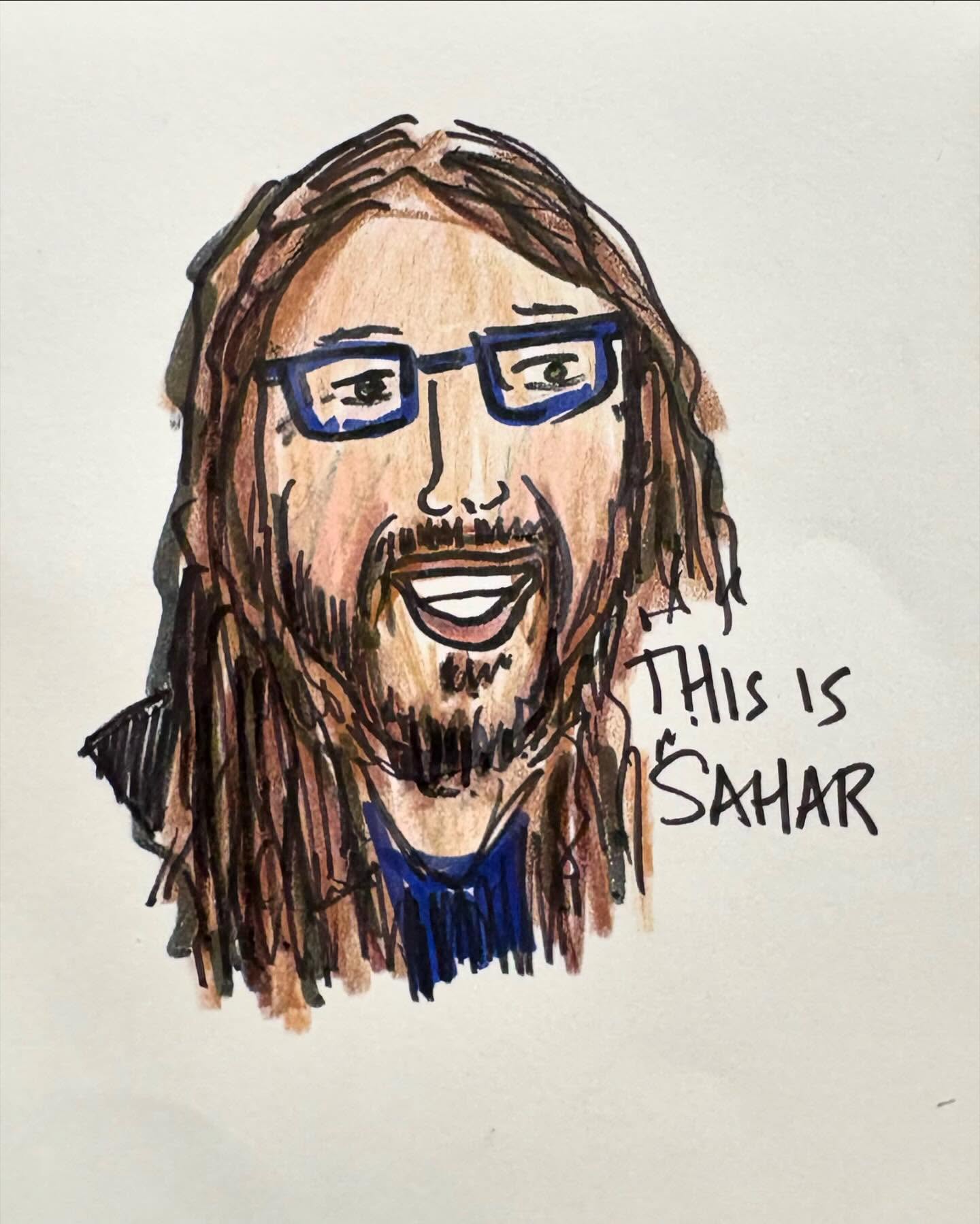
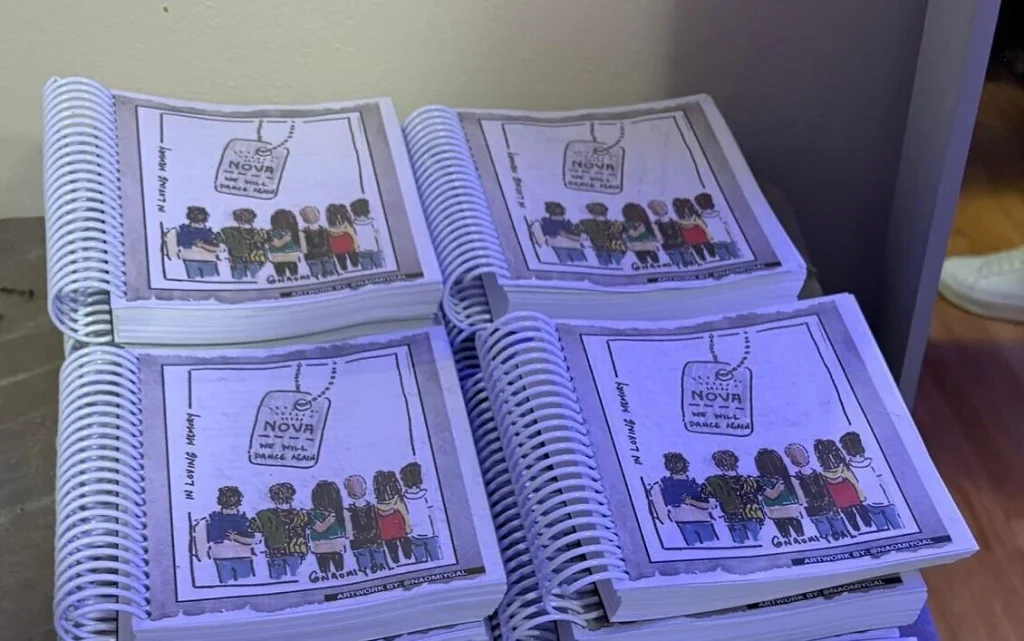
She also created a Nova Memorial Book, a thick black tome with a portrait of a Nova victim on each page. Some of those images were drawn during her recent visits to Israel, when she met with families, often visiting their loved ones’ graves, spending time with them at the Nova site in the south or sitting with them in her hotel lobby.
She hears stories about them and their children, and as she listens, she draws. Afterwards, they stay in touch.
“I’m on WhatsApp with them all the time, I make them laugh,” said Gal, who has dabbled in stand-up comedy. “We continue the relationship. When they tell me their heartaches, I draw what they’re telling me and then I give it to them.”
Gal, who covers her hair for religious reasons, also joked that she’s drawn more images of tattoos in the last months than she’s ever seen in her lifetime.
“I draw what I’m seeing around me. I feel like I’m their narrator,” said Gal, who usually posts what she’s drawing on her Instagram account, which she opened as she began this project.
She also creates merchandise — keychains and stickers featuring her illustrated images of each hostage, along with T-shirts and hoodies.
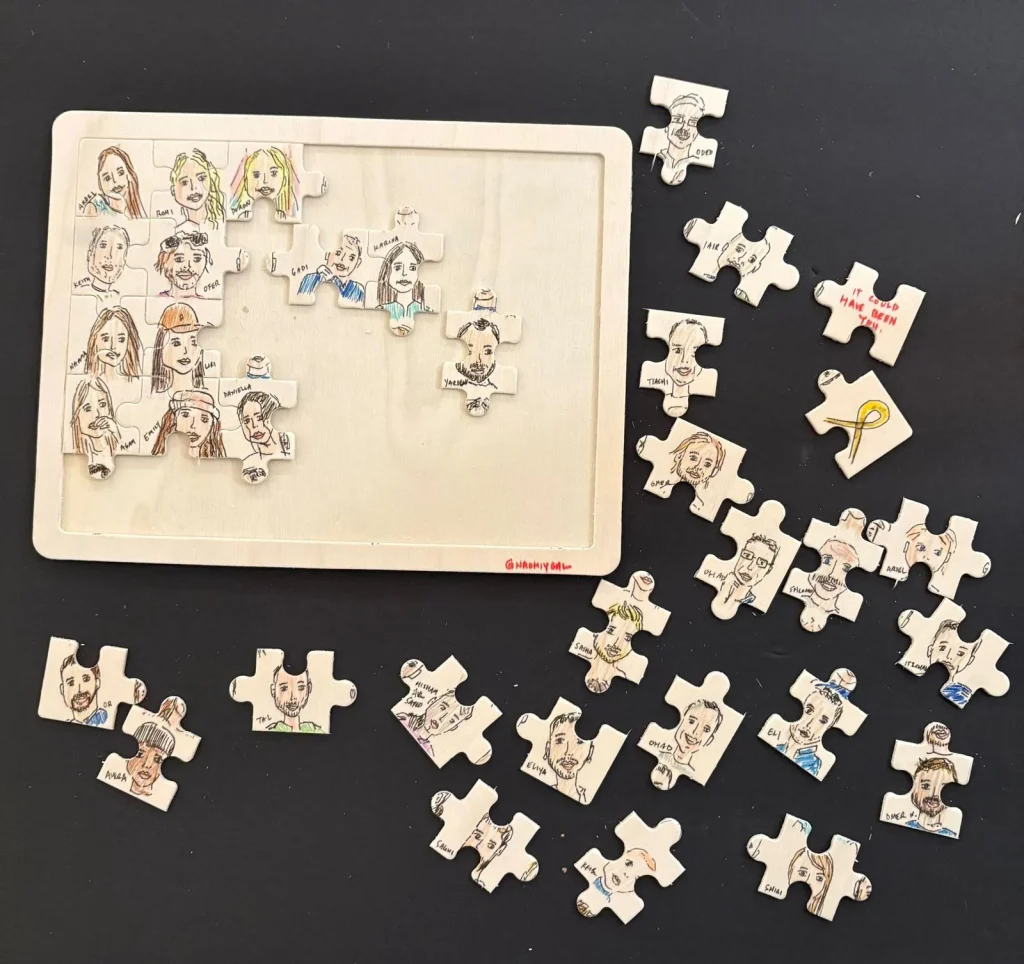
Gal hands out the stickers and keychains when she speaks about the project to groups at local schools, synagogues and churches, as well as when she meets bereaved families, giving them to whoever asks about what she’s doing.
She finds that she is meeting with communities of people that she was less familiar with in her previous life.
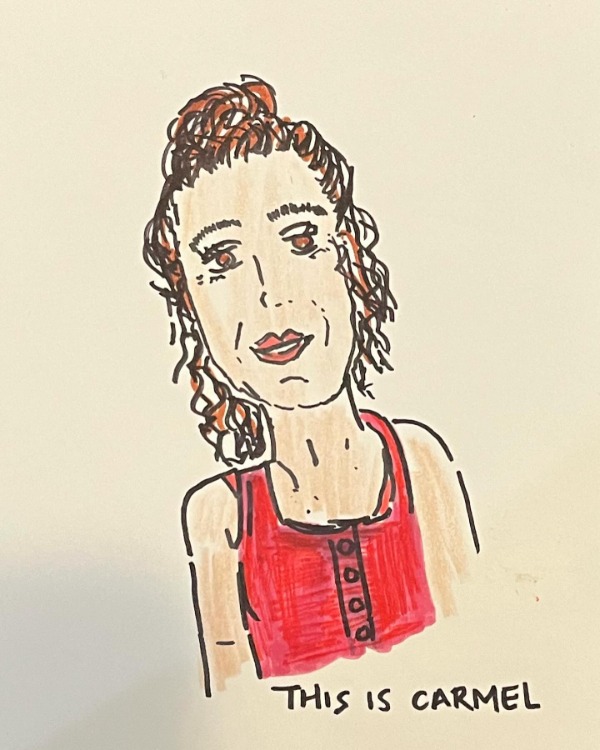
When Gal isn’t invited to speak somewhere, she sits in a Starbucks and draws, trying to engage those around her, encouraging them to hear about what she’s doing. She’ll draw the person she’s speaking to to get them to pay attention to the issue of the hostages.
“I will draw anyone, I’m not scared of any response,” she said.
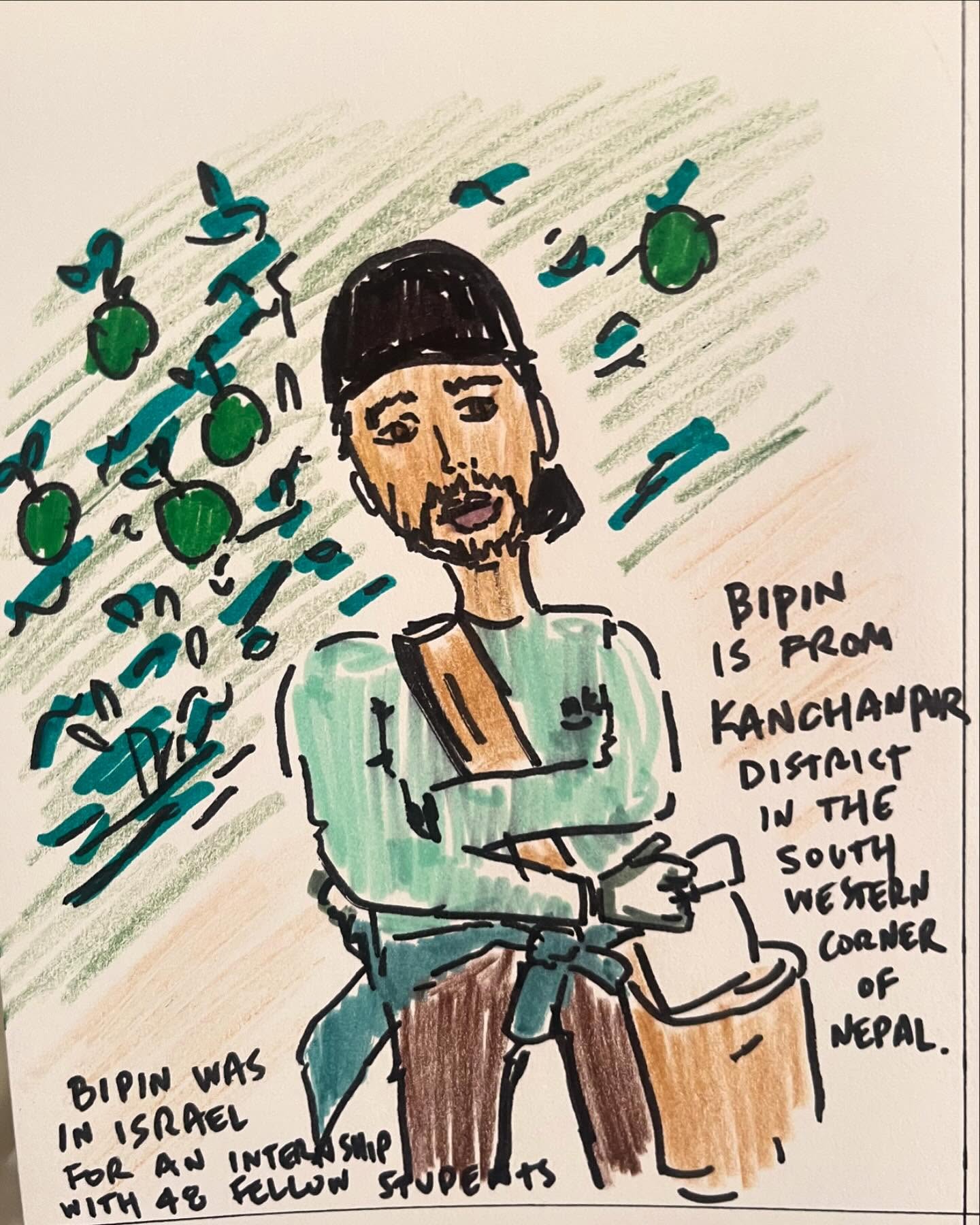
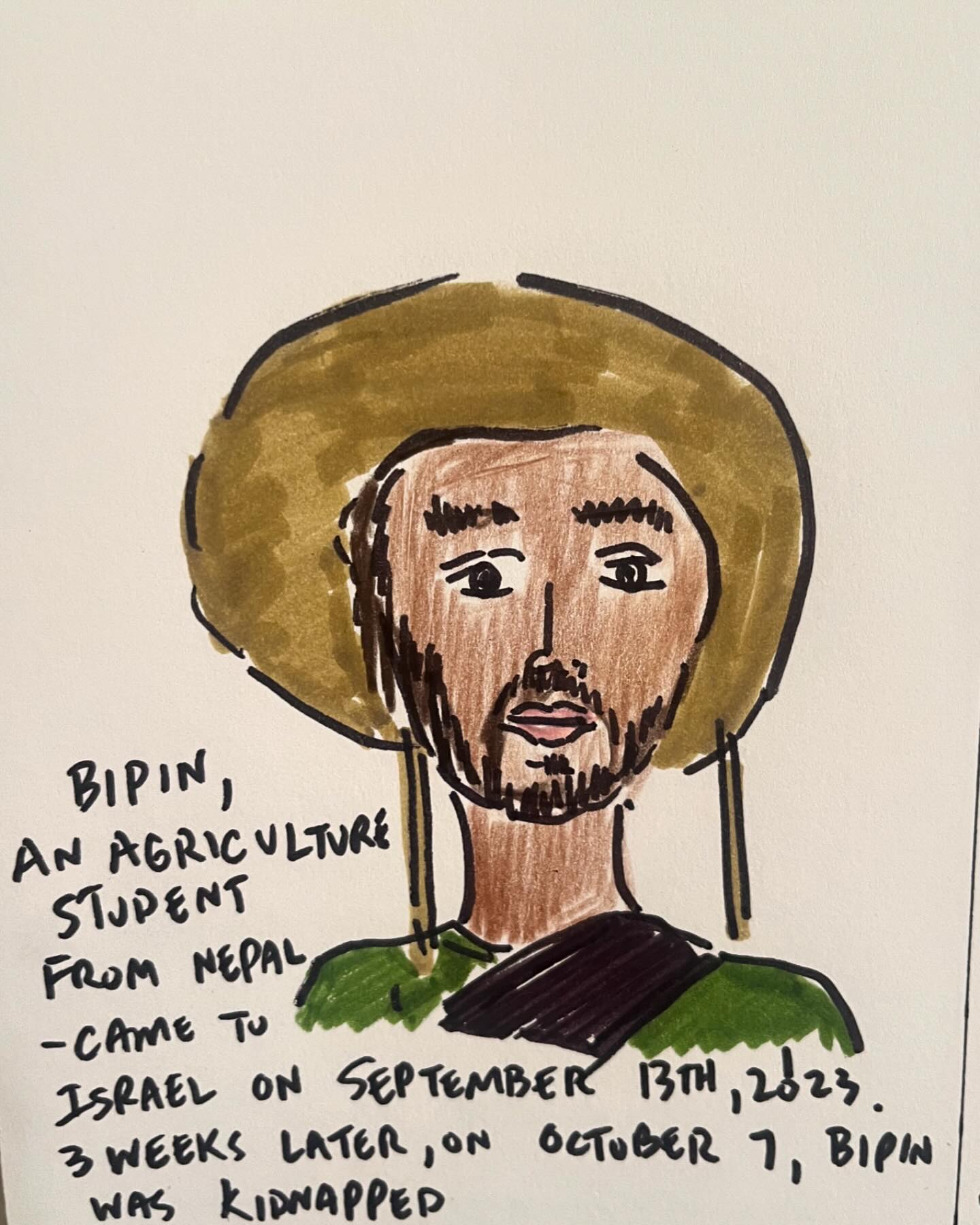
She keeps keychains featuring illustrations of the non-Israeli hostages, such as Nepalese foreign worker Bipin Joshi, to show that there were non-Jews and visitors to Israel who were taken hostage.
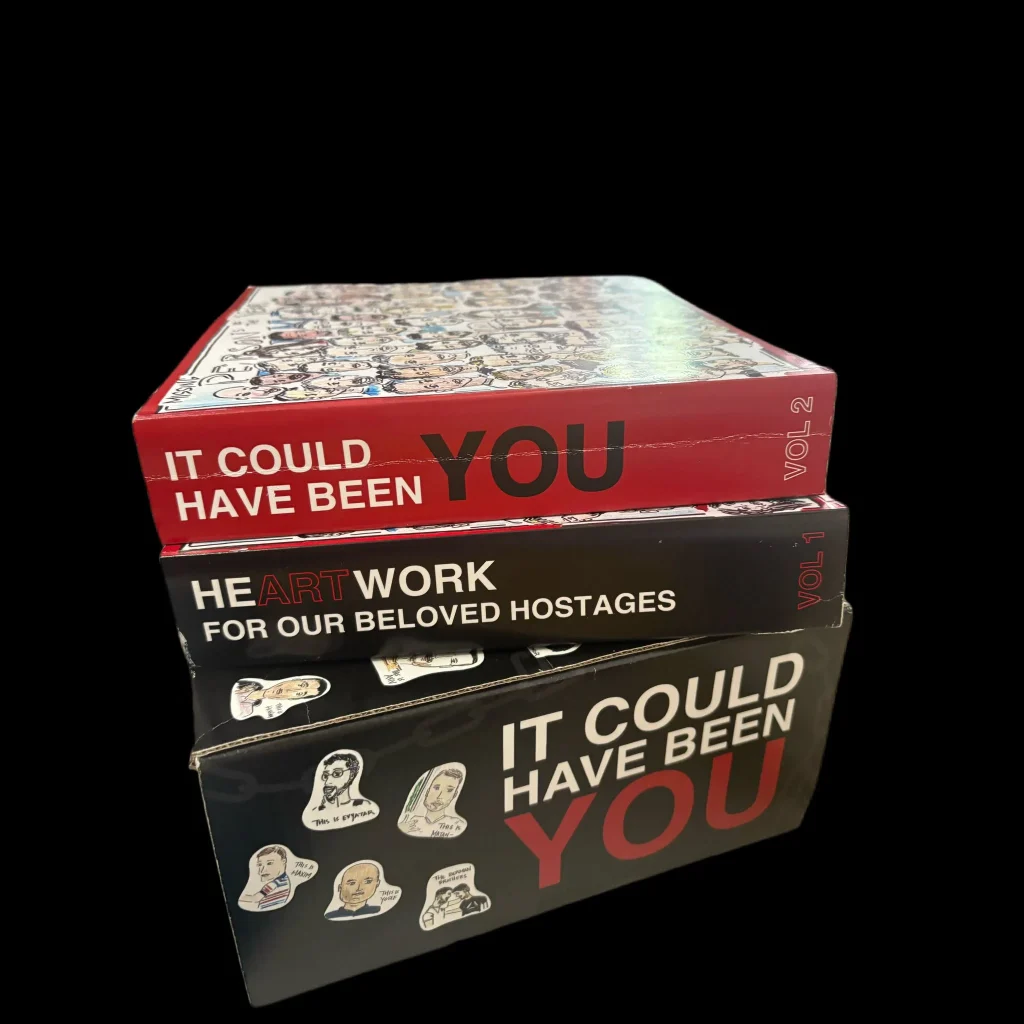
Gal’s work was exhibited in Herzliya in April, where the municipality set up her images in a local space after she connected with former hostage Omer Shem Tov’s family, who live in Herzliya.
She will soon head to Barcelona as part of “Am Israel Jai: Great Jewish Exhibition,” an art exhibit from June 5 through August, showcasing Israeli strength and pride, with all proceeds given to help survivors.
Gal will stop again in Israel in June to meet with hostage and bereaved families.
“I’ll meet with anyone who wants me to draw their story,” said Gal. “This isn’t about something for me, it’s about Jewish strength.”